
Keeping your Milk Cool and your Tech Safe
Security engineer and architect Brad Voris recounts designing zero-trust controls for legacy dairy-plant systems to protect millions of gallons of milk from tampering or contamination.
Security engineer and architect Brad Voris recounts designing zero-trust controls for legacy dairy-plant systems to protect millions of gallons of milk from tampering or contamination.

CISA's BOD 26-04 tells federal agencies how fast to patch. It's quietly telling everyone else the same thing: through insurance underwriting, vendor contracts, and regulatory alignment.
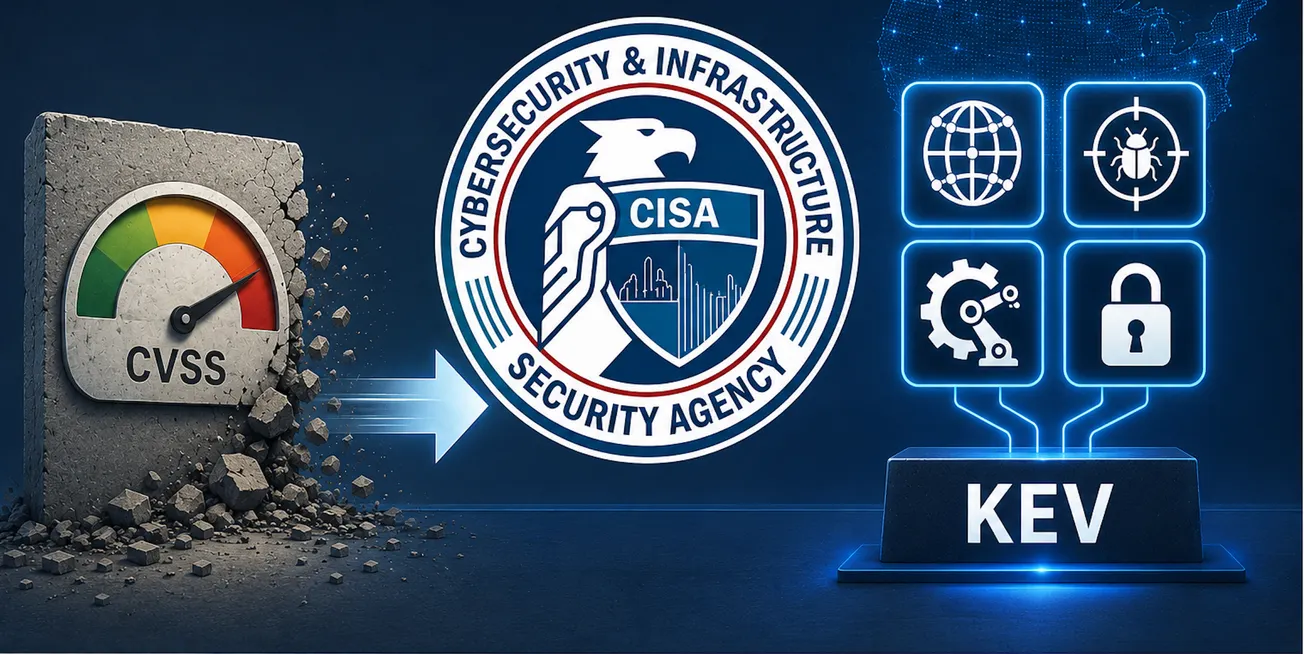
The agency’s new directive replaces blunt severity-driven remediation with a four-factor risk model built around internet exposure, known exploitation, automatability and system control.
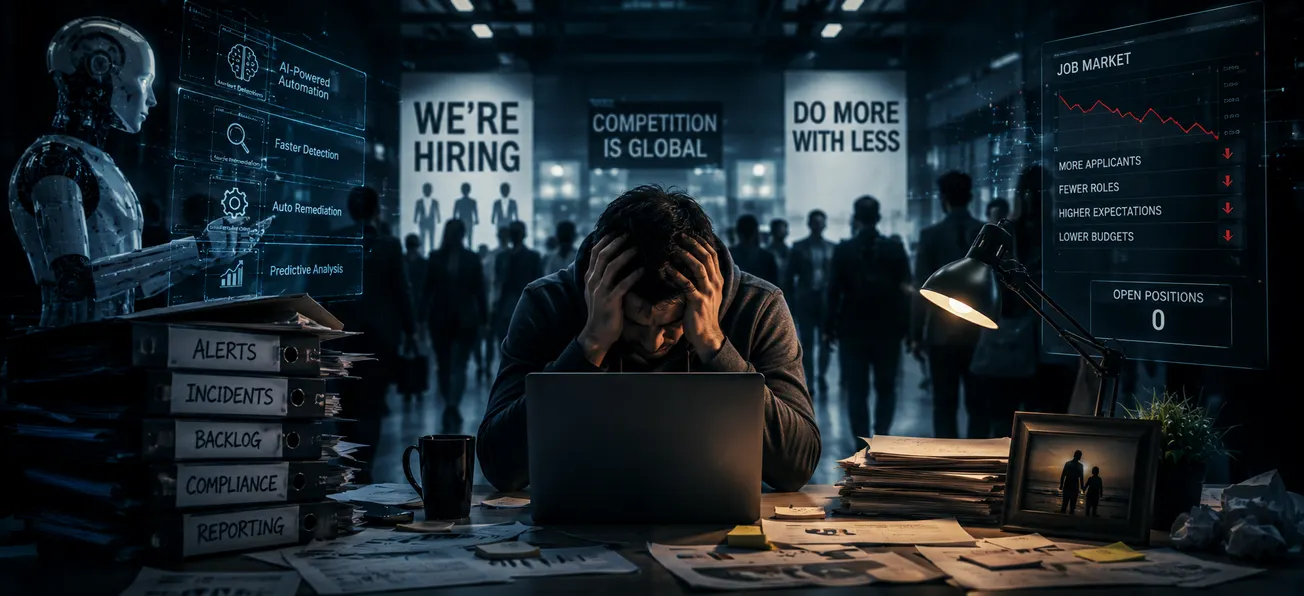
A new ISSA/Omdia study finds widespread AI adoption in cybersecurity, but security professionals say growing complexity, burnout, skills shortages, and business pressures are making the profession more challenging than ever.

Also this week: Introducing the CYBR.Minded podcast, why Zero Trust Framework's creator wants cybersecurity to stop talking about risk, a GPS correction tool gives Iran-linked hackers access to a major water utility, a guide to conference swag people actually want, and more!

Accenture's acquisition of a majority stake in Dragos and full ownership of runZero and NetRise reflects growing urgency across the cybersecurity industry to defend critical infrastructure against nation-state threats, particularly those attributed to China.
From our first episode of CYBR.Minded: Security teams are drowning in alerts, responsibility and impossible expectations. Until recently, the industry treated it as a personal problem instead of a systemic one.
Why mental health, overload, alert fatigue, and human resilience are cybersecurity issues.

Cybersecurity has been built around a simple equation: risk equals probability multiplied by impact. John Kindervag, creator of the Zero Trust Framework and chief evangelist at Illumio, says the equation assumes something defenders rarely possess: a reliable way to calculate probability.

Artificial intelligence has become cybersecurity's latest source of anxiety. John Kindervag, creator of the Zero Trust Framework and chief evangelist at Illumio, sees things differently.
Michael and Phil were joined at CYBR.HAK.CON. by John Kindervag, Chief Evangelist at Illumio and creator of the Zero Trust Framework, for a wide-ranging conversation on risk vs. danger, personal resilience and the future of AI.
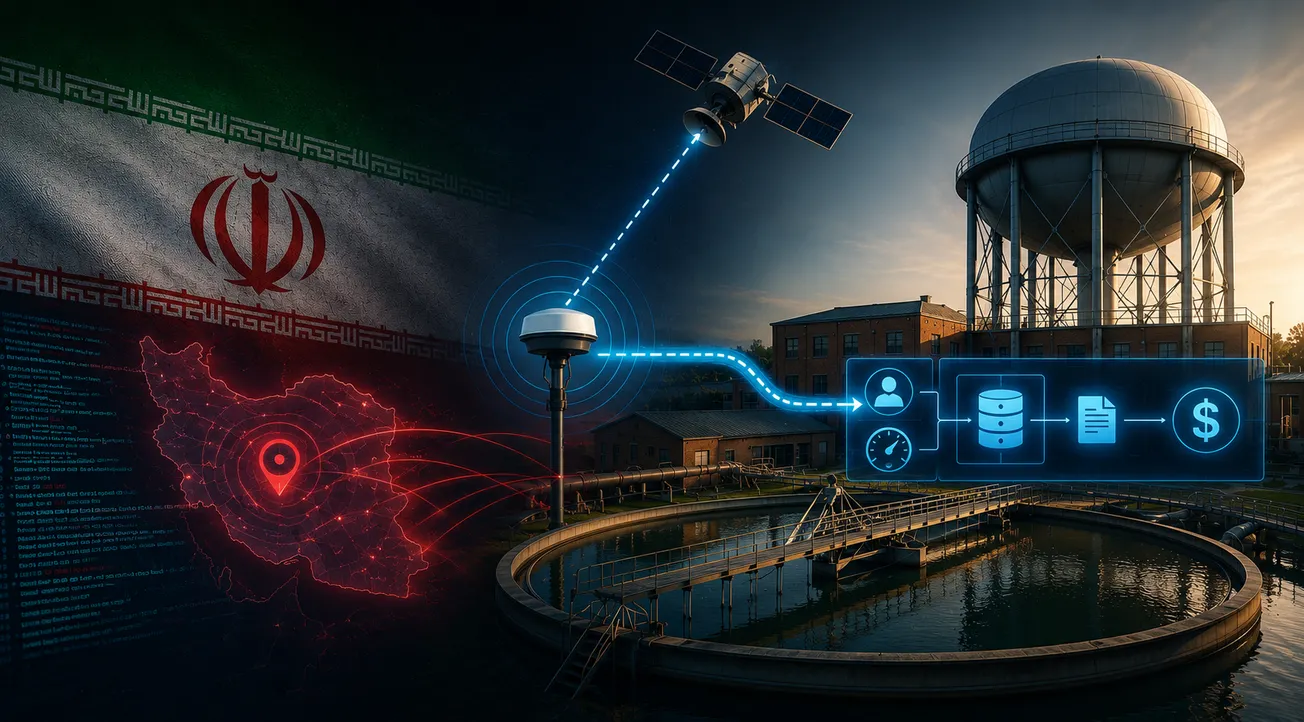
Iranian-linked hackers reportedly breached California Water Service by pivoting through an open-source GPS correction tool to then access billing systems. The alleged intrusion laid bare security failures that federal inspectors had already flagged across hundreds of U.S. water systems.

A utility trusts its operating picture because measurements return in expected ranges, alarms correlate with physical events, crews report back from the field, substations behave consistently, and the model of the grid keeps meeting the grid itself. Return is how reality becomes believable.

Summer conference season in full swing, and security marketing teams are in full-on "how to we capture more mindshare" mode. Every vendor wants to hit a home run on marketing swag, but no one wants to break the bank on it. Here's your helpful guide...

Security teams are caught between a rapidly expanding attack surface and accelerating adversarial use of AI. Thirty-two percent of security teams see automated, AI-fueled attacks as the single greatest driver reshaping their offensive security strategies.

This week: How AI is reshaping security vendor business models, disrupting cybersecurity procurement, exposing governance gaps, fueling new trust debates, and further complicating persistent threats like ransomware and Microsoft insecurity.