
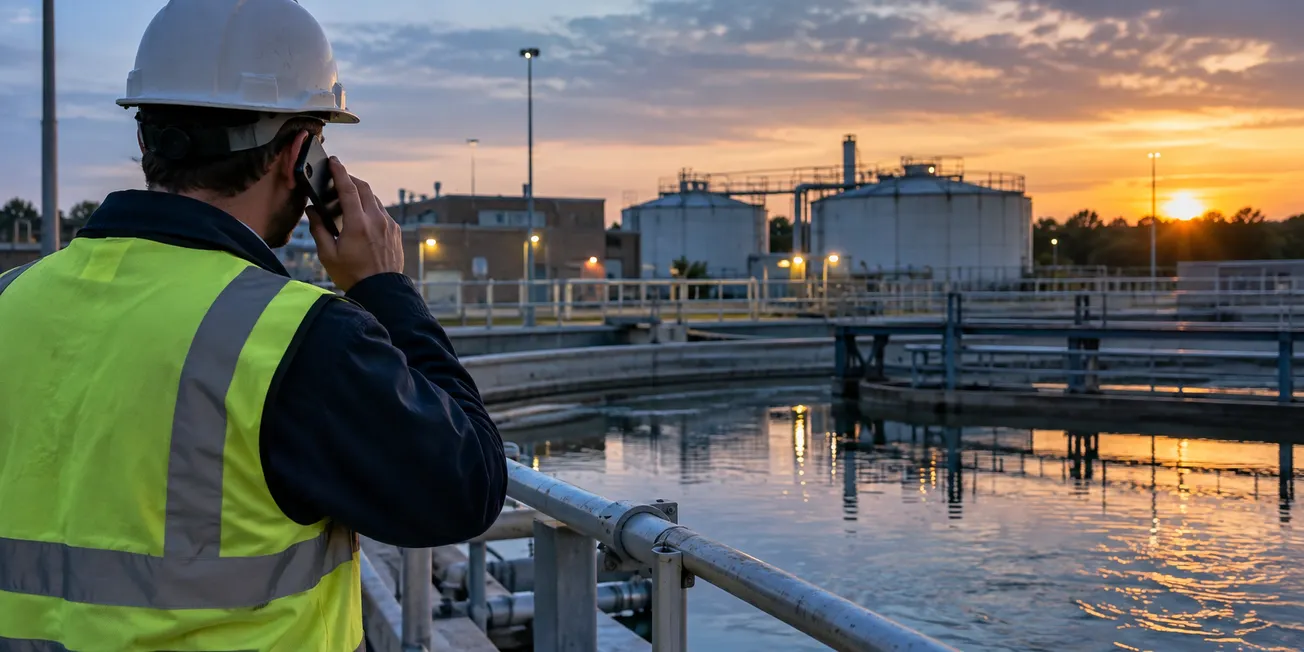
Water Utilities Are Running on Email Alerts and Phone Calls to Defend Critical Infrastructure
WaterISAC's partnership with Cyware is designed to change that: but automated intelligence alone won't protect utilities that lack the staff to act on it.
WaterISAC's partnership with Cyware is designed to change that: but automated intelligence alone won't protect utilities that lack the staff to act on it.

A severed FAA communications line grounded flights across the Northeast, exposing the dangers of confocal infrastructural vulnerabilities. Why physical redundancy matters and how a single point of failure can cripple critical infrastructure.

Twenty-five years after the Sept. 11 attacks, I look back at how 9/11 changed my life, led me into cybersecurity and shaped how I see our responsibility to protect the systems and civilization we depend on.

Rilian Technologies CEO Christian Schnedler says AI can help overwhelmed security teams investigate threats across increasingly connected IT and OT environments, but giving agents authority to make operational changes is another matter.

Iranian cyberattacks are hitting U.S. critical infrastructure as water, energy and telecom systems face growing threats. Plus: AI SOCs, vulnerability overload, CYBR.SEC.CON 2026 — and more.
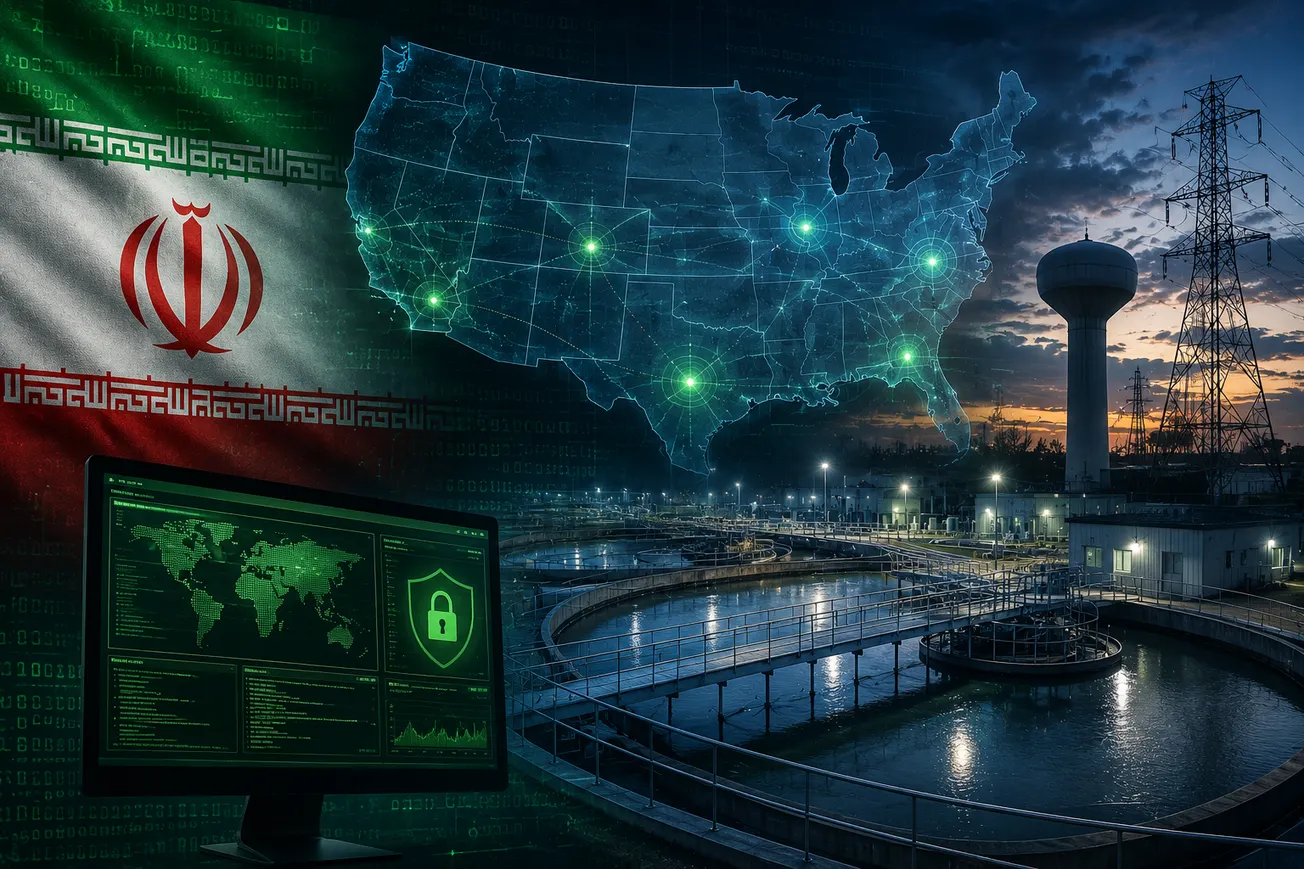
Iranian cyber threats against U.S. water, energy and telecom infrastructure are escalating. Here’s what’s happening, what’s at risk and how defenders should respond.

Dragos CEO Robert M. Lee has repeatedly warned that under-resourced water utilities cannot defend themselves against growing cyber threats alone. A new federal-state-industry initiative in Texas aims to start closing that gap.
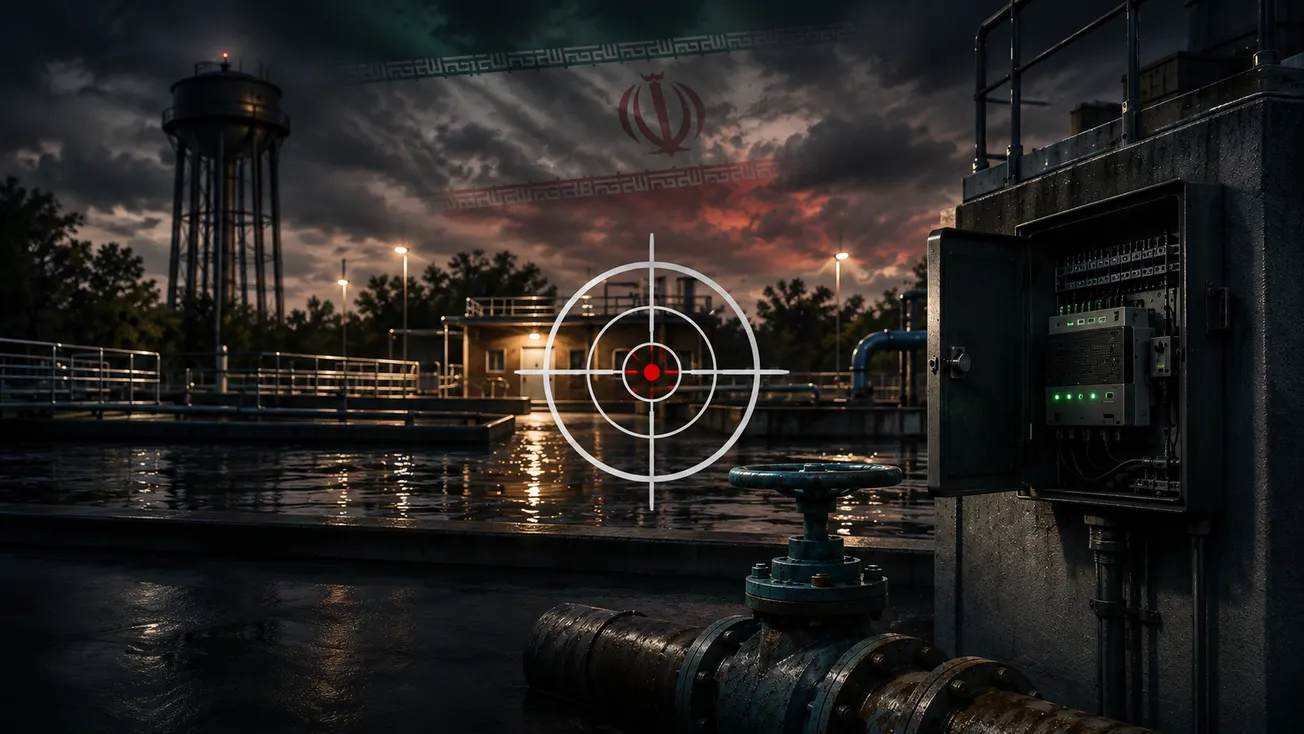
The latest wave of intrusions at municipal water systems follows the same playbook as Unitronics and Oldsmar because no one is closing the door.
Also this week: How not to build a security vendor booth, how we got ants in cybersecurity and why Human Risk Management and mental health matter more than ever.
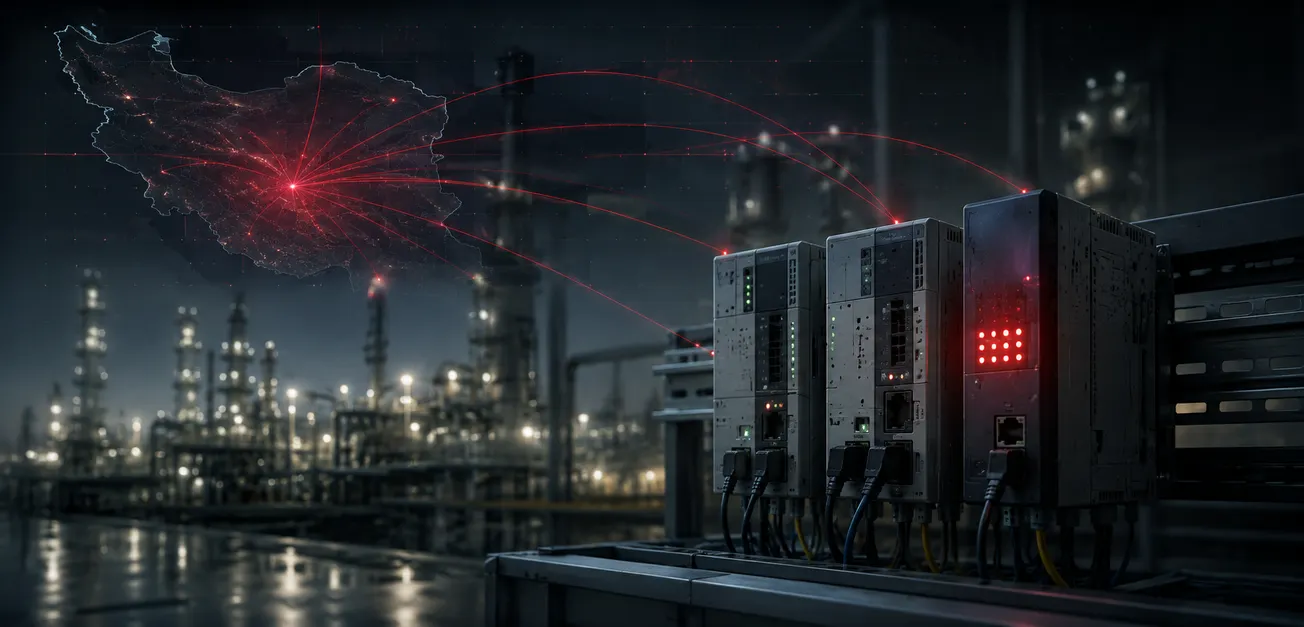
The July 22 update to AA26-097A expands the scope of Iranian PLC attacks and lays out urgent mitigation steps for water, energy, and government operators.

Danielle (DJ) Jablanski argues that critical-infrastructure owners must stop waiting for perfect regulation or deterrence and instead start today to map interdependencies, engineer fault-tolerant redundancy, and reduce the severity of inevitable cyber-physical impacts.
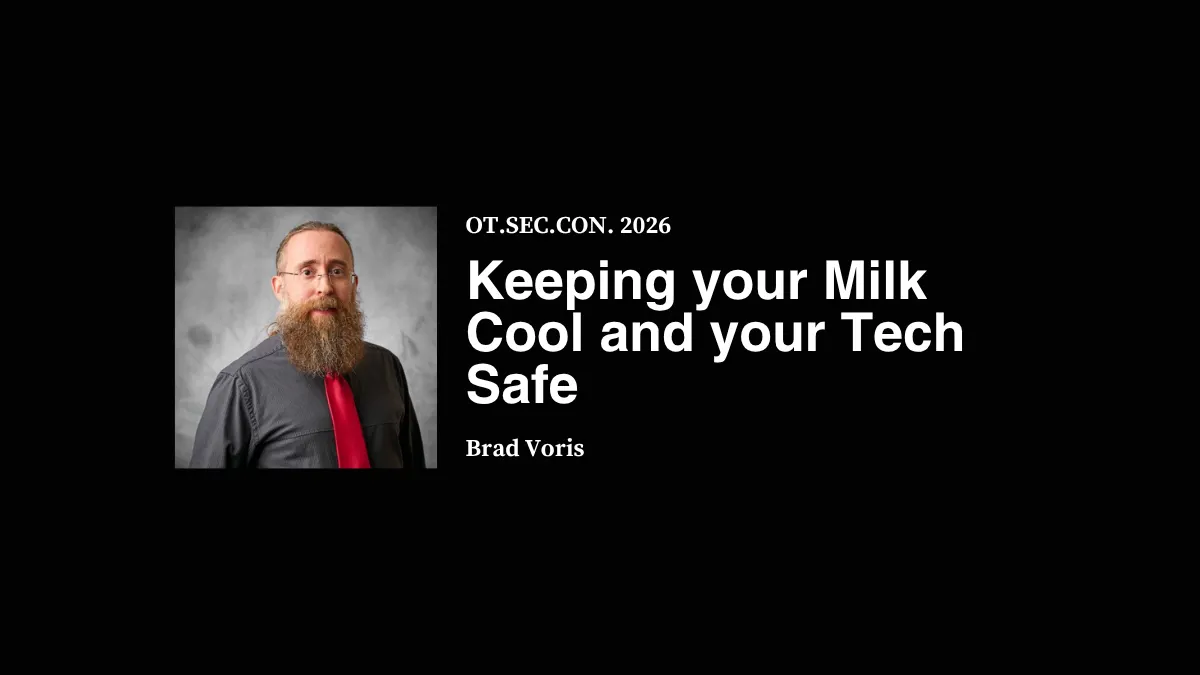
Security engineer and architect Brad Voris recounts designing zero-trust controls for legacy dairy-plant systems to protect millions of gallons of milk from tampering or contamination.
Also this week: Introducing the CYBR.Minded podcast, why Zero Trust Framework's creator wants cybersecurity to stop talking about risk, a GPS correction tool gives Iran-linked hackers access to a major water utility, a guide to conference swag people actually want, and more!