

Why I Don't Like Cybersecurity Awareness Month
If your security plan expires on November 1, it isn't a plan. It's a seasonal flavor.
If your security plan expires on November 1, it isn't a plan. It's a seasonal flavor.
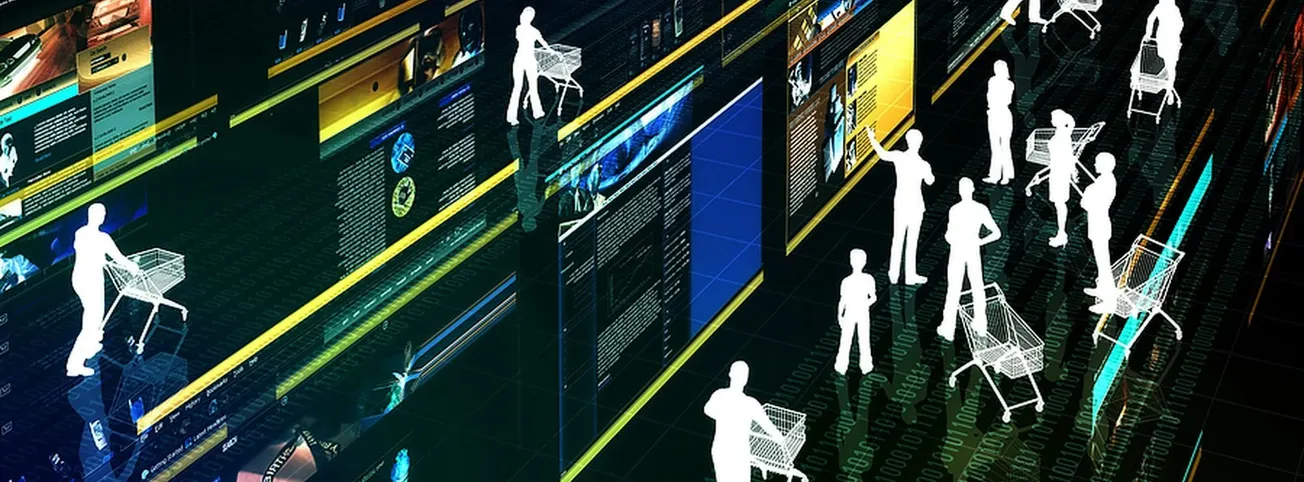
A product may have ten important features, but that does not mean every communication needs to explain all ten. The job of marketing is to establish quickly why the target audience should be interested in the product, and move them to the next stage.

Bill Brenner posts regular updates from abourd the Mariner of the Seas cruise ship, where he is covering the proceedings during CruiseCon 2026
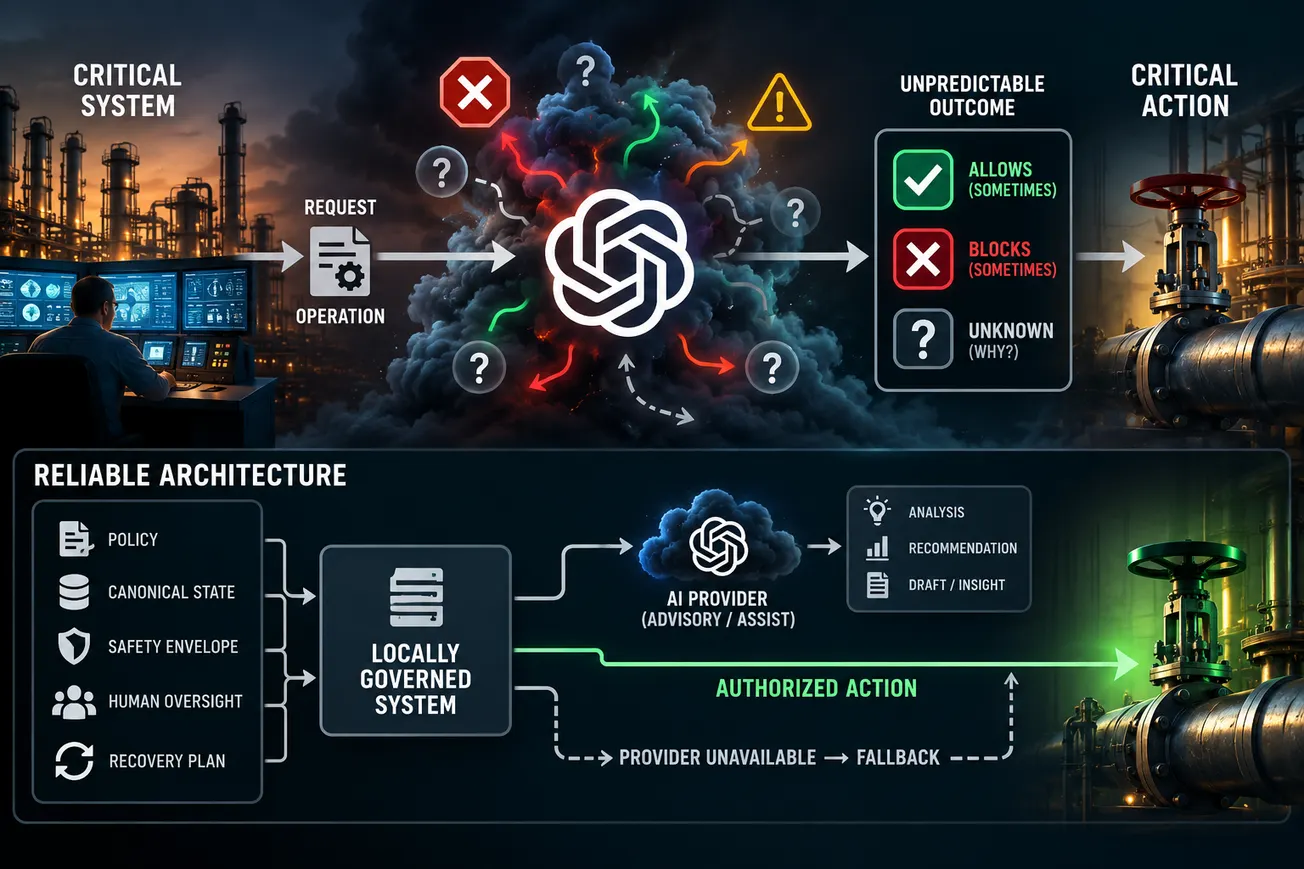
No externally governed inference or action provider should constitute an unmitigated single point of failure. Where provider behavior cannot be sufficiently characterized, treat the provider as an untrusted-availability dependency.

Nonprofit cybersecurity doesn't improve with more checklists and portals. Real change starts with conversations that expose hidden risks, build trust and turn advice into action.

As a cybersecurity start-up or scale-up you don't need everybody to know your name. You need the right people to keep encountering it for the right reasons.

AI is changing the threat landscape. For nonprofits and other under-resourced organizations, panic is a bigger risk than the technology.

A severed FAA communications line grounded flights across the Northeast, exposing the dangers of confocal infrastructural vulnerabilities. Why physical redundancy matters and how a single point of failure can cripple critical infrastructure.

More OT, less governance: reflections on the CYBR.SEC.CON. 2026 show floor

Winn Schwartau shares his observations from the Innovation Station at CYBR.SEC.CON 2026, where emerging technologies, fresh ideas and the people driving cybersecurity innovation took center stage.
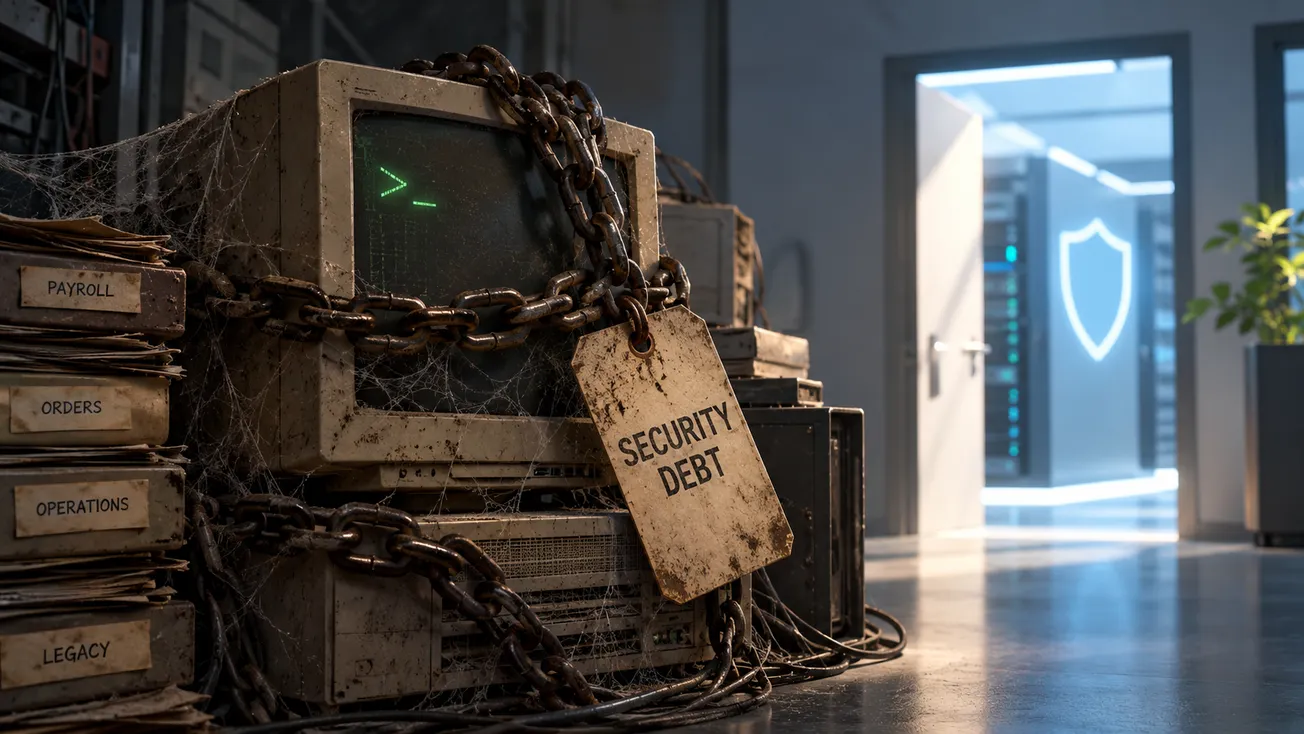
Legacy systems create security debt through outdated controls, poor visibility and insecure dependencies. Learn how to reduce risk without replacing everything.
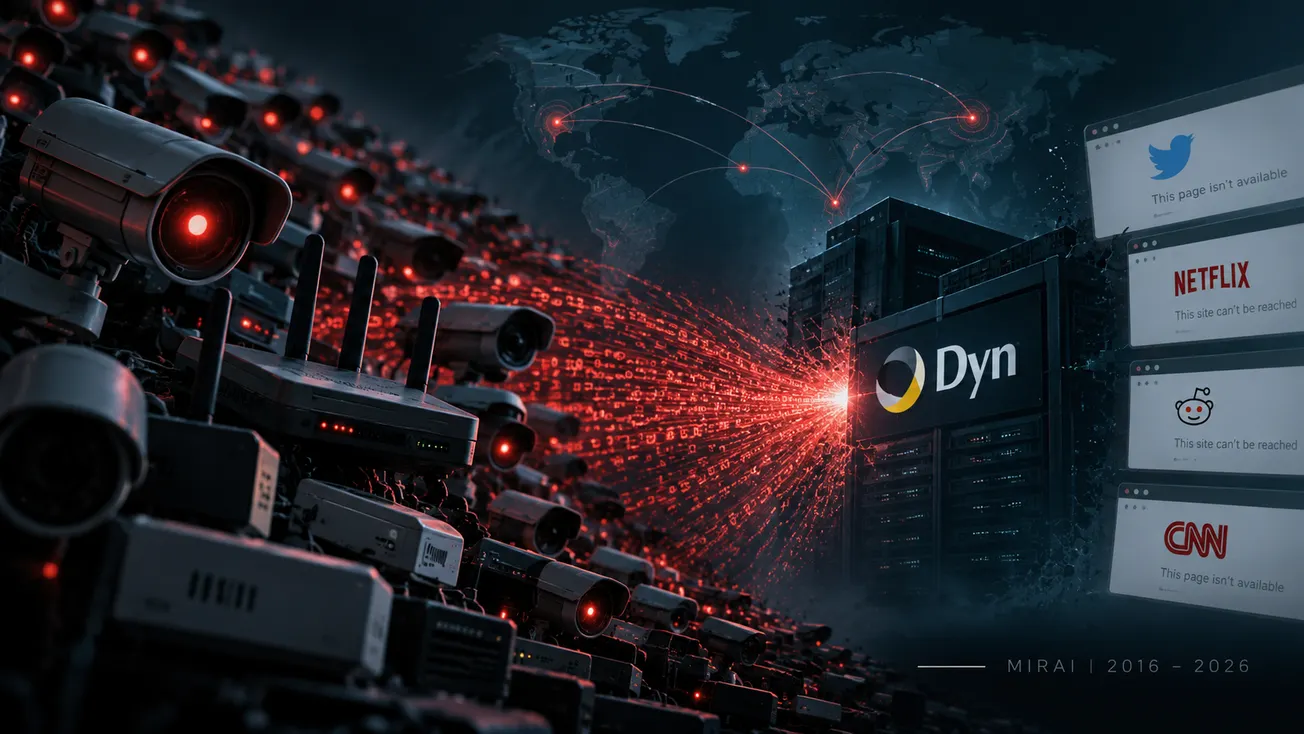
Ten years after Mirai disrupted Dyn, explore how the IoT botnet changed DDoS defense, device security and internet resilience — and why it endures.

Three teams are talking at once. An attacker may still be active. The logs disagree. The current owner is on vacation. A cloud console shows one state, the SIEM shows another, and the incident commander has a spreadsheet that was copied from a spreadsheet that was correct last quarter.

Twenty-five years after the Sept. 11 attacks, I look back at how 9/11 changed my life, led me into cybersecurity and shaped how I see our responsibility to protect the systems and civilization we depend on.
Security architecture accumulates “adaptation debt” when local fixes, exceptions and compensating controls force users, systems and now AI agents to work around designs that no longer match how identity, authority and data actually flow.
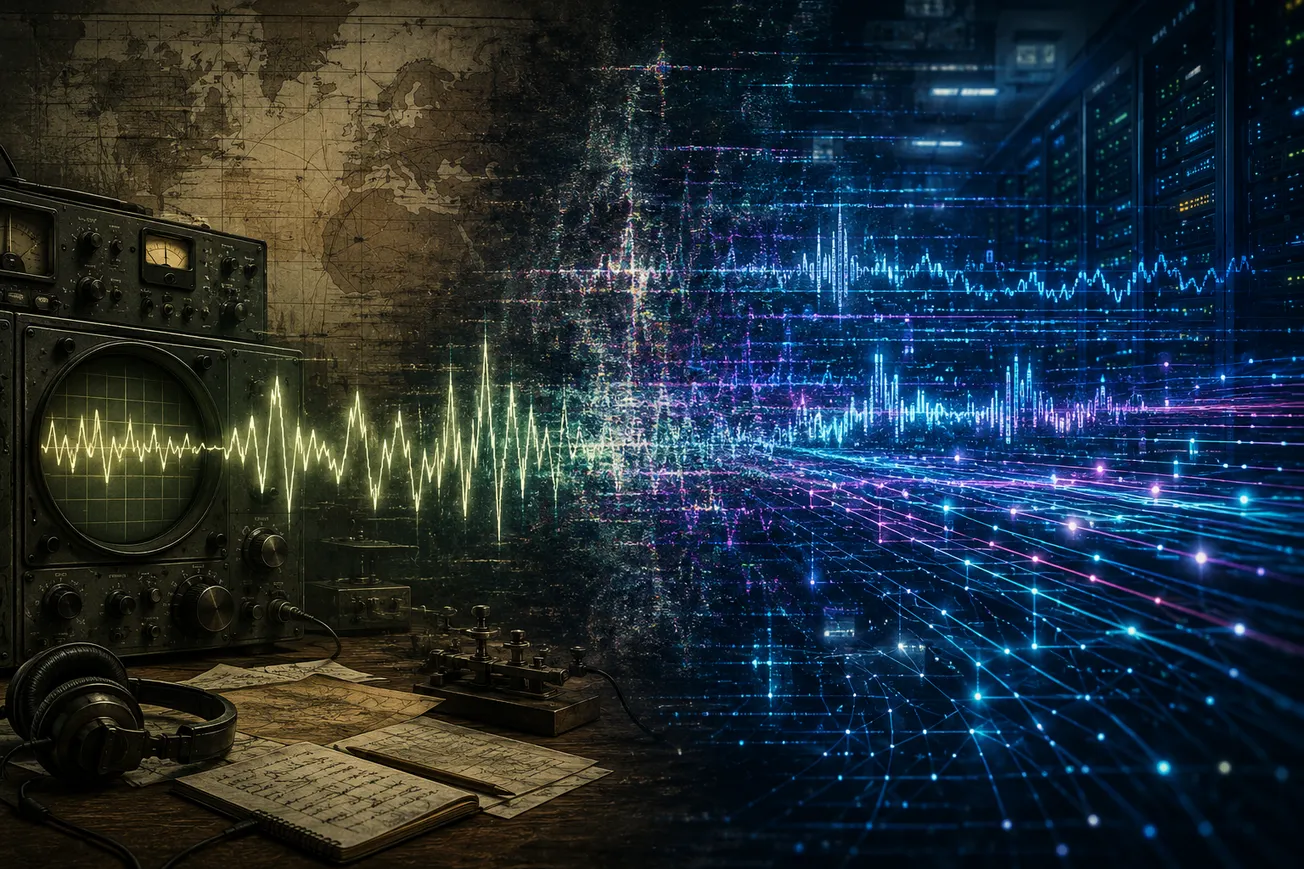
From Army signal intelligence and radio jamming to modern DDoS defense, the same lessons in reconnaissance, timing, disruption and adaptation reveal how attackers overwhelm networks — and how defenders can stay ahead.