
AI Found Seven FatFs Bugs. Now Someone Has to Fix the Devices
AI uncovered seven FatFs flaws affecting embedded devices. The challenge now is patching millions of systems with no easy fix.
With 48,000+ CVEs published annually, the challenge isn't volume. It's finding the vulnerabilities attackers will actually exploit.
Discover five must-read cybersecurity articles, videos, and creators every security professional should follow this week.
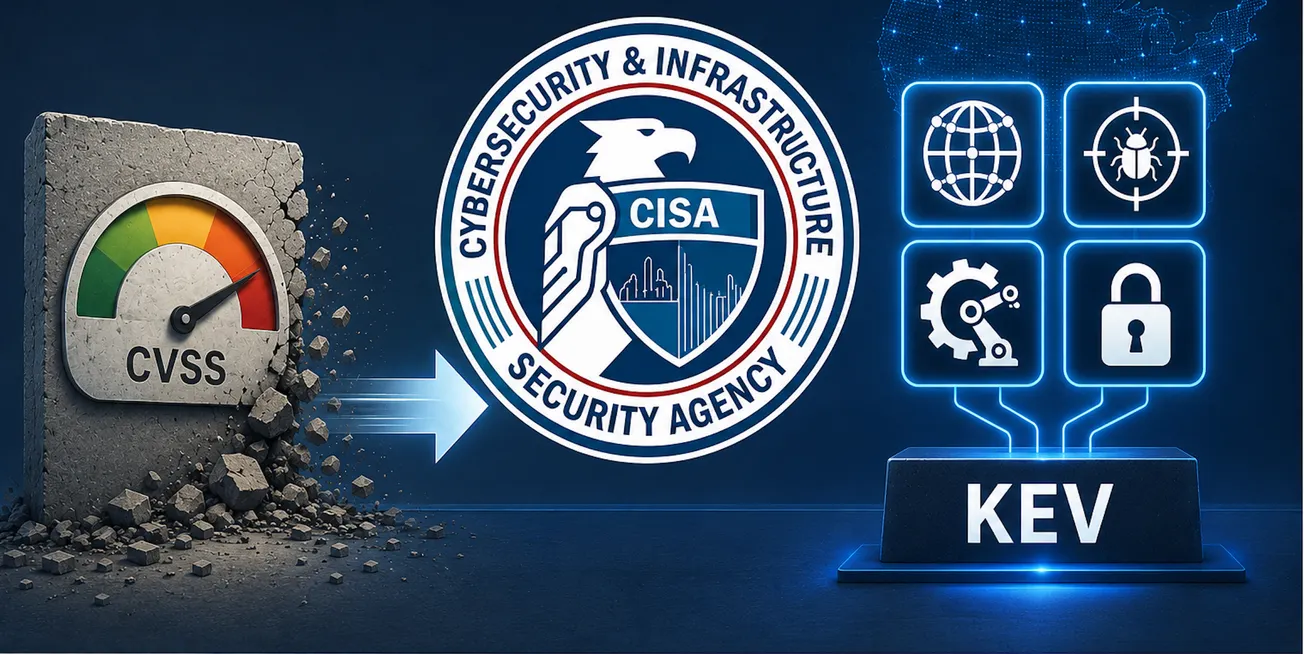
CISA's BOD 26-04 tells federal agencies how fast to patch. It's quietly telling everyone else the same thing: through insurance underwriting, vendor contracts, and regulatory alignment.
The agency’s new directive replaces blunt severity-driven remediation with a four-factor risk model built around internet exposure, known exploitation, automatability and system control.
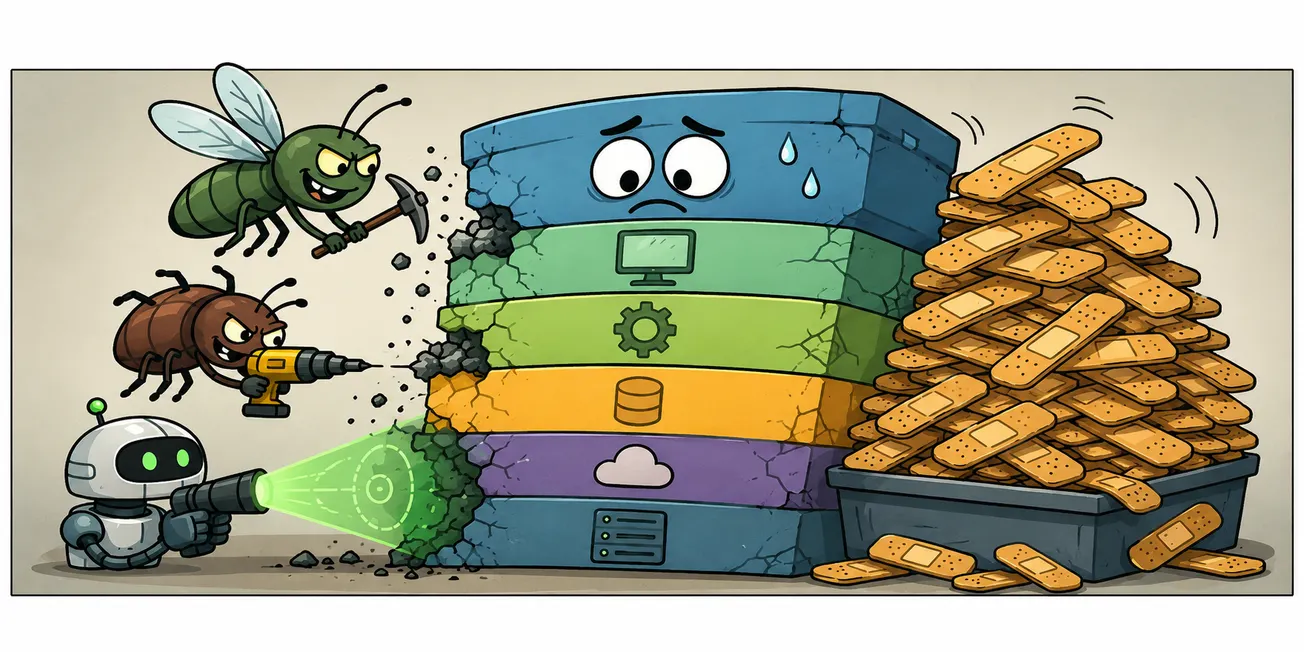
A trio of fresh flaws highlights the heightened vulnerability of the entire enterprise software stack, as the combination of automated scanning, the availability of exploit code, and patching delays is cited as a factor in the rise of vulnerability exploitation as a preferred entry point.
Among the topics: Cognitive warfare and medical device mayhem.
AI security scanners promise to reduce AppSec workload, but Contrast Labs' testing shows they systematically multiply it, turning a $315 API fee into an estimated $128,000 triage burden, before fixing a single vulnerability.
Information overload, cognitive warfare, and nonstop digital noise are turning human attention into a vulnerable attack surface.
Organizations spend real money on penetration testing and too often walk away afterwards with the same vulnerabilities they started with. The test happened. The report landed. The checkbox got checked. Nothing significant has changed.
But it might be your company’s problem.
Traditional security operations: CTI feeds piped into a SIEM, alerts routing into a ticket queue, and analysts triaging the resulting flood is running out of road. A new operational model is emerging in its place, and it doesn’t look much like what most security teams currently have in place.
With NIST's National Vulnerability Database now triaging only a fraction of incoming CVEs, security teams must diversify beyond NVD while rethinking patch SLAs and risk scoring.
An analysis of the National Vulnerability Database's shift to risk-based triage and what it actually means for the people patching systems (first of a two-part analysis)
The AI-driven “vulnerability storm” isn’t just a technical problem—it’s a human breaking point, and the Mythos report’s authors are right to elevate burnout from a side issue to a frontline risk.
A coalition of cybersecurity heavyweights has issued an emergency playbook for surviving the AI-driven “vulnerability storm” — and it makes clear that speed, automation, and collective defense are now existential requirements.