

AI Security
CYBR.SEC.CON. 2026 Videos: Watch Every Keynote and Presentation
Watch every CYBR.SEC.CON. 2026 keynote and presentation, with sessions covering AI, cybersecurity leadership, critical infrastructure, burnout, offensive security and more.


9 AI Security Lessons From CYBR.SEC.CON 2026
Nine AI security lessons for CISOs on agents, identity, governance, compliance, cognitive risk, open source and human resilience.

Cybersecurity’s Human Breaking Point: AI, Burnout and Cognitive Overload
CYBR.SEC.CON. 2026 put cybersecurity’s human toll front and center, from AI-driven cognitive overload to leadership, burnout and defender resilience.

Two Security Operations Realities Are Emerging. Which One Are You Building?
A small but growing cohort of organizations has moved agentic AI from pilot to production and is already operating at a fundamentally different level. The gap between them and everyone else is growing.
Singulr AI Targets the Growing Enterprise AI Control Gap
CYBR.SEC.CON. LaunchPad finalist Singulr AI is tackling the enterprise AI control gap with runtime governance, security and controls designed to let companies adopt AI and agents without losing visibility or control.

Stealing Trust: Modern Social Engineering from Phishing to AI-Powered Vishin
The talk “Stealing Trust: Modern Social Engineering from Phishing to AI-Powered Vishing” by Chris Russell explores the evolution and increasing sophistication of social engineering attacks, emphasizing how adversaries now leverage artificial intelligence to automate and personalize deception.
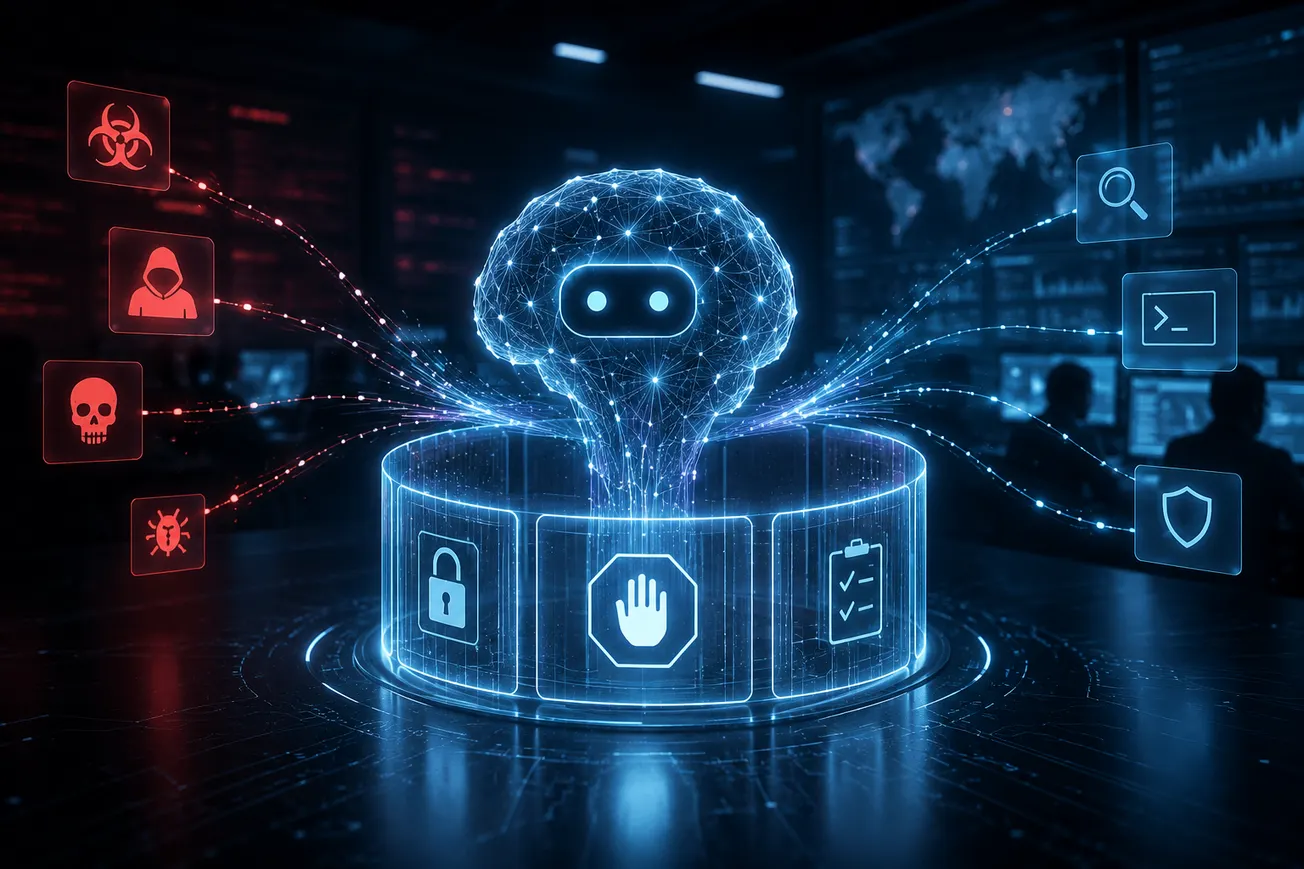
SOC AI Guardrails: How to Define What Agents Can Touch and Do
Agentic AI is closing the SOC automation gap that SOAR never did, whether the guardrails around it are explicit enough to stop a breach, survive a regulatory audit or a court case is a different question.
CYBR.SEC.CON 2026 and the Gathering AI Security Storm
Also this week: AI agents put Zero Trust to the test, OT security offers a blueprint for securing AI, and more!
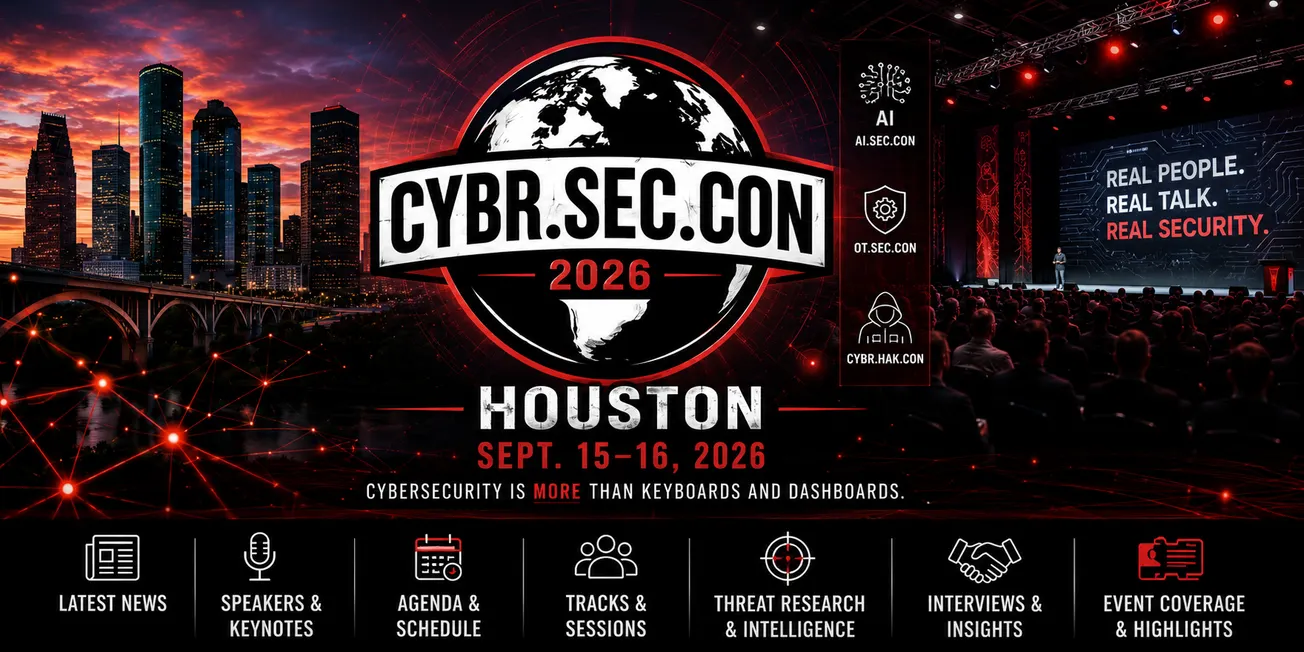
CYBR.SEC.CON. 2026: News, Speakers, Agenda and Coverage
Follow CYBR.SEC.CON. 2026 in Houston with the latest news, speakers, keynotes, agenda, cybersecurity tracks, AI.SEC.CON. highlights, interviews and event coverage.
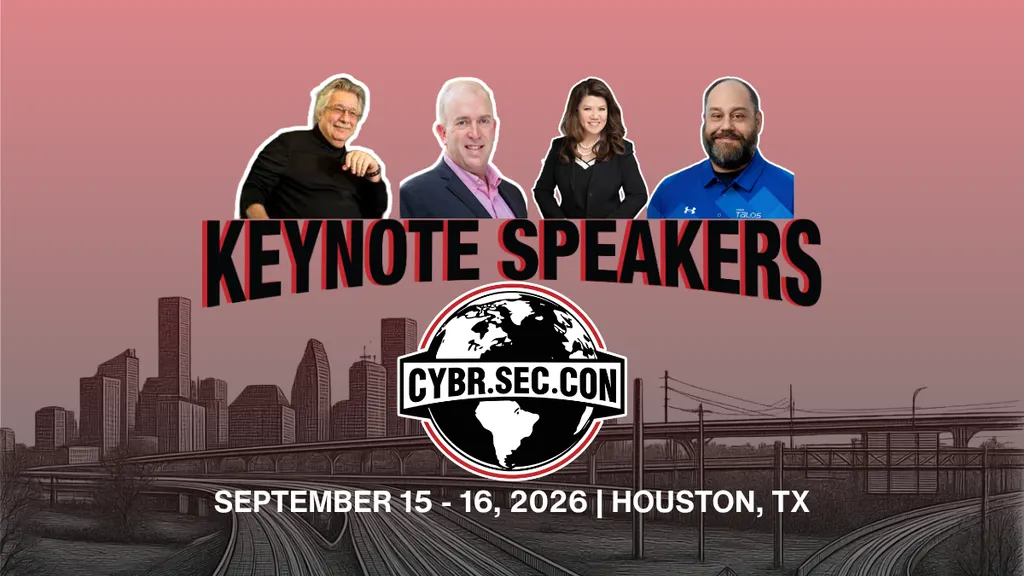
CYBR.SEC.CON. 2026 Keynotes Tackle AI, Cyberwar and Burnout
CYBR.SEC.CON. 2026 keynotes from Winn Schwartau, Andy Ellis, Ann Delenela and Joe Marshall will tackle AI, cyberwar, critical infrastructure, leadership and burnout.

AI Attacks Push 88% of Orgs to Boost Offensive Security Spending
Omdia research finds AI-powered attacks and faster vulnerability exploitation are driving enterprises toward continuous offensive security, agentic AI and increased security spending.
One Month to CYBR.SEC.CON. 2026: 16 Years in the Making
CYBR.SEC.CON. 2026 is one month away, bringing 3,000+ cybersecurity professionals to Houston for two days of hacking, AI, OT security, leadership, learning and community.
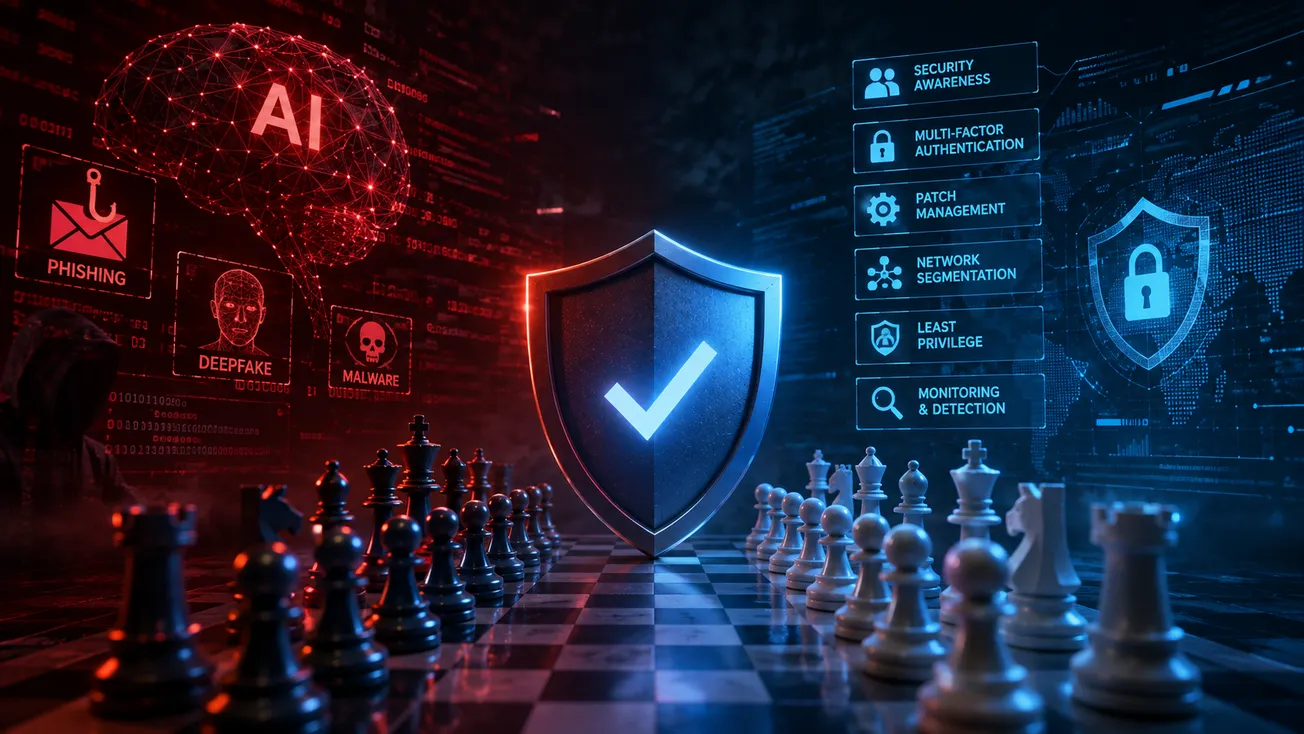
AI Arms Both Sides. Defenders Win on Fundamentals, Not Firepower
While the panel cited threat intelligence and management, autonomous pen testing and code reviews, SOC automation, and much more, when they asked how they were countering AI-generated phishing and deepfakes, they leaned heavily into the security essentials.