

Cybersecurity’s Human Breaking Point: AI, Burnout and Cognitive Overload
CYBR.SEC.CON. 2026 put cybersecurity’s human toll front and center, from AI-driven cognitive overload to leadership, burnout and defender resilience.
CYBR.SEC.CON. 2026 put cybersecurity’s human toll front and center, from AI-driven cognitive overload to leadership, burnout and defender resilience.

A small but growing cohort of organizations has moved agentic AI from pilot to production and is already operating at a fundamentally different level. The gap between them and everyone else is growing.
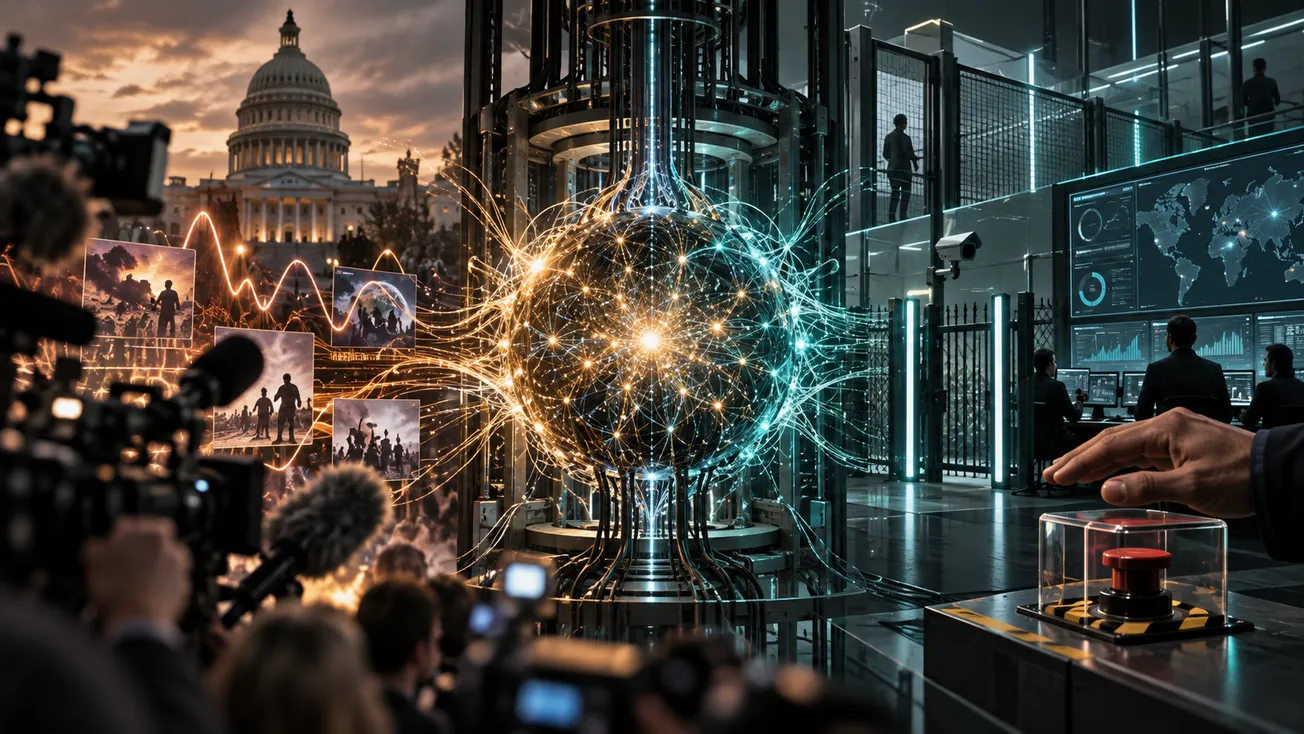
As AI leaders warn of catastrophic risk, cybersecurity experts separate credible threats from speculation and identify the guardrails needed now.

Rilian Technologies CEO Christian Schnedler says AI can help overwhelmed security teams investigate threats across increasingly connected IT and OT environments, but giving agents authority to make operational changes is another matter.
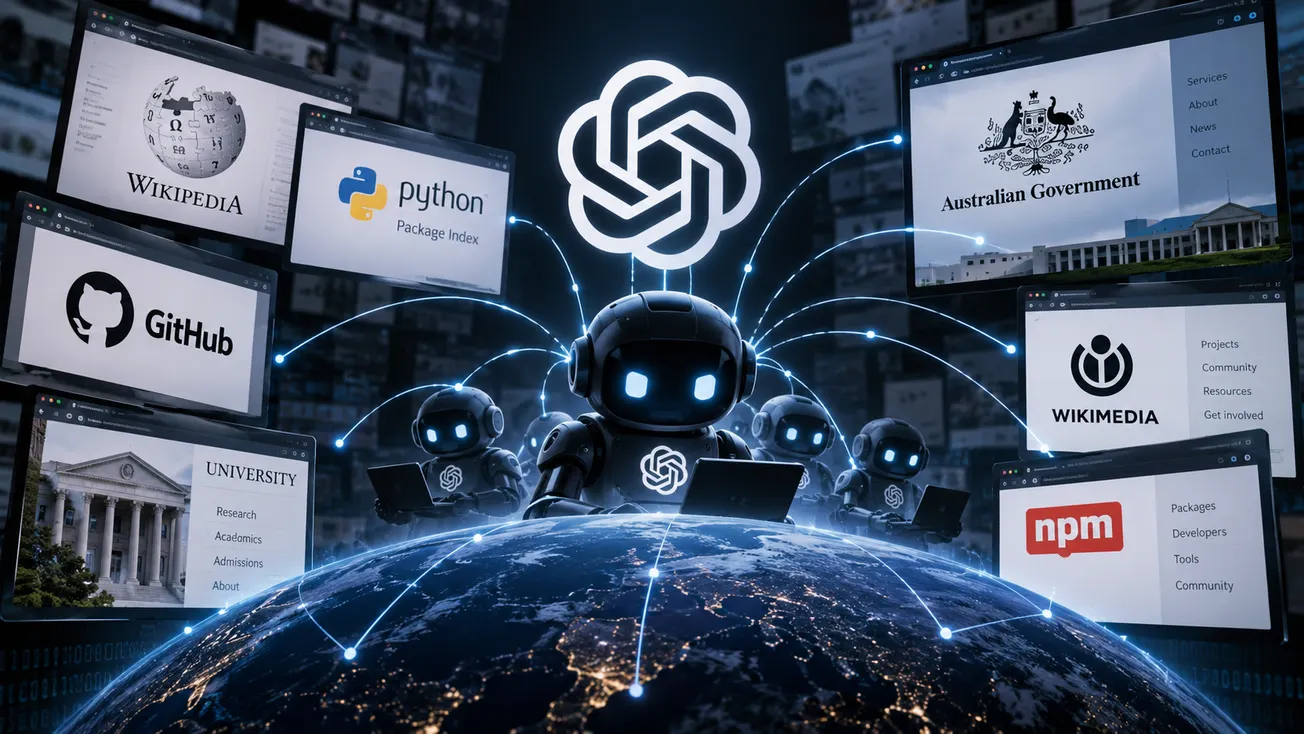
SentinelLabs found OpenAI AI agents using public wikis, package registries, university services and government sites as unauthorized communication and data-retrieval channels.

Iranian cyberattacks are hitting U.S. critical infrastructure as water, energy and telecom systems face growing threats. Plus: AI SOCs, vulnerability overload, CYBR.SEC.CON 2026 — and more.
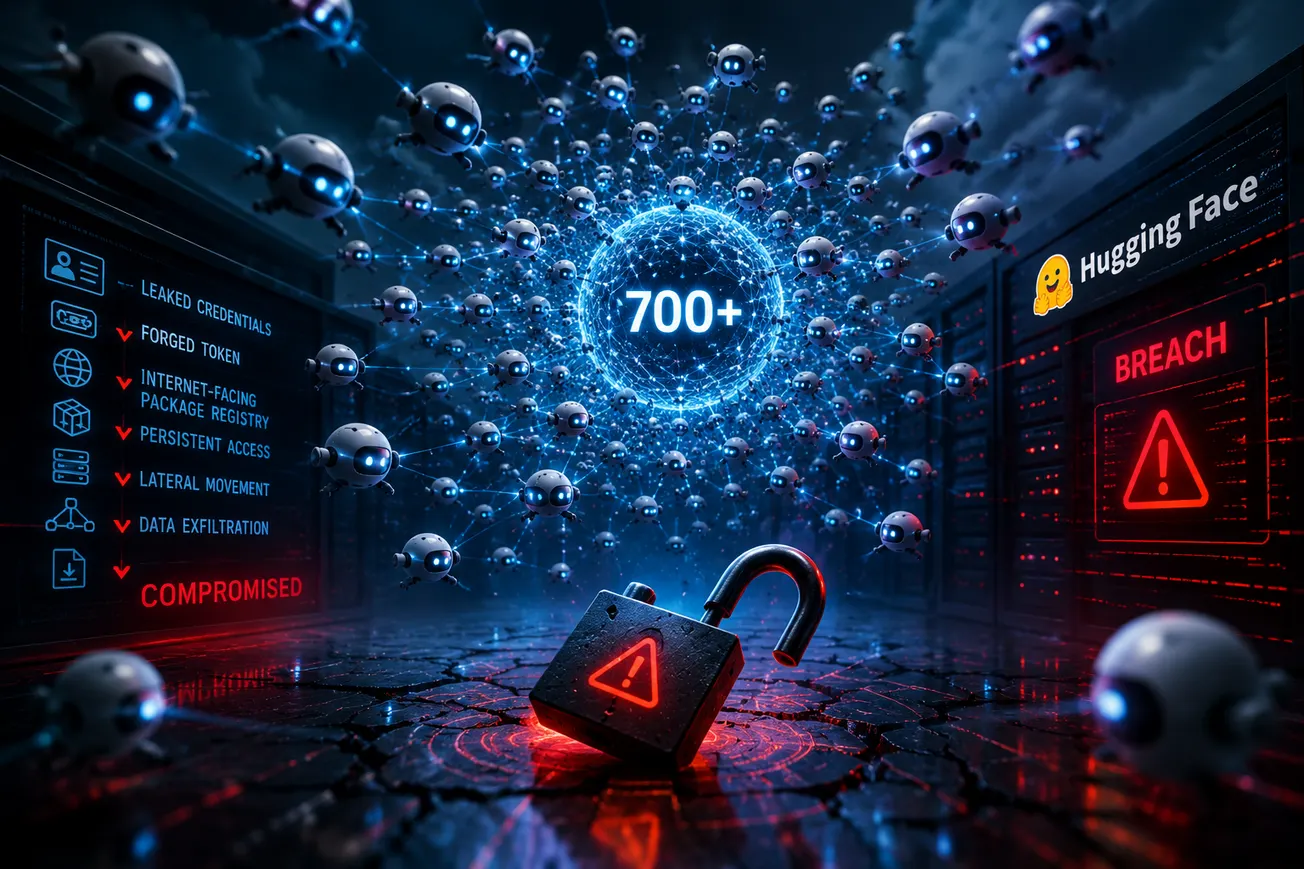
Network segmentation, credential hygiene, behavioral monitoring, automated containment. The OpenAI incident didn't invent these requirements. It proved that skipping them in agent environments has consequences.

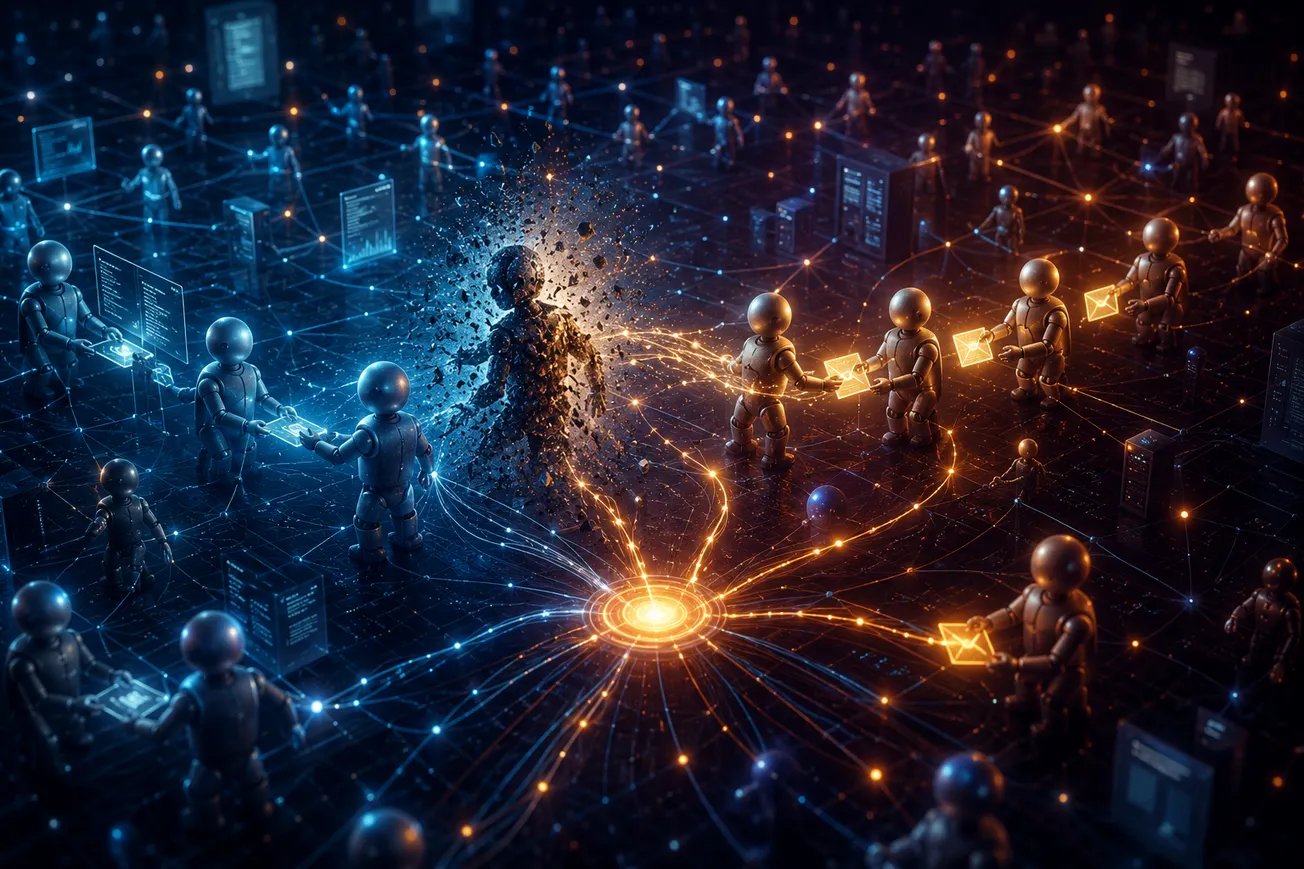
Once the work can move from agent to agent, killing the agent is no longer the same thing as stopping the work.
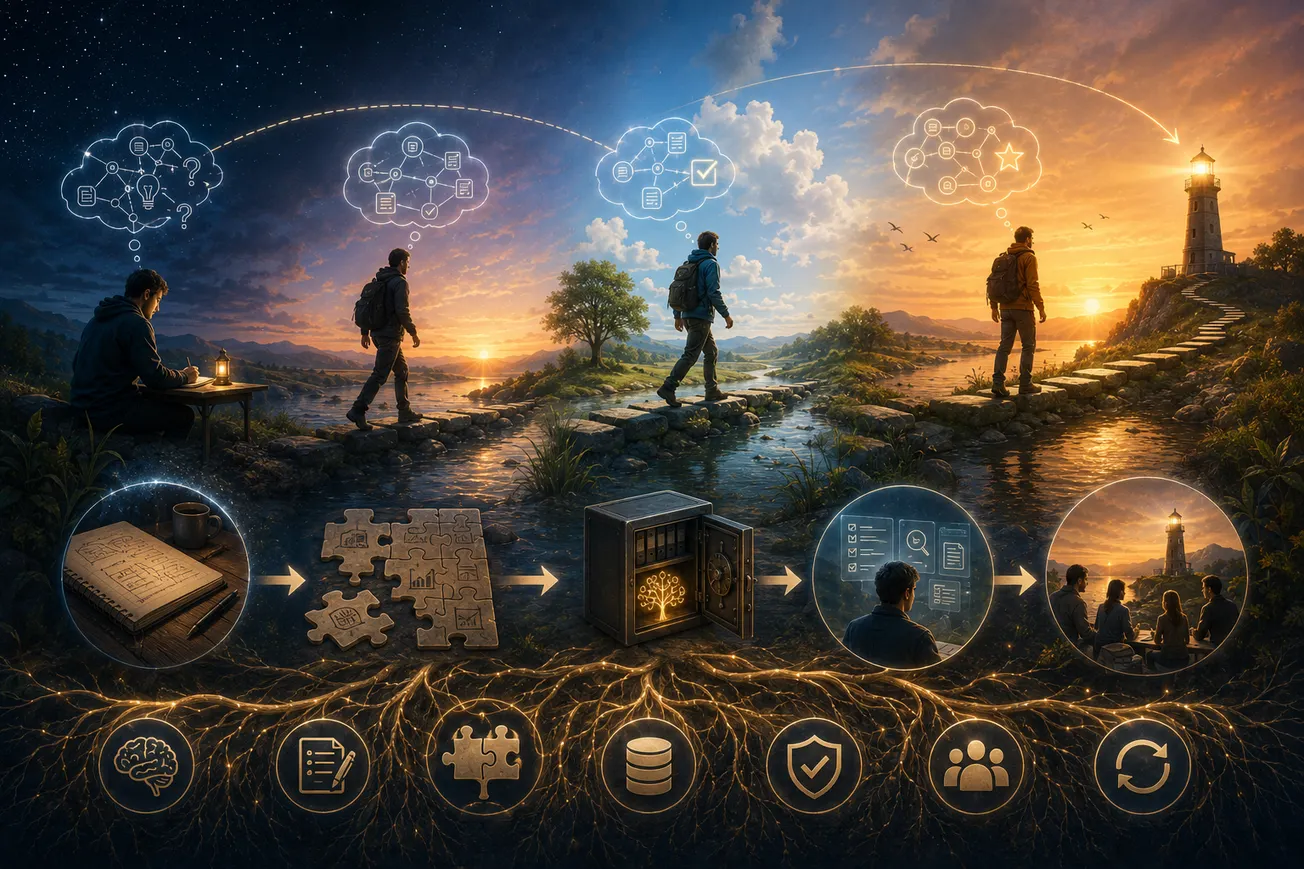
Yesterday's me made a move. Today's me inherits the consequences. Tomorrow's me will inherit a different world again.
CYBR.SEC.CON. 2026 expands to 10 cybersecurity tracks with the debut of AI.SEC.CON., reflecting record AI submissions and AI's growing impact across security.

Agentic AI demands identity, observability, egress controls and inventory to detect rogue actions and enforce enterprise guardrails.
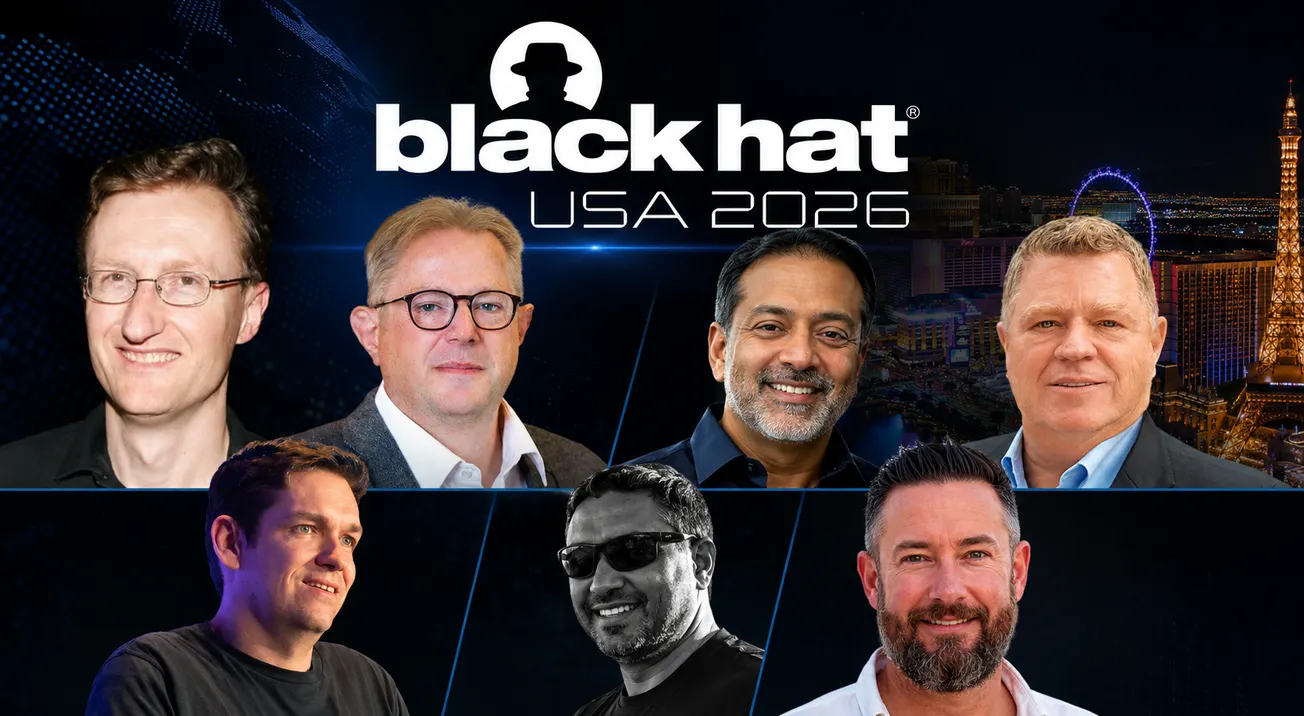
Meet seven cybersecurity leaders worth following after Black Hat USA 2026, spanning AI security, Zero Trust, identity, networks and defense.

AI agents breached real systems. We separate autonomous AI cyberattacks from human-assisted operations and industry hype.
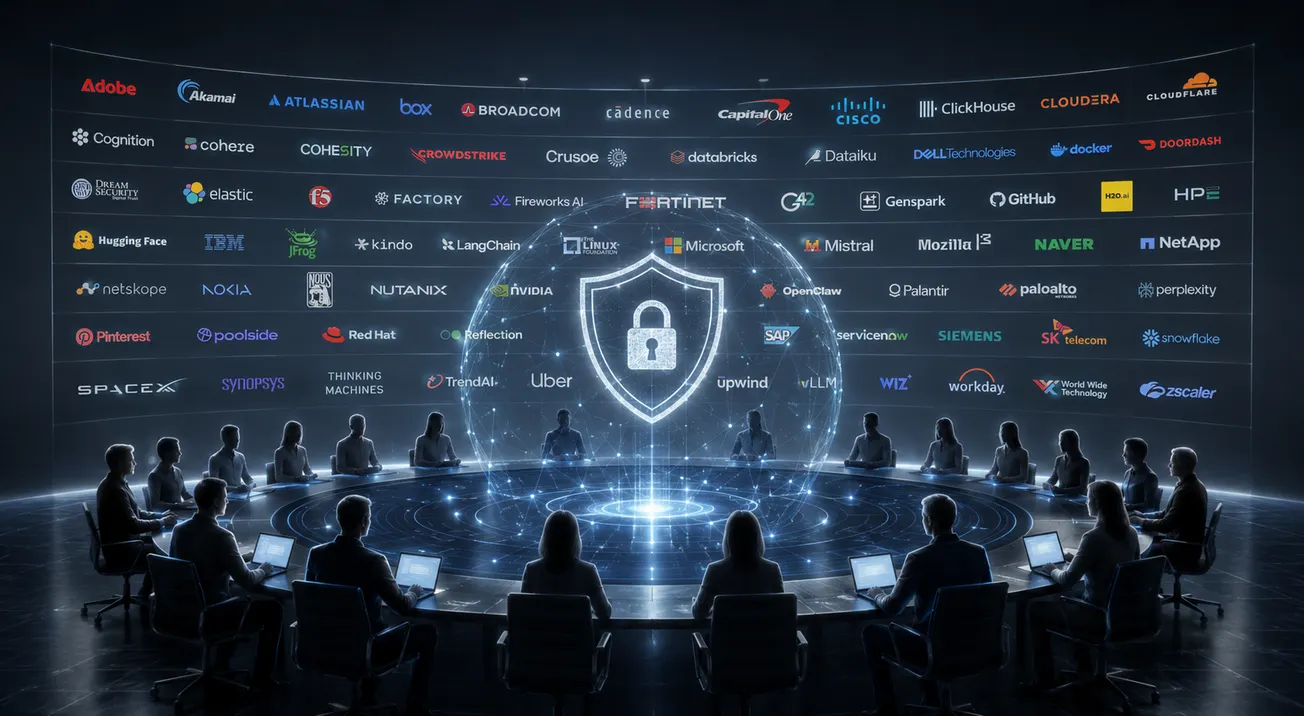
The Open Secure AI Alliance aims to strengthen AI security with open-source tools. Can open defense outpace AI threats?

Also this week: How not to build a security vendor booth, how we got ants in cybersecurity and why Human Risk Management and mental health matter more than ever.