

The AI Apocalypse Can Wait: What [un]prompted II Revealed About Cybersecurity's Future
Leading security researchers confronted AI-driven disruption at [un]prompted II, finding reasons for optimism amid the threats to hacking careers.
Leading security researchers confronted AI-driven disruption at [un]prompted II, finding reasons for optimism amid the threats to hacking careers.
This week: All the news from [un]prompted II, flaws emerge in 7 AI platforms, and help comes to besieged rural hospitals.

A pharmaceutical company discovered 35 unauthorized AI tools despite having a formal approval process. At [un]prompted II, two former CISOs revealed how a redesign quadrupled AI requests and slashed approval times.

At [un]prompted II, Gadi Evron explored AI agents that detect vulnerabilities, patch live software and verify code before deployment.

At [un]prompted II, Gadi Evron reflects on AI replacing hacker skills, cybersecurity jobs and why the hacking profession must reinvent itself.

At [un]prompted II, Radware researchers reveal how hidden prompt injections found in a scan of 86 million GitHub items can manipulate AI coding agents, redirect workflows and threaten sensitive data.
Microsoft FORGE Lab's AI agents helped find 140 Windows CVEs. At [un]prompted II, Taesoo Kim explains why fixing bugs is the bigger challenge.

Google DeepMind's Elie Bursztein presents Capsem at [un]prompted II, using hardware isolation to secure AI agents without sacrificing speed.

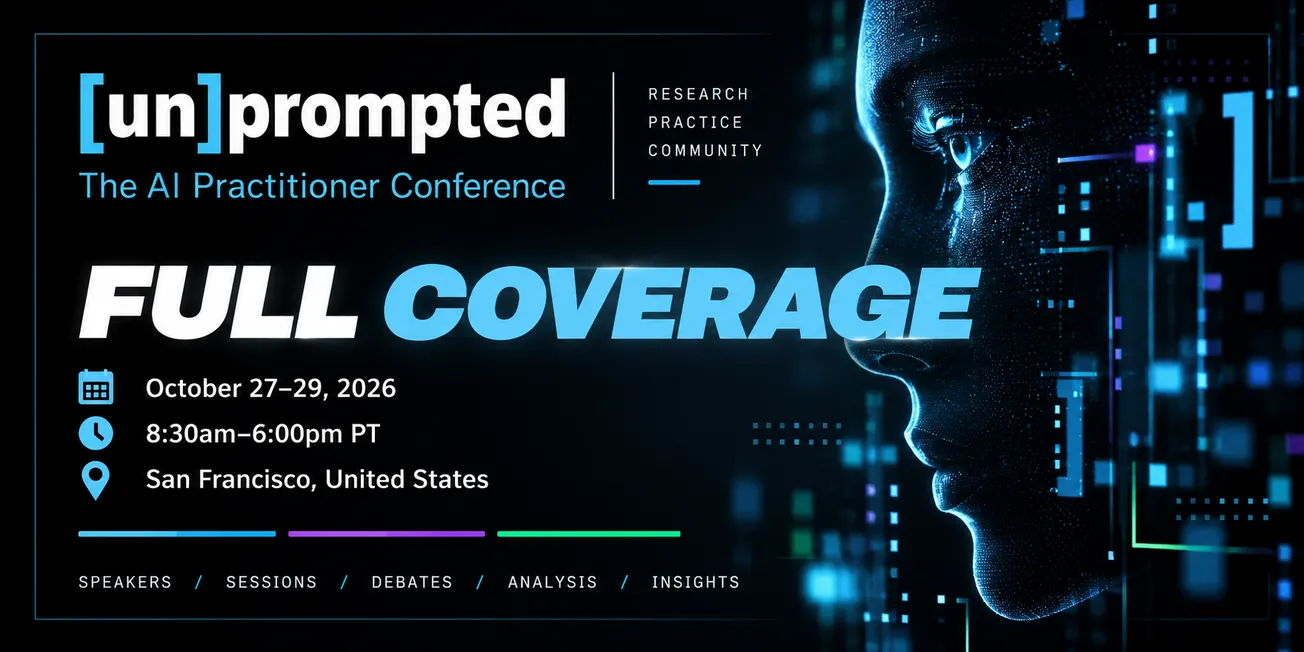
CYBR.SEC.Media's full coverage of [un]prompted II 2026: AI agent security research, expert talks, debates and analysis from San Francisco, October 27–29.

A review of submissions during the CFP found 71% of 490 conference submissions focused on AI agents, exposing gaps in production defenses, vulnerability remediation and threat intelligence.