
This post continues our focus on Mental Health Awareness Month. Here's some content we've published since the start of the month:
 Bill Brenner
 Bill Brenner
The rest of this post is dedicated to content from other blogs that have been important to me as I have delved deeper into the topic. They are not new, but I consider them foundational pieces that every cybersecurity professional should read and bookmark – especially those who lead security teams.
More security leaders and practitioners are finally recognizing that mental health, burnout prevention, and human sustainability are directly tied to cybersecurity resilience.
For years, the industry normalized chronic stress, alert fatigue, hypervigilance, sleep deprivation, and emotional exhaustion as simply “part of the job.” But as cybersecurity burnout continues to impact retention, incident response, SOC operations, and overall security effectiveness, the conversation is evolving.
These five cybersecurity mental health articles and discussions are not new, but they’ve become foundational reads for understanding how the industry got here and why the human side of cybersecurity can no longer be ignored:
Matt Johansen — “The Hidden Battle: Mental Health in Cybersecurity”
One of the more honest write-ups on cybersecurity burnout and emotional fatigue from a practitioner perspective. Matt Johansen explores the nonstop cognitive load security professionals face, including stress, isolation, and the pressure of defending systems in an industry that never slows down:
 Matt Johansen
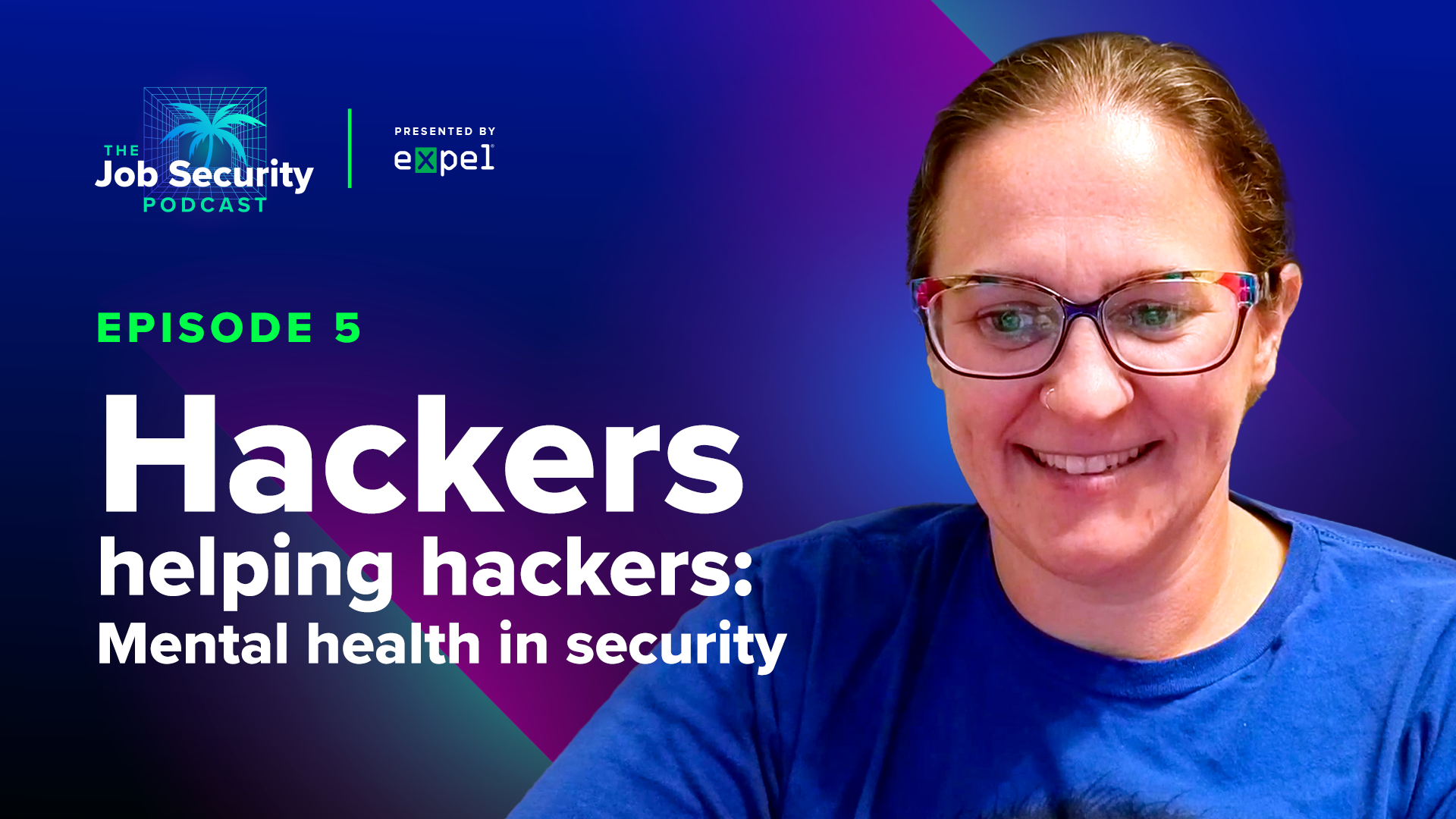
Expel Podcast featuring Amanda Berlin — “Mental Health in Cybersecurity”
Amanda Berlin discusses the origins of Mental Health Hackers and why peer support became so important within the cybersecurity community. The conversation explores depression, anxiety, imposter syndrome, and the importance of making mental health conversations more visible across the industry:

Hack The Box — “How Security Leaders Can Protect Their Teams From Burnout”
This piece focuses on cybersecurity leadership, workforce sustainability, and operational tempo. Instead of placing all responsibility on individual practitioners, it argues that burnout prevention requires better staffing, workload management, training, and healthier security team culture.
 Mags22
CyberSN — “Solutions to Combat Cybersecurity Burnout”
A strong look at cybersecurity workforce burnout, particularly after major incidents and breaches. The article argues that organizations need real recovery processes and support systems instead of expecting security professionals to absorb constant operational pressure indefinitely:
 Juliana Florio
Mind Over Cyber — “Extending Resilience: Reducing Stress and Burnout for Cybersecurity Teams”
George Kamide explores how cybersecurity culture itself contributes to burnout and argues for a shift away from “grind” mentality toward sustainable resilience. The piece focuses on boundaries, mandatory time off, mindfulness, and building psychologically healthier security teams:
The common thread across all five: Cybersecurity resilience is not just about tools, detections, architecture, vulnerability management, or incident response speed.
It’s also about whether the humans defending everything can sustainably continue doing the work.

More on Mental Health in Cybersecurity:
 Bill Brenner
 , and CYBR.SEC.Media
 Bill Brenner