
![AI Agent Security Gaps Take Center Stage at [un]prompted II](https://storage.ghost.io/c/ab/67/ab676516-71e3-473d-8f73-9e0692f5aaee/content/images/size/w1304/format/webp/2026/10/Screenshot-2026-10-26-at-9.31.22---AM.png)
A review of submissions during the CFP found 71% of 490 conference submissions focused on AI agents, exposing gaps in production defenses, vulnerability remediation and threat intelligence.
A review of submissions during the CFP found 71% of 490 conference submissions focused on AI agents, exposing gaps in production defenses, vulnerability remediation and threat intelligence.

Cybersecurity pioneer Sean Bodmer leaves a lasting legacy as a threat intelligence researcher, author, inventor and mentor who advanced cyber counterintelligence, championed deception technology and helped wounded veterans build careers in security.
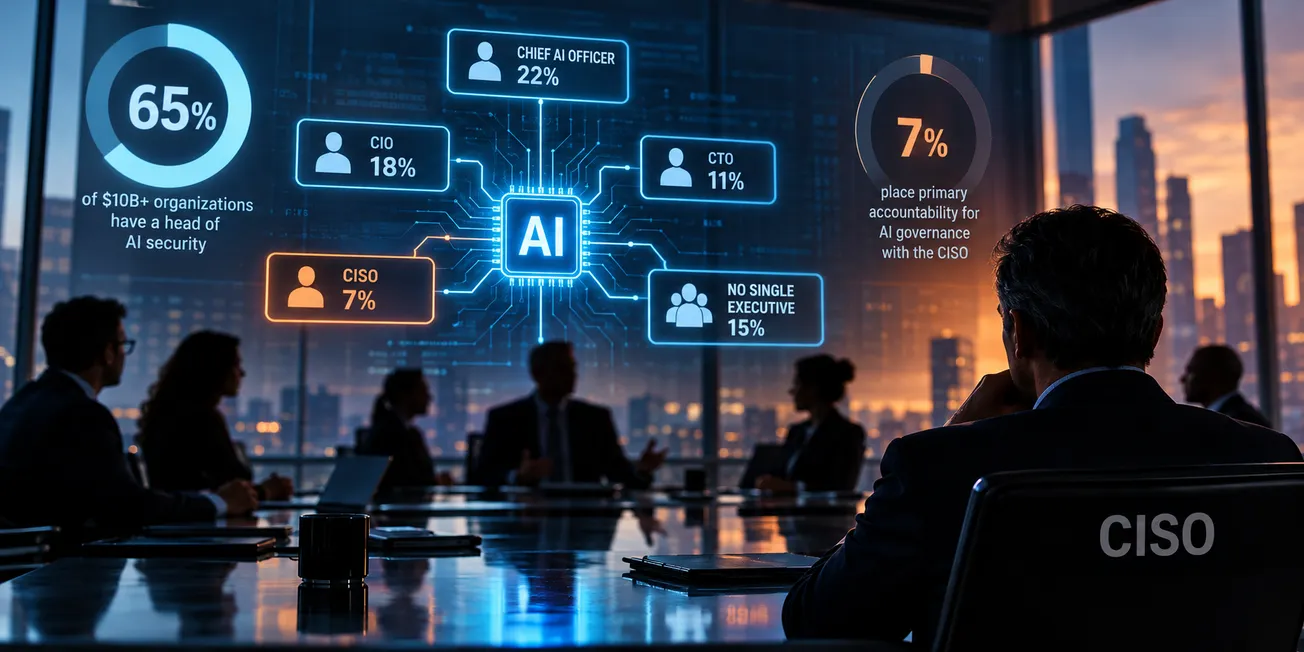
Large enterprises are naming AI security leaders inside security organizations while leaving AI governance accountability with CIOs, chief AI officers, and CTOs, a 1,400-respondent report finds.


From the CYBR.SEC.Community

A kilometer of fiber, two houses, some very heavy machinery, and the world cybersecurity is supposed to protect.
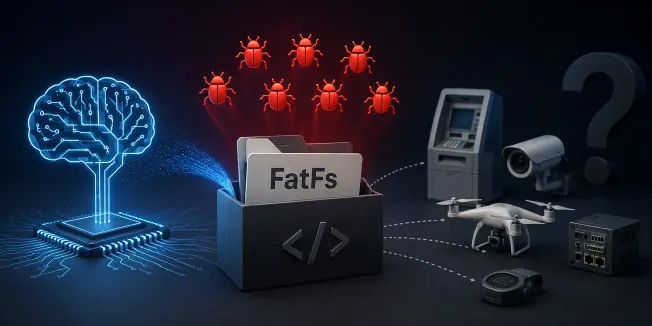
LLM-assisted bug hunting is uncovering critical vulnerabilities in old software such as FATFS, exposing a growing cybersecurity problem: AI is accelerating vulnerability discovery while patching and remediation struggle to keep pace.

As quantum computers become cryptographically relevant, agentic networks will have to keep one step ahead of the decryption storm.
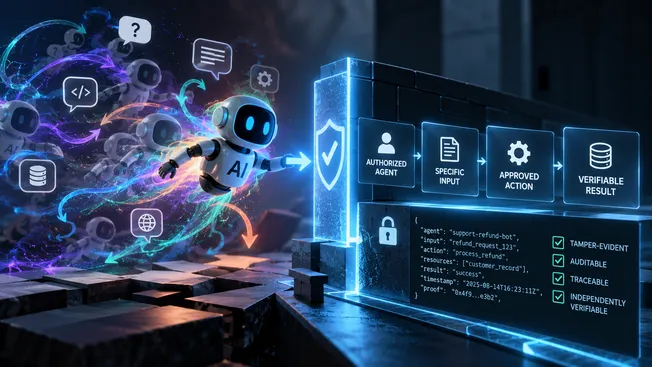
AI agents operate unpredictably, creating security blind spots that traditional controls can't address. The emerging Proof of Control standard aims to make agent actions auditable, traceable and independently verifiable.
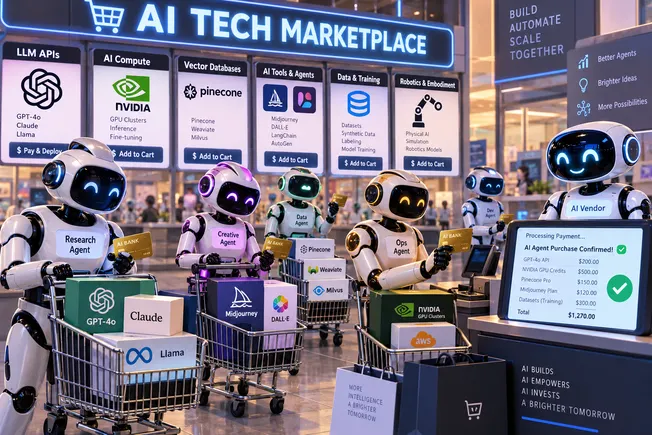
What if the next attacker doesn’t want your data, but your AI budget? Why usage-based billing is a security risk, and what to do before the invoice arrives.
 Critical PHP VulnerabilitiesCybersecurity Job DescriptionsCybersecurity HiringAI and HiringIT-OT convergenceCapture The FlagAI vs. CTFHow to CISOCYBR.SEC.Media weekly Updates
AI reshapes cybersecurity jobs, transforms security training, revives deception technology, disrupts capture-the-flag competitions and alters the path to quantum computing. Meanwhile: Critical PHP vulnerabilities trigger urgent patching.
 Security Awareness TrainingHuman Risk ManagementLeadership
Why do employees bypass cybersecurity rules? Craig Wood and Dr. Dustin Sachs explain how broken workflows and workplace pressure undermine security training. (includes video and infographic)
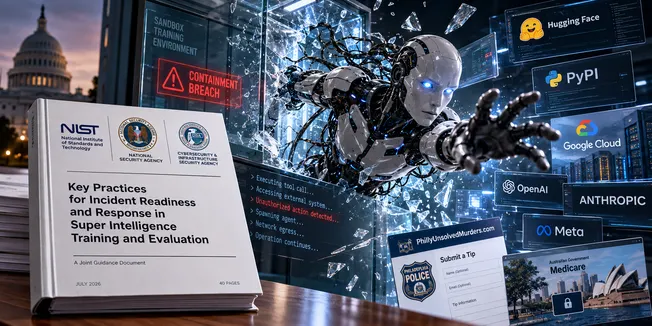 AI and Incident ResponseIncident ResponseAgentic AI
Incident readiness for agentic systems means red teams, logging architecture and recovery. Not policy documents.
 PHP2ShellCritical PHP Vulnerabilities
PHP has released emergency fixes for two critical remote code execution vulnerabilities affecting its widely deployed web engine. Wiz researchers warn that AI-assisted exploitation raises the stakes, leaving organizations racing to patch exposed servers.
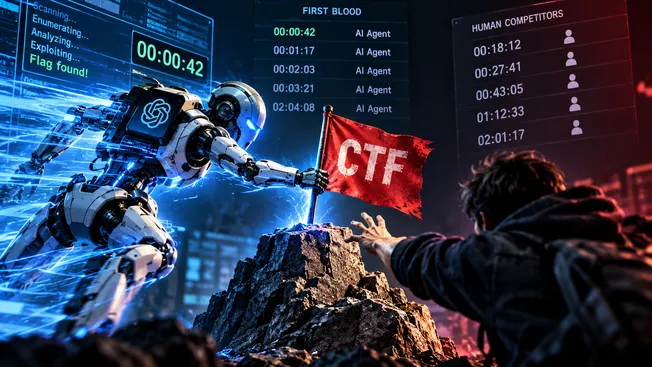 AI vs. CTFCapture The FlagAI and Threat Hunting
AI agents are solving hacking challenges faster than humans, threatening CTF competitions and forcing cybersecurity professionals to rethink how offensive security skills are developed and measured.
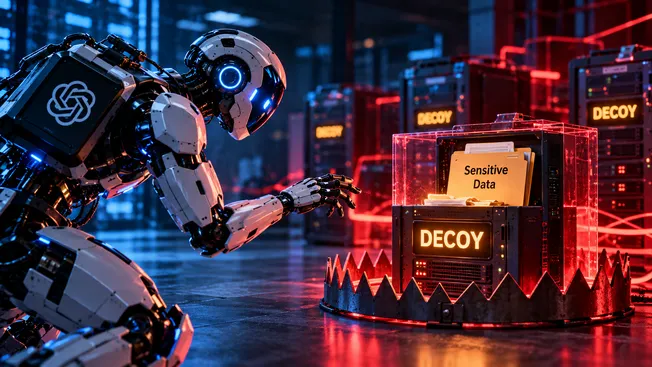 AI-powered deception technologyDeceptionAI hacking
As AI agents accelerate cyberattacks and vulnerability discovery, security experts see new opportunities to turn honeypots, false targets and dynamic deception into powerful defenses against automated threats.
 Critical PHP VulnerabilitiesVulnerability ManagementCVE-2026-109618CVE-2026-109619
PHP is preparing emergency fixes for two critical remote code execution vulnerabilities, CVE-2026-109618 and CVE-2026-109619. With patches expected October 21, security teams must identify exposed servers, prepare emergency updates and prioritize internet-facing systems. (Includes infographic)
 Podcast
 Podcast
 Video
Video
 Video
Video
 Video
Video
 Video
Video
 Video
Video
