
CYBR.SEC.CON. 2026 Videos: Watch Every Keynote and Presentation
Watch every CYBR.SEC.CON. 2026 keynote and presentation, with sessions covering AI, cybersecurity leadership, critical infrastructure, burnout, offensive security and more.
Watch every CYBR.SEC.CON. 2026 keynote and presentation, with sessions covering AI, cybersecurity leadership, critical infrastructure, burnout, offensive security and more.

Cybersecurity professionals cannot defend organizations indefinitely without real downtime. CYBR.SEC.Community co-founder and OT security veteran Sam Van Ryder says employers and practitioners share responsibility for making sure defenders actually disconnect.

Veteran CISO Kayla Williams tells CYBR.Minded that overloaded security teams create measurable cyber risk through slower escalation, weaker judgment and missed signals — and CISOs should start tracking the warning signs.

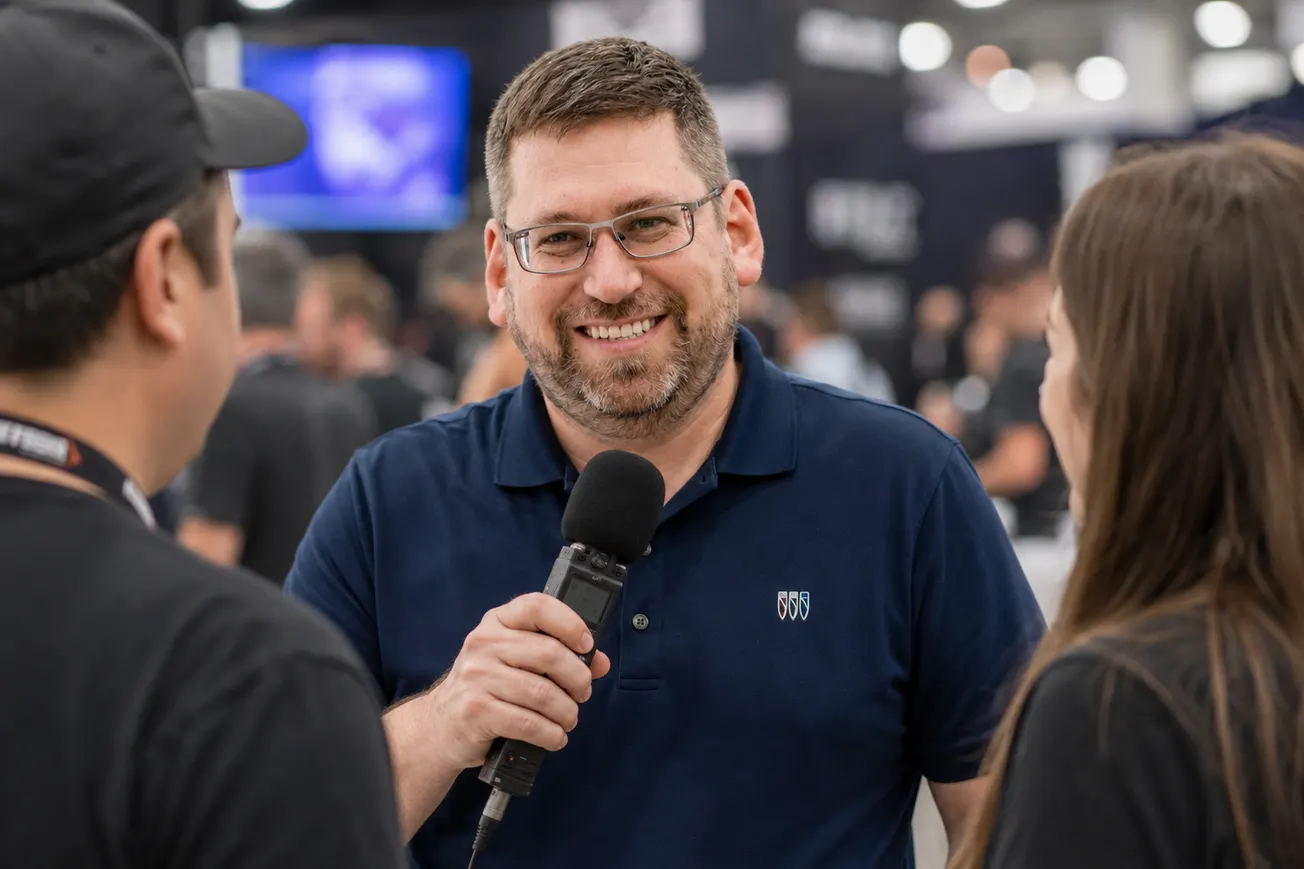
CYBR.Minded’s post-Hacker Summer Camp episode examines burnout, cognitive overload, AI and why human cybersecurity risk starts with how organizations design security.
Also this week: How not to build a security vendor booth, how we got ants in cybersecurity and why Human Risk Management and mental health matter more than ever.
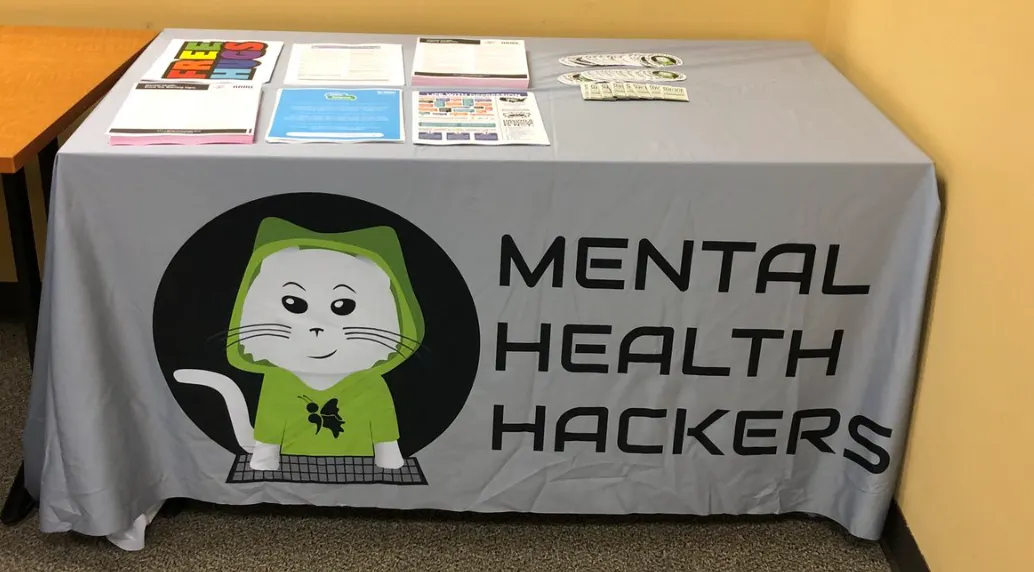
Amanda Berlin never set out to build a nonprofit. One keynote about depression, anxiety, and burnout sparked a movement that changed how the cybersecurity community talks about mental health.
Amanda Berlin discusses resilience, cybersecurity, and finding strength through life's unexpected twists and professional challenges.
Also this week: Trump's quantum EO tightens screws on PQC compliance, AI changes the email security game and continues to cause a CVE avalanche.
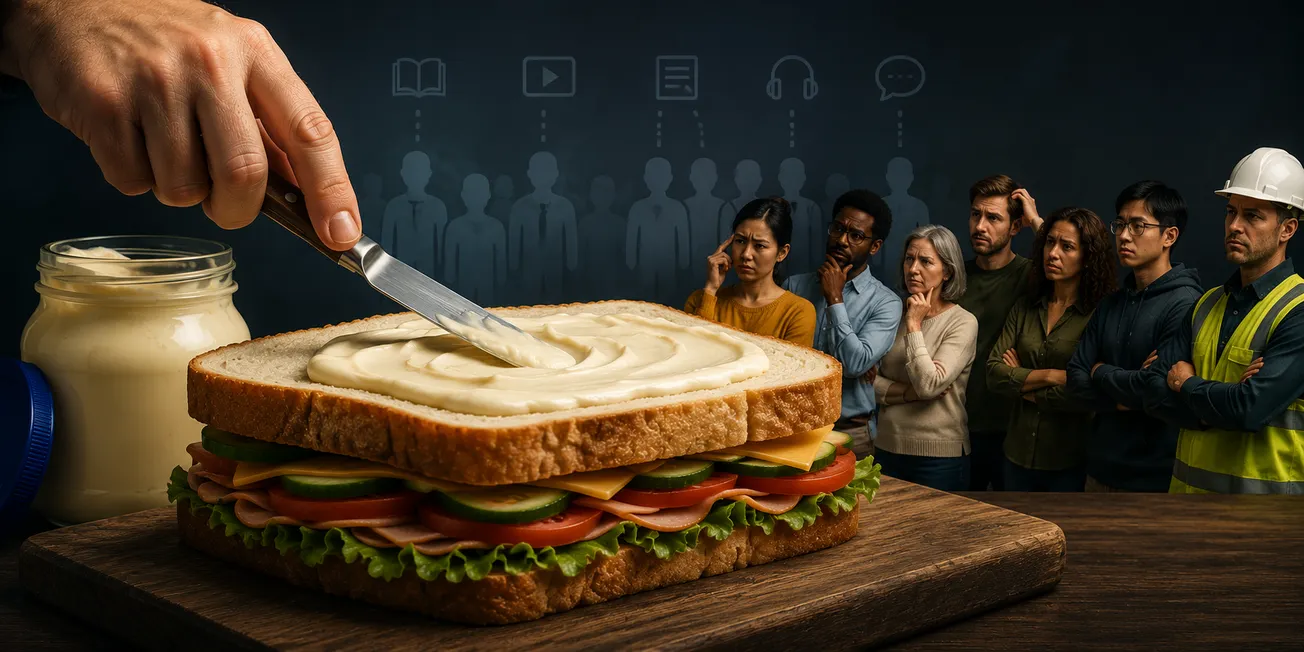
Security awareness training isn't stopping breaches. Learn why human behavior matters and what security teams should do next. (Includes infographic)
Dr. Dustin Sachs sits down with Dr. Calvin Nobles to explore why security awareness alone is insufficient when it comes to changing human behavior.
From our first episode of CYBR.Minded: Security teams are drowning in alerts, responsibility and impossible expectations. Until recently, the industry treated it as a personal problem instead of a systemic one.
Why mental health, overload, alert fatigue, and human resilience are cybersecurity issues.
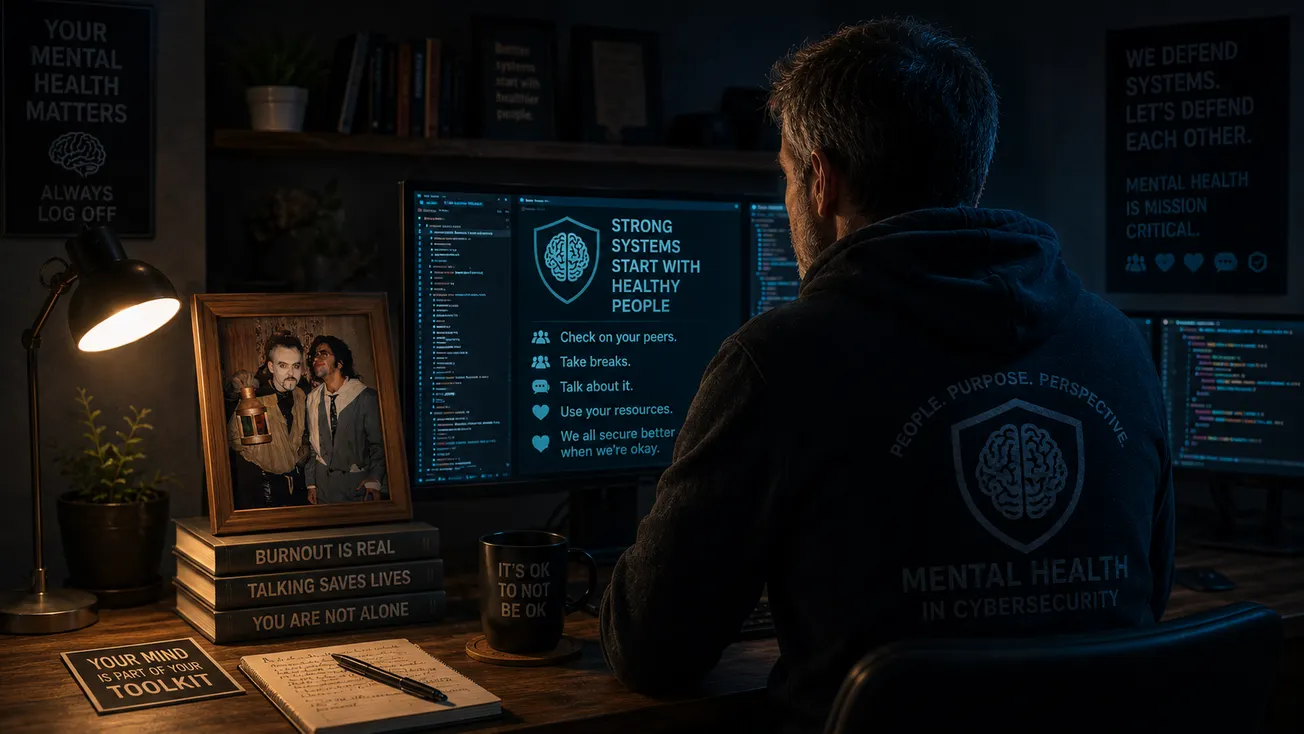
Thirty years after Sean Marley died, I realize that my focus on mental health in cybersecurity started with him. This is a belated thank you to him for helping me strive for something better. He wasn't a hacker. But he sure as hell was one of us.

Information overload, cognitive warfare, and nonstop digital noise are turning human attention into a vulnerable attack surface.

Here are several organizations and initiatives dedicated to mental health for security professionals.