
CYBR.SEC.CON. 2026 Videos: Watch Every Keynote and Presentation
Watch every CYBR.SEC.CON. 2026 keynote and presentation, with sessions covering AI, cybersecurity leadership, critical infrastructure, burnout, offensive security and more.
Watch every CYBR.SEC.CON. 2026 keynote and presentation, with sessions covering AI, cybersecurity leadership, critical infrastructure, burnout, offensive security and more.

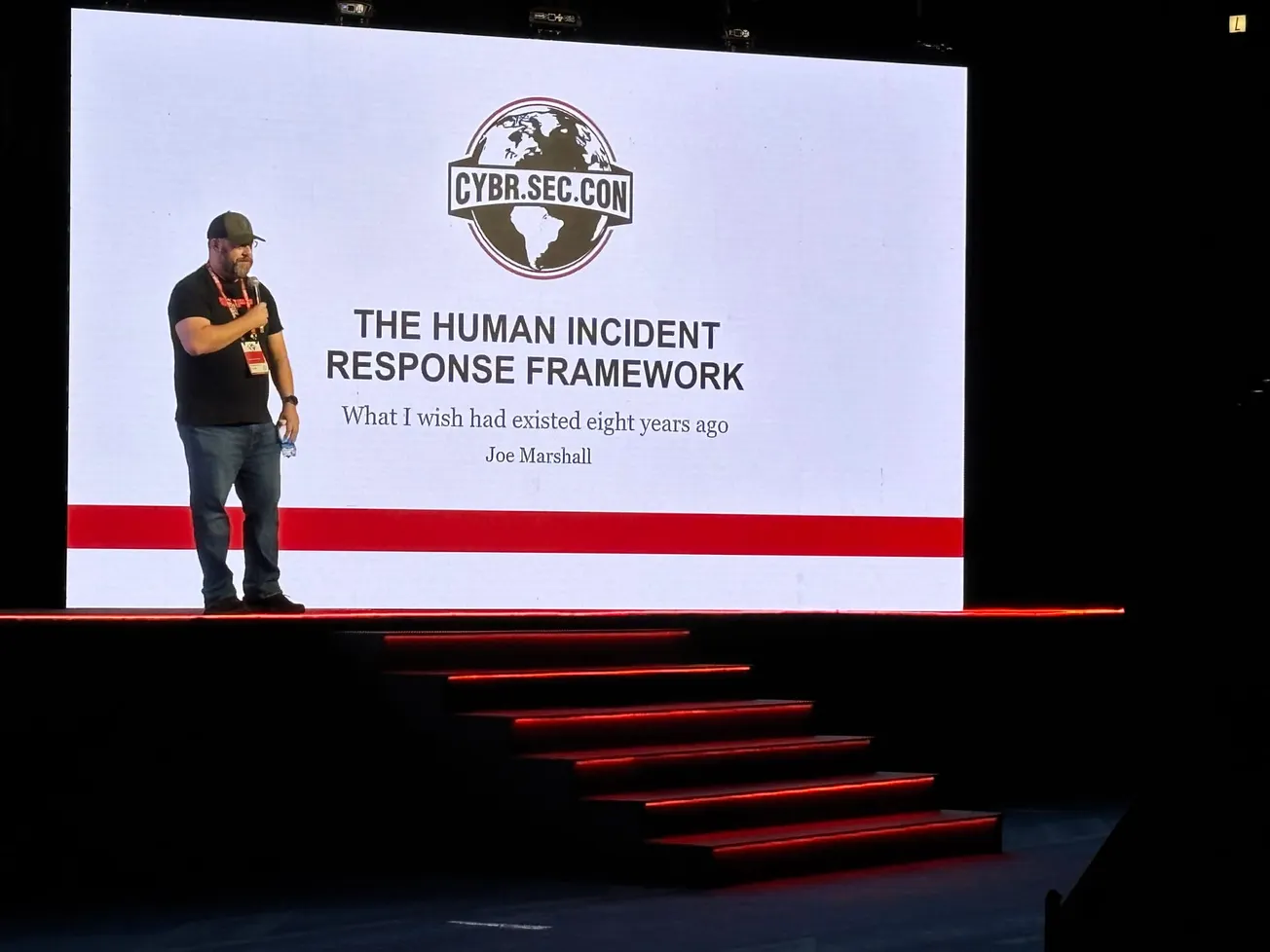
In his CYBR.SEC.CON. 2026 keynote, Joe Marshall introduces the Human Incident Response Framework, a practical playbook for recognizing cybersecurity burnout, secondary traumatic stress, vicarious trauma and moral injury — and responding before the human incident becomes a crisis.

Veteran CISO Kayla Williams tells CYBR.Minded that overloaded security teams create measurable cyber risk through slower escalation, weaker judgment and missed signals — and CISOs should start tracking the warning signs.

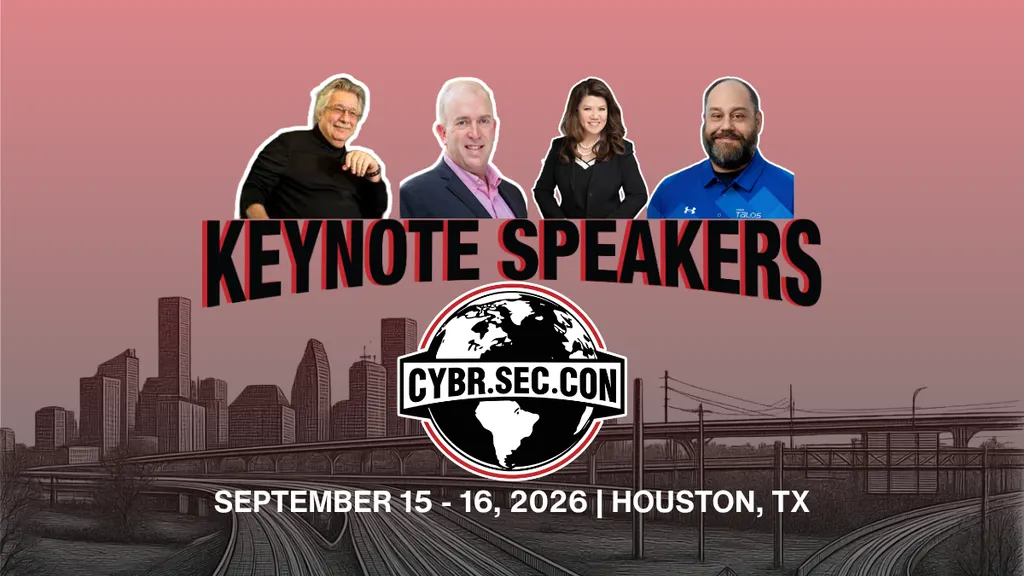
CYBR.SEC.CON. 2026 keynotes from Winn Schwartau, Andy Ellis, Ann Delenela and Joe Marshall will tackle AI, cyberwar, critical infrastructure, leadership and burnout.
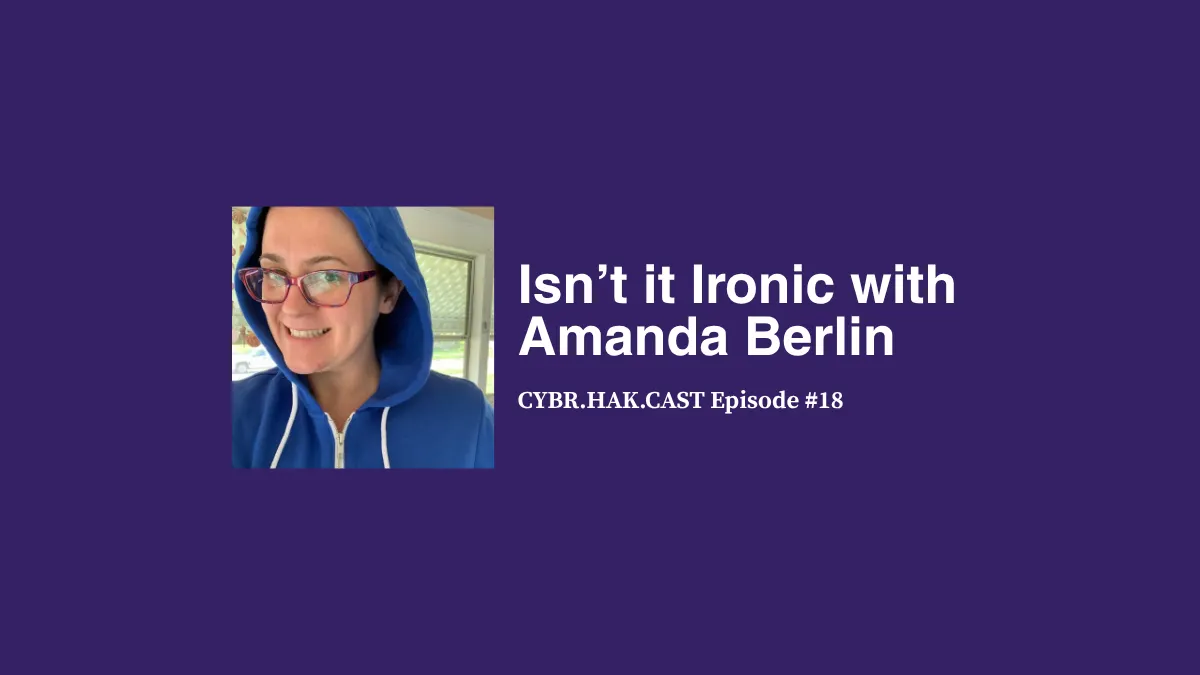
Amanda Berlin discusses resilience, cybersecurity, and finding strength through life's unexpected twists and professional challenges.
Also this week: Enough with dashboards that are all flash, no substance, two powerhouse CISOs launch new firm to tackle AI challenges, and AI agents accelerate non-human identity sprawl.

Deidre Diamond says burnout, not hiring, is cybersecurity's biggest workforce challenge. Learn what leaders should do next.
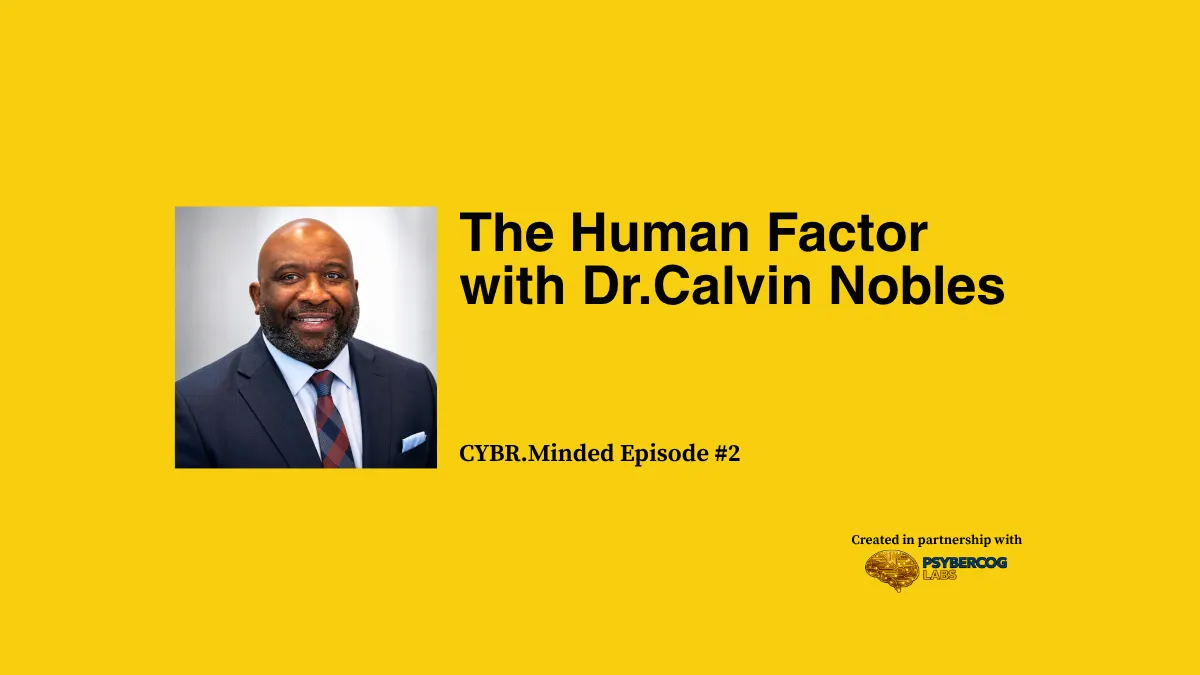
Dr. Dustin Sachs sits down with Dr. Calvin Nobles to explore why security awareness alone is insufficient when it comes to changing human behavior.

Discover five must-read cybersecurity articles, videos, and creators every security professional should follow this week.
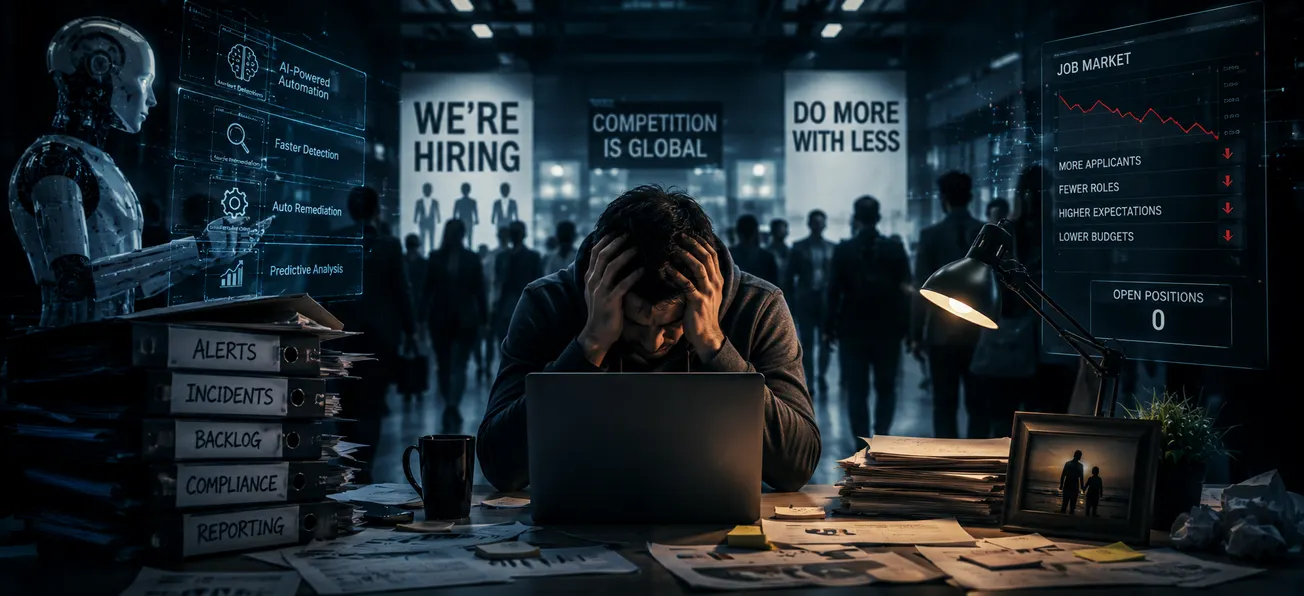
A new ISSA/Omdia study finds widespread AI adoption in cybersecurity, but security professionals say growing complexity, burnout, skills shortages, and business pressures are making the profession more challenging than ever.
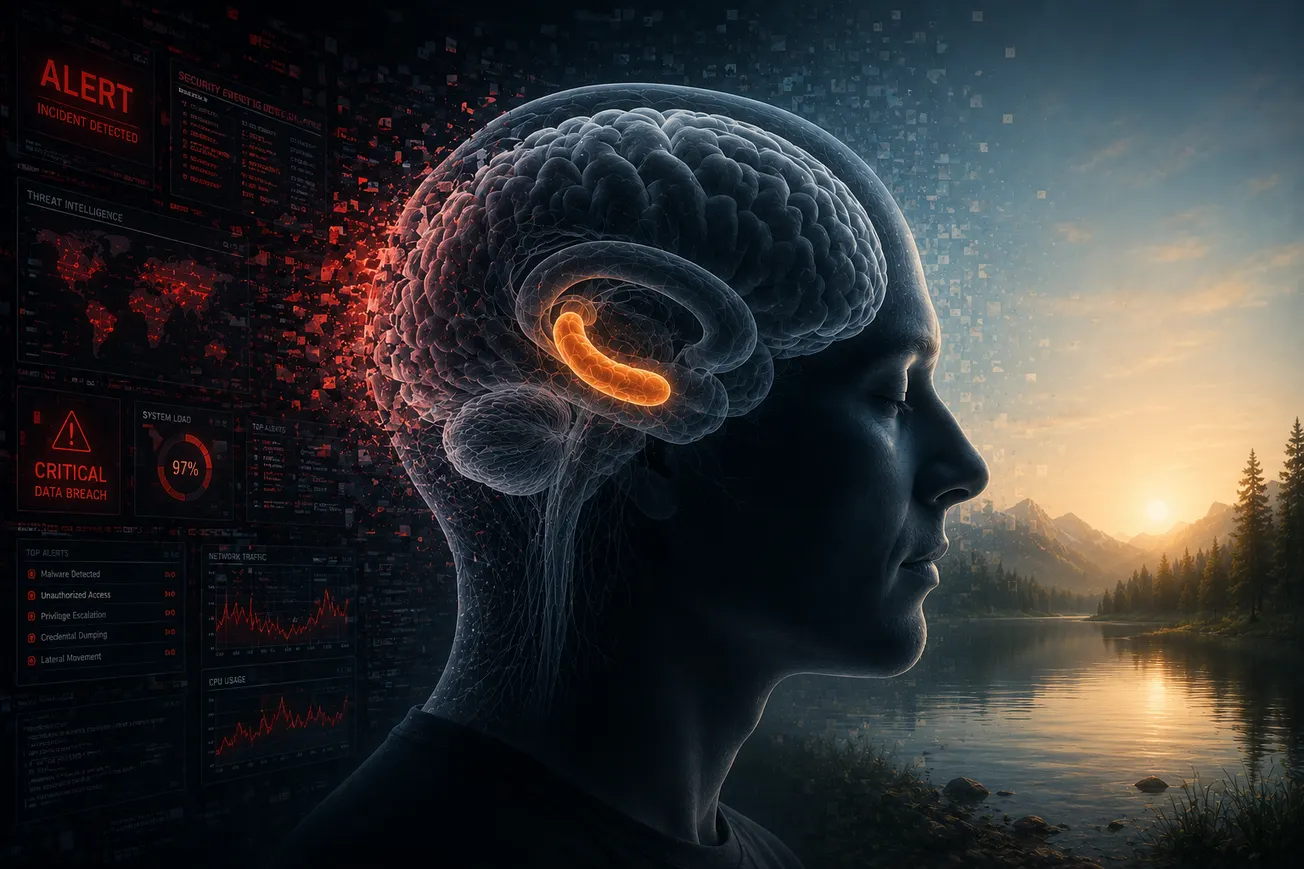
Here are several organizations and initiatives dedicated to mental health for security professionals.
Feeling the mental strain that is often part of working in cybersecurity? I'll admit that I am. But we're not alone, and we have allies to see us through. This post celebrates Mental Health Hackers. We will spotlight other great efforts in the community throughout the month.
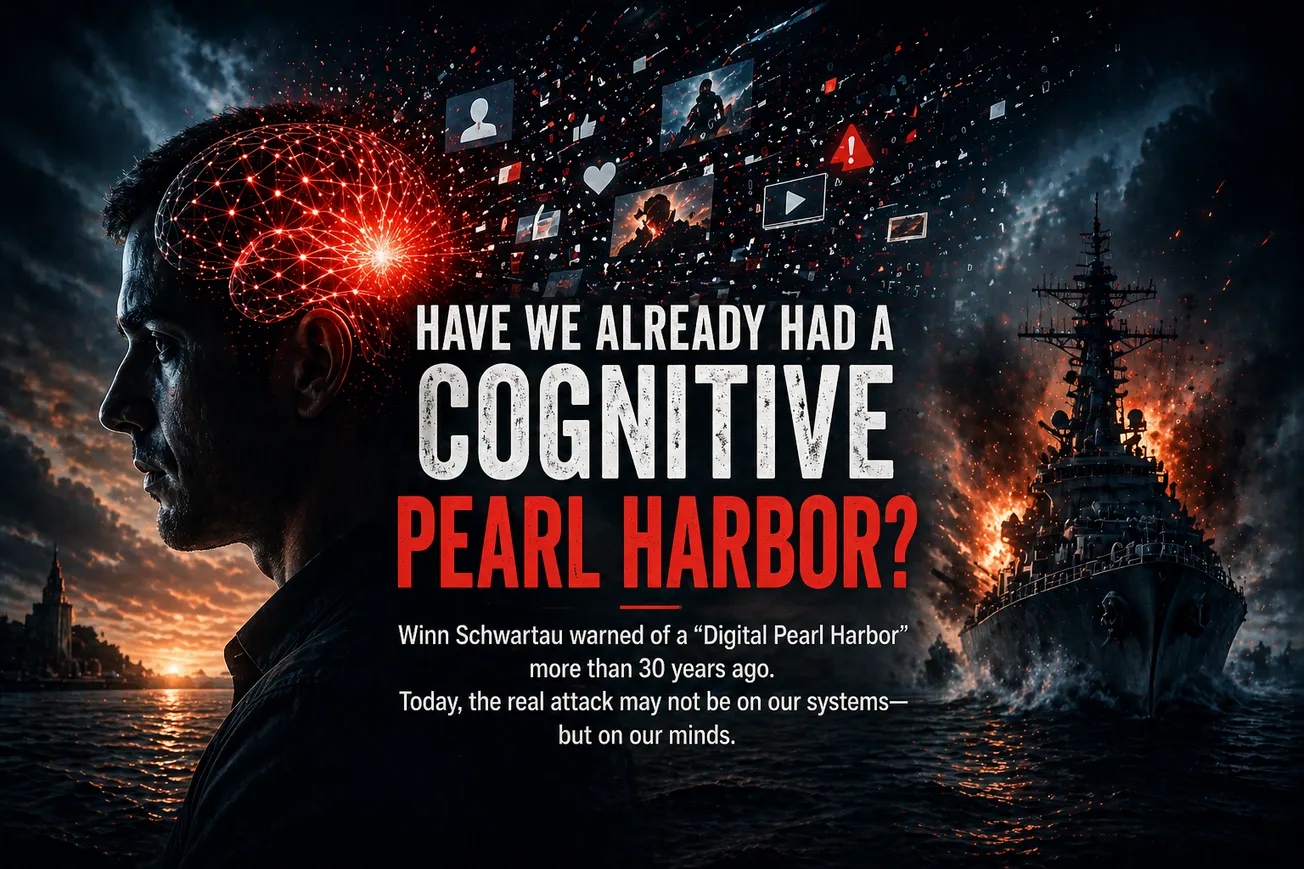
Winn Schwartau warned of a “Digital Pearl Harbor” decades ago and is now raising a more unsettling possibility: the real attack may already be underway, targeting human perception itself.
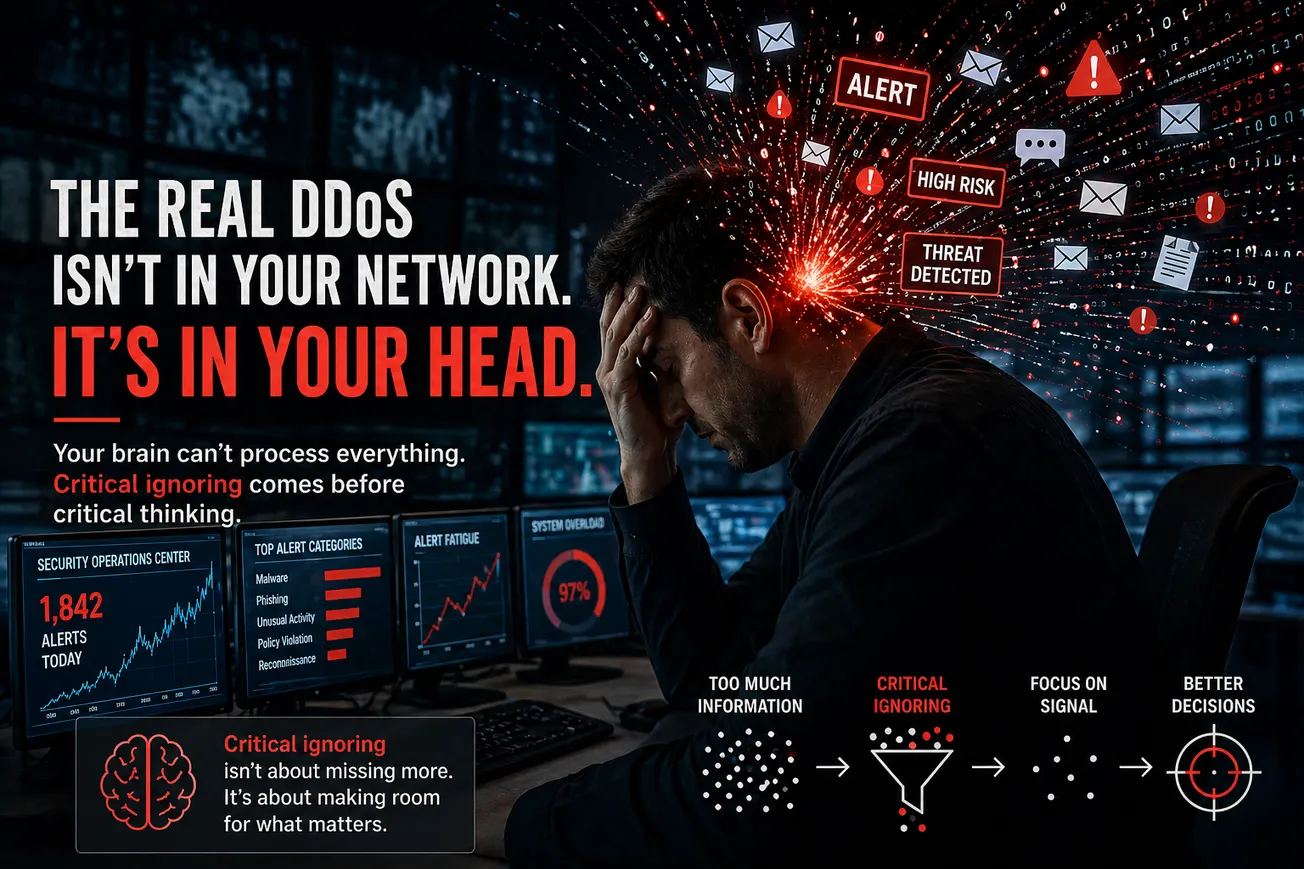
Security teams have spent years trying to reduce alert fatigue, but the real bottleneck isn’t tooling, but the human brain’s inability to process the volume of information being thrown at it.