CYBR.SEC.CON 2026: News, Speakers, Agenda and Coverage
Follow CYBR.SEC.CON 2026 in Houston with the latest news, speakers, keynotes, agenda, cybersecurity tracks, AI.SEC.CON highlights, interviews and event coverage.
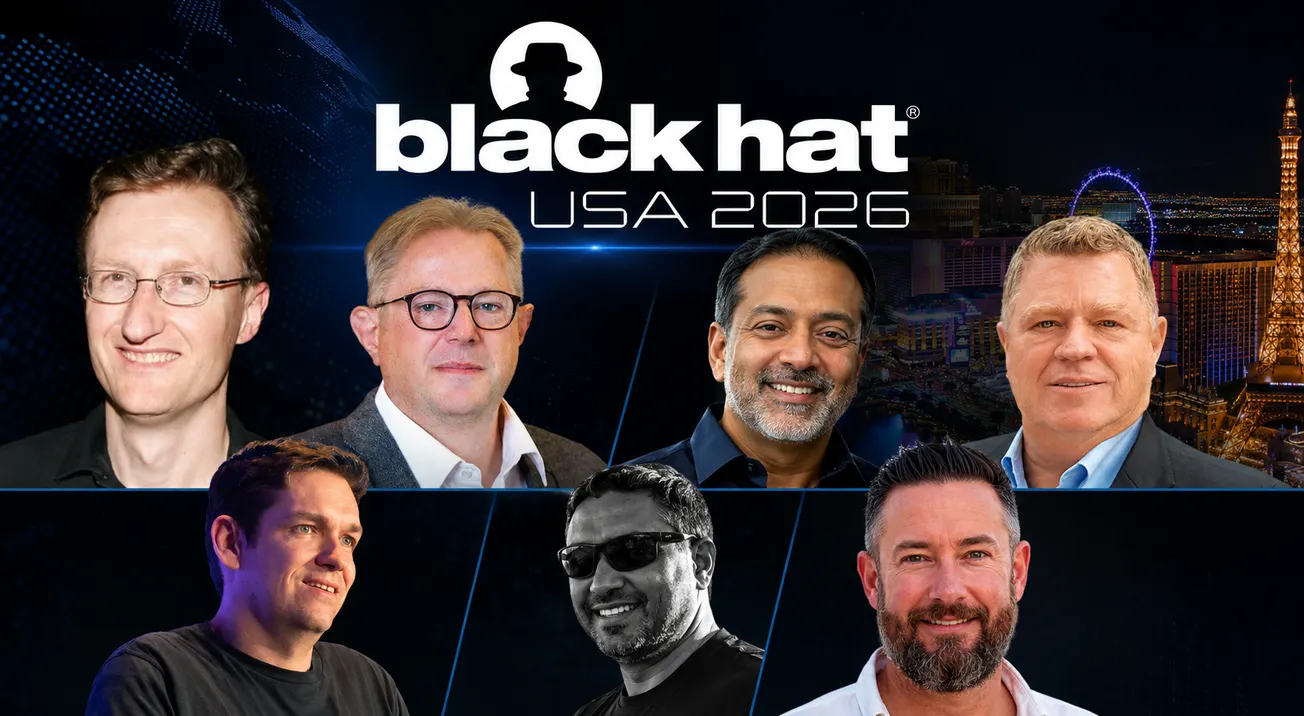
Meet seven cybersecurity leaders worth following after Black Hat USA 2026, spanning AI security, Zero Trust, identity, networks and defense.
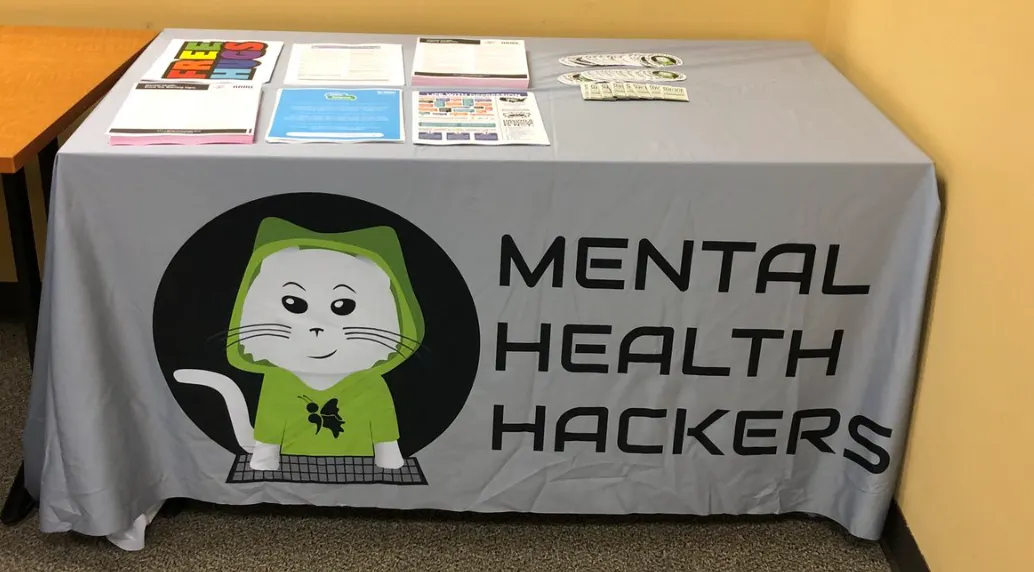
Amanda Berlin never set out to build a nonprofit. One keynote about depression, anxiety, and burnout sparked a movement that changed how the cybersecurity community talks about mental health.
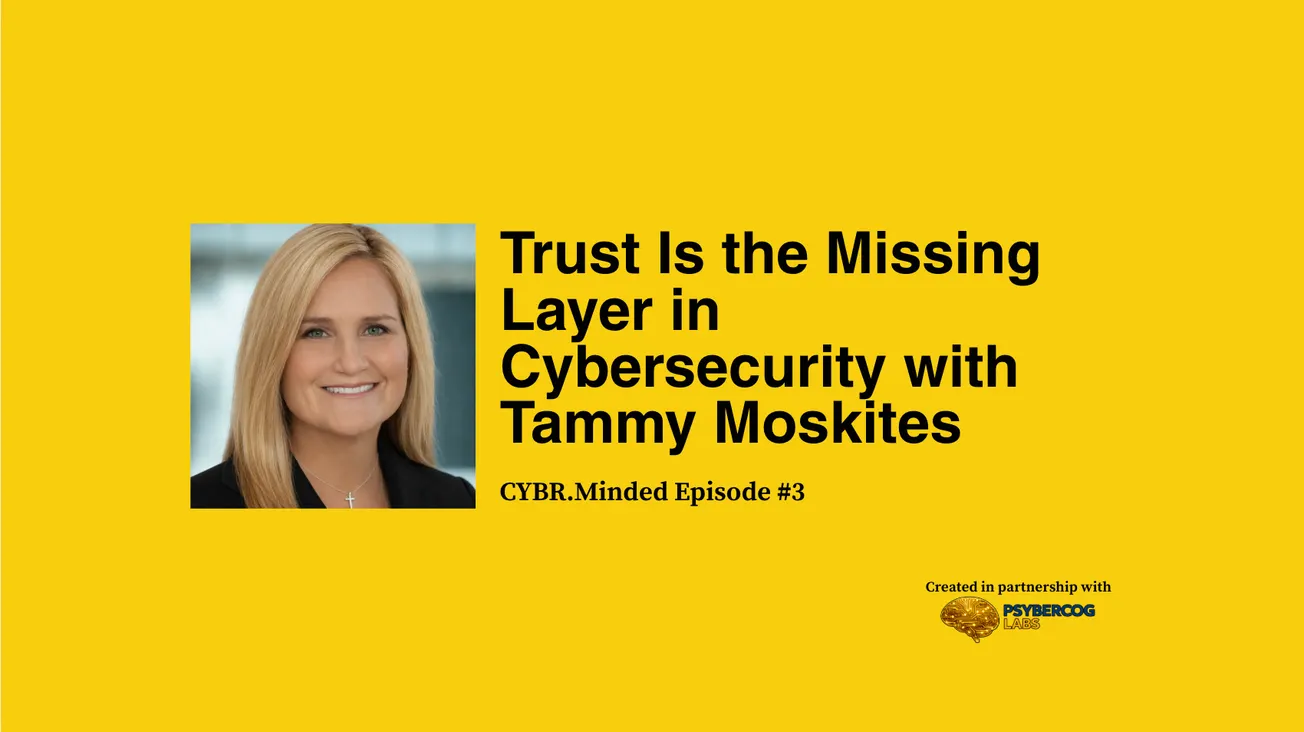
CyAlliance CEO Tammy Moskites explains why trust, communication, and shared decision-making matter more than additional security controls.
In this episode of CYBR.Minded, Dr. Dustin Sachs sits down with Tammy Moskites, founder and CEO of CyAlliance, to discuss how trust, communication, leadership, and risk translation shape security outcomes.
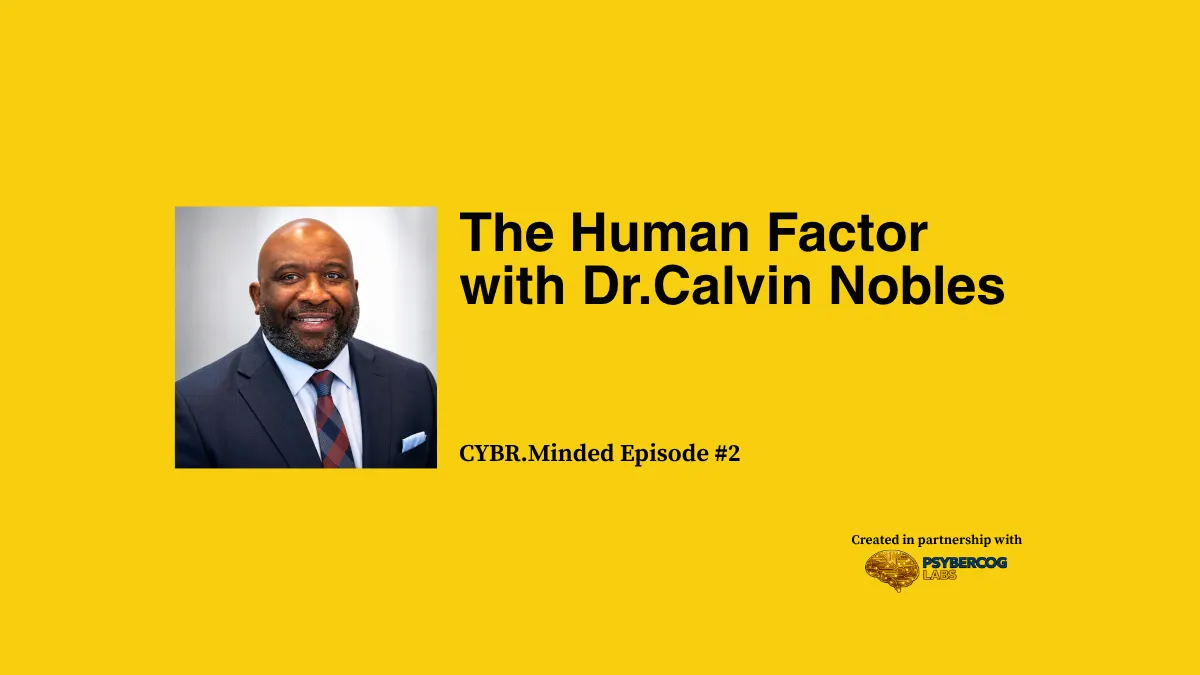
Dr. Dustin Sachs sits down with Dr. Calvin Nobles to explore why security awareness alone is insufficient when it comes to changing human behavior.
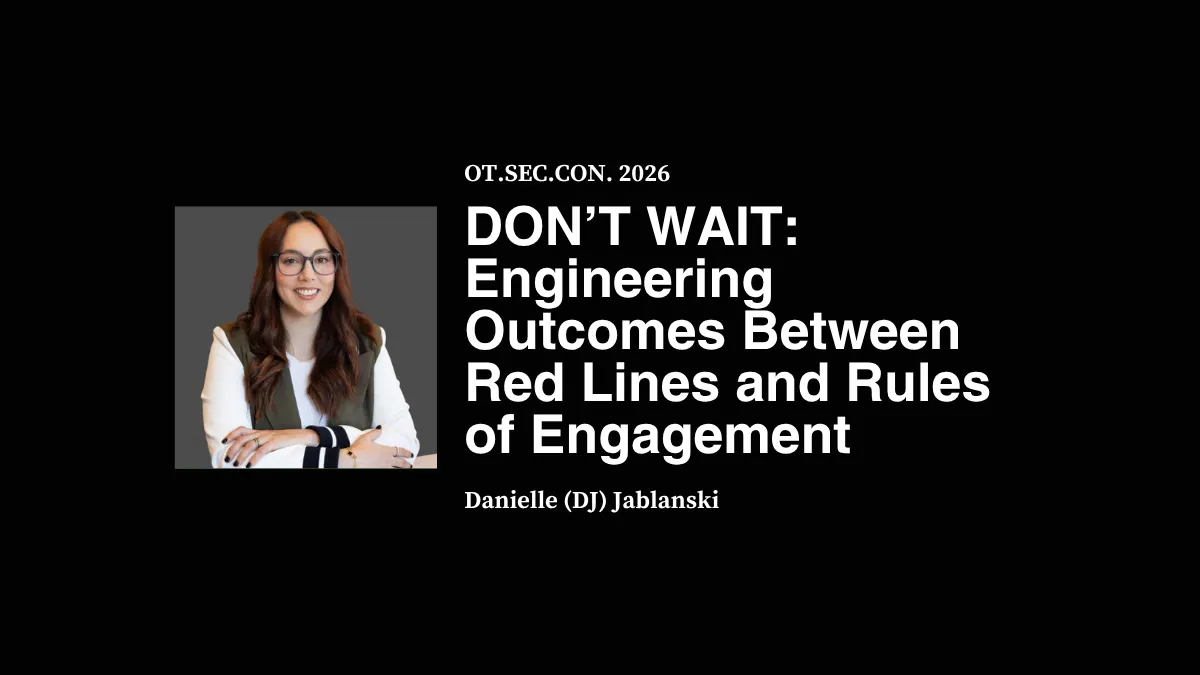
Danielle (DJ) Jablanski argues that critical-infrastructure owners must stop waiting for perfect regulation or deterrence and instead start today to map interdependencies, engineer fault-tolerant redundancy, and reduce the severity of inevitable cyber-physical impacts.
From SOC burnout and alert fatigue to resilience and psychological sustainability, these five cybersecurity mental health articles helped shape one of the industry’s most important conversations.
But it might be your company’s problem.
In this week's CYBR.SEC.Media newsletter: preview of CYBR.HAK.CON, why traditional Level 1 SOC operations are breaking down under modern threat pressure, and where cybersecurity professionals can find mental health support built for the realities of the job.
Here are just a few of the voices who inject cutting-edge insights into the community we are building.
The hype over Anthropic Mythos and AI in general has been super-heated. The cybersecurity voices who calmly unpack the details are the ones to follow. Here are some examples.
Fergus Hay argues that cybersecurity isn’t facing a talent shortage: it’s failing to recognize that the next generation of hackers is already here, hiding in plain sight inside gaming culture.
From Minecraft servers to cryptographic puzzles, Fergus Hay explains why gaming is one of the most powerful—and misunderstood—training grounds for the next generation of cybersecurity talent.