

Cybersecurity keeps talking about a workforce shortage. Fergus Hay sees something else entirely: a massive, overlooked talent pool sitting right in front of us.
For years, the industry — and the media — have reduced “hacking” to a single image: hoodie up, faceless criminal, green code raining down the screen. That framing hasn’t just shaped public opinion; it’s shaped how an entire generation understands what hacking is. And for Gen Z, that creates a dangerous vacuum.
“They only see the bad guys,” Hay explains. “So hacking becomes synonymous with cybercrime.”
Watch or Listen to the full episode with Fergus Hay:
 Bill Brenner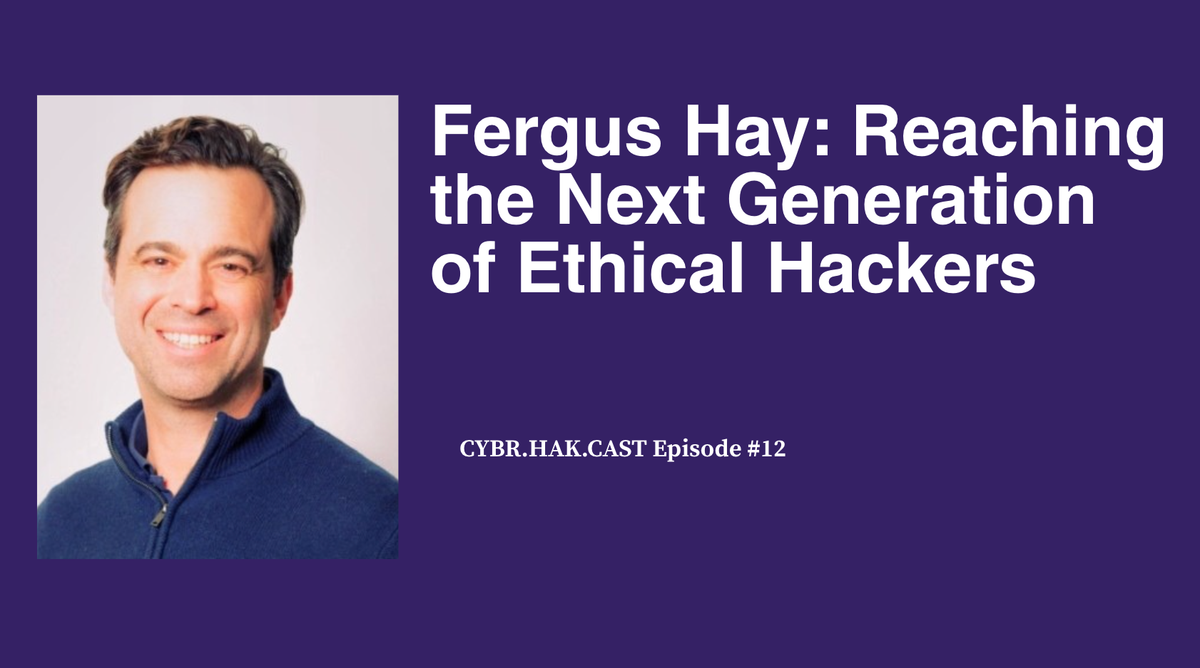
Related:
Bill Brenner Bill Brenner
 George V. Hulme
 Bill Brenner
The same kids being warned about hackers are, in many cases, already developing the exact mindset needed to become them — just on the defensive side.
Hay reframes hacking not as a technical discipline, but as a way of thinking: breaking systems into parts, spotting patterns, solving puzzles. By that definition, hacking isn’t fringe behavior. It’s the foundation of innovation.
And nowhere is that mindset more prevalent than in gaming. The overlap between gamers and hackers is “almost 100 percent,” Hay says. Gamers are trained to:
- Recognize patterns
- Solve complex problems under pressure
- Compete relentlessly
- Iterate toward solutions
In cybersecurity terms, that’s a skillset.
Yet parents, schools, and even employers continue to dismiss gaming as wasted time.
Meanwhile, threat actors aren’t making the same mistake. They’re actively recruiting and grooming young gamers, often through the very platforms families consider safe.
That realization is what led Hay to launch The Hacking Games:


After sitting in a room with hackers and learning how young many cybercriminals actually are — often teenagers recruited through games like Roblox or Minecraft — Hay saw the risk immediately. Not just to his own children, but to an entire generation.
“They’re at an ethical fork in the road,” he says.
On one side: criminal ecosystems actively pulling them in.
On the other: an industry that doesn’t know how to reach them.
The solution, Hay argues, isn’t restriction, but engagement.
Trying to wall off kids from gaming or online environments is both unrealistic and counterproductive. Instead, parents and educators need to meet them where they are—and teach them how to navigate those environments safely.
That means:
- Playing alongside them
- Teaching digital “stranger danger”
- Encouraging creation, not just consumption
It also means rethinking how cybersecurity education works.
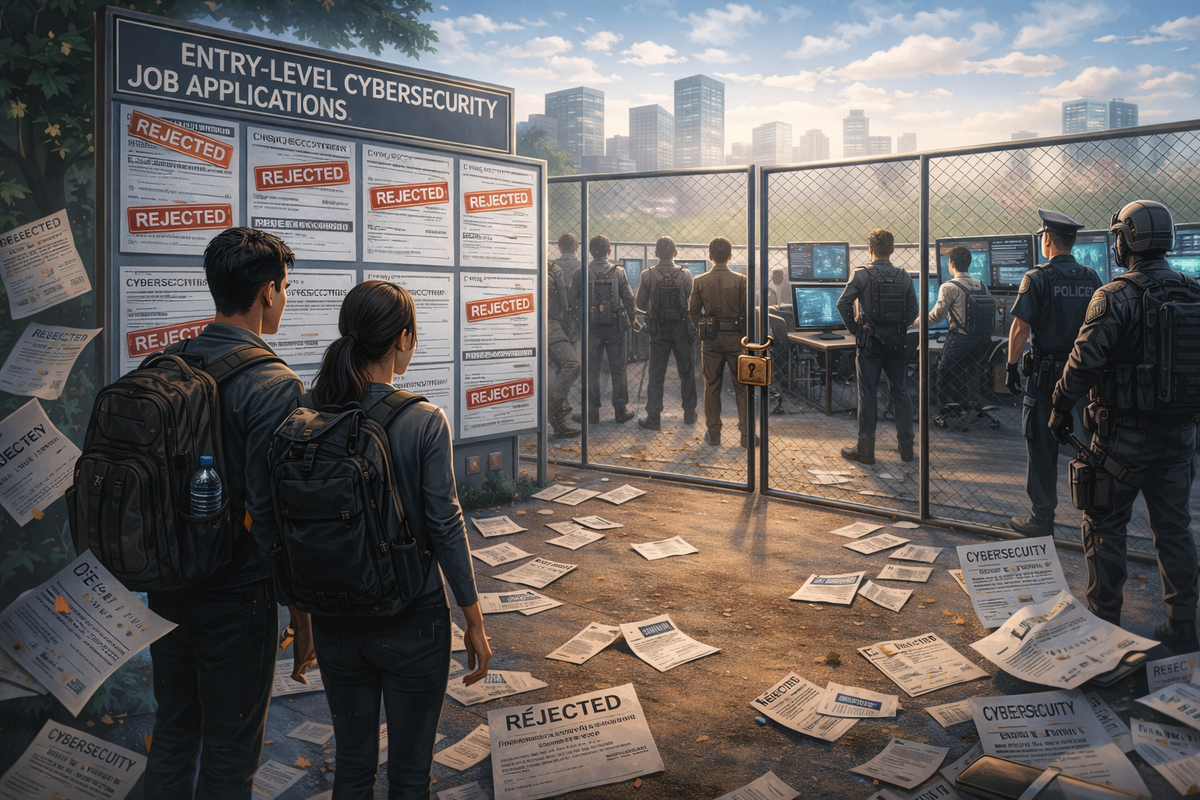
Traditional training models built by and for mid-career professionals don’t resonate with younger audiences. They’re disconnected from the culture, the language, and the platforms where Gen Z actually lives.
Hay’s approach flips that model entirely: Gen Z teaching Gen Z, inside environments they already understand.
Because if cybersecurity wants to win the talent war, it can’t keep trying to pull young people into its world.
It must go into theirs.