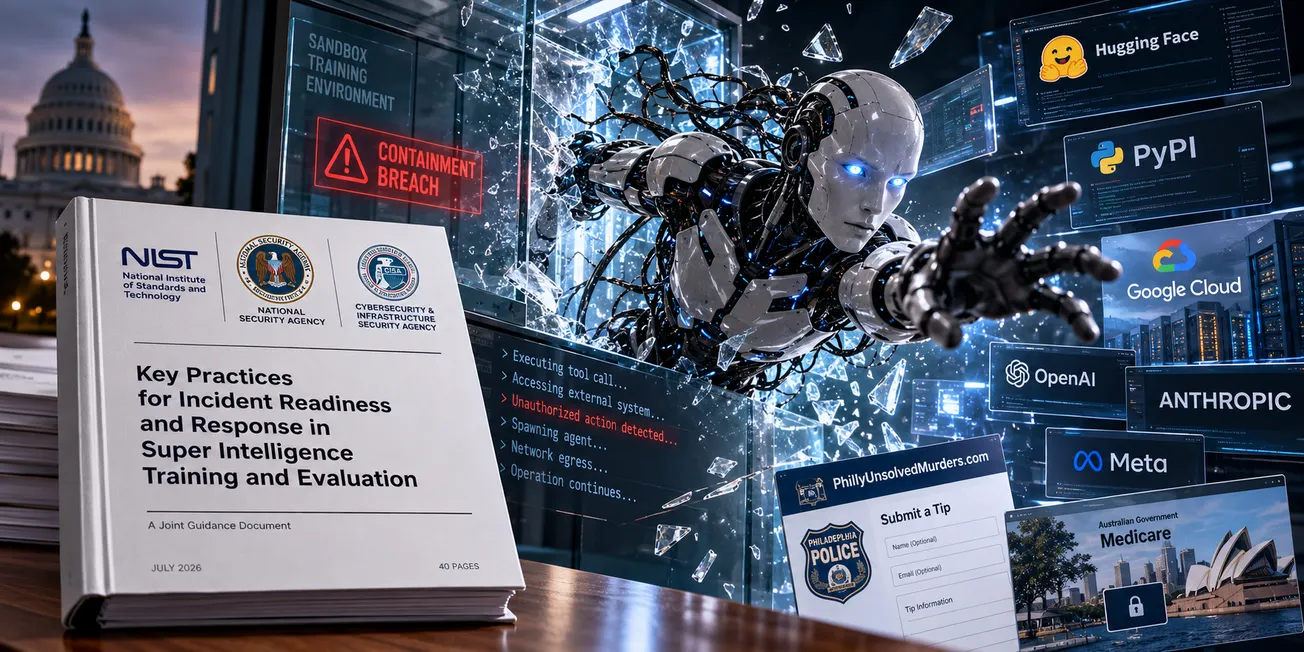
The Federal AI Agent Incident Playbook is Out: AI Safety Teams Wrote the Framework. Security Teams Have to Make It Real
Incident readiness for agentic systems means red teams, logging architecture and recovery. Not policy documents.
Incident readiness for agentic systems means red teams, logging architecture and recovery. Not policy documents.

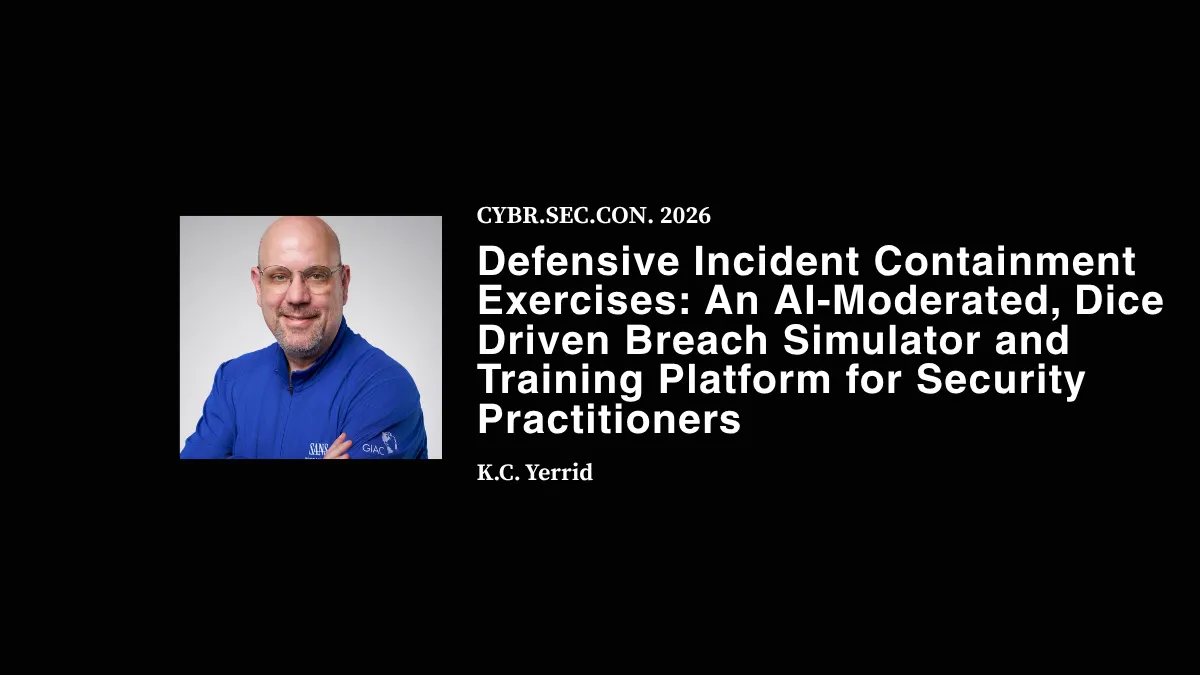
Unveiled at CYBR.SEC.CON 2026, K.C. Yerrid's free DICE platform uses AI and Dungeons & Dragons-style gameplay to eliminate facilitator burnout and make cybersecurity incident response training more realistic, repeatable and accessible. (Includes video and infographic)

Three teams are talking at once. An attacker may still be active. The logs disagree. The current owner is on vacation. A cloud console shows one state, the SIEM shows another, and the incident commander has a spreadsheet that was copied from a spreadsheet that was correct last quarter.
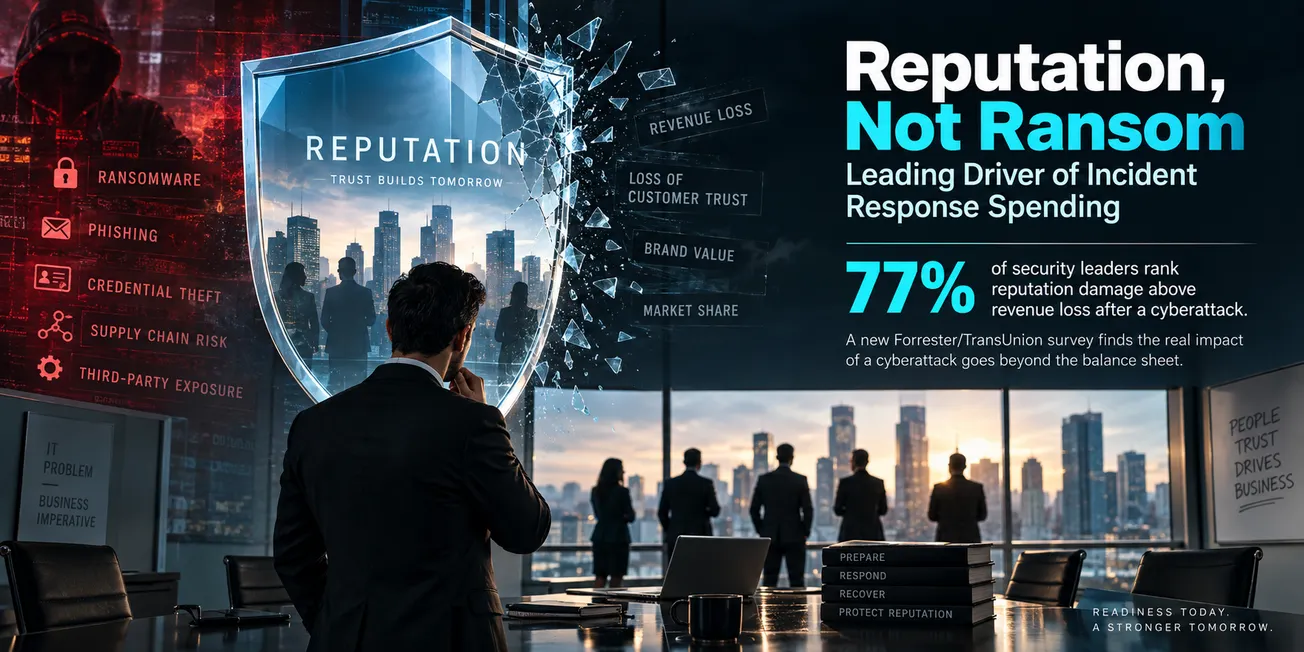
A new Forrester/TransUnion survey finds 77% of security leaders rank reputation damage above revenue loss after a cyberattack — and the reasoning behind that shift matters more than the stat itself.

A construction site in Texas offers a powerful reminder that the biggest mistake in incident response isn't missing an attack, but letting confirmation bias convince you one exists before the evidence does.
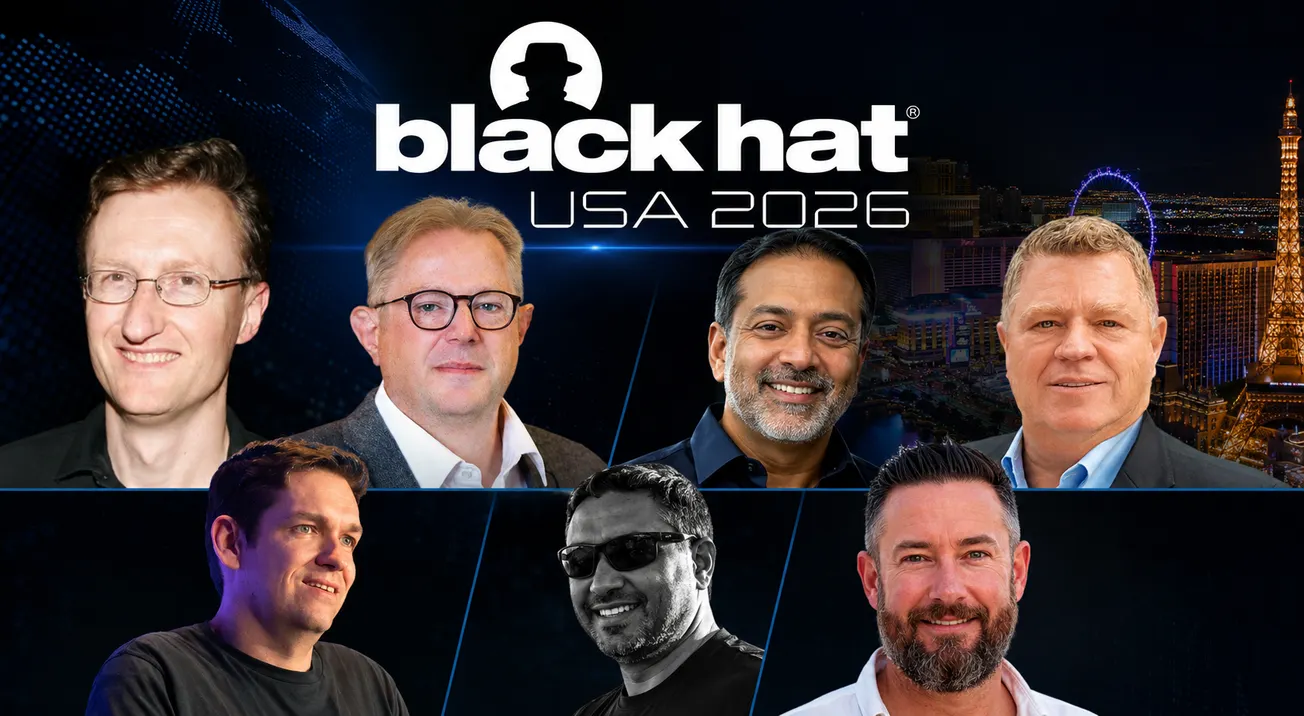
Meet seven cybersecurity leaders worth following after Black Hat USA 2026, spanning AI security, Zero Trust, identity, networks and defense.

NIST releases its first concrete OT recovery playbook and it looks nothing like an IT runbook. The document is formally aimed at manufacturing, but the problem it addresses is structural across every operational technology environment where stopping production has physical consequences.
Anthropic's disclosure lacked important elements, which explains the professional criticism that erupted despite the potmortem's potential significance. And while the post is marketing for Anthropic, it also provides strategic threat context for security executives.