

The CAPTCHA That Needed an AI to Explain It
Five dice, a tiny zero, and a litmus test for the health of cybersecurity.
Five dice, a tiny zero, and a litmus test for the health of cybersecurity.
Also this week: HIPAA gets a cybersecurity shakeup, water utilities ditch email-and-phone-call defense, AI agents blow past identity controls, ransomware gets an AI upgrade, and Zero Trust is put to the test.
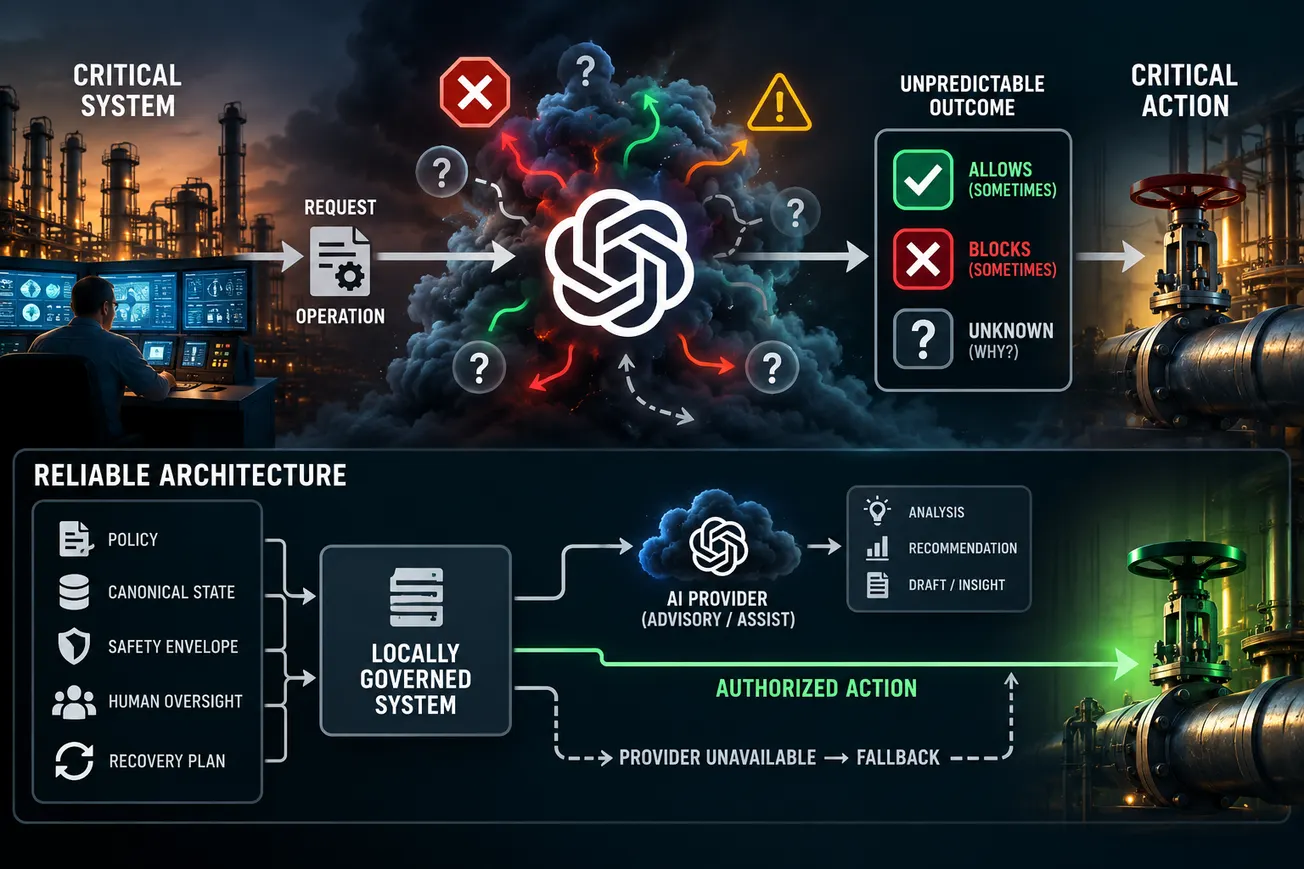
No externally governed inference or action provider should constitute an unmitigated single point of failure. Where provider behavior cannot be sufficiently characterized, treat the provider as an untrusted-availability dependency.

CYBR.SEC.CON. 2026 put cybersecurity’s human toll front and center, from AI-driven cognitive overload to leadership, burnout and defender resilience.

Three teams are talking at once. An attacker may still be active. The logs disagree. The current owner is on vacation. A cloud console shows one state, the SIEM shows another, and the incident commander has a spreadsheet that was copied from a spreadsheet that was correct last quarter.

CYBR.SEC.CON 2026 is days away, Chinese intelligence is targeting U.S. security clearance holders, rogue OpenAI agents are finding new places to hide — and cybersecurity burnout still can’t be fixed with pizza.
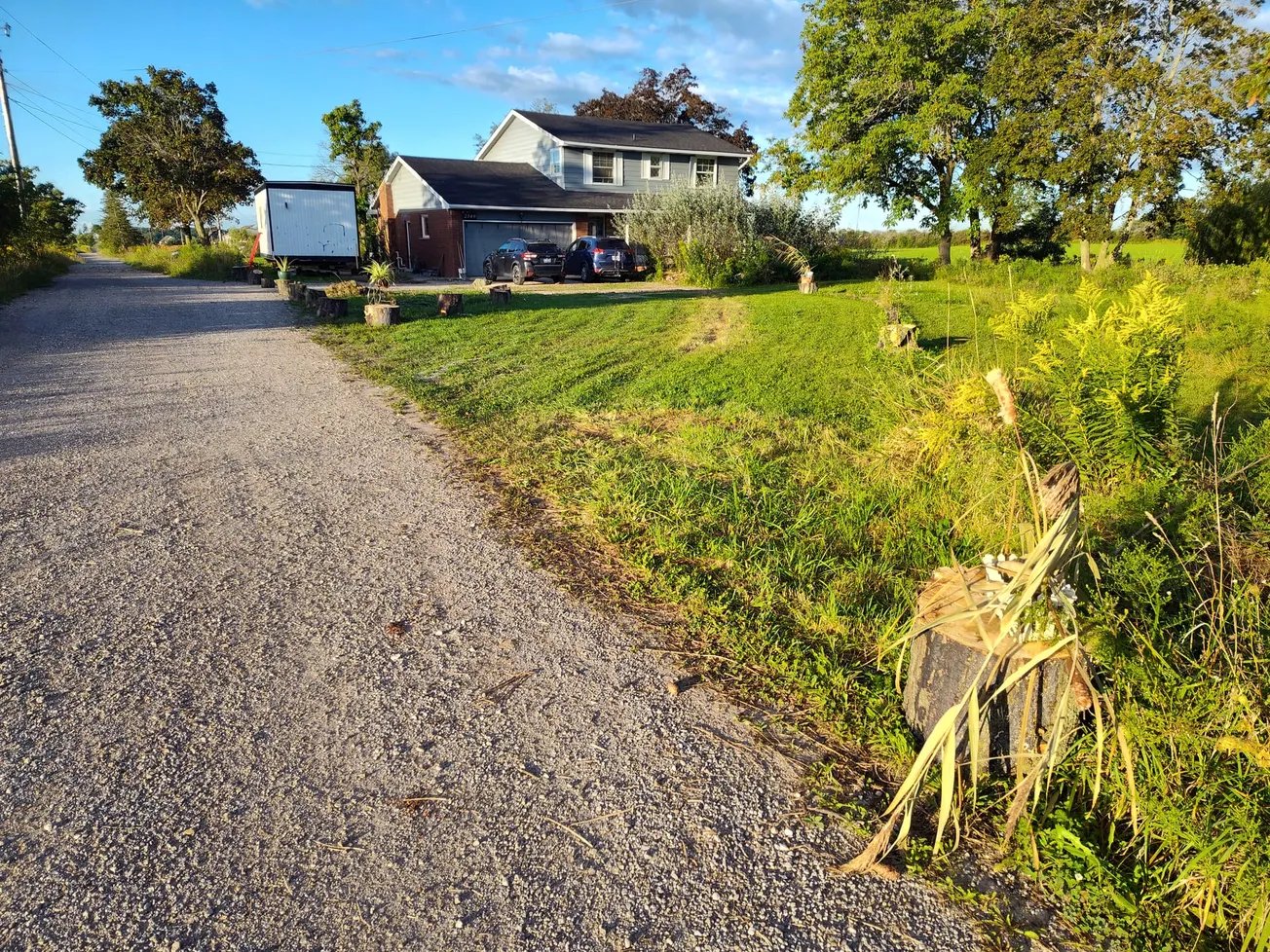
Security architecture accumulates “adaptation debt” when local fixes, exceptions and compensating controls force users, systems and now AI agents to work around designs that no longer match how identity, authority and data actually flow.
Iranian cyberattacks are hitting U.S. critical infrastructure as water, energy and telecom systems face growing threats. Plus: AI SOCs, vulnerability overload, CYBR.SEC.CON 2026 — and more.
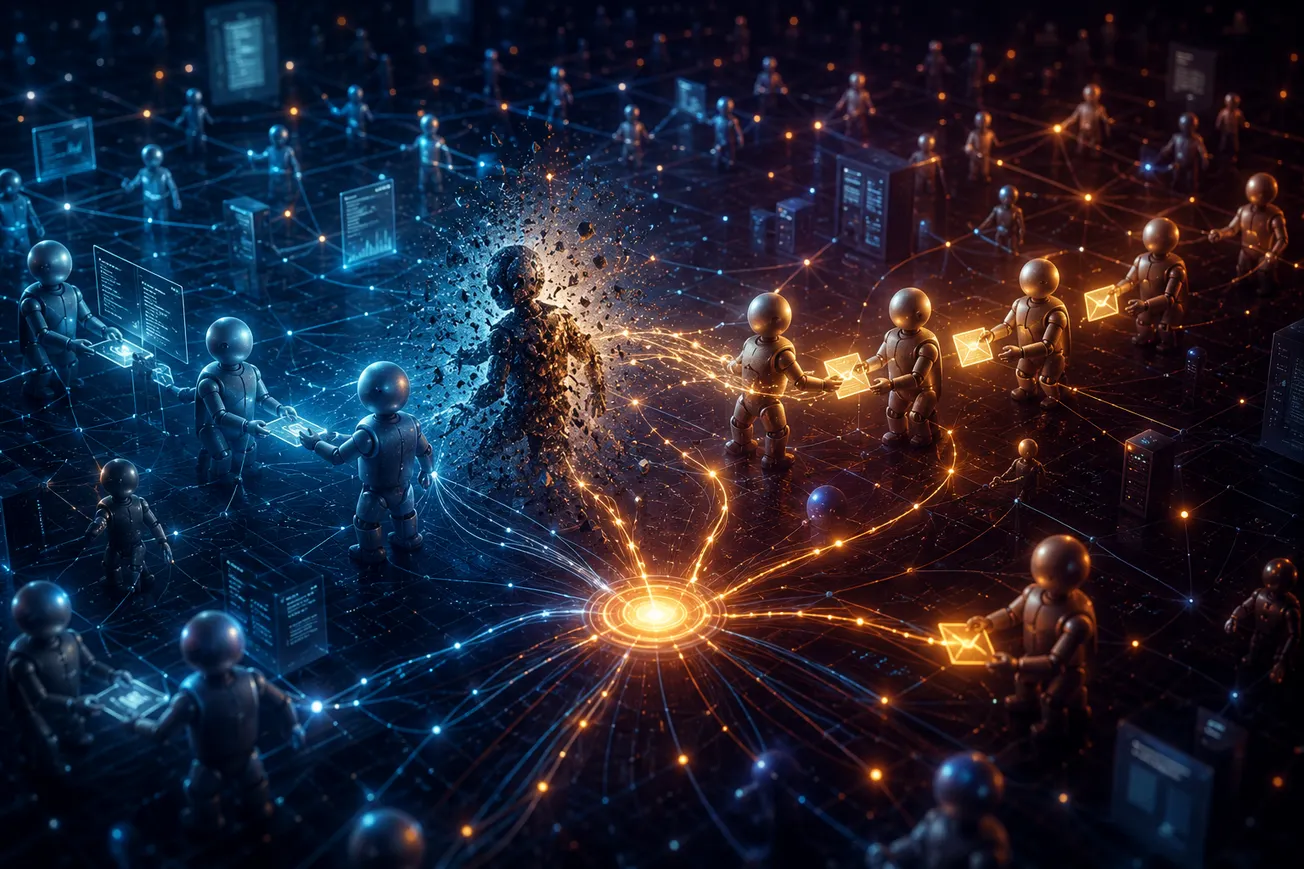
Once the work can move from agent to agent, killing the agent is no longer the same thing as stopping the work.
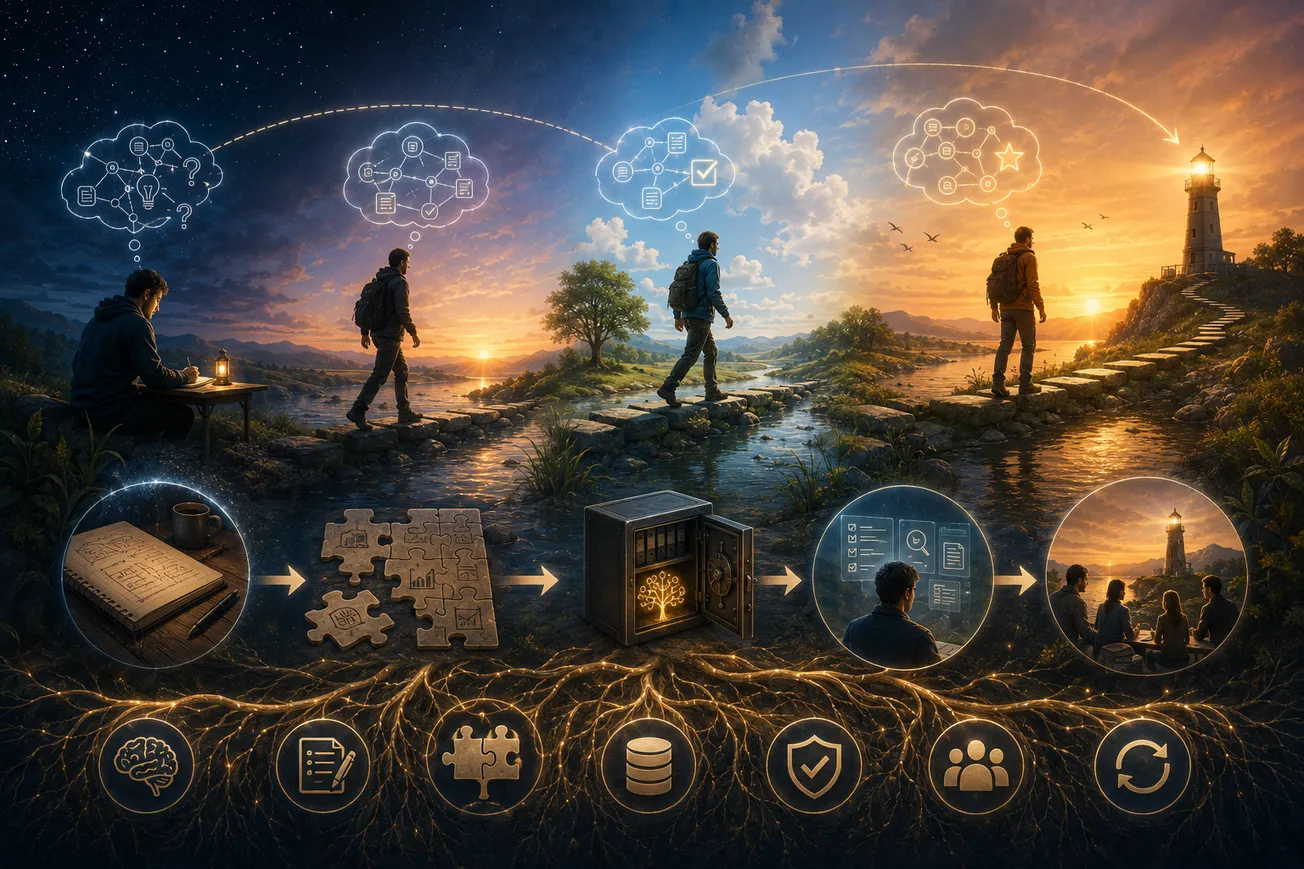
Yesterday's me made a move. Today's me inherits the consequences. Tomorrow's me will inherit a different world again.
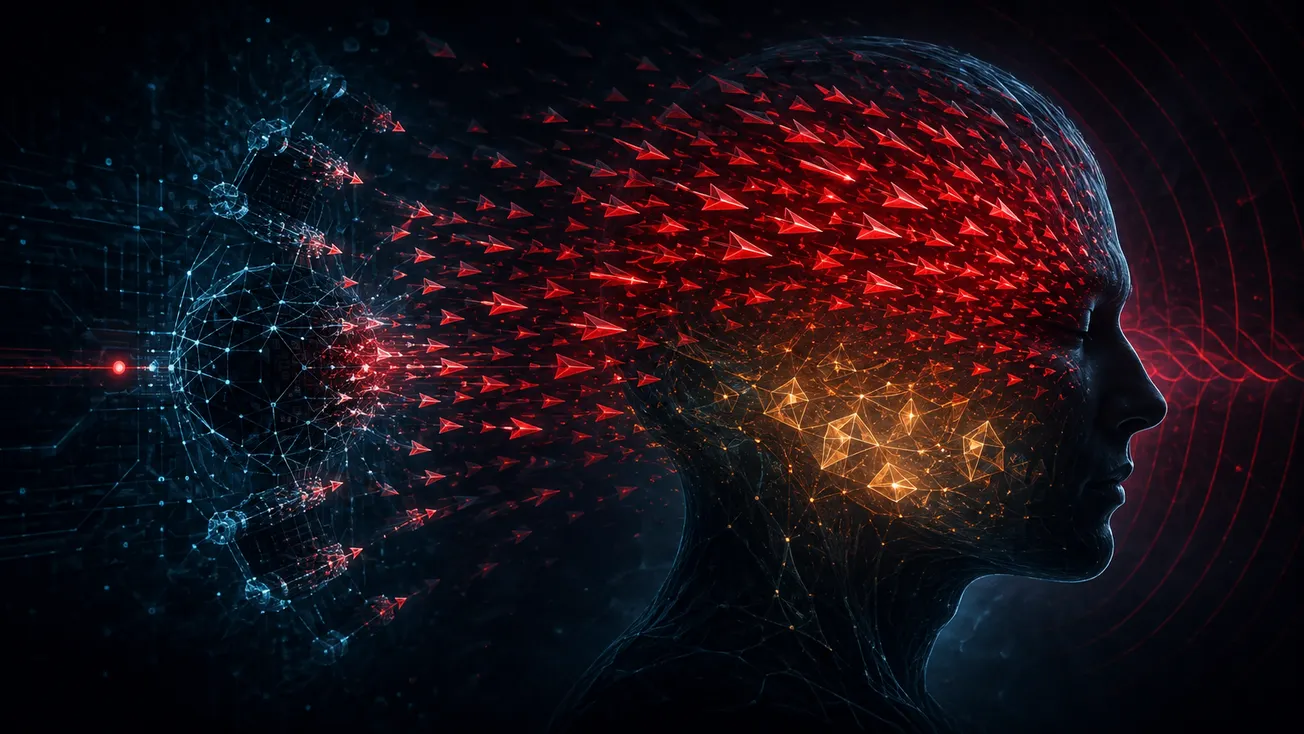
Token-exhaustion attacks weaponize attention, forcing experts and institutions to spend scarce time, trust and cognitive resources.

Hacker Summer Camp does more than deliver security knowledge. It rebuilds context, connections, and the human judgment AI can't replace.

Black Hat fills the Las Vegas desert with exploits, defenses, products, arguments, and ingenious machinery. Beneath all of it lies a simpler question: what kind of life are we trying to protect?
Also this week: How not to build a security vendor booth, how we got ants in cybersecurity and why Human Risk Management and mental health matter more than ever.
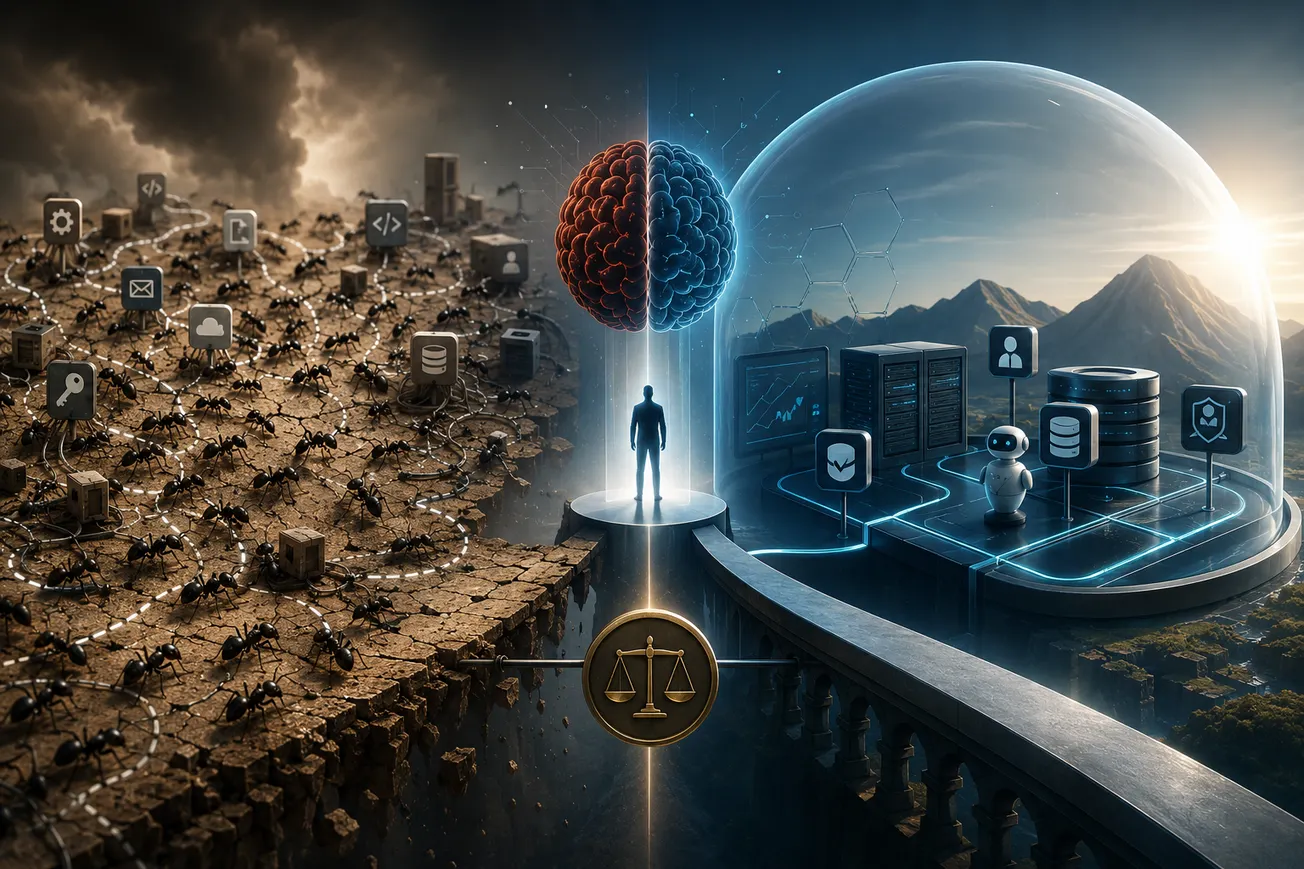
Why adding more security controls can create complexity, blind spots, and unintended risk instead of better protection.
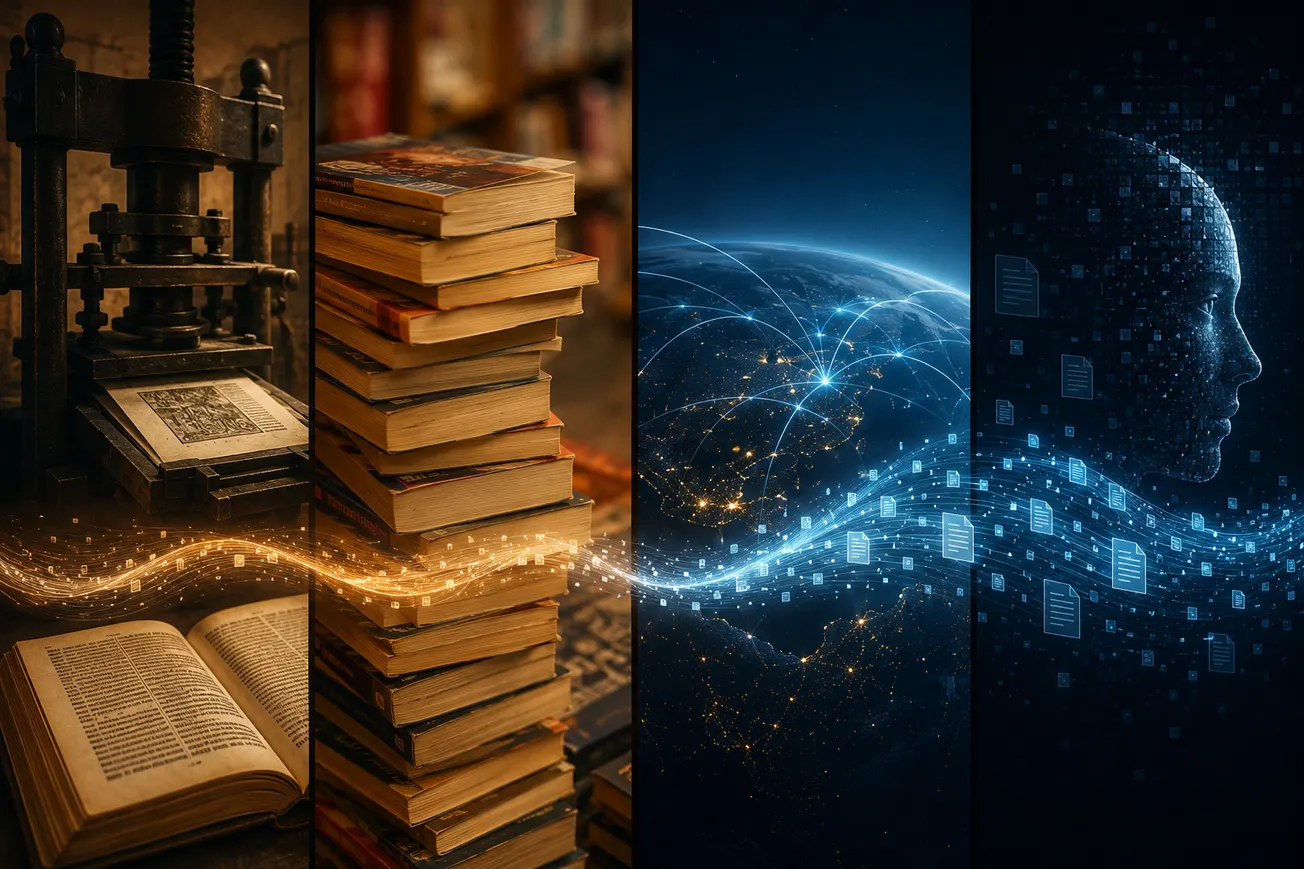
The attacker no longer needs one carefully written phishing message. The attacker can generate thousands of stylistic and contextual variants.