
Highlights from CYBR.HAK.CON. 2026
Among the topics: Cognitive warfare and medical device mayhem.
Among the topics: Cognitive warfare and medical device mayhem.
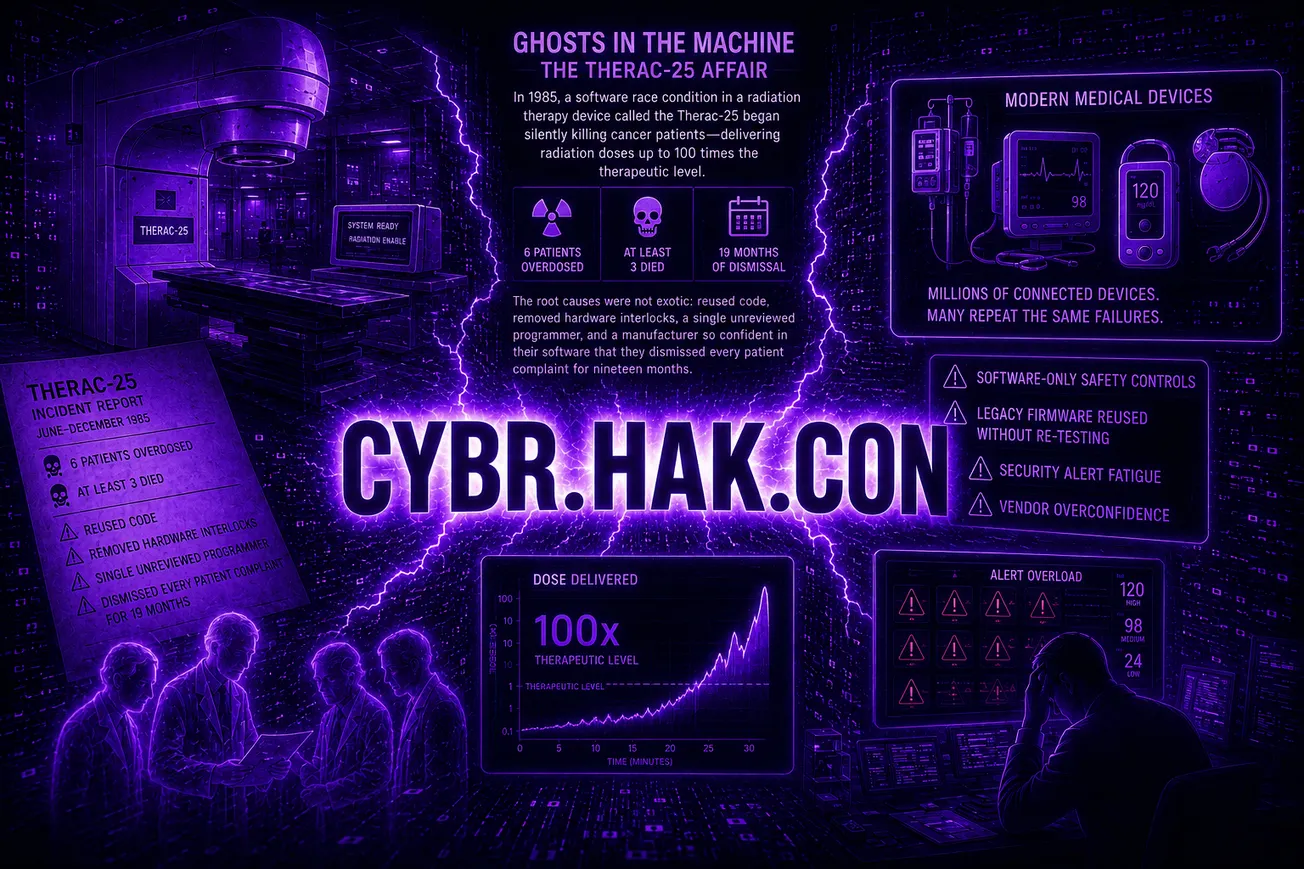
Sean Satterlee’s CYBR.HAK.CON. presentation used the deadly Therac-25 radiation overdoses to expose how modern connected medical devices still repeat many of the same dangerous cybersecurity and safety failures.

Stephen Cravey’s “A Brief Introduction to Cognitive Warfare” explores how modern influence operations exploit human psychology, identity, emotion, and social dynamics much like attackers exploit vulnerabilities in technical systems.

NIST releases its first concrete OT recovery playbook and it looks nothing like an IT runbook. The document is formally aimed at manufacturing, but the problem it addresses is structural across every operational technology environment where stopping production has physical consequences.
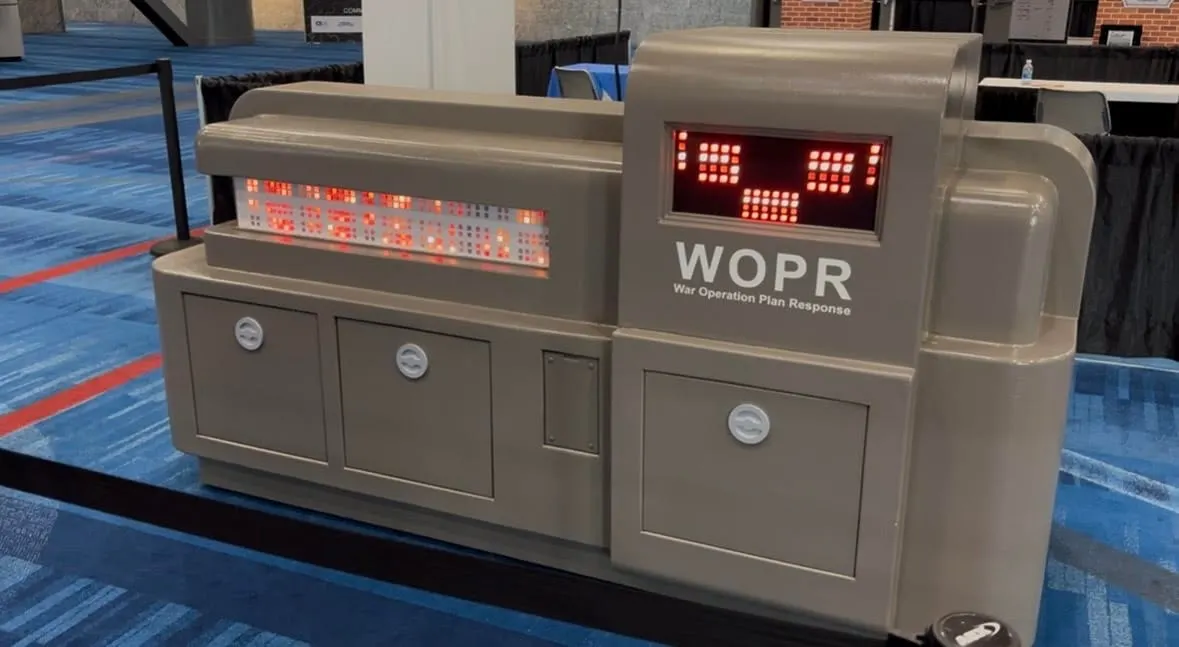
A replica of WOPR, built for HouSecCon 2015's WarGames theme, has become a fan favorite at CYBR.SEC.Community events -- a fixture that taps into the hacker nostalgia and cautionary spirit of the 1983 film.
Built by the team behind HOU.SEC.CON. (now CYBR.SEC.CON.) and partnered with renowned penetration tester Phil Wylie, CYBR.HAK.CON. aims to reconnect cybersecurity conferences with their grassroots hacker culture through hands-on training, community collaboration, and practitioner-first experiences.

AI security scanners promise to reduce AppSec workload, but Contrast Labs' testing shows they systematically multiply it, turning a $315 API fee into an estimated $128,000 triage burden, before fixing a single vulnerability.
But first: About CYBR.SEC.Media 2.0!
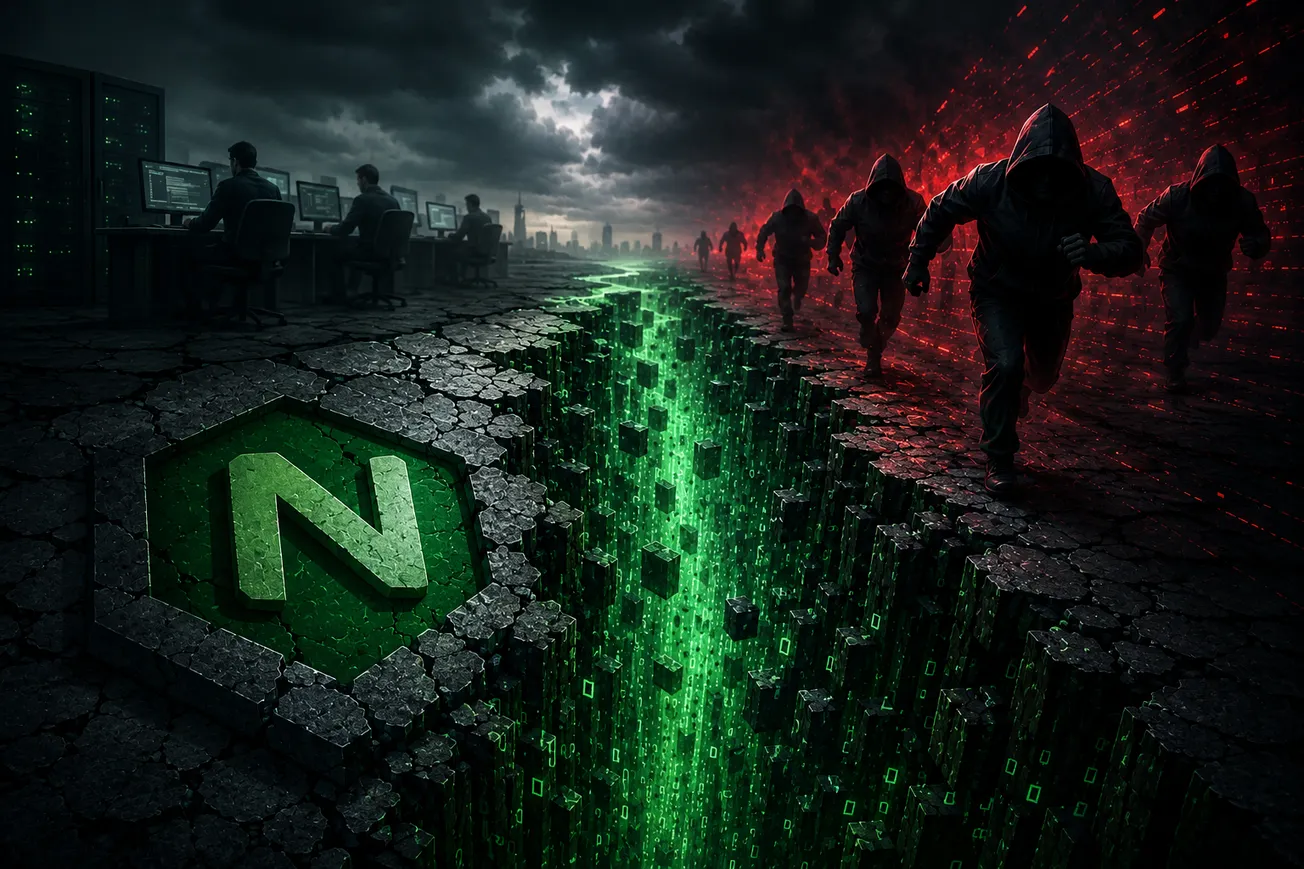
An 18-year-old heap overflow in NGINX's rewrite engine is now under active exploitation. Patches exist, but attackers moved faster than most organizations can respond.

The new version of CYBR.SEC.Media puts community voices, practitioner insight, podcasts, videos, and visual storytelling front and center.

Information overload, cognitive warfare, and nonstop digital noise are turning human attention into a vulnerable attack surface.

Organizations spend real money on penetration testing and too often walk away afterwards with the same vulnerabilities they started with. The test happened. The report landed. The checkbox got checked. Nothing significant has changed.

From SOC burnout and alert fatigue to resilience and psychological sustainability, these five cybersecurity mental health articles helped shape one of the industry’s most important conversations.
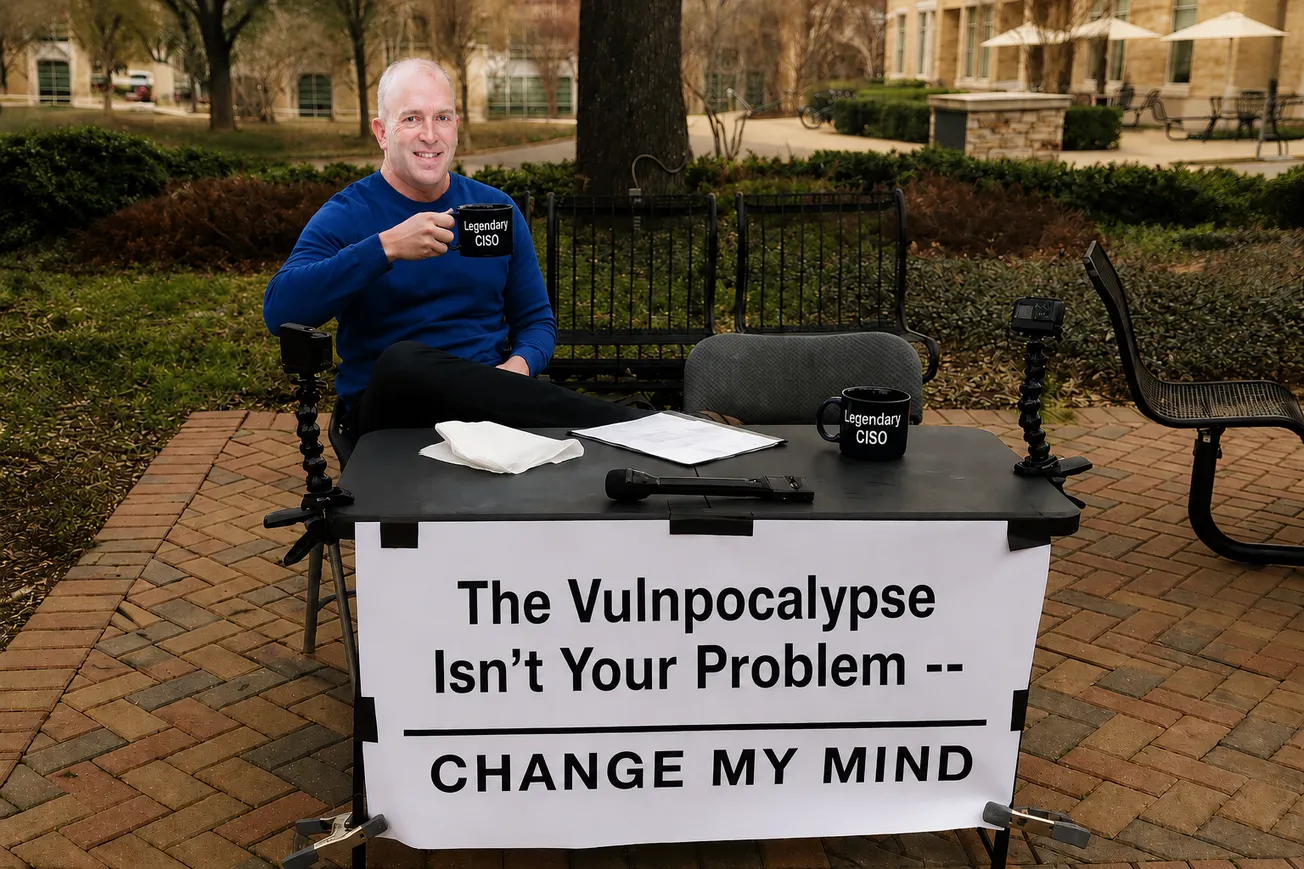
But it might be your company’s problem.

What a nonprofit collects, captures, manages, and is responsible for protecting isn't uniform. And in many cases, the sensitivity of that data maps directly back to their unique mission in ways that should fundamentally shape how we approach security for these organizations.
In this week's CYBR.SEC.Media newsletter: preview of CYBR.HAK.CON, why traditional Level 1 SOC operations are breaking down under modern threat pressure, and where cybersecurity professionals can find mental health support built for the realities of the job.