
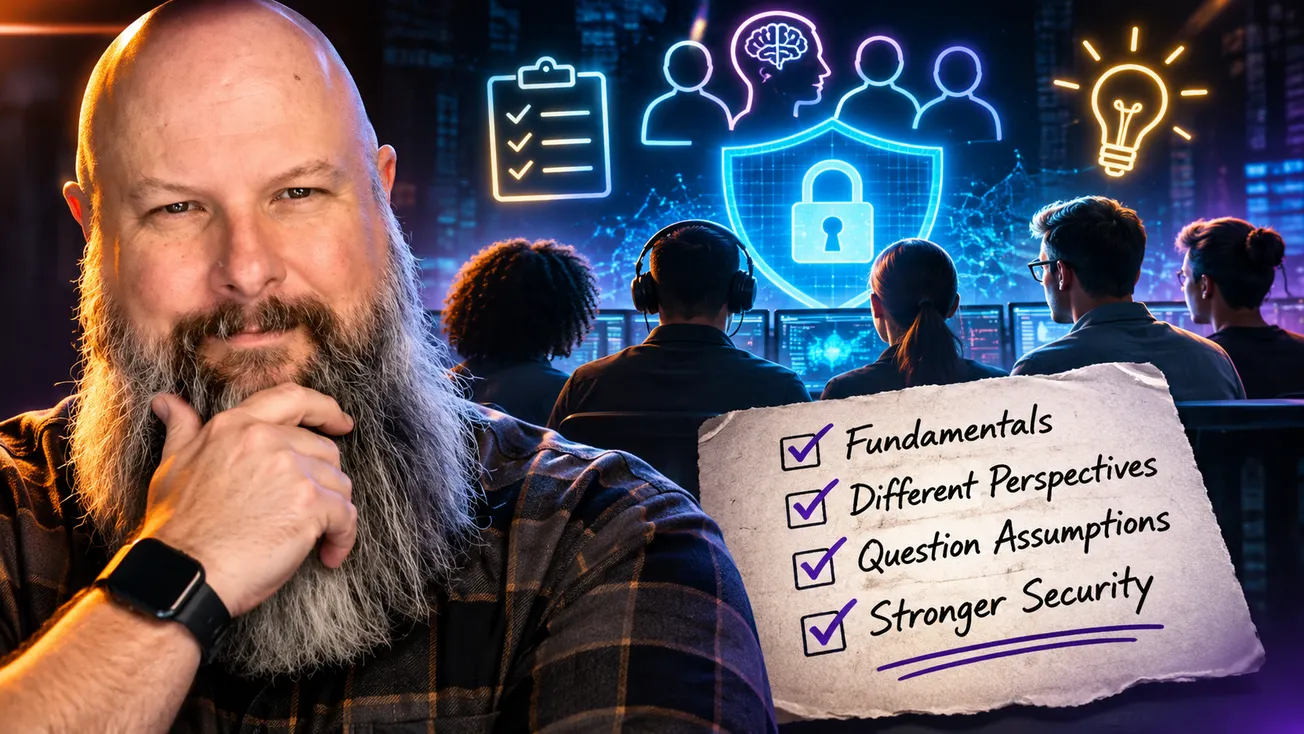
Cybersecurity Teams Need Discipline, Not Conformity
Joshua Copeland explains why cybersecurity teams need stronger fundamentals, neurodiverse thinking and the freedom to challenge assumptions.
Joshua Copeland explains why cybersecurity teams need stronger fundamentals, neurodiverse thinking and the freedom to challenge assumptions.

Secure Ideas founder Kevin Tackett argues that hoarding exploits, tools and expertise undermines cybersecurity's mission to protect organizations.

Secure Ideas founder Kevin Tackett outlines plans for open-source vulnerability research, affordable training and free cybersecurity education.

Attackers are exploiting newly disclosed SAP flaws in days, forcing companies to compress maintenance cycles that were built for quarters

Cyberattacks on supermarket refrigeration systems are spreading across Europe, raising concerns about U.S. food supply chains. Xage Security CEO Duncan Greatwood explains why patching alone won't prevent physical disruption. (Includes infographic)

CrowdStrike's acquisition of Dreadnode will bring automated AI security testing to its Falcon platform as enterprises race to secure autonomous AI agents.

Arcanum Information Security's CEO introduces an experimental tool that plants fake vulnerabilities and prompt injection traps to mislead autonomous penetration-testing agents.
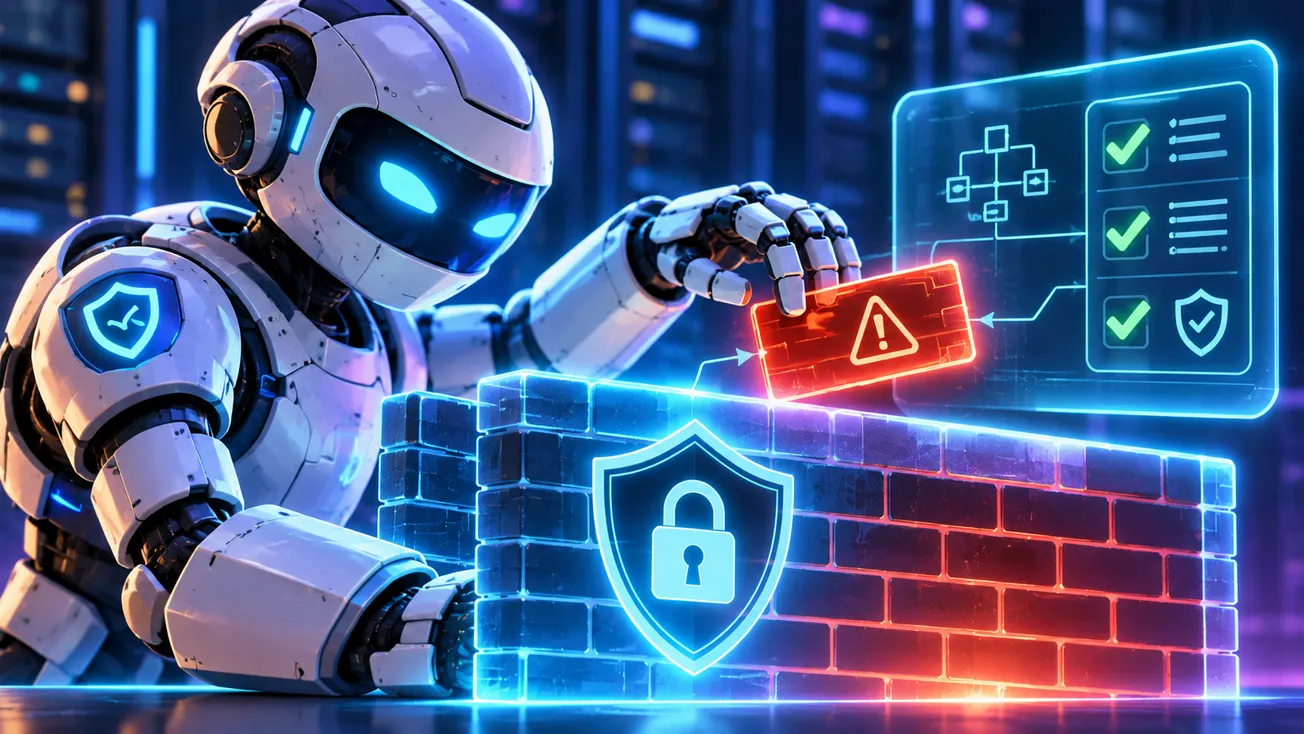
Millions of firewall rules and billions of access paths complicate zero trust. FireMon CEO Jody Brazil explains how agentic AI could help. (Sponsored by FireMon)
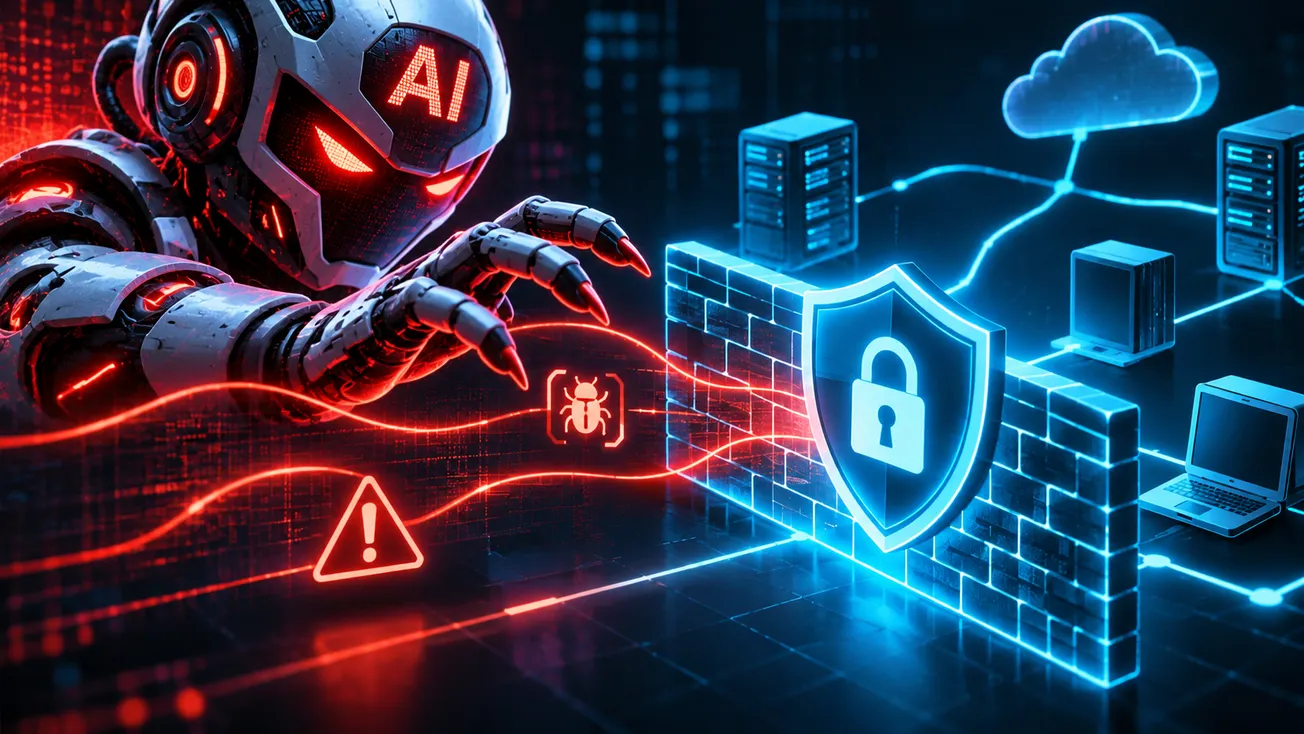
As AI accelerates zero-day discovery and exploitation, FireMon CEO Jody Brazil says restricting network access is critical to defending vulnerable systems. (Sponsored by FireMon)

Veracode's 2026 GenAI Code Security Report finds AI coding security improving for the first time, but persistent injection flaws and weak Java performance demand stronger security testing. (Includes infographic)

Leading security researchers confronted AI-driven disruption at [un]prompted II, finding reasons for optimism amid the threats to hacking careers.

As businesses accelerate AI adoption, security leaders risk becoming obstacles to innovation. It's time to rethink how cybersecurity enables risk-taking.

A pharmaceutical company discovered 35 unauthorized AI tools despite having a formal approval process. At [un]prompted II, two former CISOs revealed how a redesign quadrupled AI requests and slashed approval times.

At [un]prompted II, Gadi Evron explored AI agents that detect vulnerabilities, patch live software and verify code before deployment.

At [un]prompted II, Gadi Evron reflects on AI replacing hacker skills, cybersecurity jobs and why the hacking profession must reinvent itself.

Endor Labs researcher Peyton Kennedy uncovered 14 vulnerabilities across seven AI platforms, exposing paths from prompt injection to remote code execution and data theft. (Sponsored by Endor Labs)