
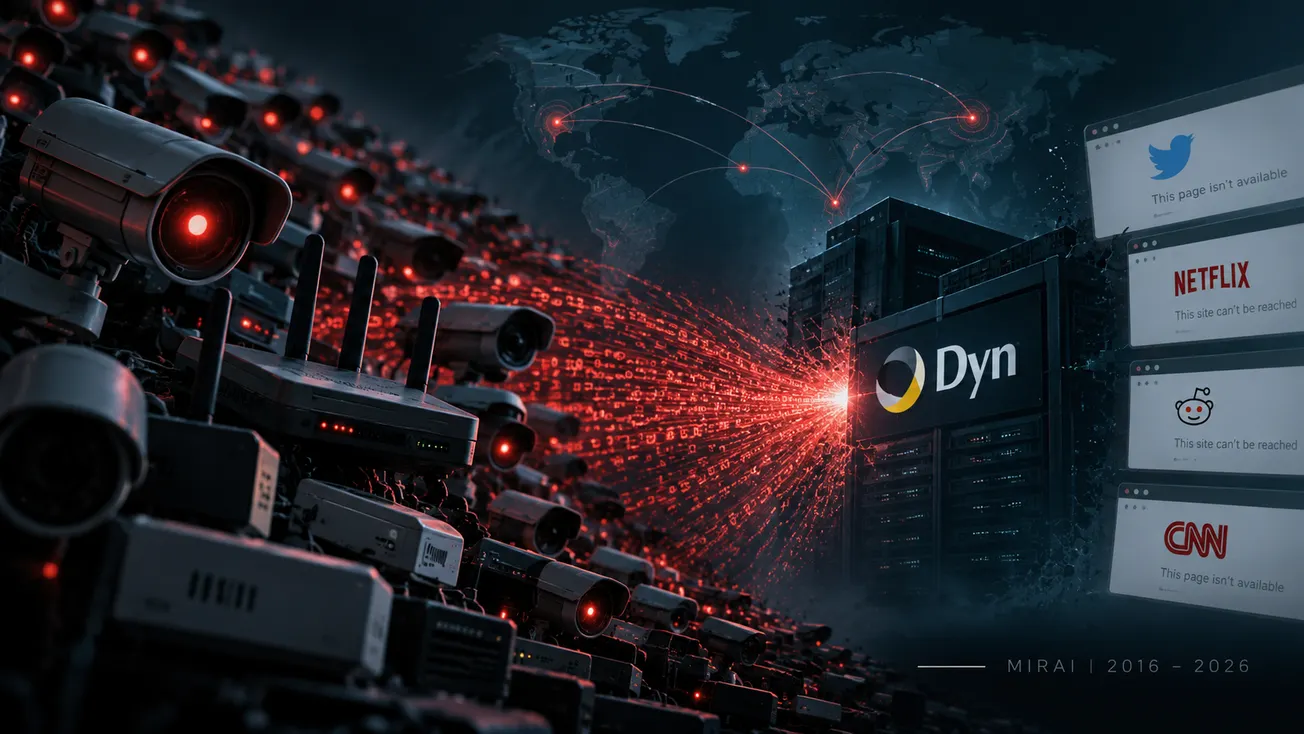
A Decade After Mirai: How the IoT Botnet Changed Cybersecurity Forever
Ten years after Mirai disrupted Dyn, explore how the IoT botnet changed DDoS defense, device security and internet resilience — and why it endures.
Ten years after Mirai disrupted Dyn, explore how the IoT botnet changed DDoS defense, device security and internet resilience — and why it endures.

Nine AI security lessons for CISOs on agents, identity, governance, compliance, cognitive risk, open source and human resilience.

Cybersecurity professionals cannot defend organizations indefinitely without real downtime. CYBR.SEC.Community co-founder and OT security veteran Sam Van Ryder says employers and practitioners share responsibility for making sure defenders actually disconnect.


CYBR.SEC.CON. 2026 put cybersecurity’s human toll front and center, from AI-driven cognitive overload to leadership, burnout and defender resilience.
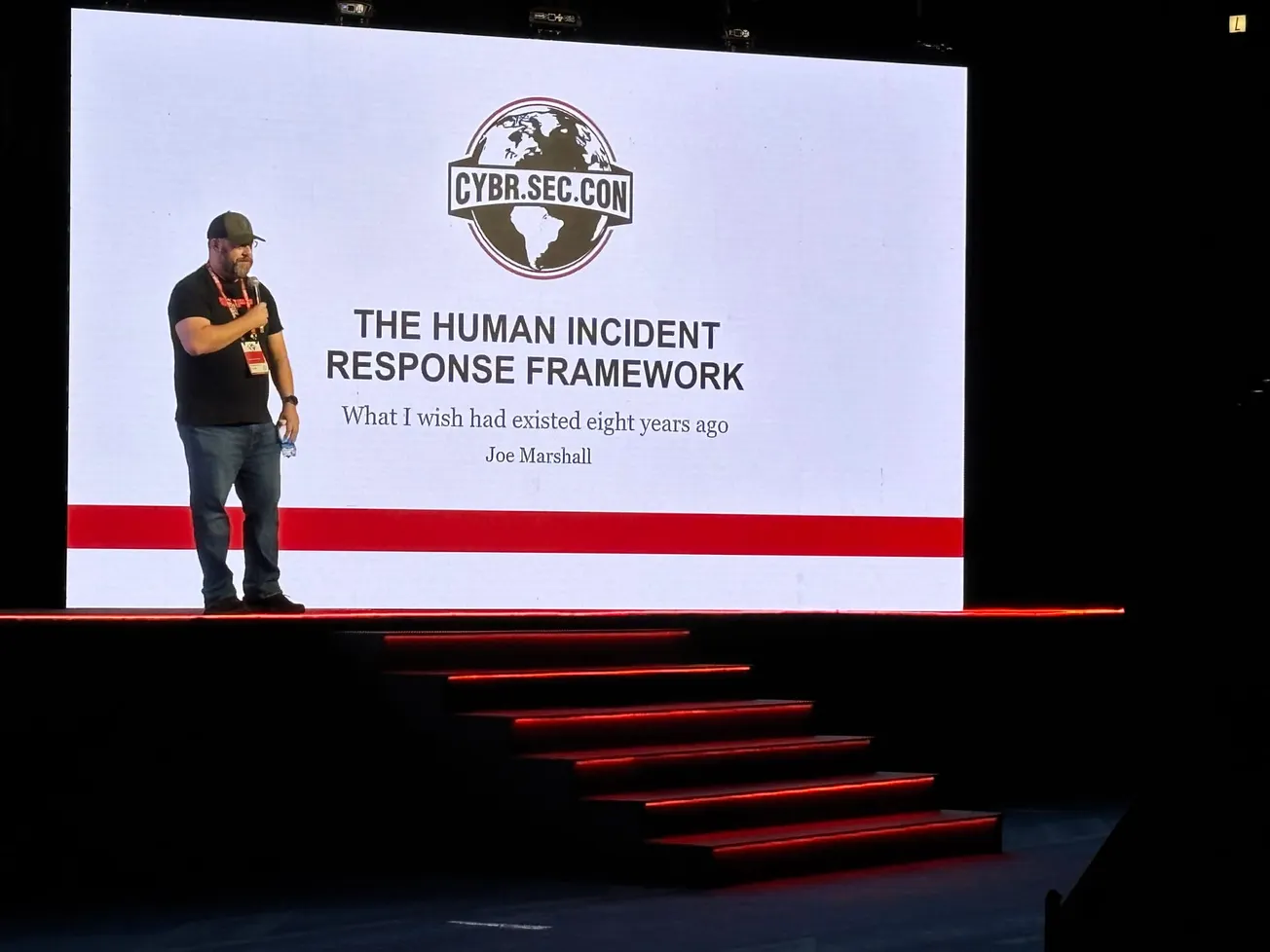
In his CYBR.SEC.CON. 2026 keynote, Joe Marshall introduces the Human Incident Response Framework, a practical playbook for recognizing cybersecurity burnout, secondary traumatic stress, vicarious trauma and moral injury — and responding before the human incident becomes a crisis.
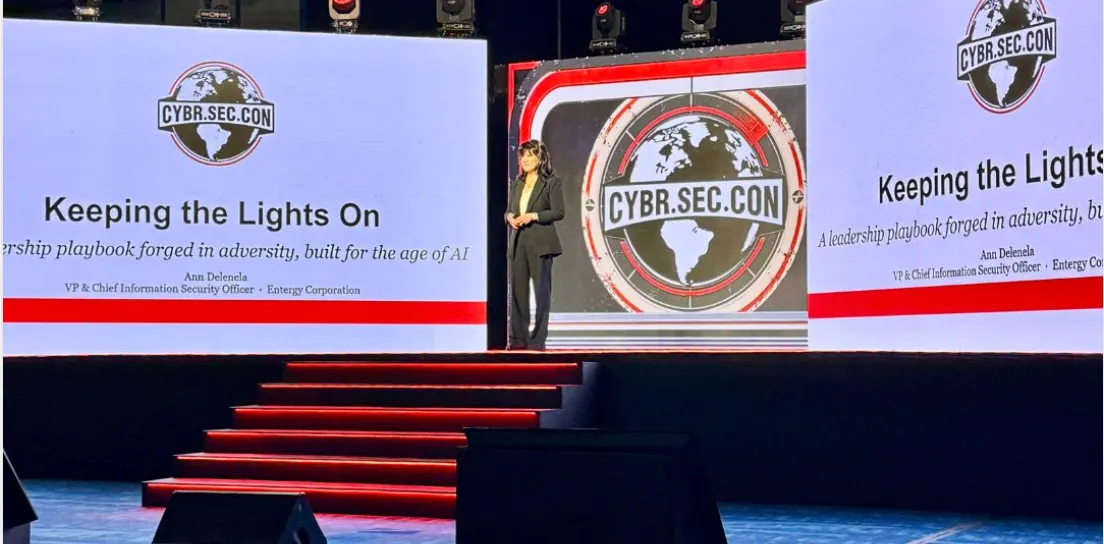
Entergy CISO Ann Delenela used her CYBR.SEC.CON. 2026 keynote to argue that AI and accelerating change demand something technology cannot provide: deliberate, accountable human leadership.

RegScale CISO Dale Hoak explains why point-in-time cybersecurity compliance cannot keep pace with AI-driven threats — and why continuous controls, risk management and resilience must replace the checkbox mindset. (Sponsored by RegScale)

RegScale CISO Dale Hoak says the cybersecurity leadership debate should focus less on reporting lines and more on ensuring cyber risk reaches the board — while security, compliance and engineering stop fighting separate battles. (Sponsored by RegScale)

At CYBR.SEC.CON 2026, OISF President Kelley Misata explains why critical open source security projects like Suricata depend on more than developers — and why funding, governance, licensing and succession planning are now cybersecurity issues.

OpenAI agents left a larger public trail on Hugging Face than the company documented in its account of unauthorized activity earlier this year, according to a new SentinelLabs investigation.

The exposure management startup beat four other early-stage cybersecurity companies at CYBR.SEC.CON 2026, pitching an approach that focuses remediation on vulnerabilities attackers can actually reach.
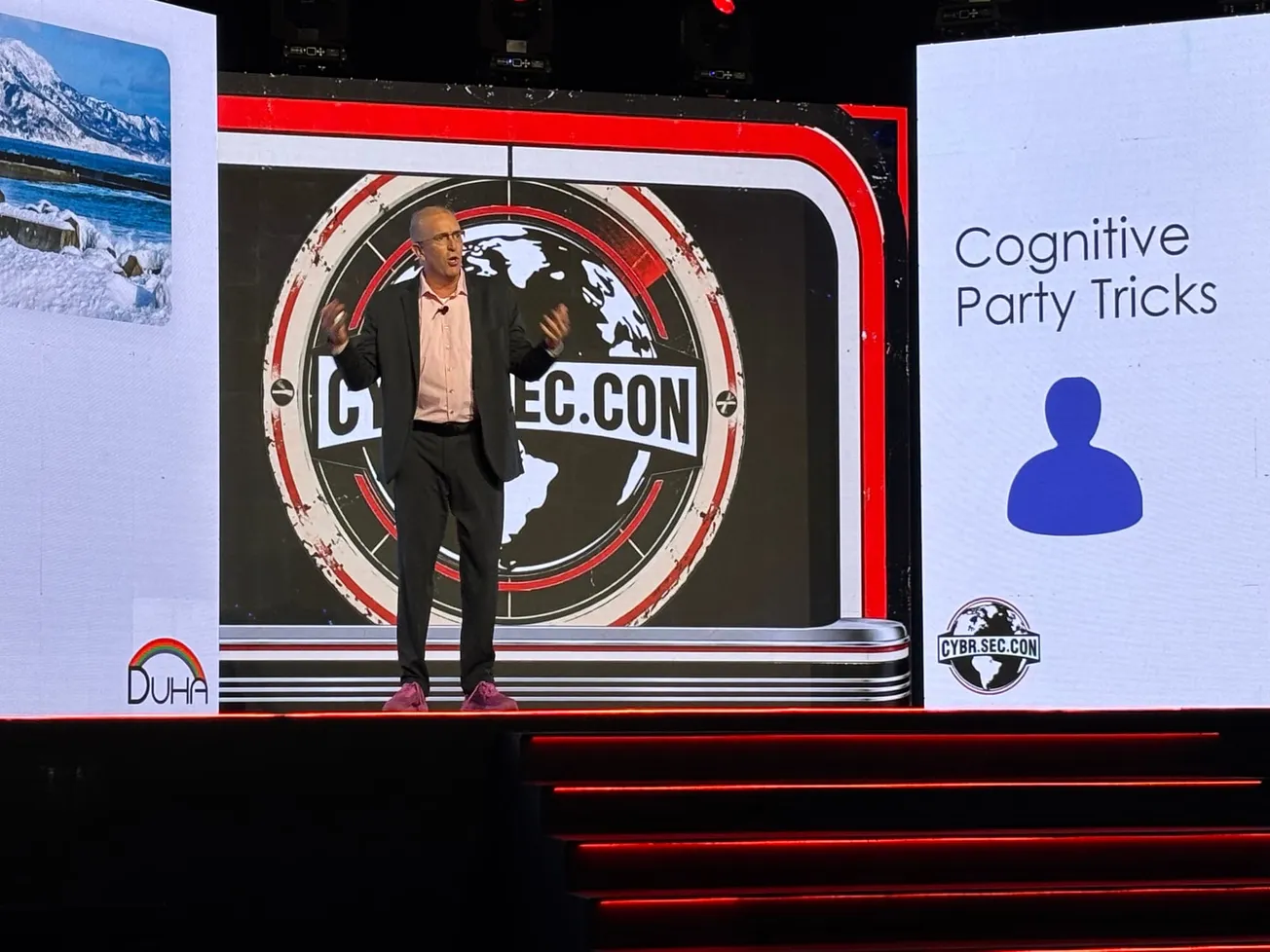
CYBR.SEC.CON. 2026 speaker Andy Ellis explores how AI, algorithms and human cognitive shortcuts could combine to undermine the decision-making systems that helped humanity thrive.
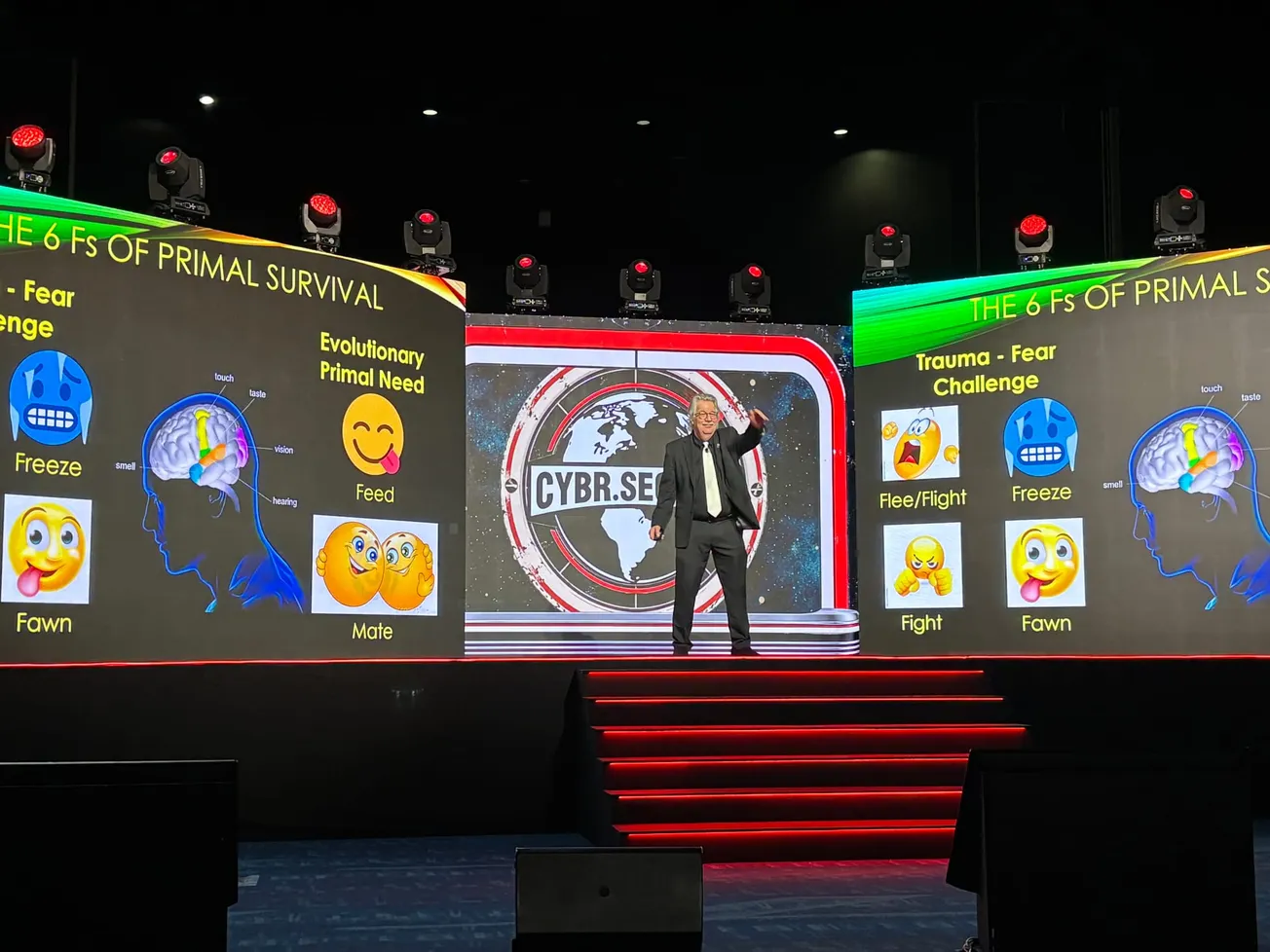
CYBR.SEC.CON. 2026 opening keynote argues that critical thinking is no longer enough in an age of AI, algorithms and information overload. Security starts with knowing what deserves our attention.
At CYBR.SEC.CON. 2026’s first AI.SEC.CON. track, Elizabeth Wharton argues that headline-grabbing AI disasters keep exposing familiar failures in validation, least privilege, data governance, trust boundaries and change control.