
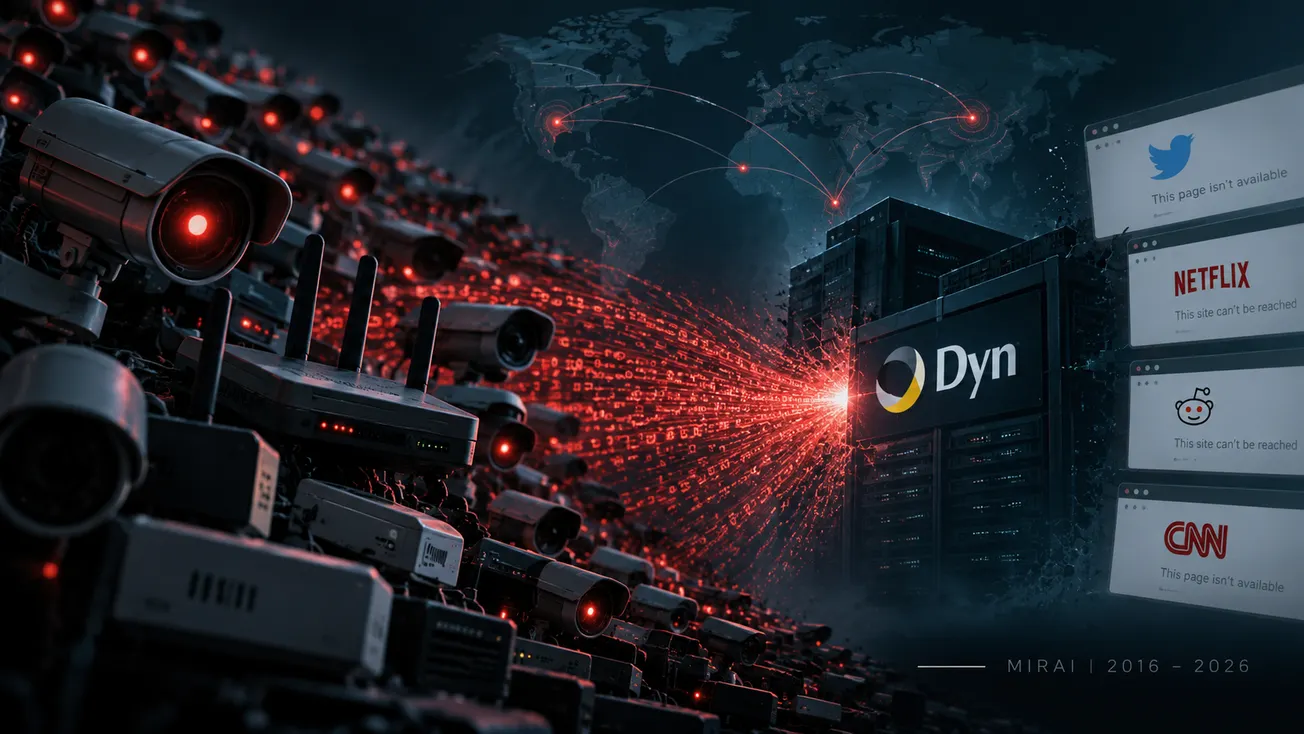
A Decade After Mirai: How the IoT Botnet Changed Cybersecurity Forever
Ten years after Mirai disrupted Dyn, explore how the IoT botnet changed DDoS defense, device security and internet resilience — and why it endures.
Ten years after Mirai disrupted Dyn, explore how the IoT botnet changed DDoS defense, device security and internet resilience — and why it endures.

Iranian cyberattacks are hitting U.S. critical infrastructure as water, energy and telecom systems face growing threats. Plus: AI SOCs, vulnerability overload, CYBR.SEC.CON 2026 — and more.
From Army signal intelligence and radio jamming to modern DDoS defense, the same lessons in reconnaissance, timing, disruption and adaptation reveal how attackers overwhelm networks — and how defenders can stay ahead.
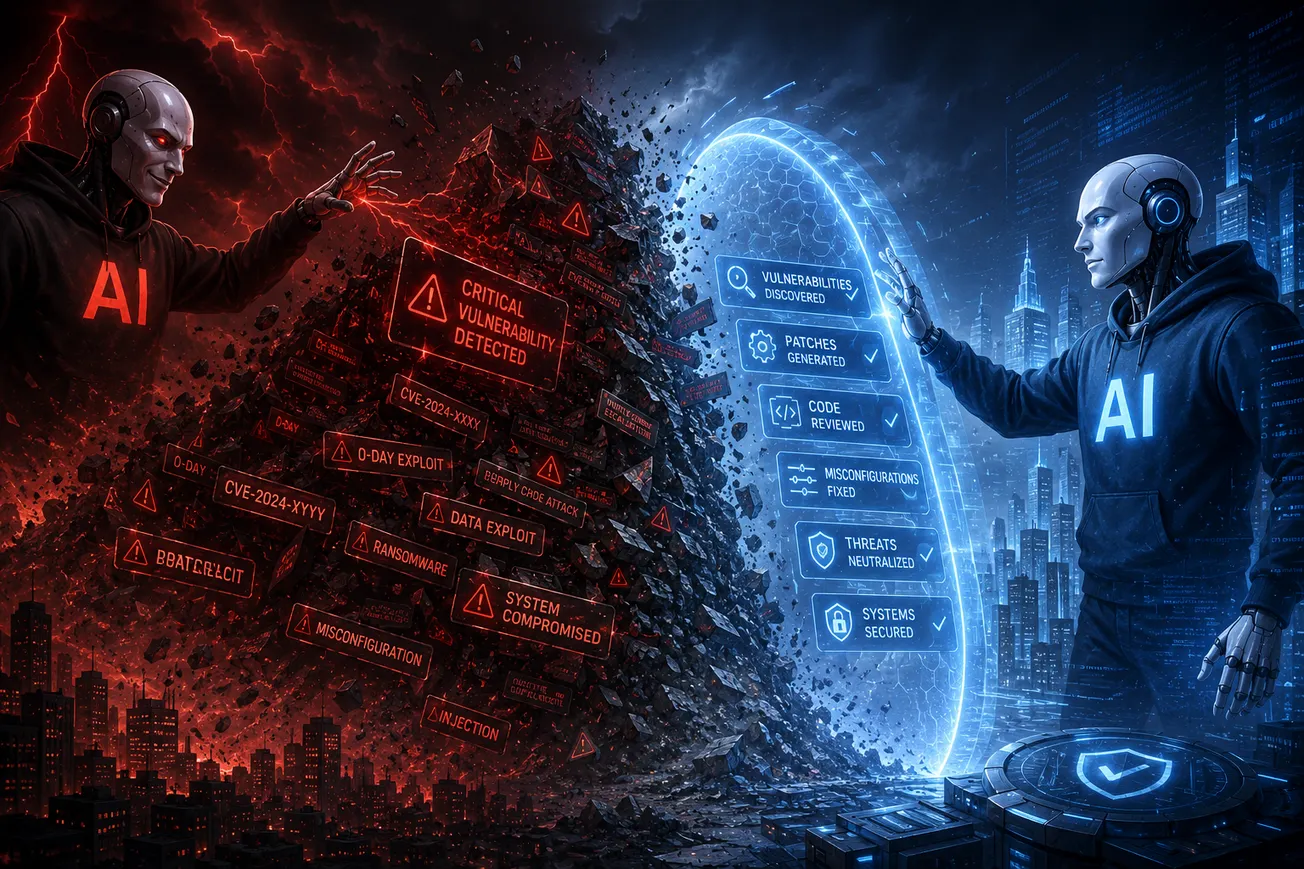
AI has broken traditional vulnerability management by accelerating vulnerability discovery and exploitation, but it may also be the only technology fast enough to help defenders regain the advantage.

Also this week: AI agents put Zero Trust to the test, OT security offers a blueprint for securing AI, and more!

AI coding agents make software development faster, but production-ready AI-generated code demands more engineering discipline—not less—from requirements and TDD to security testing, code review, and the SDLC.

DDoS attacks aren't just distractions. Learn why they reshape defender decisions and create opportunities beyond downtime.

This week: Hacker culture and awareness with Jayson E. Street, DDoS resilience lessons and how GitLost exposed agentic AI security risks.

Learn how chaos engineering helps organizations test DDoS resilience, expose weaknesses, and improve recovery before attacks strike.