
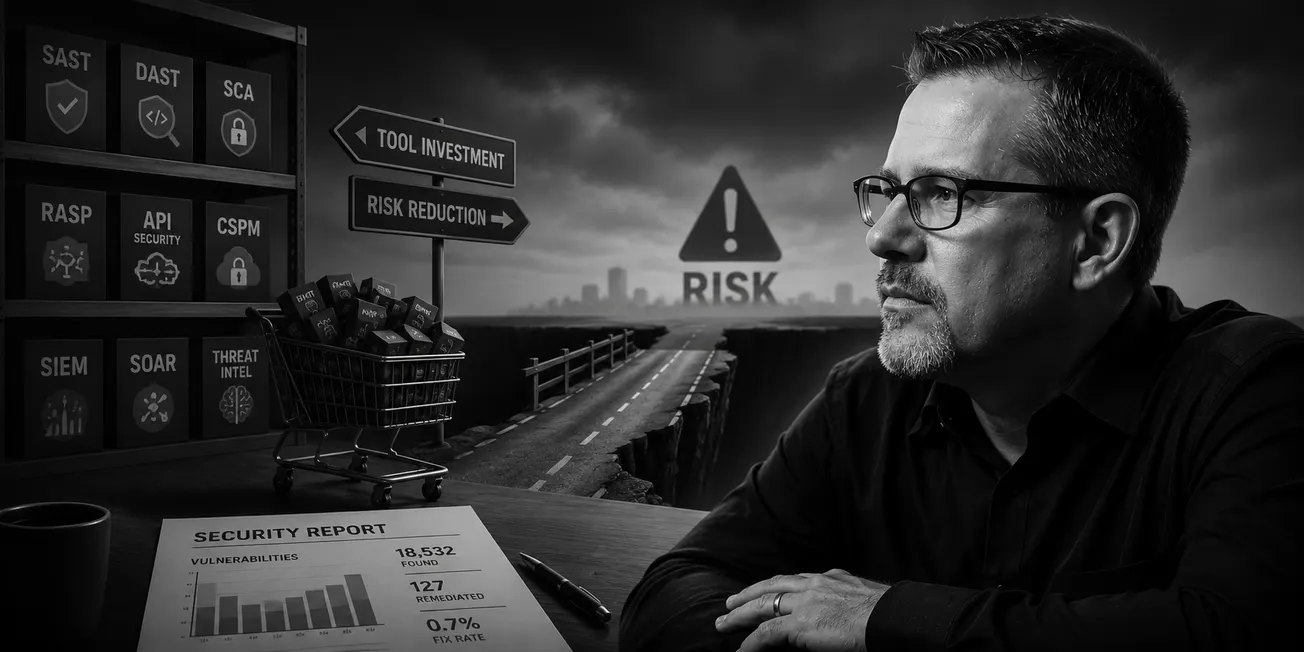
Why Security Tools Fail to Reduce Risk: The Cybersecurity Shelfware Problem
Chris Wysopal warns that buying security tools without fixing vulnerabilities creates activity, not risk reduction.

Chris Wysopal warns that buying security tools without fixing vulnerabilities creates activity, not risk reduction.

CYBR.SEC.CON. didn't replace HOU.SEC.CON. It grew from it, expanding from a Houston conference into a national cybersecurity event. (Includes infographic)
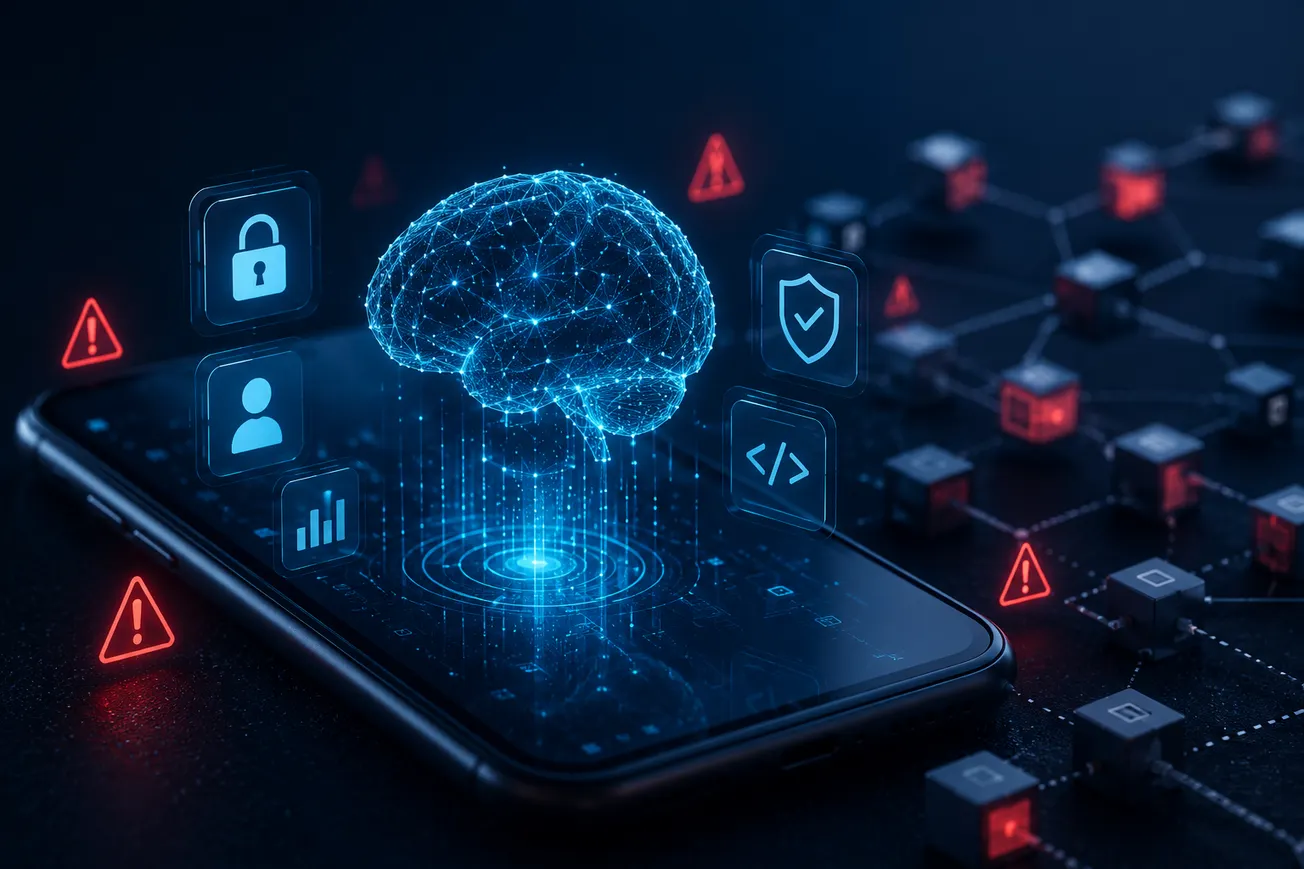
New research from NowSecure finds AI is now embedded in 95% of enterprise mobile apps, but more than one-third of organizations lack visibility into how those systems operate, even as mobile security incidents and third-party software risks continue to rise.

Also this week: Trump's quantum EO tightens screws on PQC compliance, AI changes the email security game and continues to cause a CVE avalanche.

Security awareness training isn't stopping breaches. Learn why human behavior matters and what security teams should do next. (Includes infographic)

Modern phishing attacks bypass traditional email gateways. Learn why identity, behavior, and post-delivery security matter. (Sponsored by Abnormal AI)

Attackers and defenders are both using AI. Learn why email security now depends on speed, context, and adaptive detection. (Sponsored by Abnormal AI)

Discover five must-read cybersecurity articles, videos, and creators every security professional should follow this week.
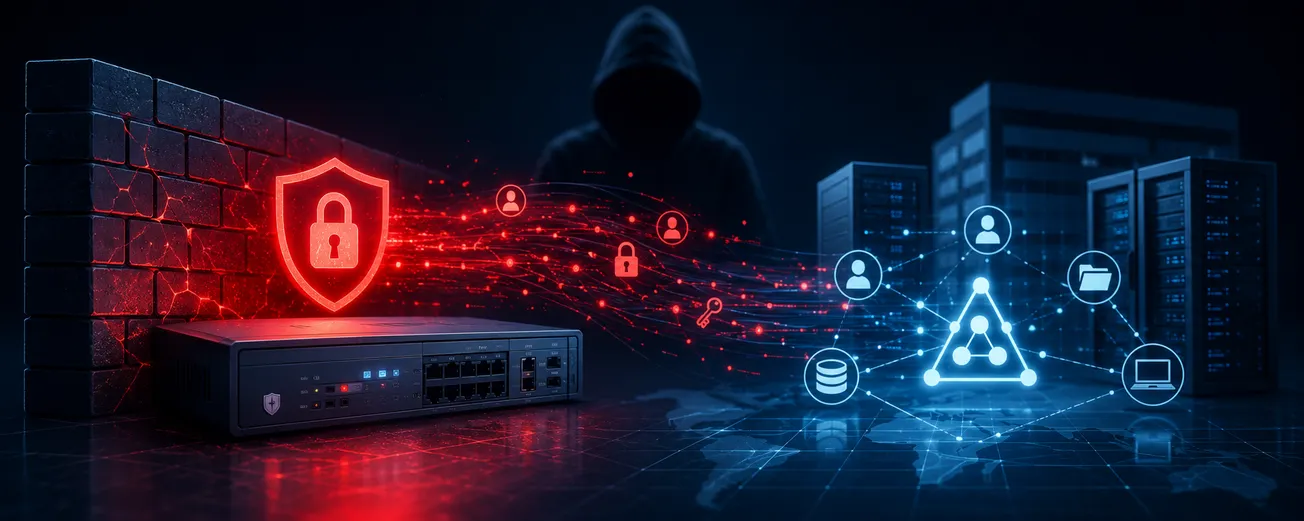
Fresh analysis suggests FortiBleed is not merely a Fortinet credential exposure event but a large-scale identity compromise campaign that turns perimeter devices into launchpads for deeper attacks against Active Directory, LDAP, and internal enterprise infrastructure.

Chatbots created data leakage concerns. Agentic AI introduces autonomous action, persistent context, and delegated decision-making, creating a new category of security and governance challenges that most organizations are only beginning to understand. (Sponsored by Harmonic Security)

Security teams can't govern AI they can't see. As employees adopt hundreds of AI tools, agents, and assistants, a new challenge is emerging: understanding how AI is being used inside the enterprise. (Sponsored by Harmonic Security)

A new ISSA/Omdia study finds widespread AI adoption in cybersecurity, but security professionals say growing complexity, burnout, skills shortages, and business pressures are making the profession more challenging than ever.

Accenture's acquisition of a majority stake in Dragos and full ownership of runZero and NetRise reflects growing urgency across the cybersecurity industry to defend critical infrastructure against nation-state threats, particularly those attributed to China.
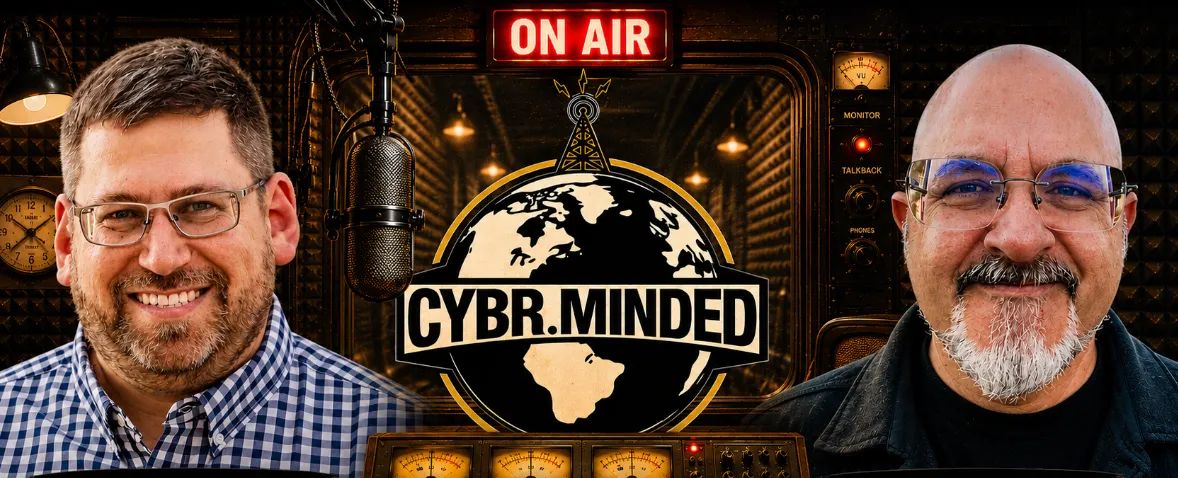
From our first episode of CYBR.Minded: Security teams are drowning in alerts, responsibility and impossible expectations. Until recently, the industry treated it as a personal problem instead of a systemic one.

Cybersecurity has been built around a simple equation: risk equals probability multiplied by impact. John Kindervag, creator of the Zero Trust Framework and chief evangelist at Illumio, says the equation assumes something defenders rarely possess: a reliable way to calculate probability.
Artificial intelligence has become cybersecurity's latest source of anxiety. John Kindervag, creator of the Zero Trust Framework and chief evangelist at Illumio, sees things differently.