

careers


CYBR.SEC.CON. 2026: News, Speakers, Agenda and Coverage
Follow CYBR.SEC.CON. 2026 in Houston with the latest news, speakers, keynotes, agenda, cybersecurity tracks, AI.SEC.CON. highlights, interviews and event coverage.
Cybersecurity, Experience and the Risk of Age Bias
Cybersecurity values experience, but age bias in hiring may filter out veteran talent before recruiters ever see it.

Cybersecurity Still Runs on Community, Say Packet Protector Hosts
Packet Protector hosts Drew Conry-Murray and JJ Jabbusch explain why mentorship, community, and accessible education remain cybersecurity's greatest strengths.

Is Grey Hair the New Gold in Cybersecurity?
The industry treats experience as the ultimate proxy for trust. But in doing so, it's quietly locking out the people it keeps insisting it can't find.
How Amanda Berlin Helped Make Mental Health a Cybersecurity Conversation
Amanda Berlin never set out to build a nonprofit. One keynote about depression, anxiety, and burnout sparked a movement that changed how the cybersecurity community talks about mental health.

Isn’t it Ironic with Amanda Berlin
Amanda Berlin discusses resilience, cybersecurity, and finding strength through life's unexpected twists and professional challenges.

AI Can't Fix Cybersecurity Hiring Until Job Descriptions Do
Outdated job descriptions are hurting cybersecurity hiring. Learn why AI can't solve a hiring process built on the wrong criteria.

Cybersecurity Keeps Talking About Hiring. Deidre Diamond Says Burnout Is the Bigger Crisis.
Deidre Diamond says burnout, not hiring, is cybersecurity's biggest workforce challenge. Learn what leaders should do next.

Fighting the Good Fight with Deidre Diamond
How vague job descriptions, inefficient hiring processes, and poor matching systems contribute to long hiring cycles, workforce shortages, and burnout.

The Human Factor with Dr. Calvin Nobles
Dr. Dustin Sachs sits down with Dr. Calvin Nobles to explore why security awareness alone is insufficient when it comes to changing human behavior.
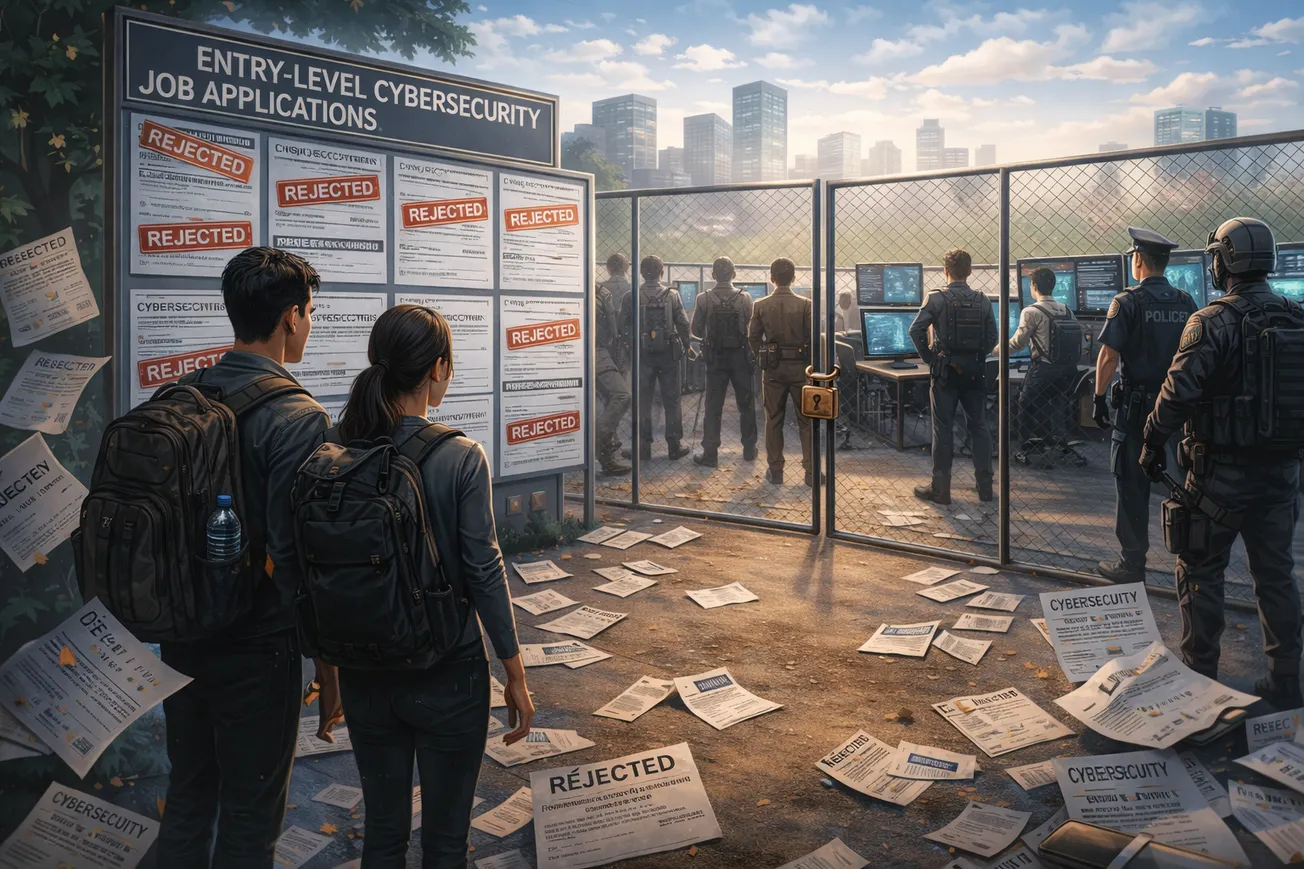
#RSAC 2026: The Cybersecurity Jobs Paradox: The Industry Needs Talent, But Entry-Level Workers Can’t Get In
The warped cybersecurity jobs market is a major topic of discussion at RSAC, and was the focus of a recent podcast with ICIT Executive Director Valerie Moon.
CYBR.SEC.CAST Episode 65: ICIT's Valerie Moon
The ICIT executive director discusses the importance of government internships, training programs, and public-sector experience in developing cybersecurity professionals.
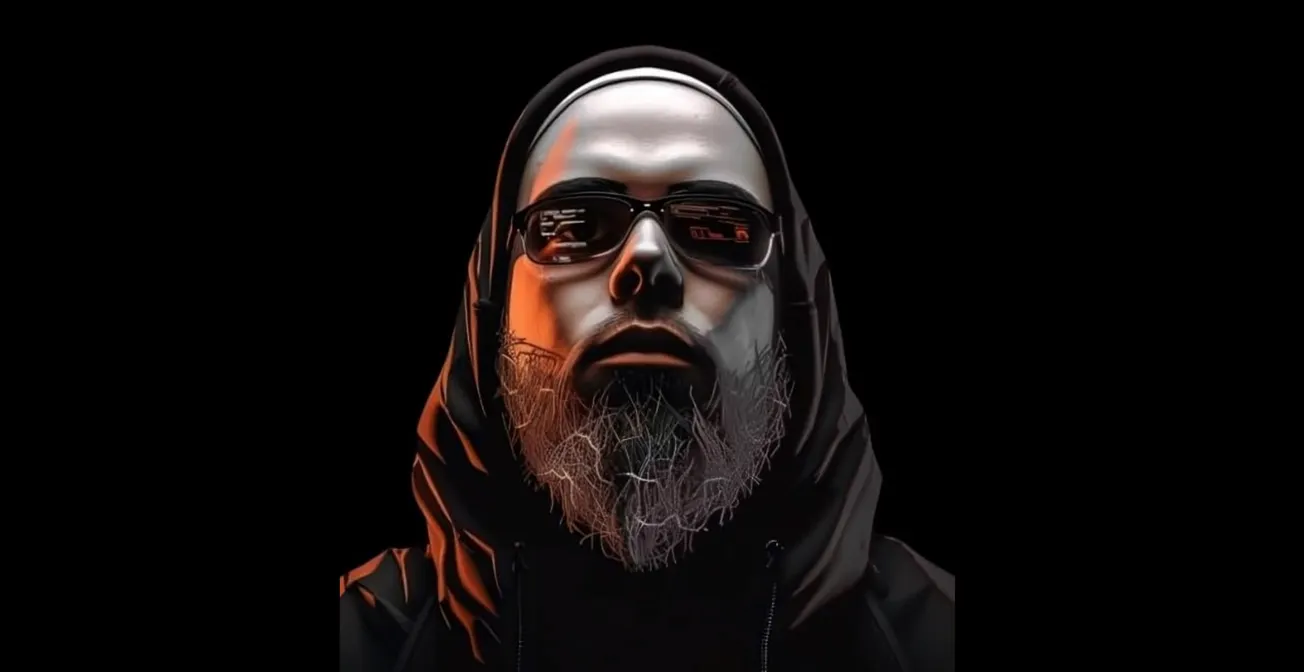
From IT Help Desk to Cyber Storyteller: How Chris Glanden Built a Creative Career in Cybersecurity
How a career that began in IT support evolved into cybersecurity consulting, podcasting, and documentary filmmaking focused on telling the human stories behind technology.
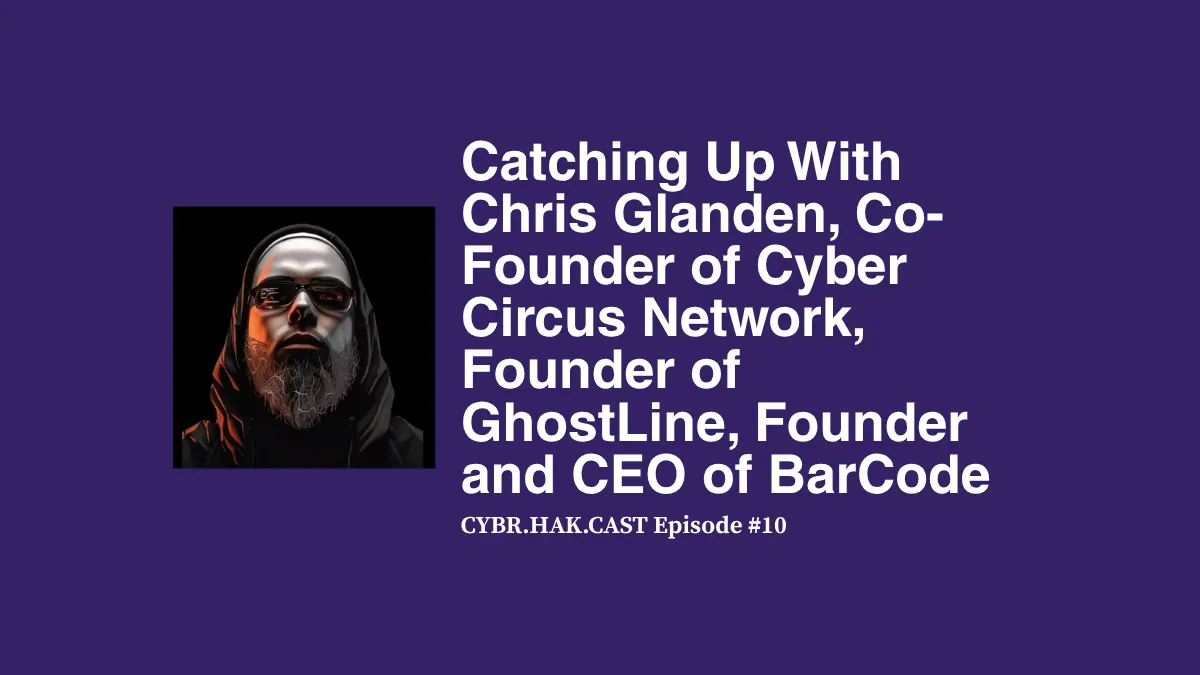
CYBR.HAK.CAST Episode 10: Chris Glanden
Hosts Michael Farnum and Phil Wylie talk with Chris Glanden, founder and CEO of Barcode and co-founder of the Cyber Circus Network, about his unconventional path into cybersecurity, his passion for storytelling, and the creative projects he’s bringing to the industry.