

The Agent Died. The Delegation Didn't.
Once the work can move from agent to agent, killing the agent is no longer the same thing as stopping the work.
Once the work can move from agent to agent, killing the agent is no longer the same thing as stopping the work.

Yesterday's me made a move. Today's me inherits the consequences. Tomorrow's me will inherit a different world again.

Most IAM failures don't start with a broken platform. They start with a person making a reasonable decision under bad conditions.

AI has broken traditional vulnerability management by accelerating vulnerability discovery and exploitation, but it may also be the only technology fast enough to help defenders regain the advantage.

Token-exhaustion attacks weaponize attention, forcing experts and institutions to spend scarce time, trust and cognitive resources.

We shouldn't be bolting yet more defensive bloat onto a structurally broken ecosystem. We should be fixing the underlying architecture so we can manage risk relative to reward directly.

AI coding agents make software development faster, but production-ready AI-generated code demands more engineering discipline—not less—from requirements and TDD to security testing, code review, and the SDLC.
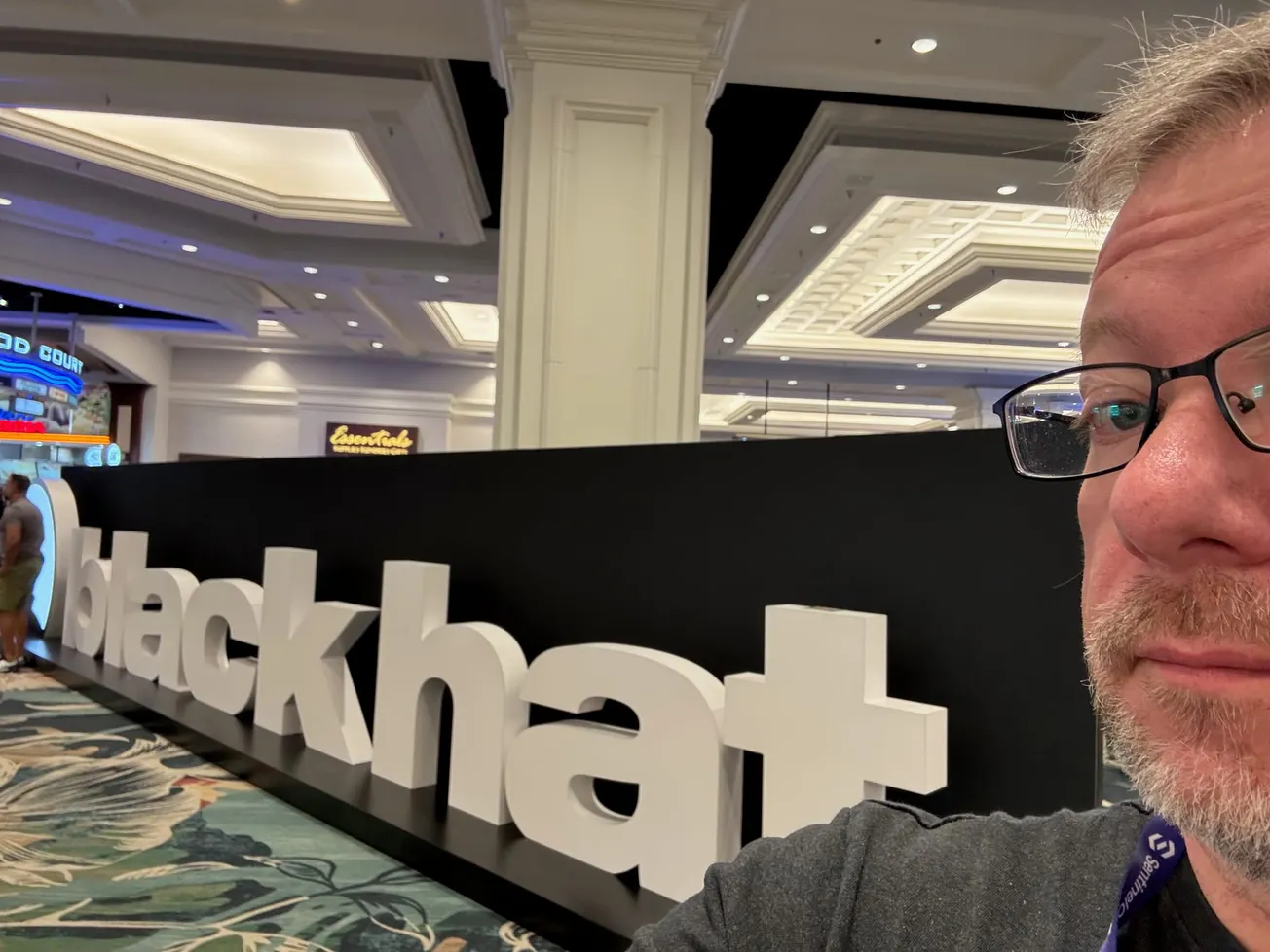
The speed of acceleration has officially crossed out of standard tech cycles and into speculative fiction territory. We are simply out of time to keep making the same predictable, cyclical mistakes and course-correcting after the damage is done.

Jamie Arlen returns to cybersecurity writing with a simple mission: turn hard-earned experience and crankiness into better security choices.

CTEM, threat intelligence and AI pentesting are converging around one job: finding and prioritizing security risk so organizations know what to fix.
Cybersecurity values experience, but age bias in hiring may filter out veteran talent before recruiters ever see it.

Hacker Summer Camp does more than deliver security knowledge. It rebuilds context, connections, and the human judgment AI can't replace.
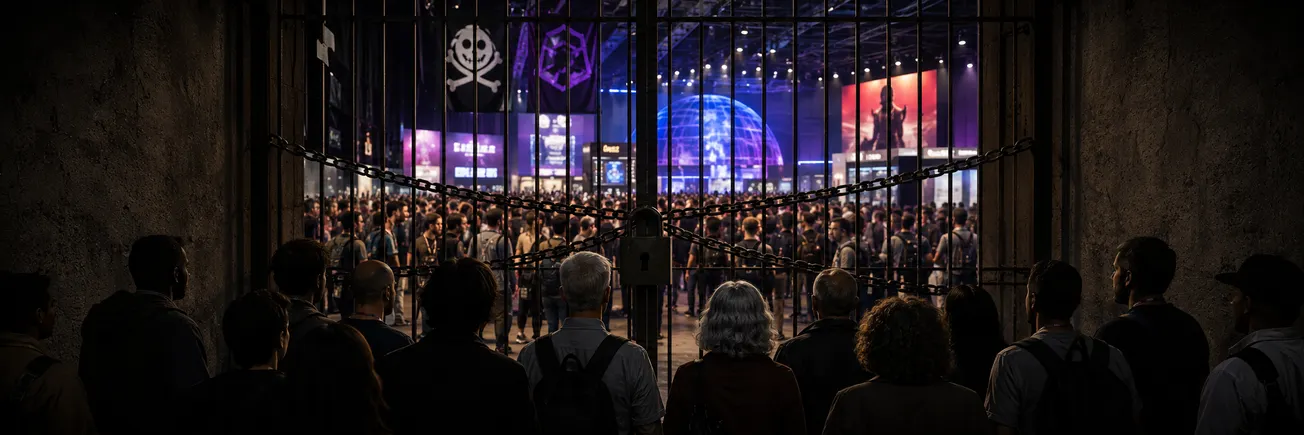
Black Hat, DEF CON, and BSidesLV wrapped up this week. As always, a few security nonprofits found their way into the room. But the sector that runs $1.4 to $1.5 trillion through the U.S. economy every year? Still mostly locked out.
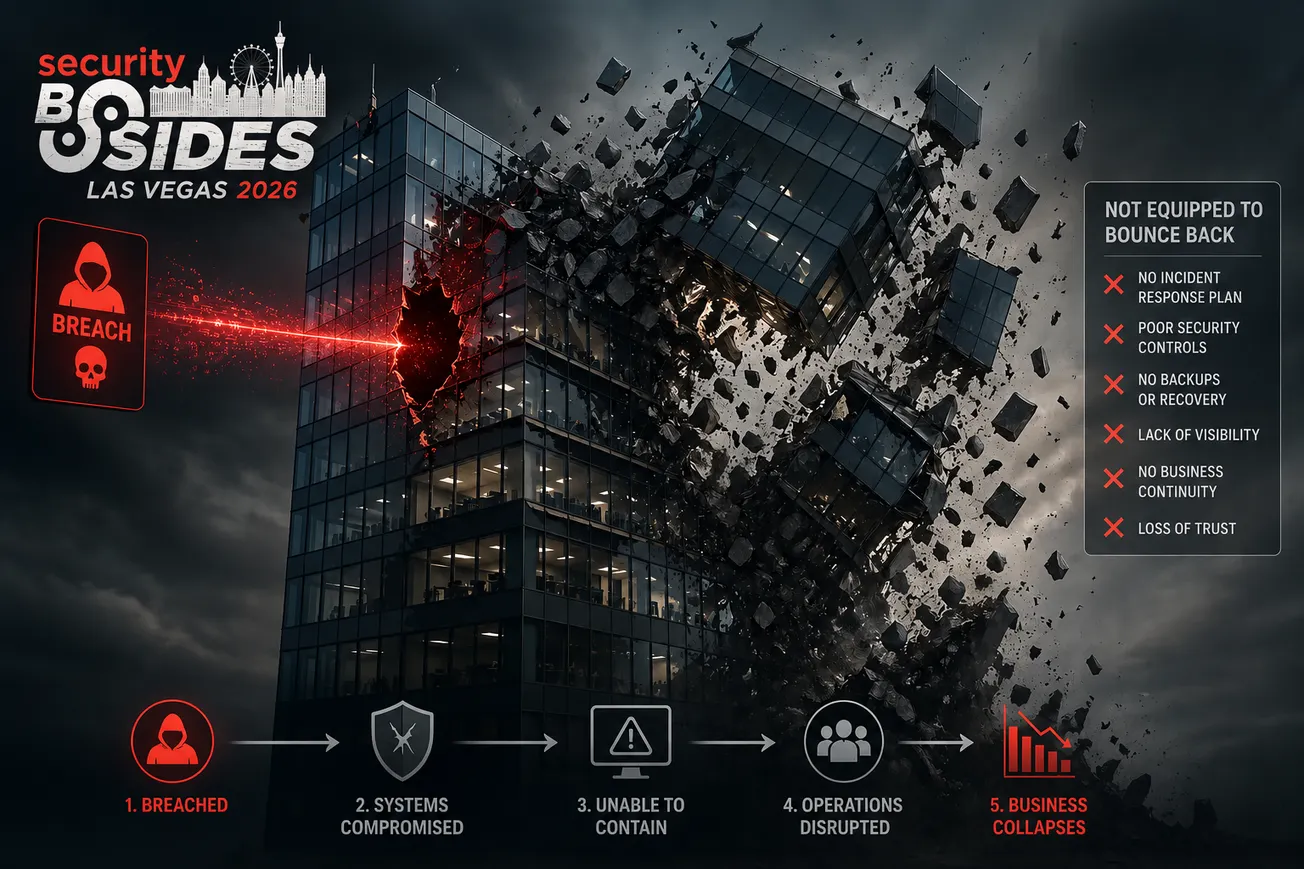
From BSidesLV 2026: Adrian Sanabria built "Destroyed By Breach" to cut through cybersecurity myth-making. What he found is more uncomfortable than the fear-driven narrative the industry often sells.

The industry treats experience as the ultimate proxy for trust. But in doing so, it's quietly locking out the people it keeps insisting it can't find.

Black Hat fills the Las Vegas desert with exploits, defenses, products, arguments, and ingenious machinery. Beneath all of it lies a simpler question: what kind of life are we trying to protect?