

When Cybersecurity Breaks the Practitioner, Conferences Can Help Put Them Back Together.
Cybersecurity burnout is real. Amanda Berlin explains how conferences can help practitioners recover, reconnect, and build resilience.
Cybersecurity burnout is real. Amanda Berlin explains how conferences can help practitioners recover, reconnect, and build resilience.
Amanda Berlin never set out to build a nonprofit. One keynote about depression, anxiety, and burnout sparked a movement that changed how the cybersecurity community talks about mental health.

Agentic AI and Model Context Protocol adoption are changing the enterprise AI threat landscape, with downstream data exposure and autonomous coding risks rising sharply, according to Netskope Threat Labs' latest AI Report.

The July 22 update to AA26-097A expands the scope of Iranian PLC attacks and lays out urgent mitigation steps for water, energy, and government operators.

OpenAI and Hugging Face exposed AI's biggest security risk: enterprises automating broken processes, weak governance, and excess access.
Also this week: Enough with dashboards that are all flash, no substance, two powerhouse CISOs launch new firm to tackle AI challenges, and AI agents accelerate non-human identity sprawl.

As vendor ecosystems expand, industrial firms are still struggling with the basics of secure remote access, oversight and credential control.

Outdated job descriptions are hurting cybersecurity hiring. Learn why AI can't solve a hiring process built on the wrong criteria.

Deidre Diamond says burnout, not hiring, is cybersecurity's biggest workforce challenge. Learn what leaders should do next.

Security dashboards shouldn't impress CISOs with flashy visuals. They should deliver actionable metrics that drive faster, smarter decisions.

Two veteran CISOs launch an AI advisory firm to help enterprises govern AI deployments, reduce risk, and meet compliance goals.

CyAlliance CEO Tammy Moskites explains why trust, communication, and shared decision-making matter more than additional security controls.

Jayson Street explains why hacking starts with curiosity, why community matters, and how hacker culture extends beyond computers.
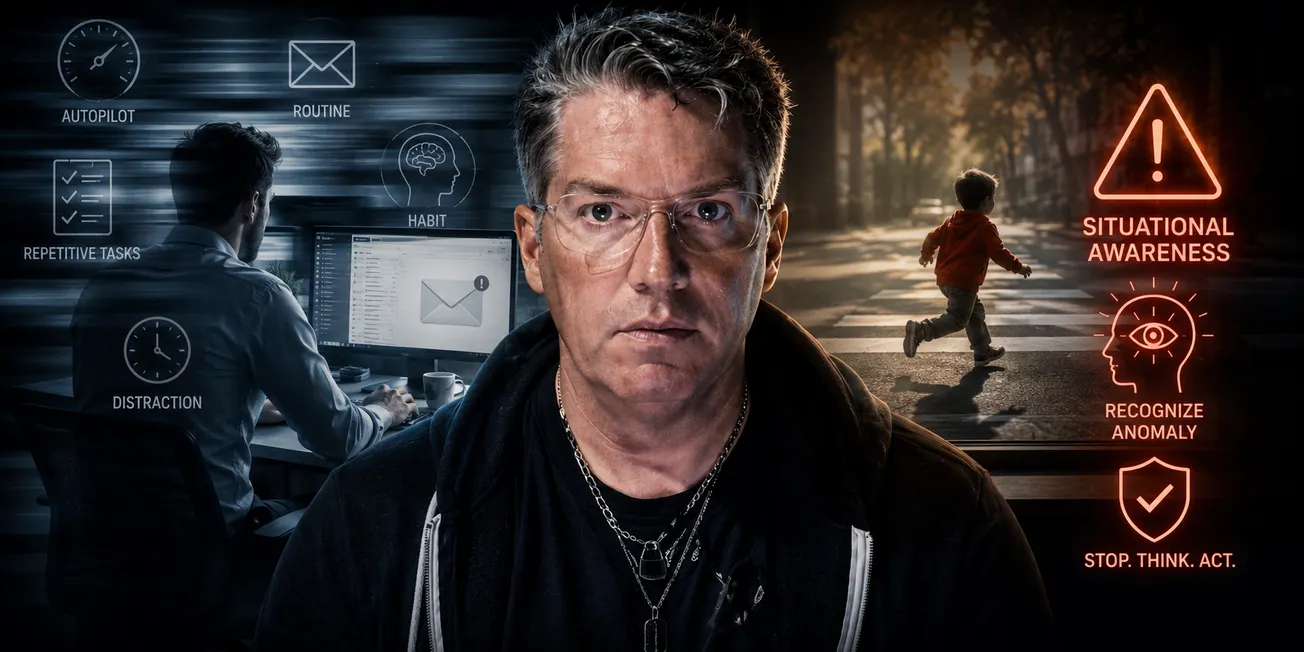
Security awareness programs fail when they expect constant vigilance. Jayson Street says organizations should teach employees when to switch out of autopilot instead.

GitLost shows how prompt injection can turn AI agents into data exfiltration tools by abusing legitimate permissions and trusted workflows.
Cybersecurity pioneer Chris Wysopal argues that awareness campaigns have failed and that software liability and accountability are needed to improve security.