
This article is based on the latest episode of CYBR.HAK.CAST. Here is the full episode and related article:
 Lauren Andrus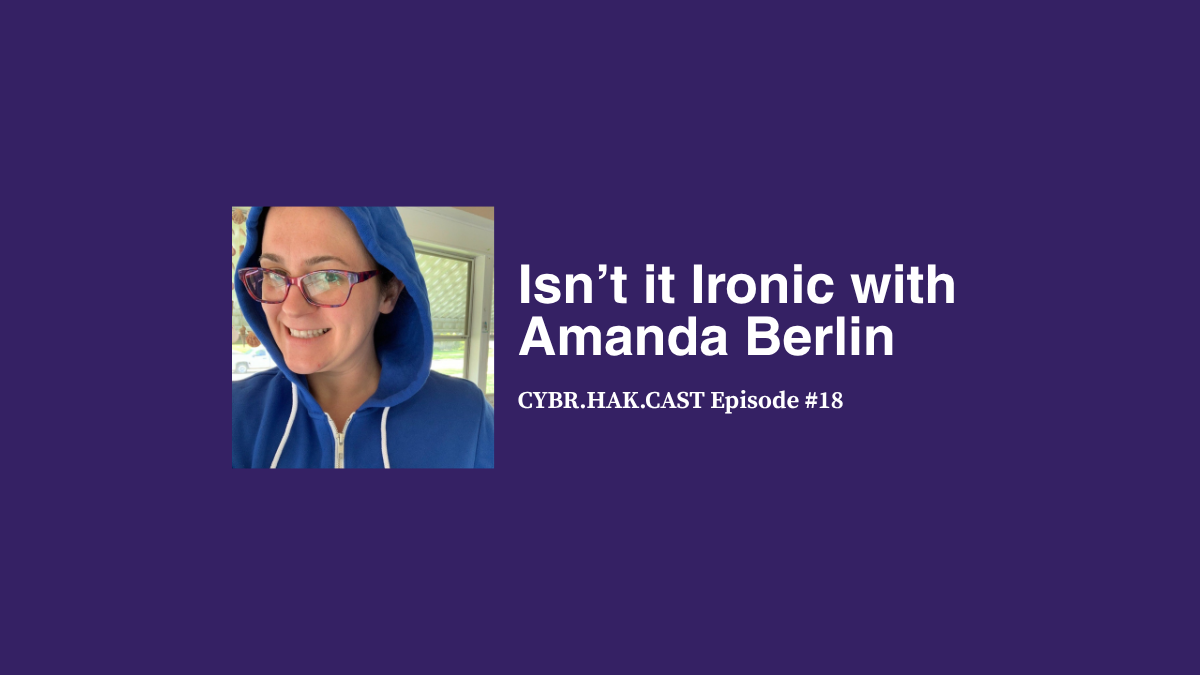
 Bill Brenner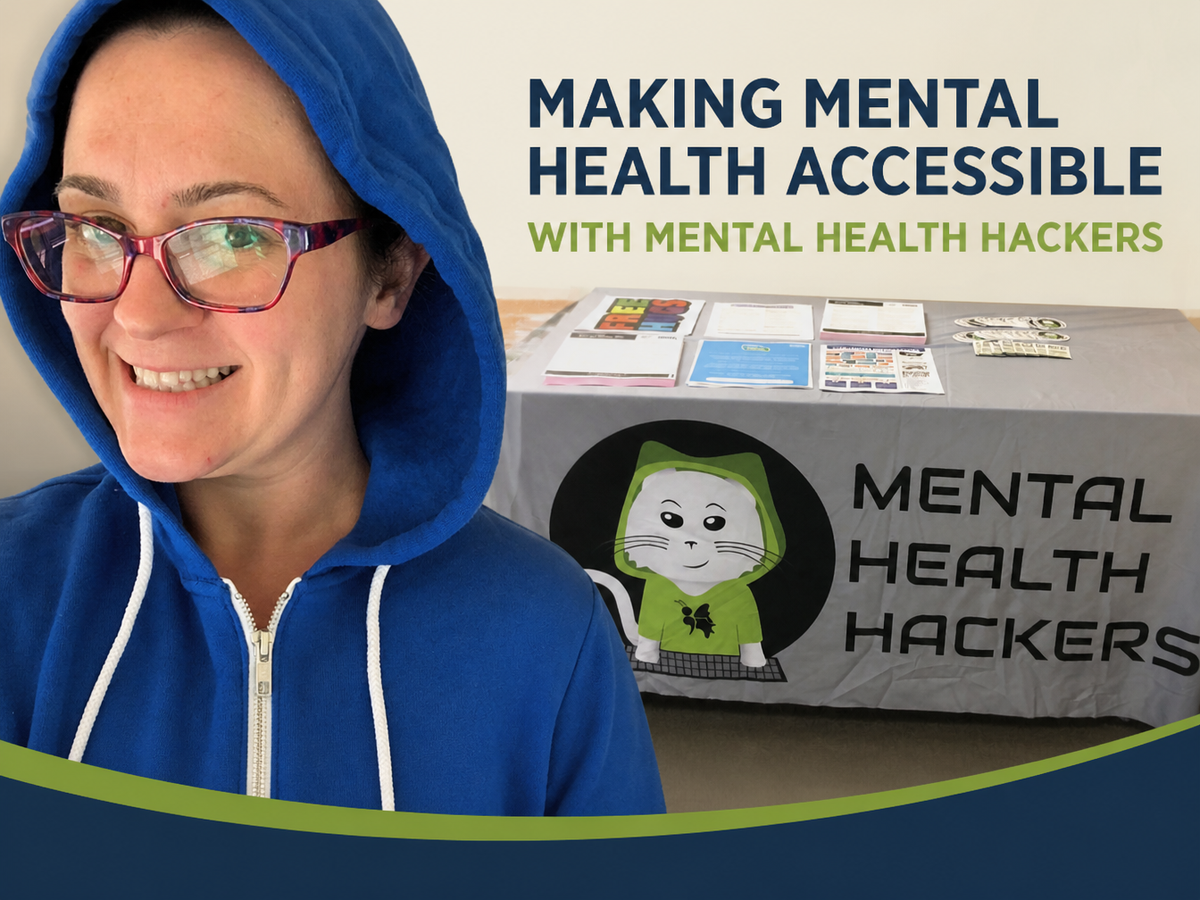
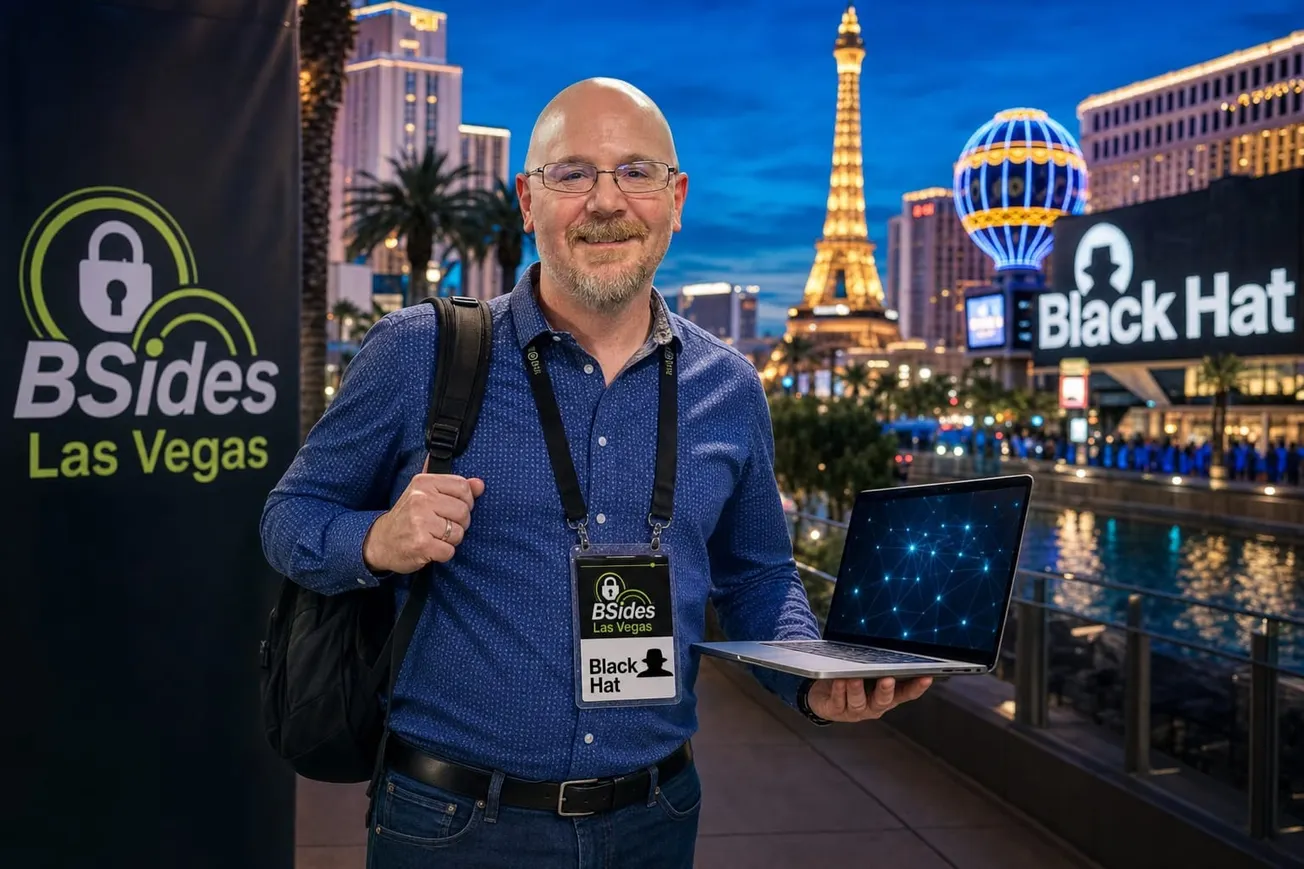
Something to consider as many of us prepare to attend Black Hat, BSidesLV and DefCon next week: For most cybersecurity professionals, conferences are about learning the latest attack techniques, discovering new tools, and catching up with colleagues they only see a few times a year.
Amanda Berlin believes they're capable of something even more important.
In a profession defined by constant alerts, relentless pressure, and an ever-present fear of being the next breach headline, cybersecurity conferences can become places where practitioners begin to recover. Not because they're escaping the industry, but because, for a few days, they're surrounded by people who understand exactly what carrying that burden feels like.
Through her work with Mental Health Hackers, Berlin has spent years helping conferences create spaces where attendees can slow down, step away from the noise, and reconnect—not just with their peers, but with themselves. In her view, those moments aren't extras. They're becoming essential to the long-term health of the cybersecurity workforce.
The job follows practitioners everywhere
Cybersecurity rarely stays at the office.
Incident responders carry the stress of ransomware investigations long after the workday ends. Security leaders worry about the breach that hasn't happened yet. Analysts spend hours staring at dashboards, responding to alerts, and making decisions where mistakes can have enormous consequences.
Then they arrive at conferences.
For many attendees, that means trading months of isolation behind computer screens for several days of crowded hallways, nonstop conversations, flashing vendor booths, networking events, and packed technical sessions.
For Berlin, those transitions weren't always easy.
"I've been working from home for 15 years," she said during the CYBR.HAK.CAST interview. "I would be working from home all by myself for a long time and then be surrounded by people, noise, information, drinking, and partying."
"My brain would freak out and I'd have massive panic attacks."
That experience became one of the driving forces behind the Mental Health Village.
Rather than forcing attendees to retreat to their hotel rooms when everything became overwhelming, Berlin envisioned a place where people could stay connected to the conference while stepping away from its intensity. A place where taking a break wasn't viewed as weakness, but as part of sustaining yourself in a demanding profession.
As CYBR.HAK.CAST co-host Michael Farnum observed, those spaces don't just help the people using them. They also help friends, coworkers, and family members better understand what anxiety, depression, burnout, and other mental health challenges can look like in people who outwardly appear perfectly fine.
Related:
 Bill Brenner
 Bill Brenner
Recovery doesn't always look like therapy
One of the most striking aspects of the Mental Health Village is how ordinary it feels.
There are coloring books. Knitting. Crafts. Drawing. Yoga. Comfortable places to sit.
Sometimes it's simply a quiet conversation with another practitioner who understands the pressures of the profession without needing them explained.
That's intentional.
Mental Health Hackers isn't designed to replace professional mental healthcare. Berlin is careful to point attendees toward organizations like NAMI and other licensed resources when someone needs clinical support. The village exists for something different: helping people decompress before exhaustion turns into something more serious.
The pandemic reinforced how necessary those spaces had become.
When conferences disappeared, Mental Health Hackers pivoted to virtual painting classes, yoga sessions, and care packages filled with comfort items for practitioners struggling through months of isolation. When events returned, Berlin noticed many attendees still hadn't regained their comfort with large gatherings.
"I talked to a couple people... even in 2025, five years later, still trying to get back into the socialization aspect because they were just so impacted," she said.
Recovery, she realized, wasn't simply about returning to conferences.
It was about rebuilding community.
A healthier profession starts with healthier practitioners
Cybersecurity conferences have traditionally measured success by attendance, keynote speakers, certifications earned, sponsor engagement, and packed training rooms.
Those metrics matter.
But Berlin believes there's another question worth asking.
Did people leave feeling better than when they arrived?
Toward the end of the conversation, she offered one of the simplest pieces of advice she gives practitioners looking to improve their mental health.
"Literally anything that doesn't have to do with a screen."
In an industry where professionals spend entire days moving between laptops, phones, dashboards, ticketing systems, and endless notifications, even small moments away from technology can make a difference.
That philosophy extends beyond conference programming. It's about recognizing that cybersecurity professionals aren't machines built to absorb unlimited stress. They're people who need time to rest, reconnect, and remember why they entered the profession in the first place.
For years, cybersecurity conferences have been designed to make practitioners smarter. Amanda Berlin's work suggests they have another responsibility as well: helping the people who defend everyone else return home a little healthier than they arrived.