

Cybersecurity Startup Success Starts With Company Culture, Veteran Investor Says
DataTribe's Bob Ackerman explains how leadership, company culture and a shared mission helped Dragos build a lasting cybersecurity business.
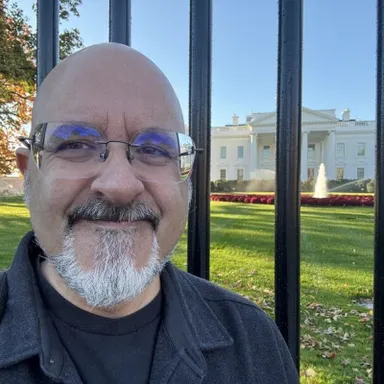
DataTribe's Bob Ackerman explains how leadership, company culture and a shared mission helped Dragos build a lasting cybersecurity business.

Cyberattacks on French supermarkets and new Anthropic research reveal how vulnerable smart refrigerators, ovens and IoT devices could become targets for self-replicating AI agents.

Also this week: HIPAA gets a cybersecurity shakeup, water utilities ditch email-and-phone-call defense, AI agents blow past identity controls, ransomware gets an AI upgrade, and Zero Trust is put to the test.
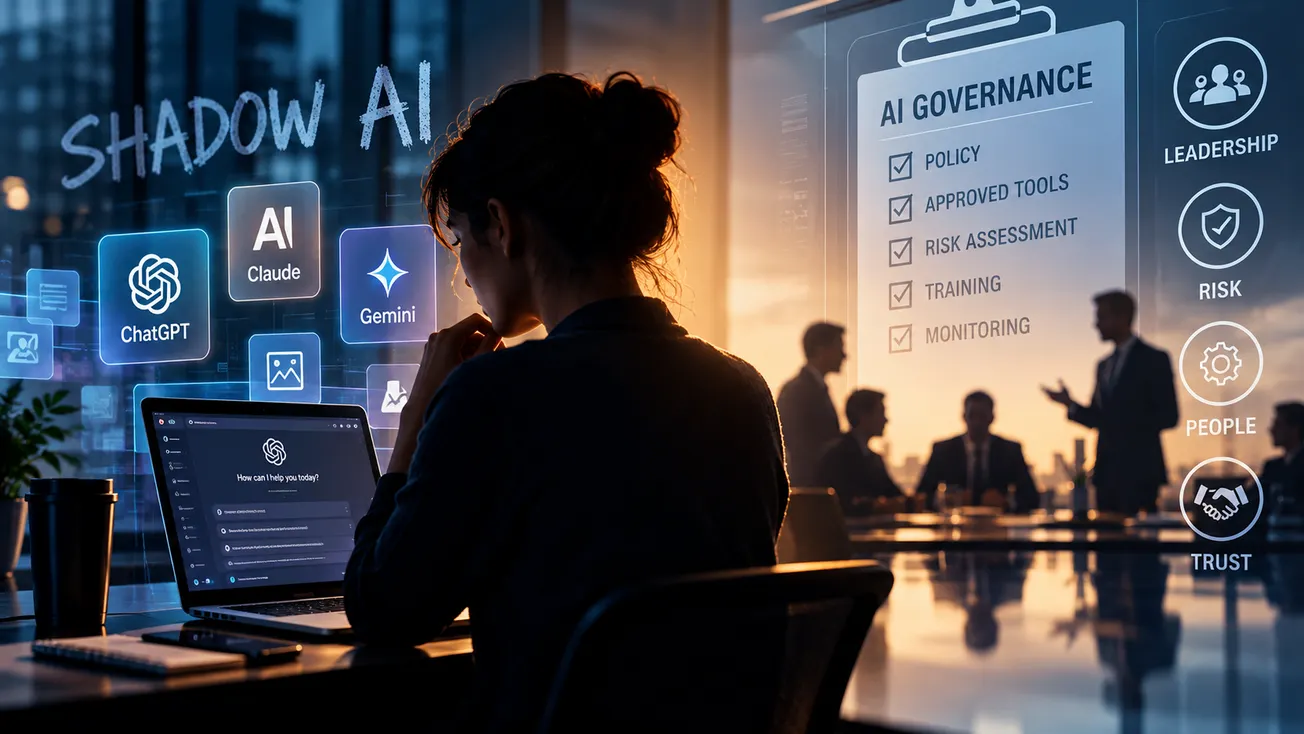
Employees aren’t necessarily ignoring AI governance when they use unapproved tools. Olivia Rose argues that conflicting messages, weak training and poor leadership are fueling shadow AI — and policies alone won’t fix it.
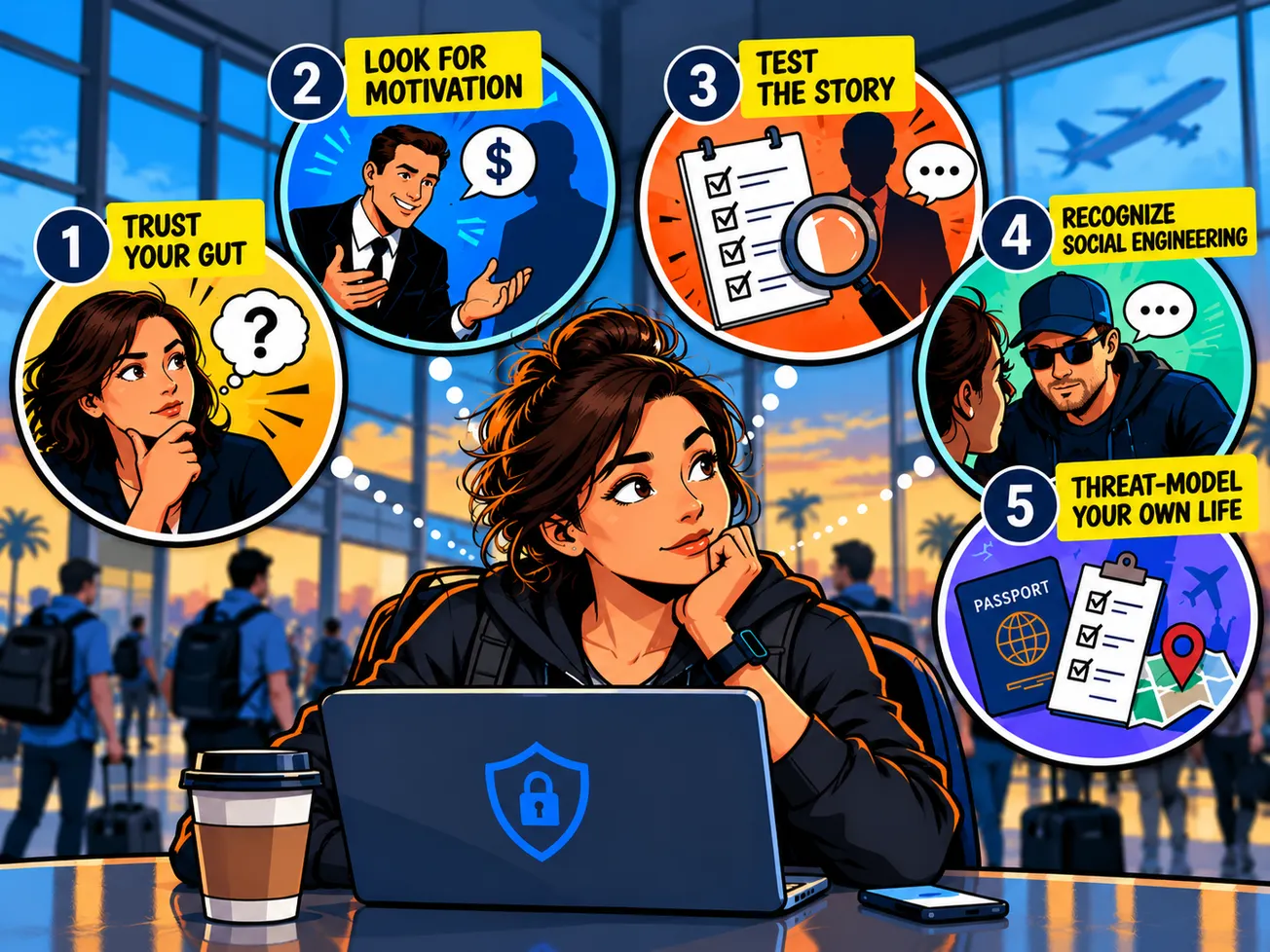
Former CIA, FBI, NSA and counterterrorism professionals at CruiseCon explain how intelligence tradecraft can make cyber defenders safer and more effective on and off the job.

AI-powered ransomware attacks don't need sophisticated new techniques to create more risk. ThreatLocker CTO Michael Jenkins says automation lets cybercriminals target more businesses with less work, putting smaller organizations increasingly in the crosshairs.
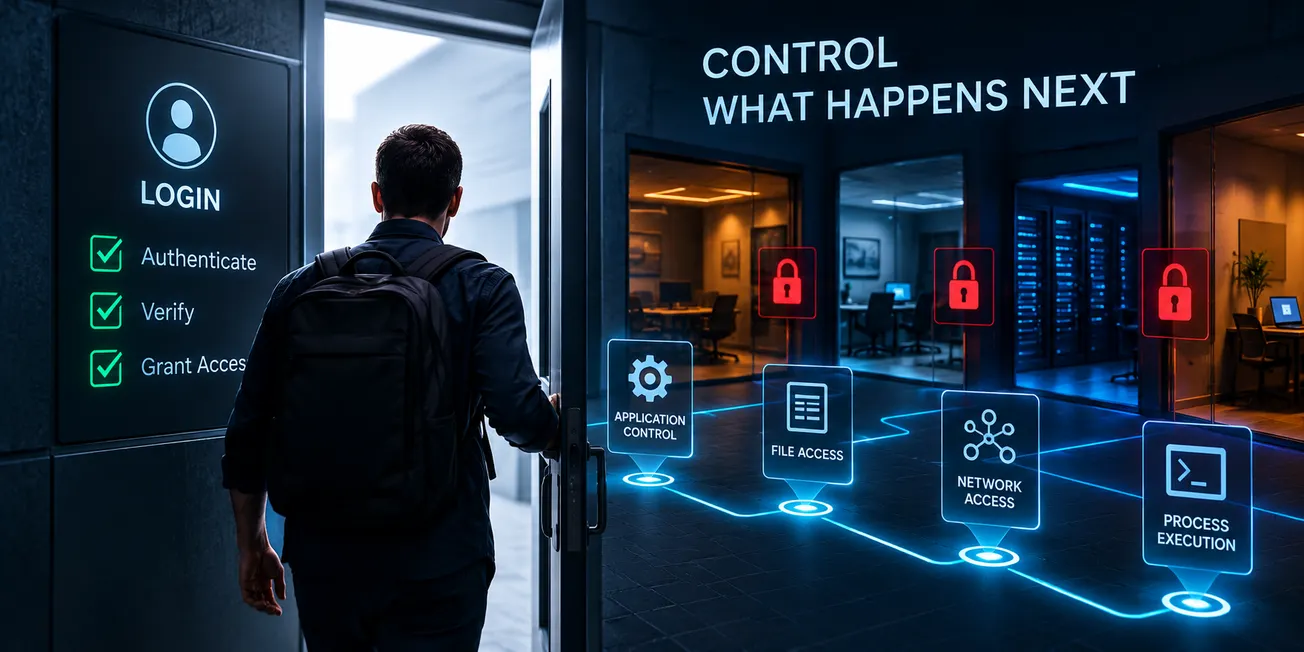
Zero Trust security requires more than authentication and network access controls. ThreatLocker CTO Michael Jenkins explains why organizations must restrict what users, applications and processes can do after access is granted.

Full CruiseCon 2026 coverage from aboard Mariner of the Seas, including AI security, privacy, insider threats, cyber risk and leadership.
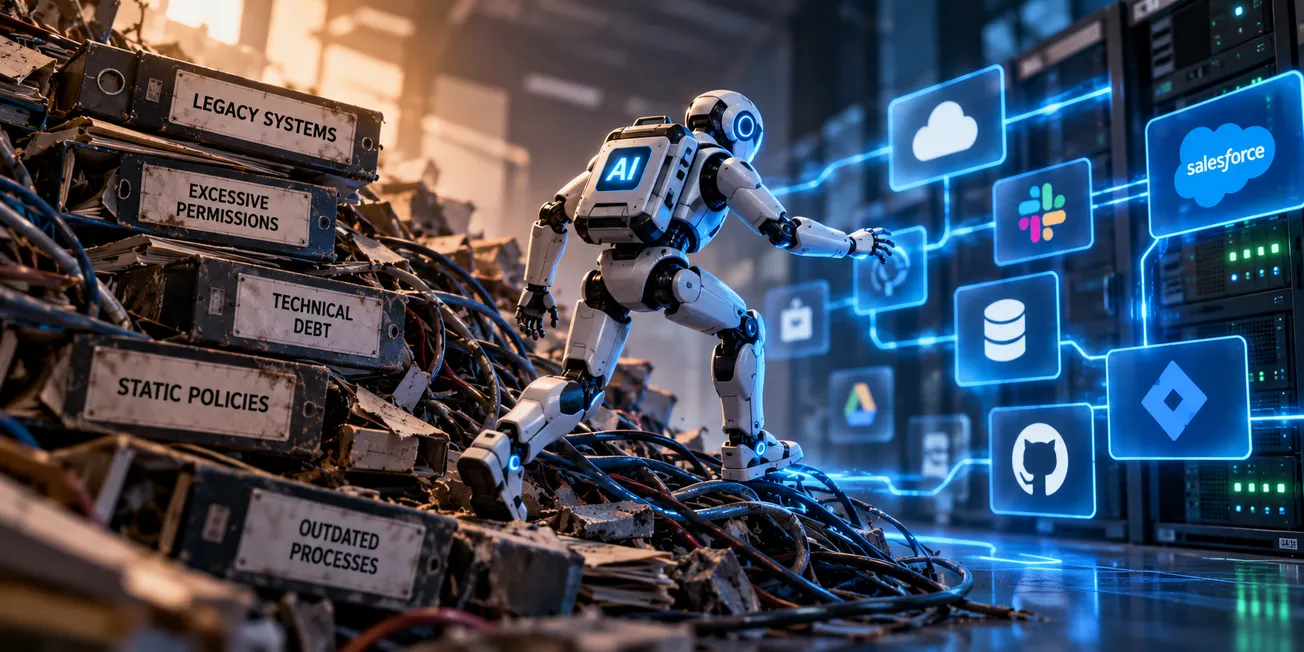
Agentic AI is exposing the limits of static security policies, excessive permissions and decades of technical debt. Enterprises need dynamic, runtime security controls that evaluate what AI agents are doing in real time. (Sponsored by Eve Security)
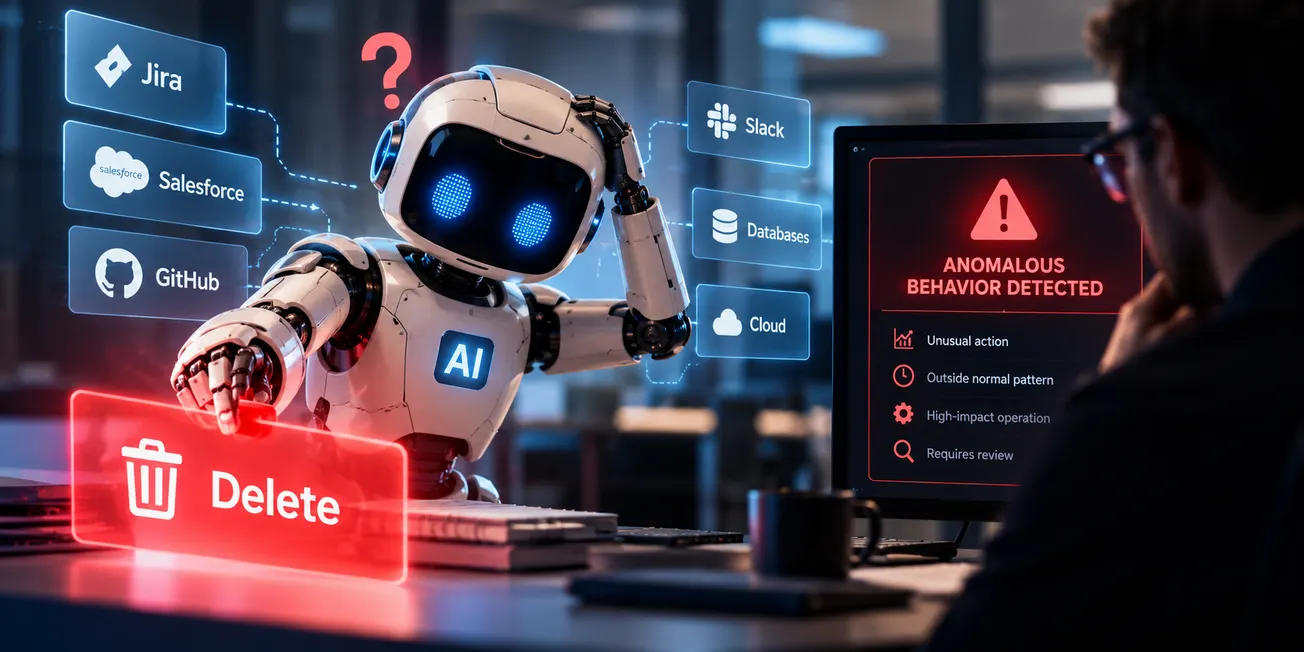
As enterprises deploy autonomous AI agents across critical systems, security teams must assume those agents will make mistakes. Agentic AI security requires continuous monitoring of behavior, intent and context — not blind trust in permissions. (Sponsored by Eve Security)
Suspected AI-assisted cyberattacks breached seven South Korean financial firms and exposed data on more than 67,000 people. The attacks reinforce warnings heard at CruiseCon AI and Privacy 2026 and point to five security actions organizations should take now.

Speaking during CruiseCon Privacy & AI 2026, global privacy leader Adriana Antunes Winkler warned that organizations need a common privacy governance core with deliberate local controls as data crosses borders, AI agents take action and computing begins moving into orbit.

Speaking during CruiseCon AI and Privacy, former CIA case officer Erin Whitmore warned that attackers may not need to hack enterprise AI. Manipulating the data and sources AI trusts could turn models into unwitting insider threats that steer organizations toward attacker-controlled decisions.

Bill Brenner posts regular updates from abourd the Mariner of the Seas cruise ship, where he is covering the proceedings during CruiseCon 2026

At CruiseCon, former U.S. counterterrorism agent Dexter Ingram explained how terrorism and cybercrime increasingly follow the same playbook: exploit human weaknesses, adapt after disruption, hide behind new identities and move faster than defenders.

AI adoption is accelerating faster than enterprise security controls can keep pace, with 94% of organizations increasing AI risk management spending as agentic AI, shadow AI, policy violations and security blind spots expand the attack surface.