
CYBR.SEC.CON. 2026 Videos: Watch Every Keynote and Presentation
Watch every CYBR.SEC.CON. 2026 keynote and presentation, with sessions covering AI, cybersecurity leadership, critical infrastructure, burnout, offensive security and more.
Watch every CYBR.SEC.CON. 2026 keynote and presentation, with sessions covering AI, cybersecurity leadership, critical infrastructure, burnout, offensive security and more.
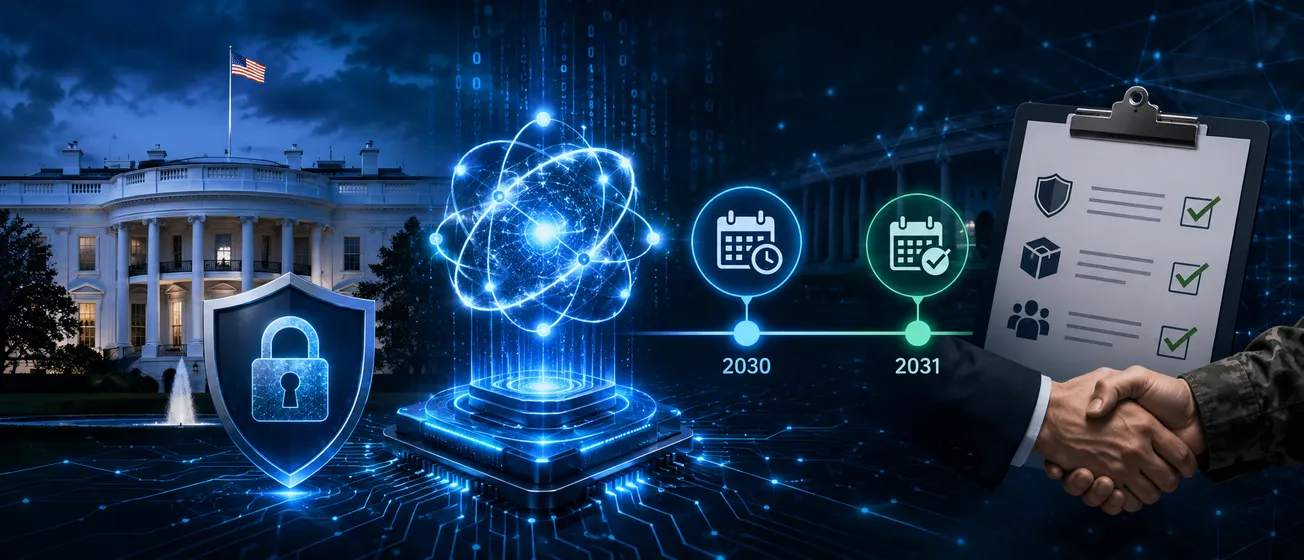
A new White House executive order sets hard deadlines for federal agencies to migrate to post-quantum cryptography by 2030 and 2031 and extends those obligations to contractors through new procurement rules. (includes infographic)

A new report from Cye finds that AI adoption is racing ahead of AI security, leaving organizations stuck between governance policies on paper and operational controls that can actually reduce risk. The report analyzed more than 2,400 assessments across 21 countries and 16 industries.

The world moved swiftly to adopt enterprise AI. Here come the regulations. In this story, we cover what security and risk teams need to know to weather the new regulatory waters.

Here are the predictions we believe will have significant impacts on security professionals in the year ahead: the bad and the good.
Doing less can deliver more. Scope reduction reduces risk, simplifies compliance, and makes regulated opportunities attainable for any organization willing to focus on what really matters.

The National Institute of Standards and Technology's new Control Overlays for Securing AI Systems and the Coalition for Secure AI provide much-needed standardization for AI security across government and industry.
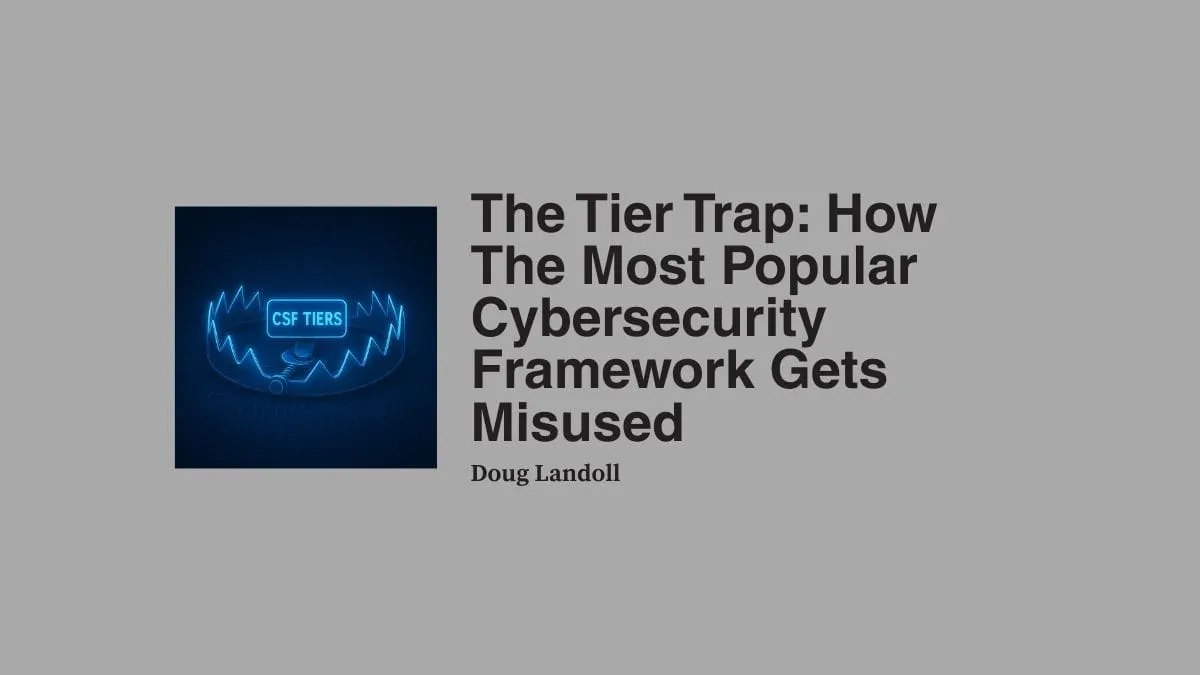
Treating CSF Tiers as maturity scores creates a dangerous illusion… boards believe Tier 4 means secure, when in reality it does not.
Most, eventually all, CISOs will be forced to endure the loss of a cherished vendor and promising roadmap due to an acquisition.
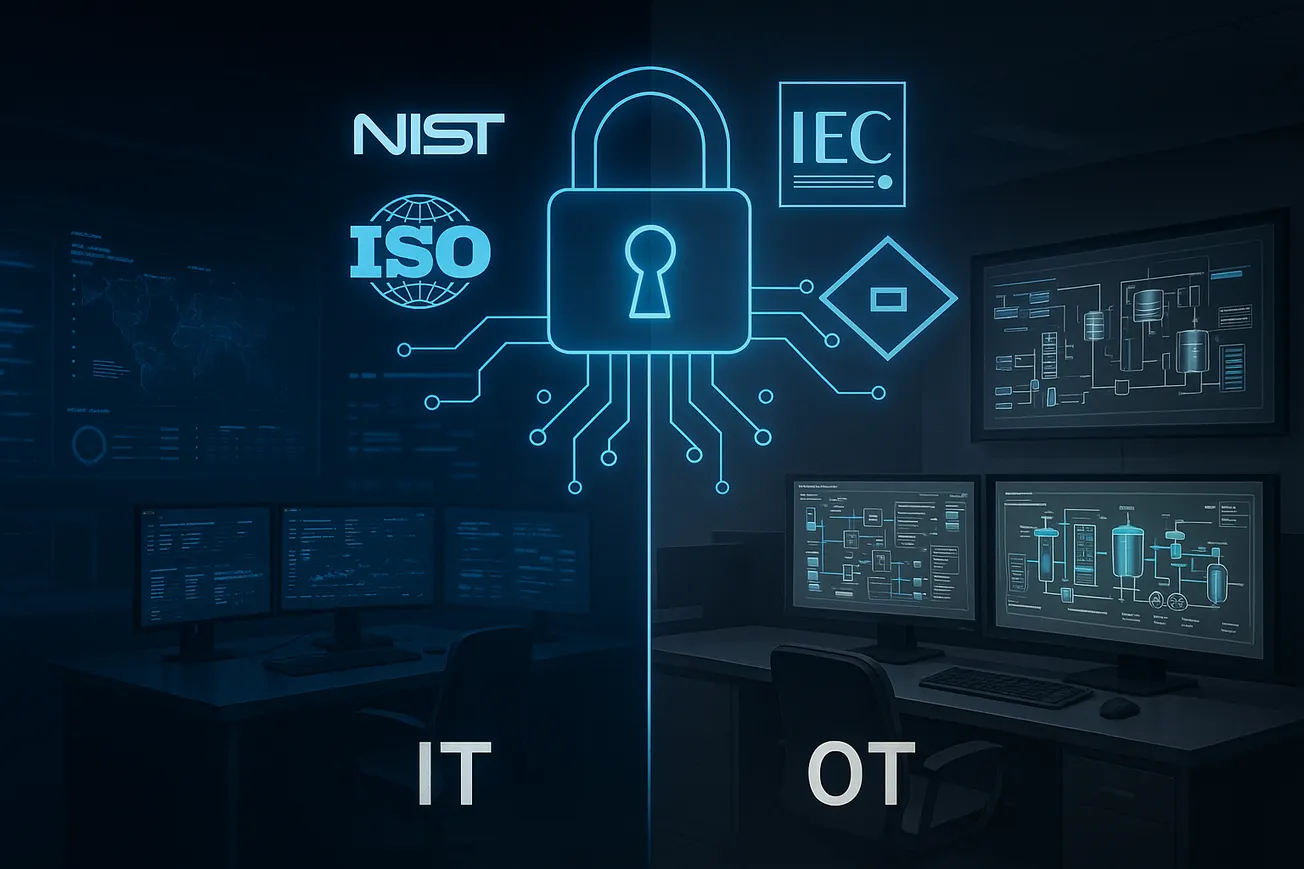
Cybersecurity programs are most effective when they serve more than a compliance function. In public utilities and other critical infrastructure environments, the program must support operational reliability, safety, and public trust.

A new survey reveals many private equity firms still shortchange cyber due diligence—leaving portfolios exposed to costly breaches and highlighting a persistent gap between risk awareness and real-world protection.