zero trust
Agentic AI Is Pushing Zero Trust Into Its Next Phase
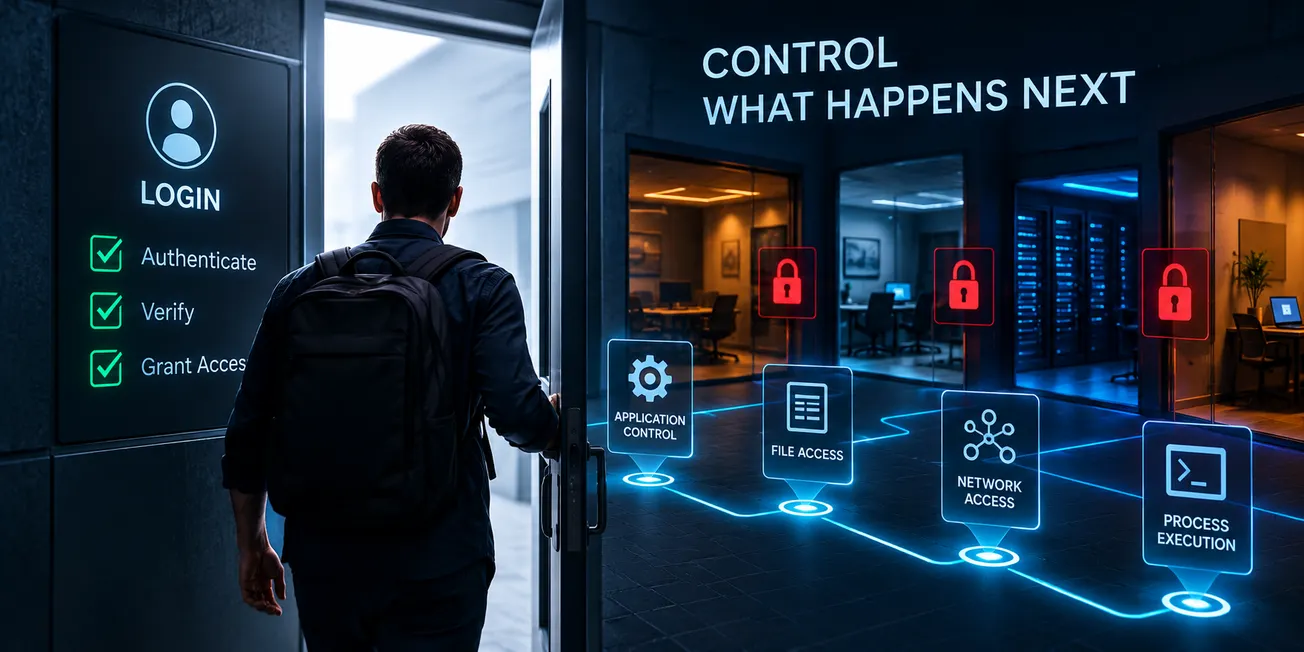
Zero Trust was designed to control people and machines. The rise of autonomous AI agents is forcing security teams to extend those same principles to software capable of making decisions and taking action on its own. (Includes infographic)
Why Forrester Says Your Agentic AI Deployment Will Cause a Breach in 2026
The agentic AI governance gap is a fundamental enterprise weakness. Sixty-three percent of organizations lack AI governance policies, according to IBM's research. This creates a complete lack of any meaningful organizational control over these deployments.
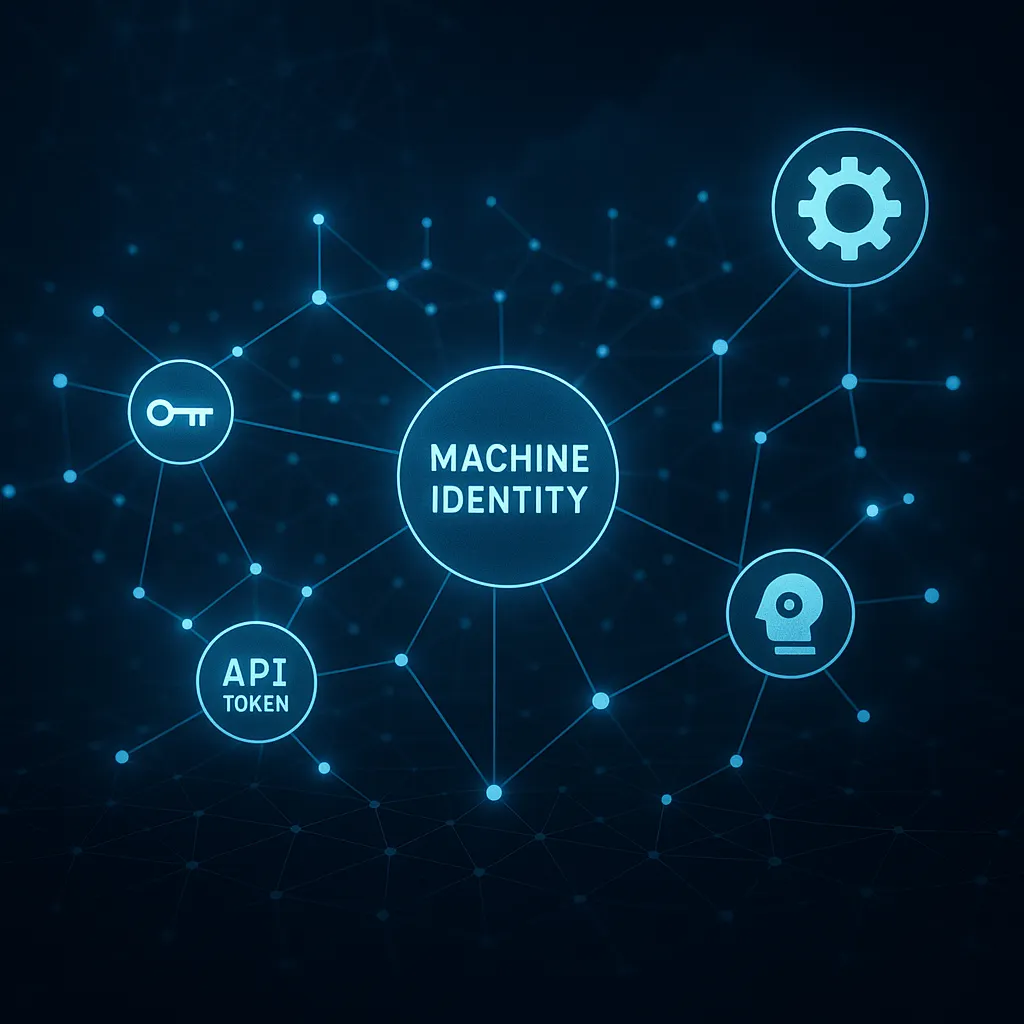
Successfully Managing Machine Identities in an AI-Driven World
Unlike human identities, which grow linearly as the workforce expands, machine identities proliferate exponentially as organizations embrace automation, microservices architectures, and AI-powered tools. This raises new identity governance challenges.
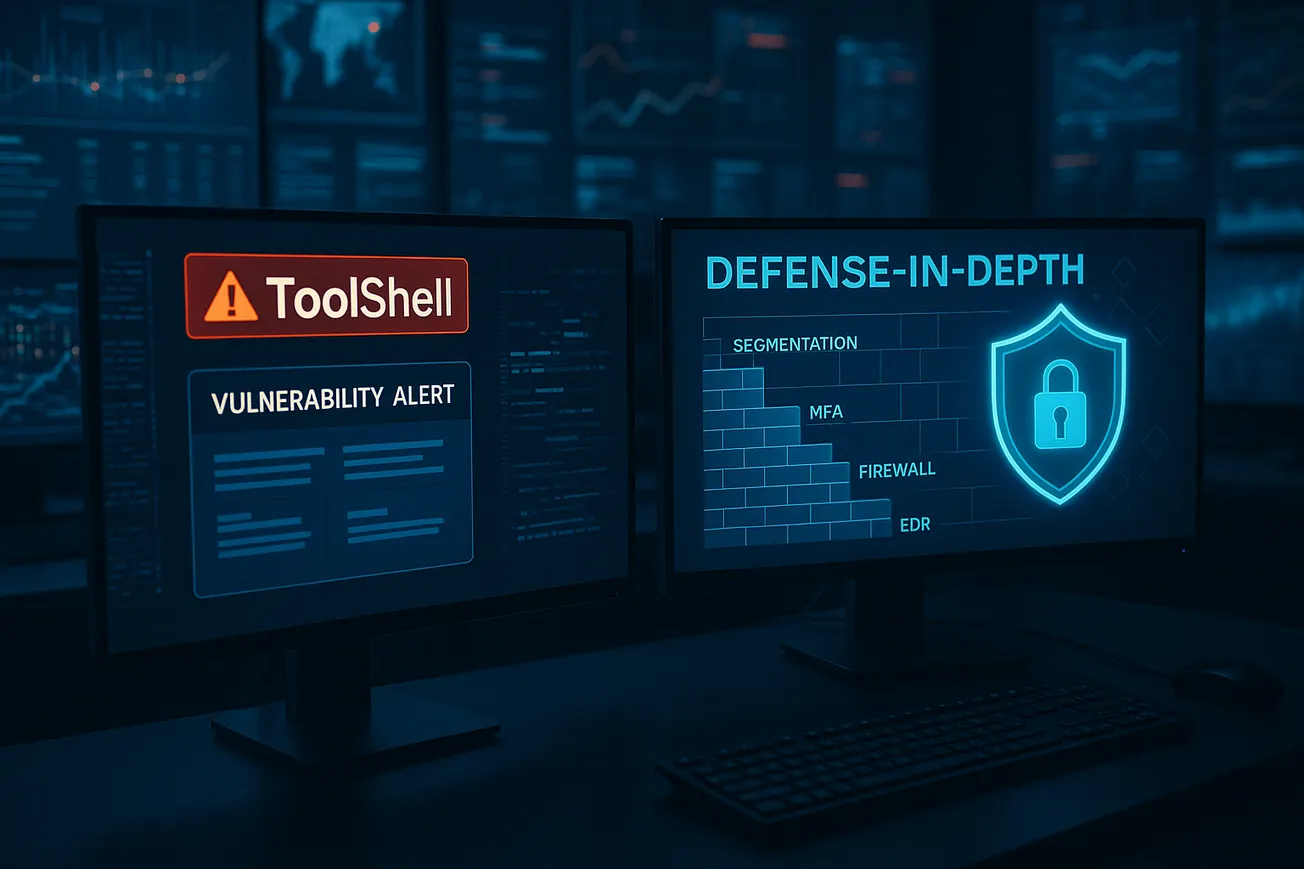
Bolster Defense-in-Depth Strategies as Collaboration Platforms Face Escalating Threats
It’s their necessity for such accessibility that makes secure configuration especially challenging—and when a zero-day vulnerability emerges, the damage can be swift.
Bridging the IT-OT Divide: Securing the Future of Industrial Cybersecurity
HOU.SEC.CON 2024: Kevin Kumpf and Joe O’Donnell explain how bridging the IT-OT divide and modernizing security can help industry tackle workforce and cyber threats.
The Looming Threat of AI-Powered Malware
At HOU.SEC.CON 2024, Justin Hutchens reveals how AI-powered malware could outmaneuver traditional defenses, calling for urgent shifts in cybersecurity strategy.