CYBR.SEC.CON. 2026 Adds AI.SEC.CON. as AI Reshapes Cybersecurity
CYBR.SEC.CON. 2026 expands to 10 cybersecurity tracks with the debut of AI.SEC.CON., reflecting record AI submissions and AI's growing impact across security.
Omdia research finds AI-powered attacks and faster vulnerability exploitation are driving enterprises toward continuous offensive security, agentic AI and increased security spending.
CYBR.SEC.CON. 2026 is one month away, bringing 3,000+ cybersecurity professionals to Houston for two days of hacking, AI, OT security, leadership, learning and community.
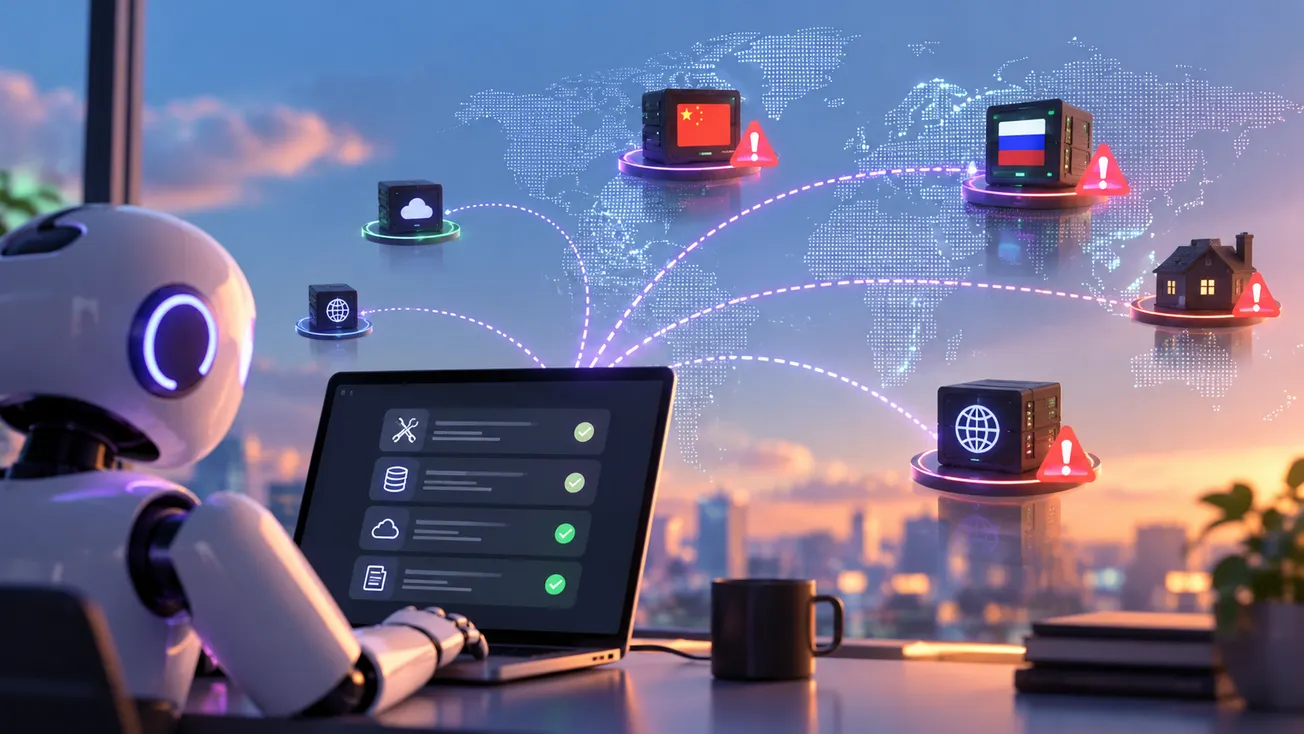
Agentic AI demands identity, observability, egress controls and inventory to detect rogue actions and enforce enterprise guardrails.
Meet seven cybersecurity leaders worth following after Black Hat USA 2026, spanning AI security, Zero Trust, identity, networks and defense.
CYBR.Minded’s post-Hacker Summer Camp episode examines burnout, cognitive overload, AI and why human cybersecurity risk starts with how organizations design security.
AI agents breached real systems. We separate autonomous AI cyberattacks from human-assisted operations and industry hype.
Medical device security requires SBOMs, vulnerability monitoring and post-market controls long after FDA approval.
Air gaps reduce cyber exposure but can kill visibility. Learn why critical infrastructure needs telemetry, segmentation and monitoring.
Someone broadcast a fake Delta Wi-Fi network on a flight home from DEF CON, prompting an investigation, a flood of online commentary and one painfully obvious lesson.
The Hacking Games wants to steer young hackers from cybercrime toward ethical hacking through mentorship and early intervention.
A 13.1 million-package analysis finds that open-source abandonment rates can vary by multiples, exposing a major software supply-chain measurement gap.
Andy Ellis' analysis of all 450 Black Hat USA 2026 exhibitors found AI has become cybersecurity's dominant message, while governance tools now outnumber technologies focused on directly preventing attacks.
Self-adapting AI worms, a vetoed California bill, and a 1.4% replacement rate: how AI's founders split on security, regulation, and jobs at Ai4 2026.
Security leaders speaking on this exact vishing threat at an Ai4 cybersecurity panel on Aug. 4 said the best defense against voice-based impersonation is identity verification.
New 1Password research found AI-generated vulnerability patches failed to fully fix complex software flaws 53.9% of the time, reinforcing the need for expert human review.