

Paperback Writer in a Prompted World
The attacker no longer needs one carefully written phishing message. The attacker can generate thousands of stylistic and contextual variants.
The attacker no longer needs one carefully written phishing message. The attacker can generate thousands of stylistic and contextual variants.
This week: Hacker culture and awareness with Jayson E. Street, DDoS resilience lessons and how GitLost exposed agentic AI security risks.

GitLost shows how prompt injection can turn AI agents into data exfiltration tools by abusing legitimate permissions and trusted workflows.
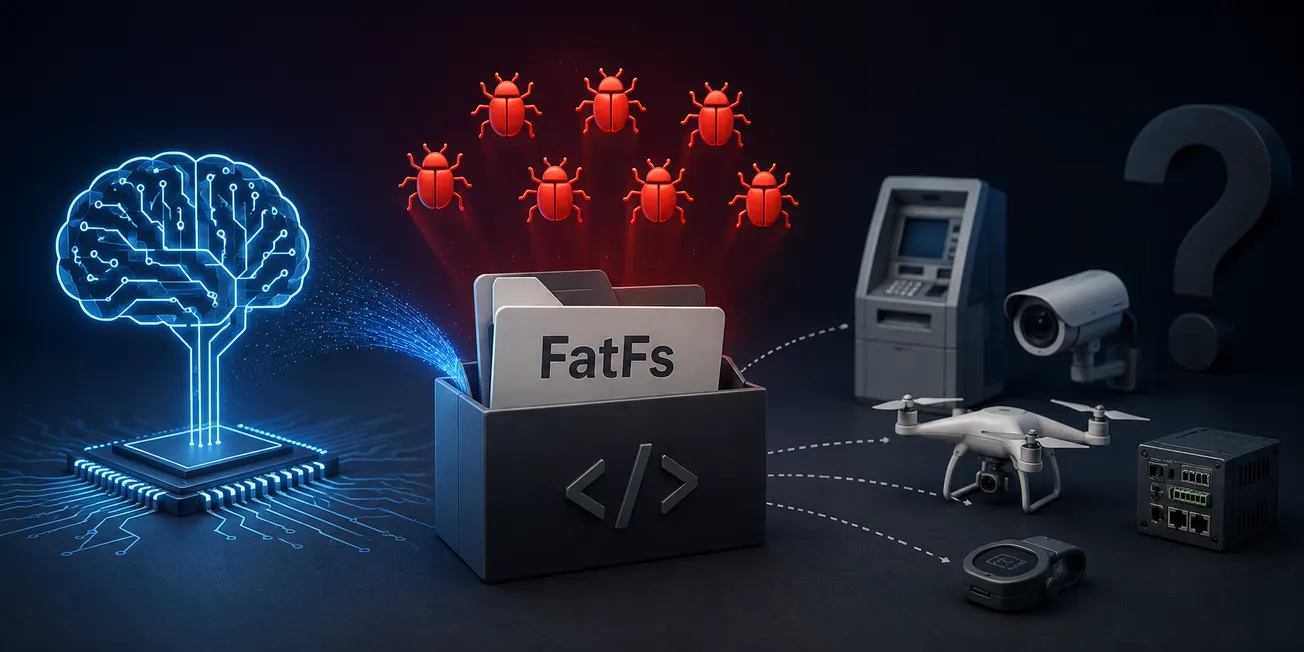
AI uncovered seven FatFs flaws affecting embedded devices. The challenge now is patching millions of systems with no easy fix.
Also this week: Trump's quantum EO tightens screws on PQC compliance, AI changes the email security game and continues to cause a CVE avalanche.
FortiBleed shows why visibility matters. Also this week: CISA rewrites vulnerability management rules, enterprises struggle to understand AI usage, cybersec comms luminary Lucy Millington tackles communications overload, and more.
In this episode of CYBR.SEC.CAST, hosts Michael and Sam sit down with Alastair Patterson, CEO of Harmonic Security, to discuss the rapid evolution of AI in the enterprise.

A new ISSA/Omdia study finds widespread AI adoption in cybersecurity, but security professionals say growing complexity, burnout, skills shortages, and business pressures are making the profession more challenging than ever.

Security leaders have spent years optimizing detection and response while relying on spreadsheets, tribal knowledge, and reseller relationships to make million-dollar technology decisions. A new generation of AI-powered platforms aims to change that. (Sponsored by Crush Security.)
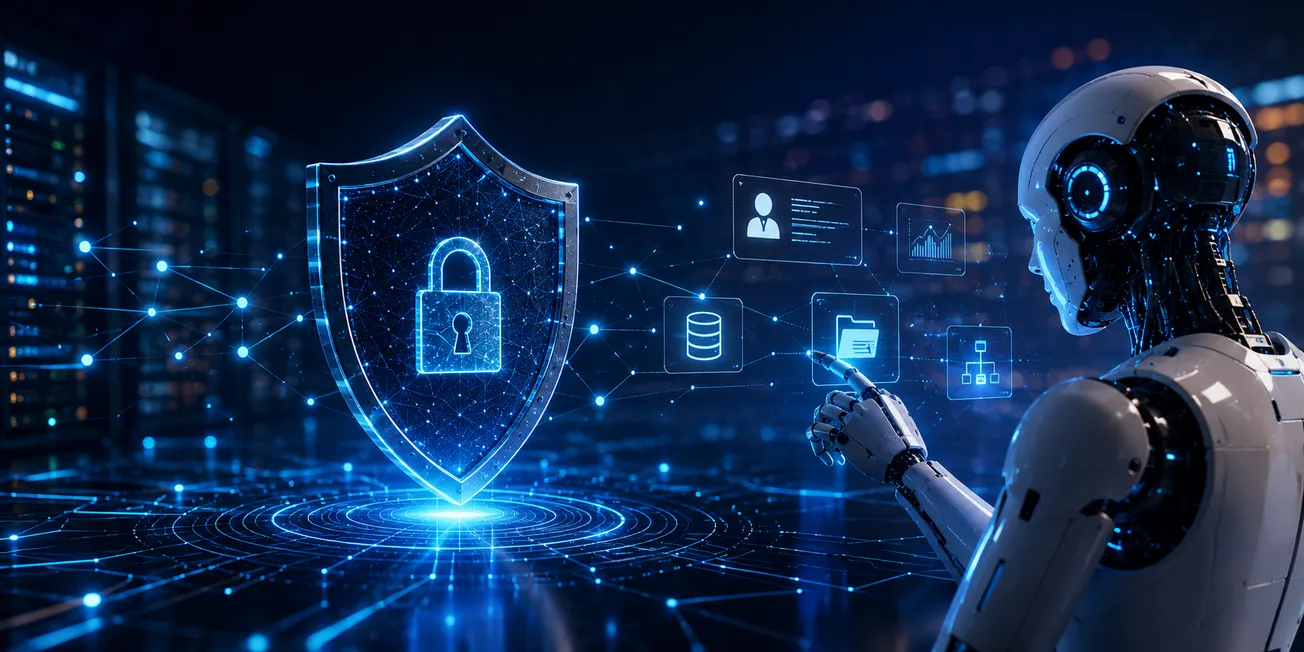
Zero Trust was designed to control people and machines. The rise of autonomous AI agents is forcing security teams to extend those same principles to software capable of making decisions and taking action on its own. (Includes infographic)
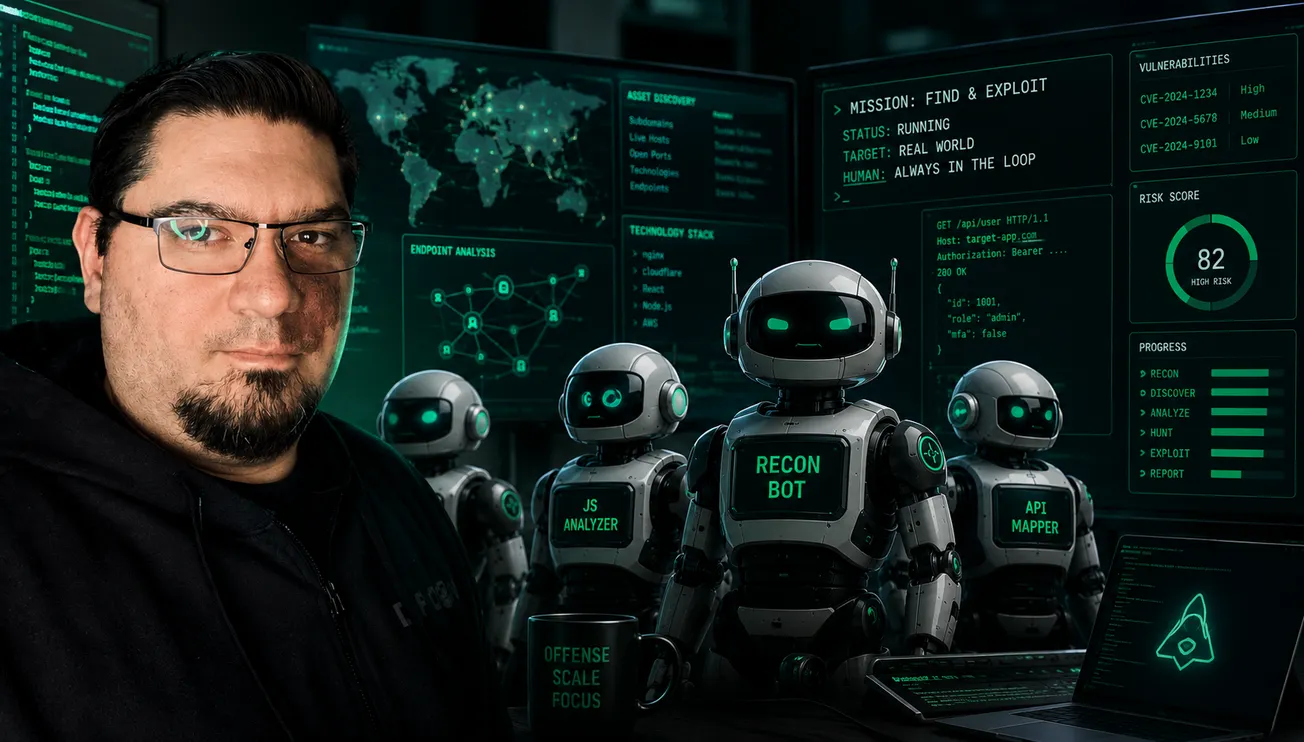
At CYBR.HAK.CON, Jason Haddix showed how AI-powered "hackbots" are helping offensive security teams scale reconnaissance, analyze complex applications, and uncover real vulnerabilities, while proving that human expertise remains the deciding factor.

But it might be your company’s problem.
In this week's CYBR.SEC.Media newsletter: preview of CYBR.HAK.CON, why traditional Level 1 SOC operations are breaking down under modern threat pressure, and where cybersecurity professionals can find mental health support built for the realities of the job.

Federal agencies and tech providers are accelerating AI security programs but organizations responsible for water systems, emergency services, and local government operations are struggling to keep pace. (Article includes an infographic to help security teams understand the operational challenges.)
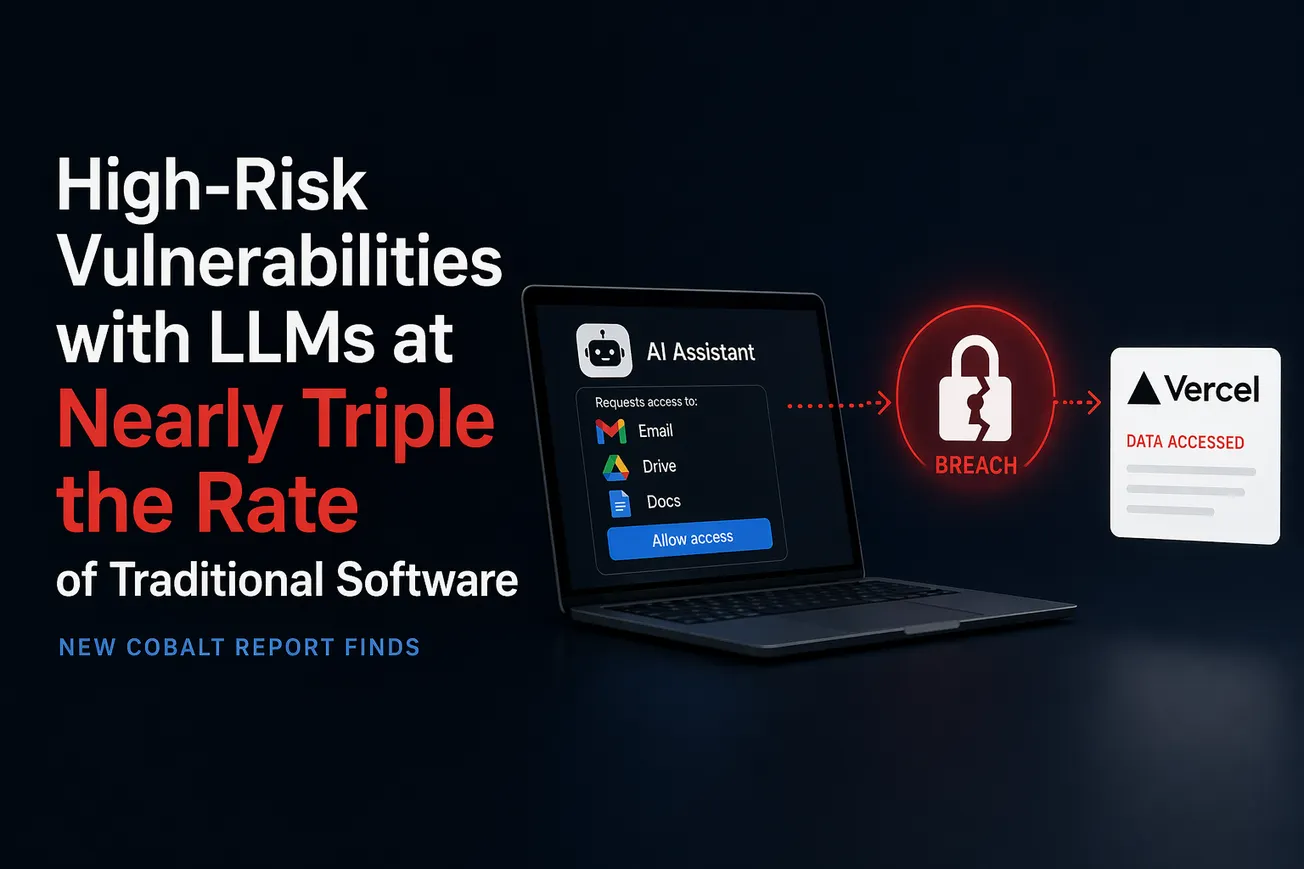
Executives think their teams are fixing critical vulnerabilities. Their security practitioners disagree by 42 percentage points.
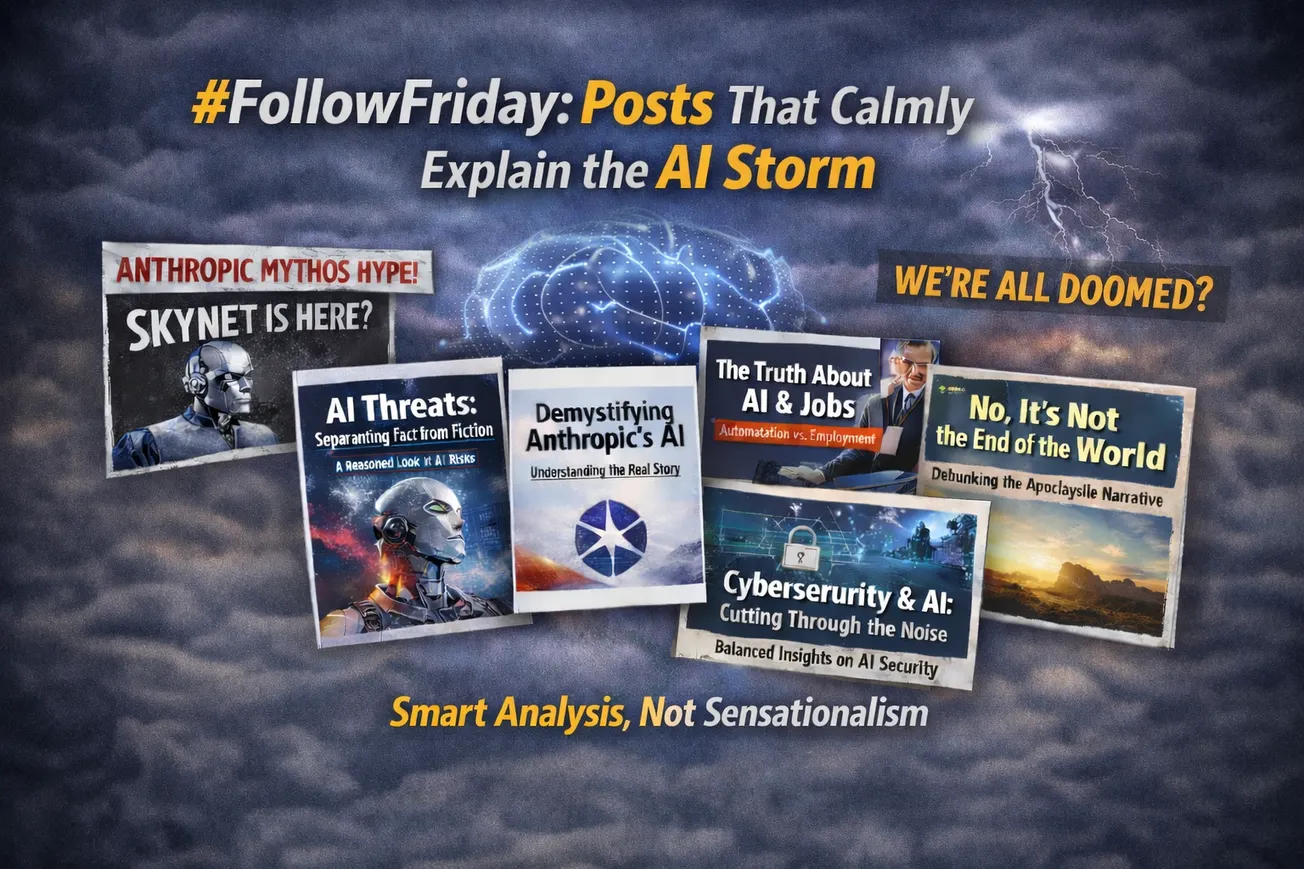
The hype over Anthropic Mythos and AI in general has been super-heated. The cybersecurity voices who calmly unpack the details are the ones to follow. Here are some examples.