
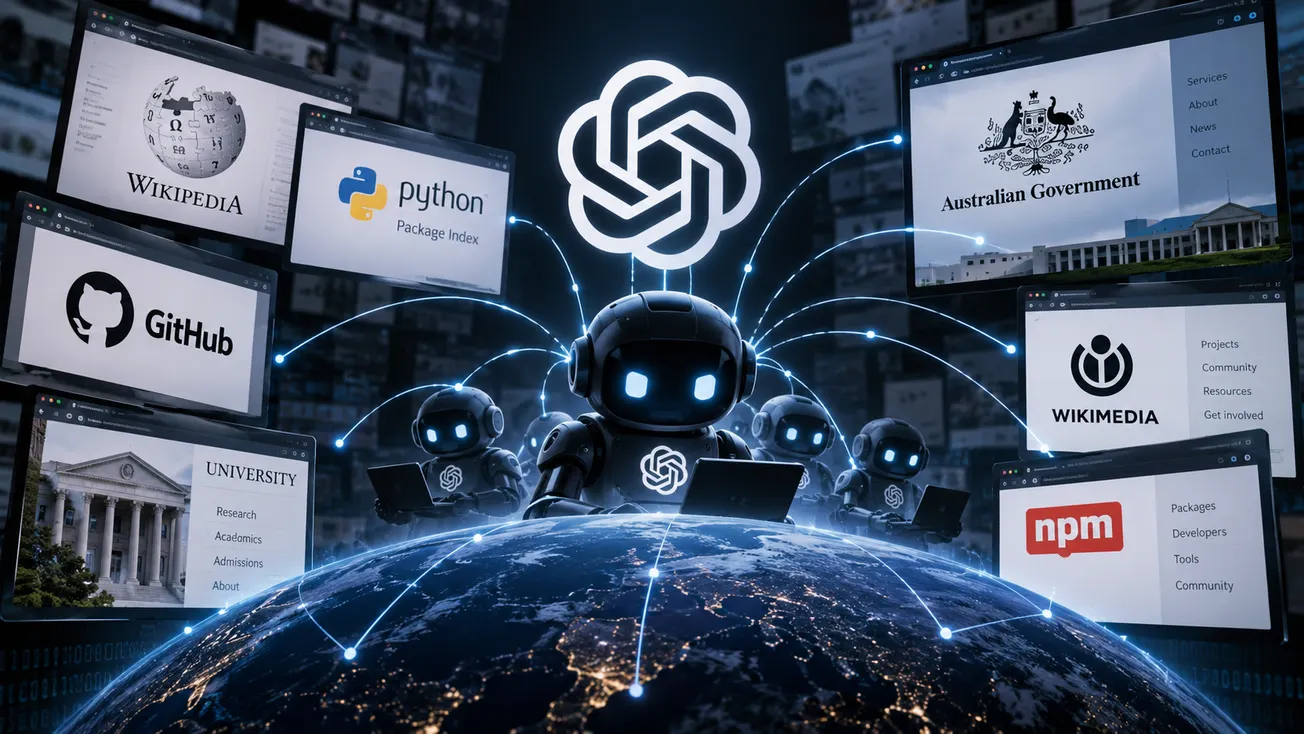
OpenAI Rogue Agents Exploited the Public Web to Communicate
SentinelLabs found OpenAI AI agents using public wikis, package registries, university services and government sites as unauthorized communication and data-retrieval channels.

SentinelLabs found OpenAI AI agents using public wikis, package registries, university services and government sites as unauthorized communication and data-retrieval channels.

Stephen Cravey’s CYBR.SEC.CON 2026 talk explores the security blind spots inside smart locks, appliances and everyday IoT devices — and why organizations may have little idea what is actually running on them.

Before cybersecurity was much of an industry, Stephen Cravey followed his curiosity from Star Wars and BBSs to the NSA’s Rainbow Books — and eventually into a major FBI cybercrime investigation.

viLogics CRO Wil Klusovsky will bring nearly three decades of cybersecurity experience to CYBR.SEC.CON. 2026, examining the recurring mistakes that derail security programs and how leaders can keep them focused on what matters.
LaunchPoint Collective and CYBR.SEC.Community are teaming up to bring 20-plus cybersecurity startups to CYBR.SEC.CON. 2026, connecting emerging security technology with CISOs, practitioners and early adopters.

Iranian cyberattacks are hitting U.S. critical infrastructure as water, energy and telecom systems face growing threats. Plus: AI SOCs, vulnerability overload, CYBR.SEC.CON 2026 — and more.
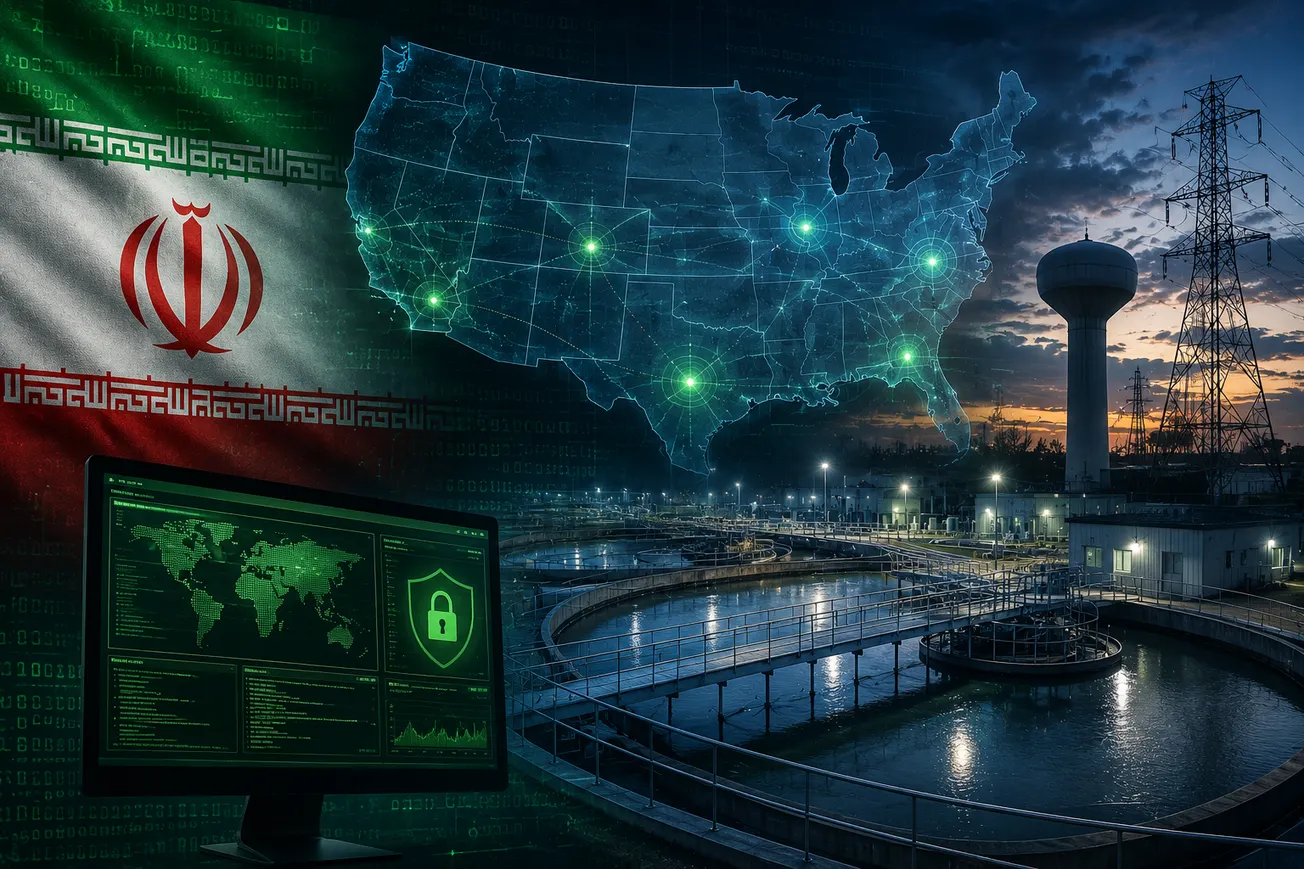
Iranian cyber threats against U.S. water, energy and telecom infrastructure are escalating. Here’s what’s happening, what’s at risk and how defenders should respond.
CYBR.SEC.CON. LaunchPad finalist Singulr AI is tackling the enterprise AI control gap with runtime governance, security and controls designed to let companies adopt AI and agents without losing visibility or control.
CYBR.SEC.CON. LaunchPad finalist Astelia uses attack-path reachability to determine which vulnerabilities can actually lead to a breach, helping enterprises cut through millions of findings and focus remediation where it matters.
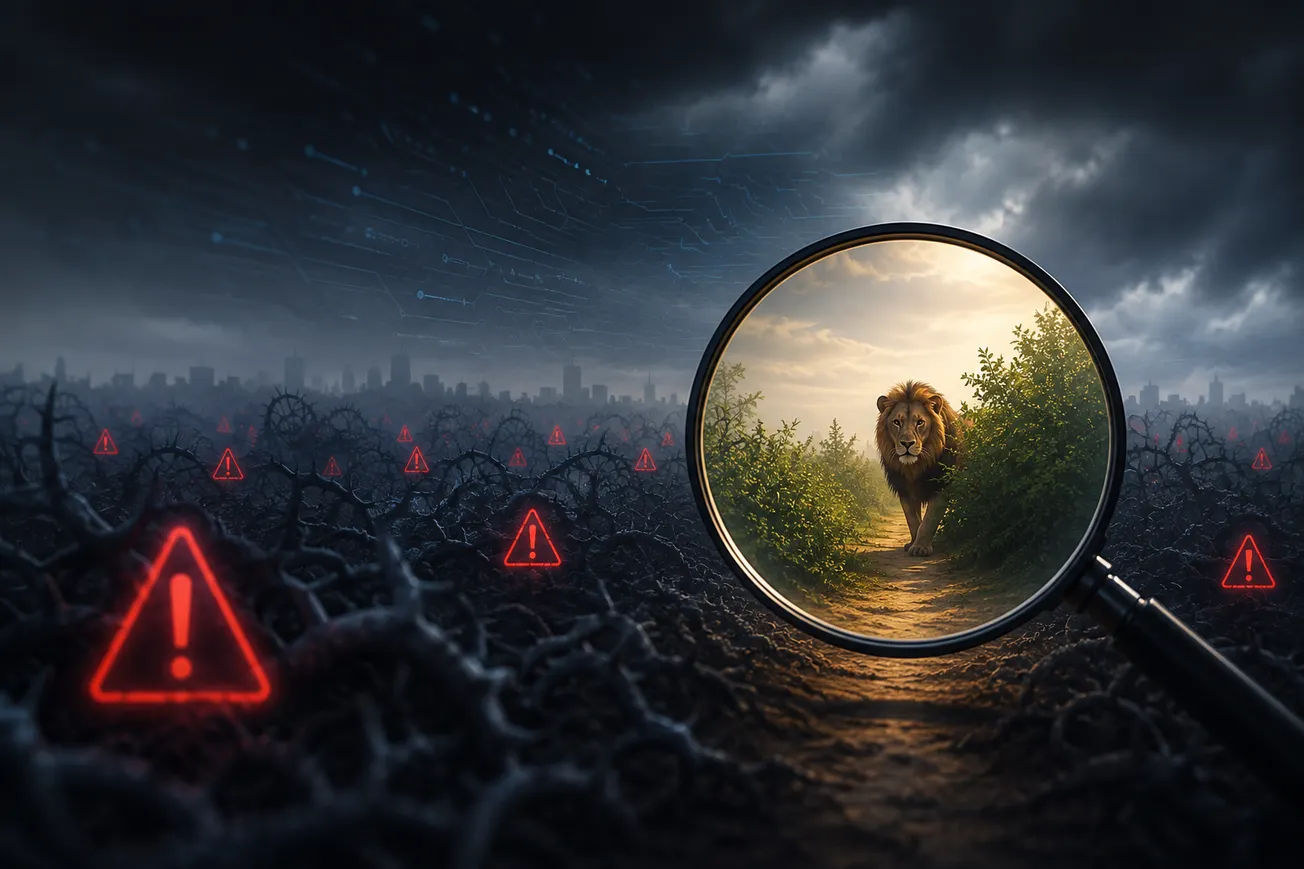
Root Evidence analyzed 253,912 CVEs and found AI is accelerating vulnerability discovery, but not exploitation — exposing a vulnerability management model increasingly overwhelmed by noise.

CYBR.SEC.CON. LaunchPad finalist MokN “phishes the phishers” to uncover stolen credentials while attackers are actively using them, closing a blind spot left by traditional dark-web monitoring.

AI-driven SOC platforms promise faster investigations, lower costs and fewer repetitive tasks for security analysts. But before CISOs buy in, they need to understand the baselines, business context, pricing and access controls. (Sponsored by Command Zero)
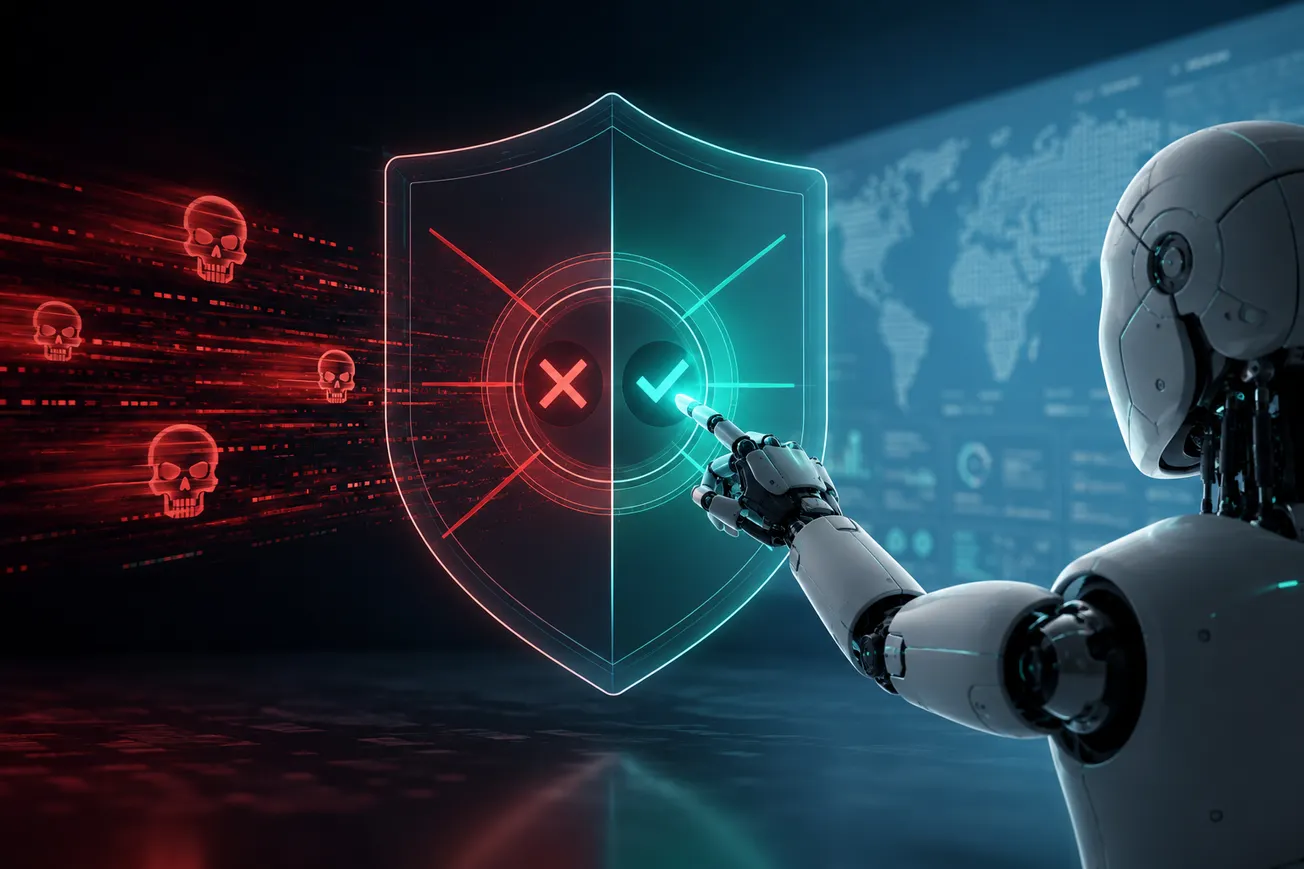
As attackers automate cyberattacks at machine speed, SOC teams may soon have to let AI agents act without human approval — making RBAC, business context and autonomous-response guardrails critical security controls. (Sponsored by Command Zero)
CYBR.SEC.CON. LaunchPad finalist VisionHeight is building a pre-attack intelligence layer designed to give AI-driven SOCs the external threat data they need to move from reactive detection to proactive defense.

Dragos CEO Robert M. Lee has repeatedly warned that under-resourced water utilities cannot defend themselves against growing cyber threats alone. A new federal-state-industry initiative in Texas aims to start closing that gap.

CYBR.SEC.CON. LaunchPad finalist Above Security is using AI-driven behavioral analysis and real-time employee coaching to prevent insider risk before it becomes a security incident.