

Cybersecurity’s Human Breaking Point: AI, Burnout and Cognitive Overload
CYBR.SEC.CON. 2026 put cybersecurity’s human toll front and center, from AI-driven cognitive overload to leadership, burnout and defender resilience.
CYBR.SEC.CON. 2026 put cybersecurity’s human toll front and center, from AI-driven cognitive overload to leadership, burnout and defender resilience.

Agentic AI is delivering sharper triage, faster investigations, and reduced analyst burnout at the organizations that have committed to production deployment. For everyone else, the gap is compounding, and the security implications are already visible.
Iranian cyberattacks are hitting U.S. critical infrastructure as water, energy and telecom systems face growing threats. Plus: AI SOCs, vulnerability overload, CYBR.SEC.CON 2026 — and more.

AI-driven SOC platforms promise faster investigations, lower costs and fewer repetitive tasks for security analysts. But before CISOs buy in, they need to understand the baselines, business context, pricing and access controls. (Sponsored by Command Zero)
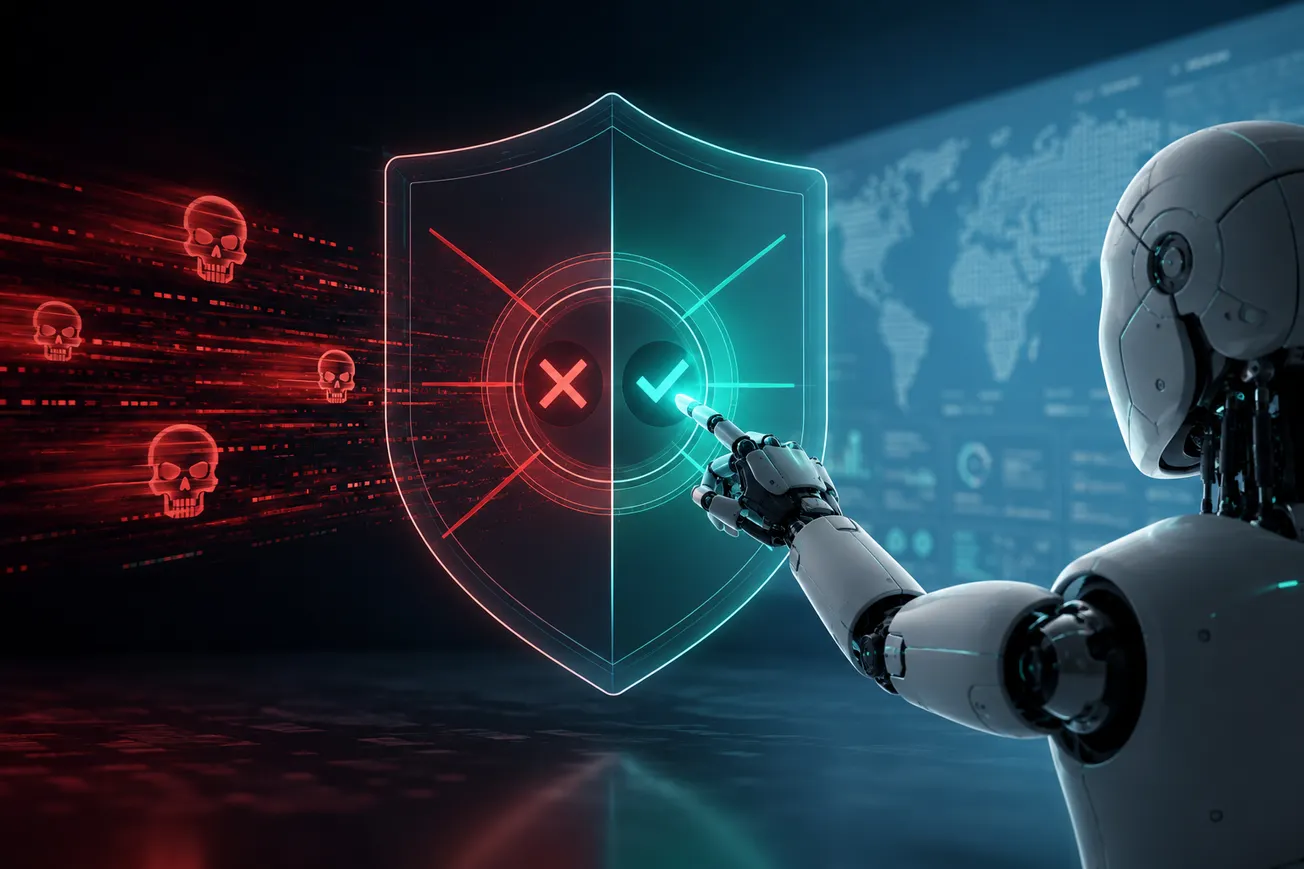
As attackers automate cyberattacks at machine speed, SOC teams may soon have to let AI agents act without human approval — making RBAC, business context and autonomous-response guardrails critical security controls. (Sponsored by Command Zero)

CYBR.SEC.CON. LaunchPad finalist VisionHeight is building a pre-attack intelligence layer designed to give AI-driven SOCs the external threat data they need to move from reactive detection to proactive defense.
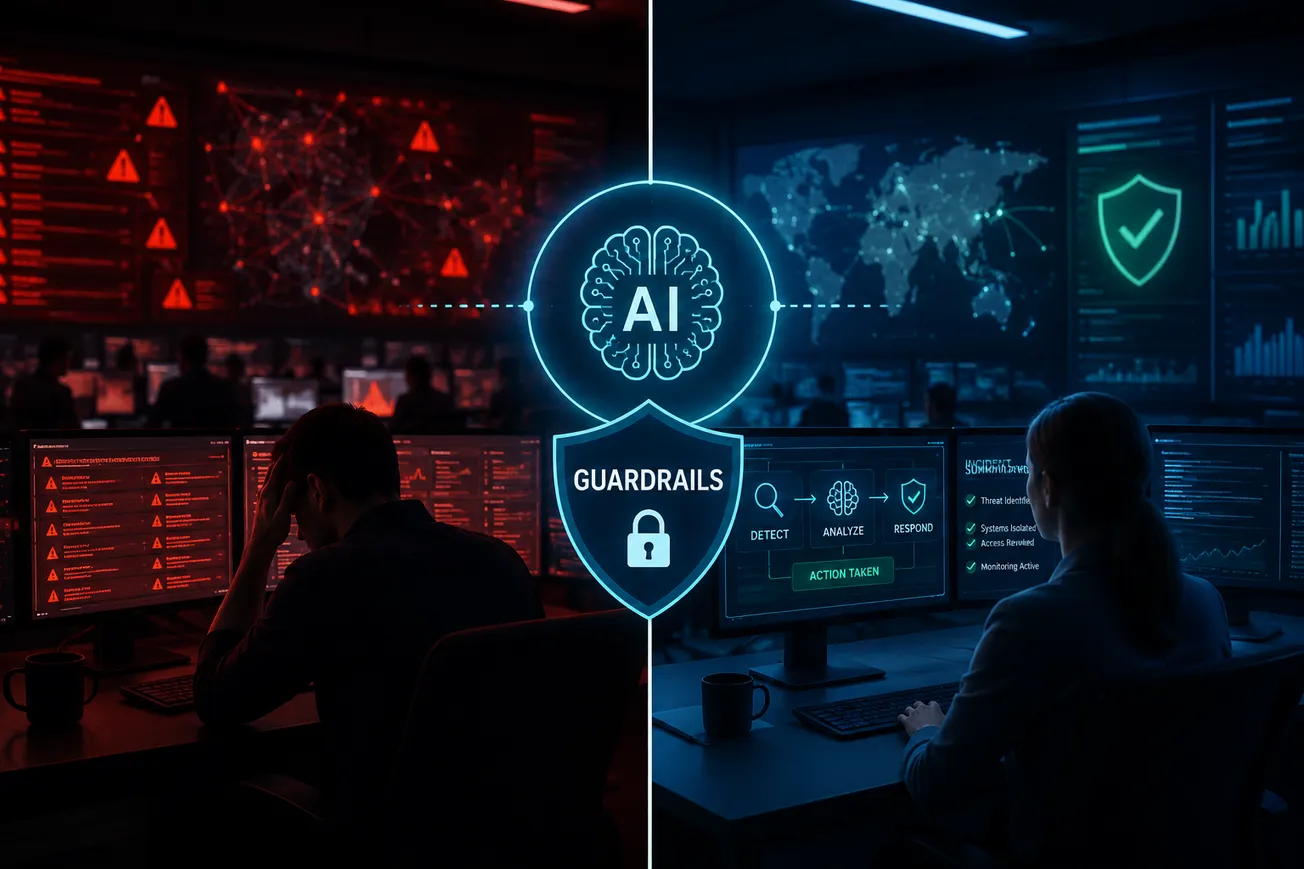
CISA’s “Tale of Two SOCs” red team research shows why SOC automation, AI guardrails and human authority to contain attacks must evolve together.
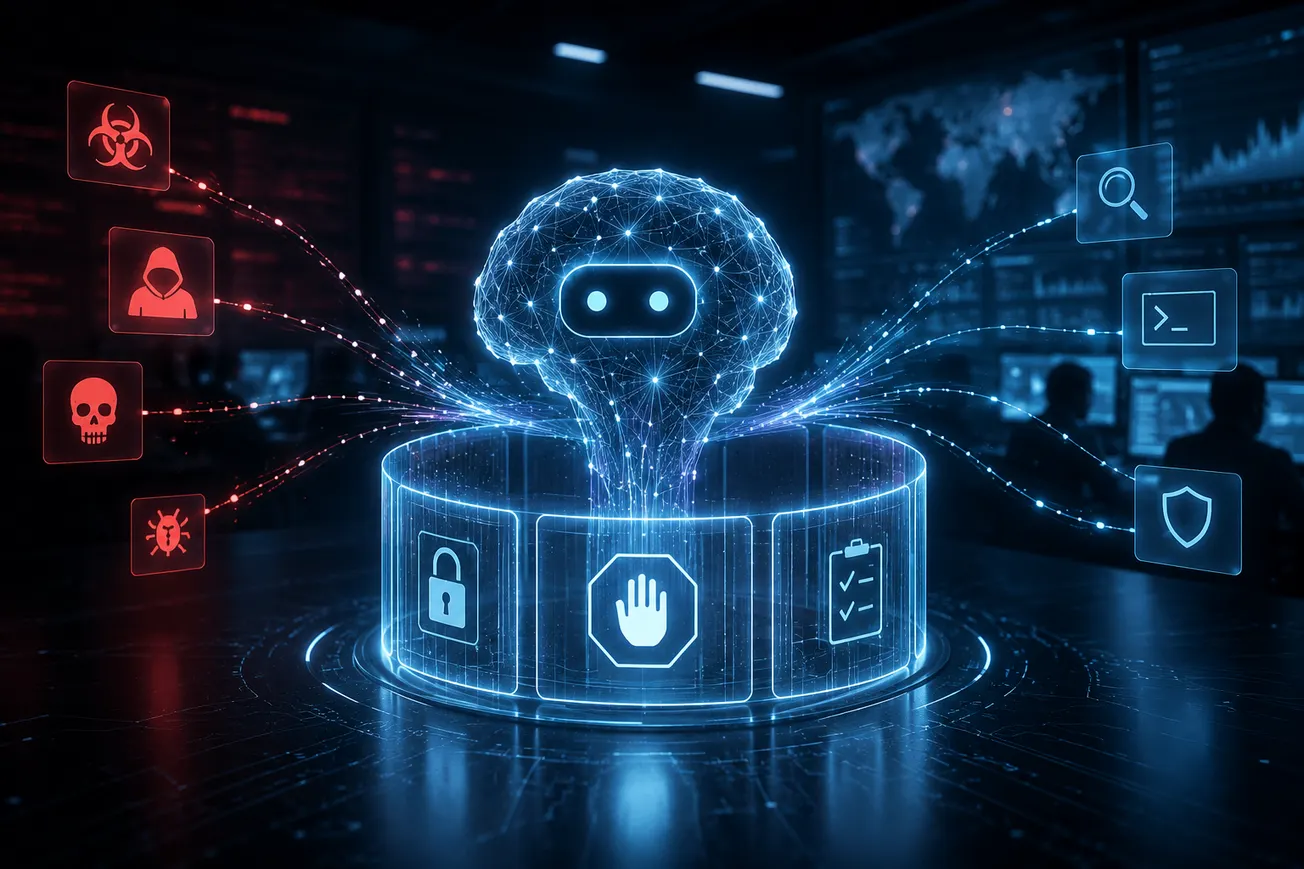
Agentic AI is closing the SOC automation gap that SOAR never did, whether the guardrails around it are explicit enough to stop a breach, survive a regulatory audit or a court case is a different question.