
The Human Side of Cybersecurity with Bill Brenner
Why mental health, overload, alert fatigue, and human resilience are cybersecurity issues.
Why mental health, overload, alert fatigue, and human resilience are cybersecurity issues.
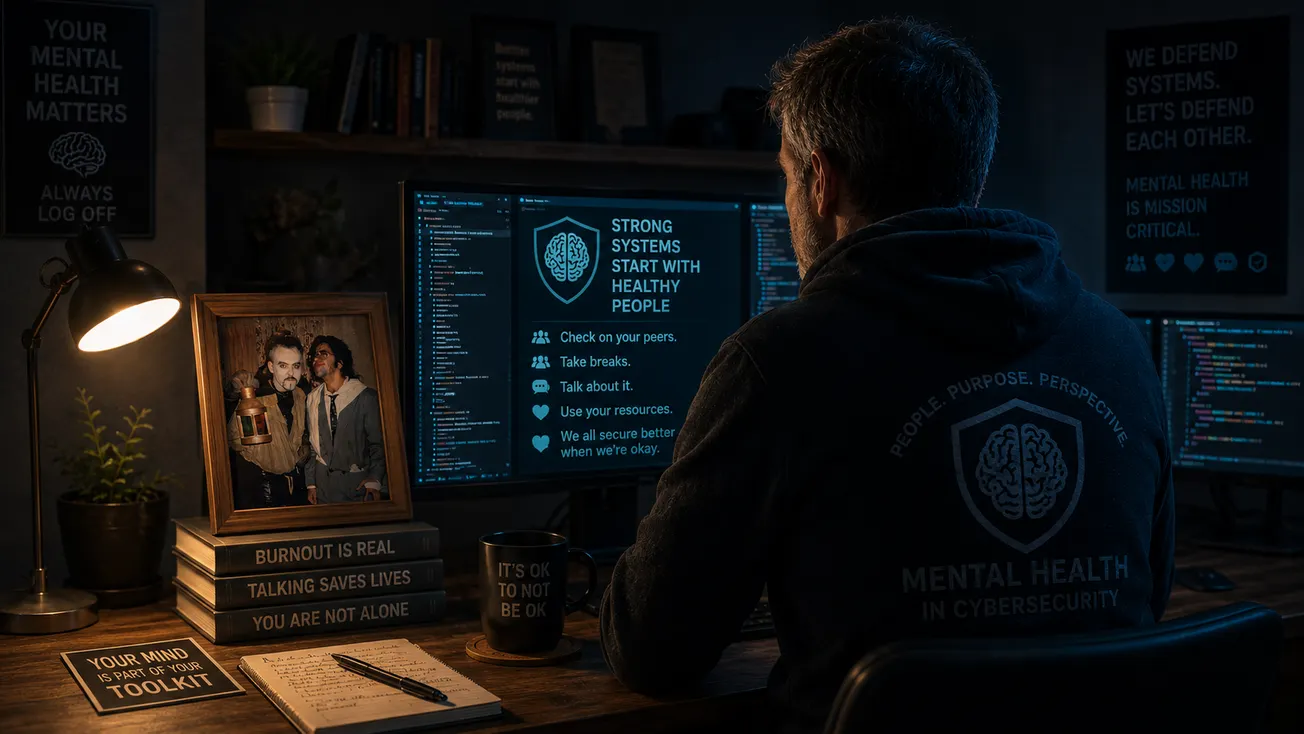
Thirty years after Sean Marley died, I realize that my focus on mental health in cybersecurity started with him. This is a belated thank you to him for helping me strive for something better. He wasn't a hacker. But he sure as hell was one of us.

Information overload, cognitive warfare, and nonstop digital noise are turning human attention into a vulnerable attack surface.

Here are several organizations and initiatives dedicated to mental health for security professionals.
Feeling the mental strain that is often part of working in cybersecurity? I'll admit that I am. But we're not alone, and we have allies to see us through. This post celebrates Mental Health Hackers. We will spotlight other great efforts in the community throughout the month.

Winn Schwartau warned of a “Digital Pearl Harbor” decades ago and is now raising a more unsettling possibility: the real attack may already be underway, targeting human perception itself.
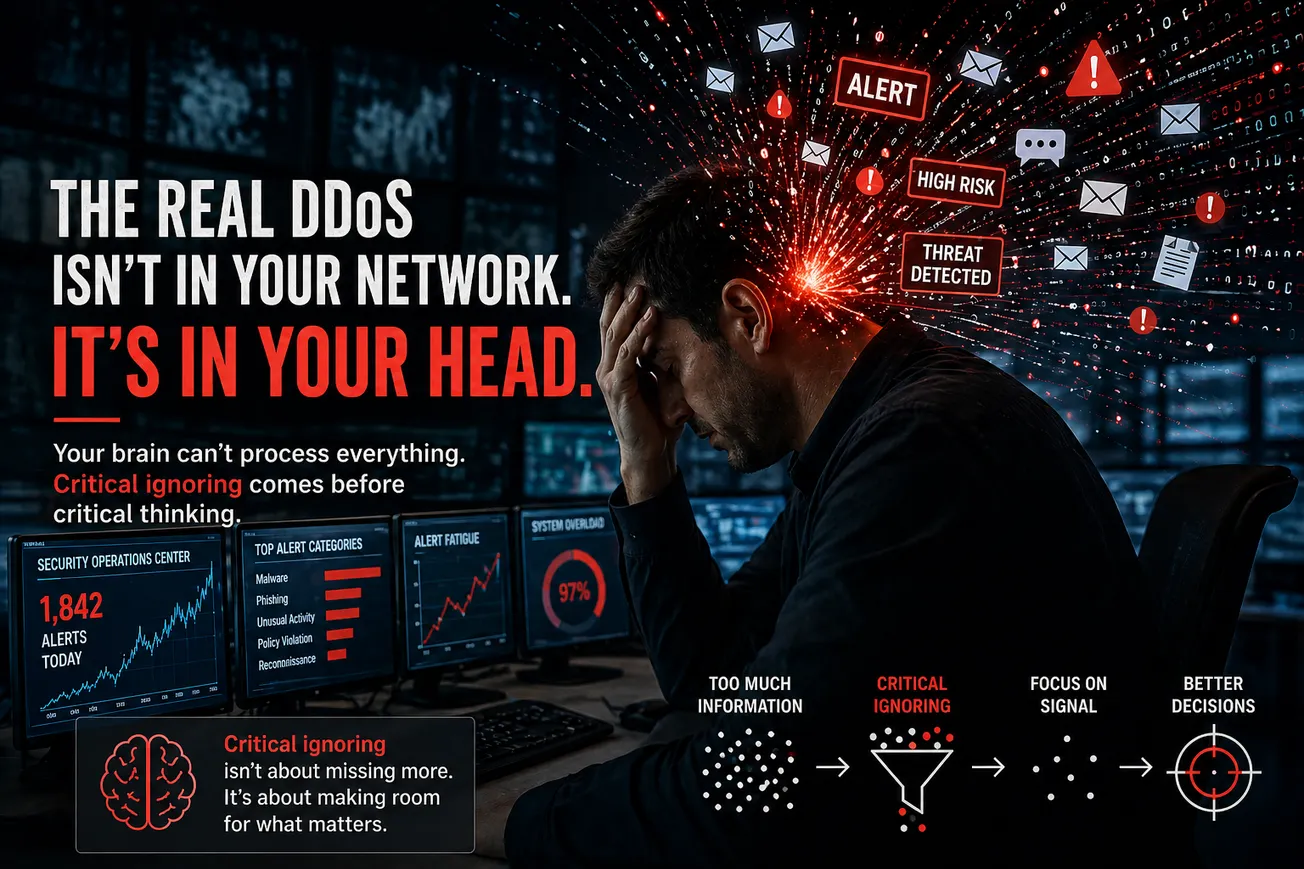
Security teams have spent years trying to reduce alert fatigue, but the real bottleneck isn’t tooling, but the human brain’s inability to process the volume of information being thrown at it.

Winn Schwartau argues that the biggest threat facing defenders isn’t just technical, but cognitive: overwhelming information flows that push humans into “mental DDoS.” He has introduced the concept of “critical ignoring” as a prerequisite to critical thinking.

After enduring years of cyberstalking, Kelley Misata transformed personal trauma into a cybersecurity movement, helping nonprofits close dangerous security gaps the industry still doesn’t understand.

Mental health tools for cybersecurity practitioners have become essential in this age of accelerating cyber warfare. Here are five people who are building those tools.