
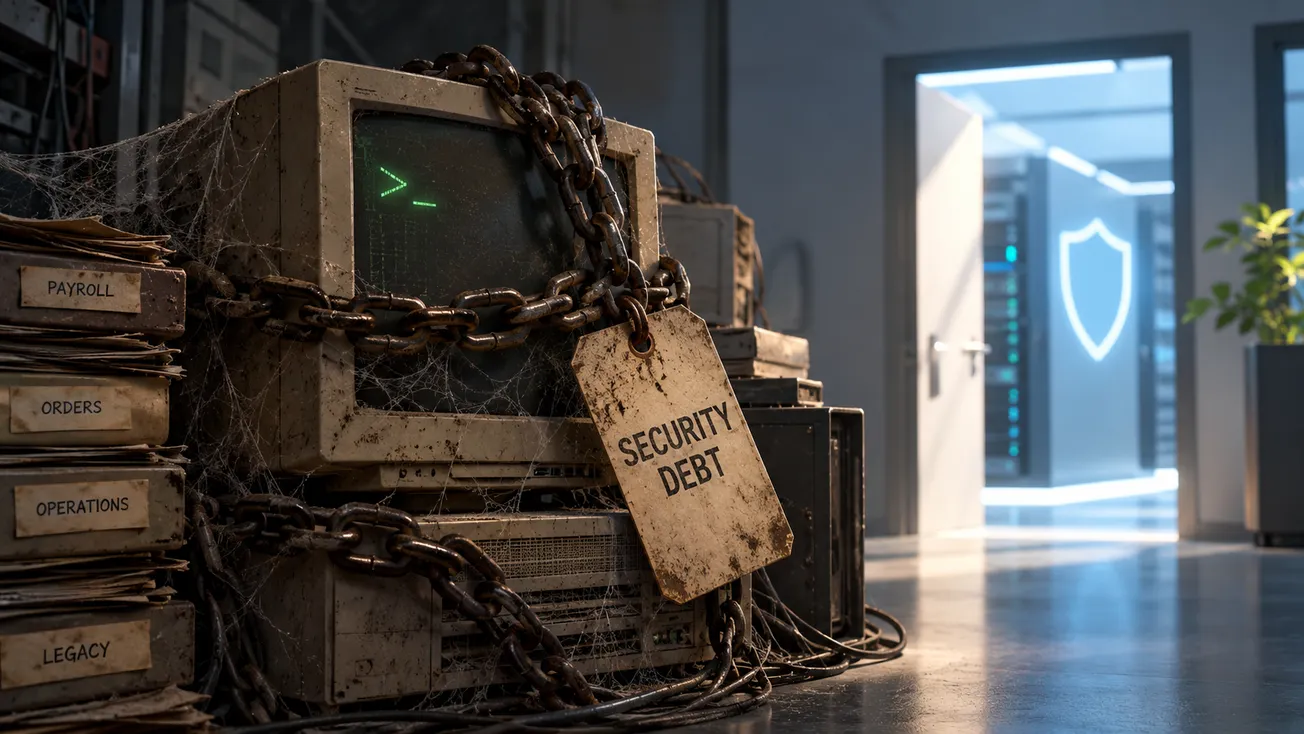
Security Debt: How Legacy Systems Increase Cyber Risk
Legacy systems create security debt through outdated controls, poor visibility and insecure dependencies. Learn how to reduce risk without replacing everything.
Legacy systems create security debt through outdated controls, poor visibility and insecure dependencies. Learn how to reduce risk without replacing everything.
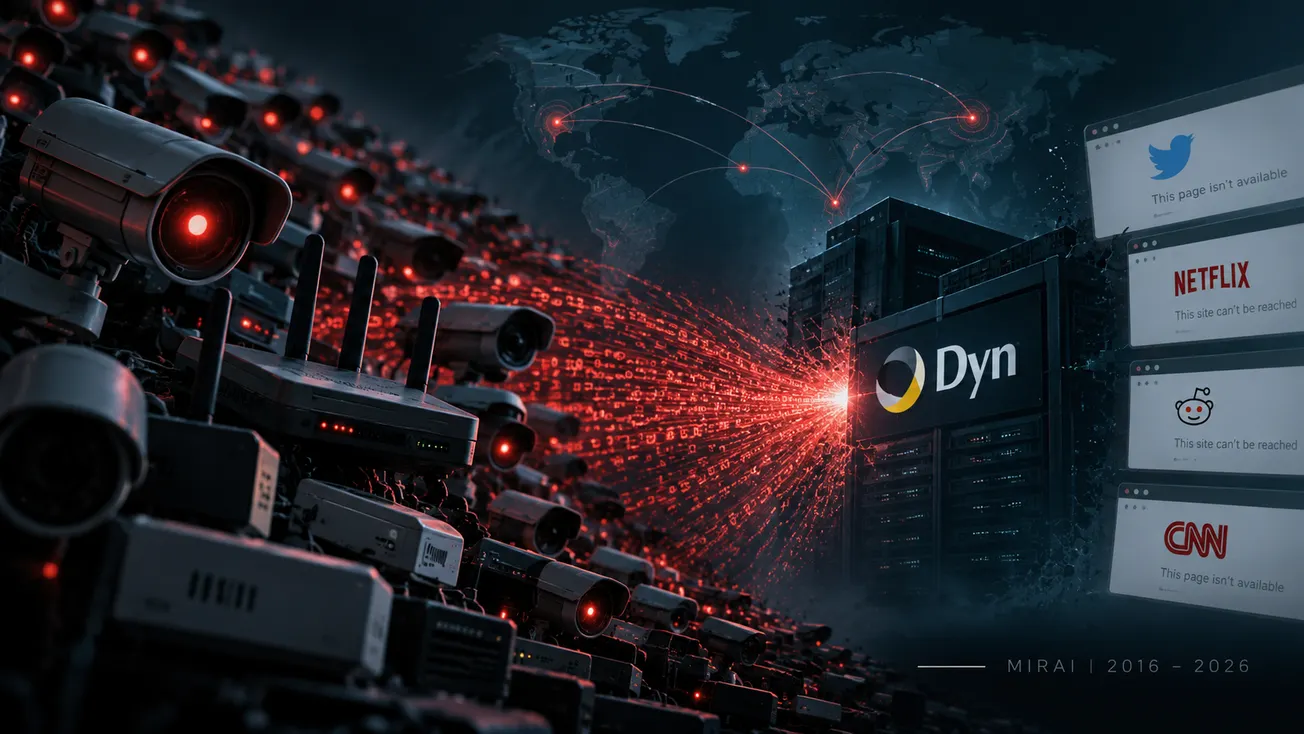
Ten years after Mirai disrupted Dyn, explore how the IoT botnet changed DDoS defense, device security and internet resilience — and why it endures.

Three teams are talking at once. An attacker may still be active. The logs disagree. The current owner is on vacation. A cloud console shows one state, the SIEM shows another, and the incident commander has a spreadsheet that was copied from a spreadsheet that was correct last quarter.

Twenty-five years after the Sept. 11 attacks, I look back at how 9/11 changed my life, led me into cybersecurity and shaped how I see our responsibility to protect the systems and civilization we depend on.
LaunchPoint Collective and CYBR.SEC.Community are teaming up to bring 20-plus cybersecurity startups to CYBR.SEC.CON. 2026, connecting emerging security technology with CISOs, practitioners and early adopters.
Security architecture accumulates “adaptation debt” when local fixes, exceptions and compensating controls force users, systems and now AI agents to work around designs that no longer match how identity, authority and data actually flow.
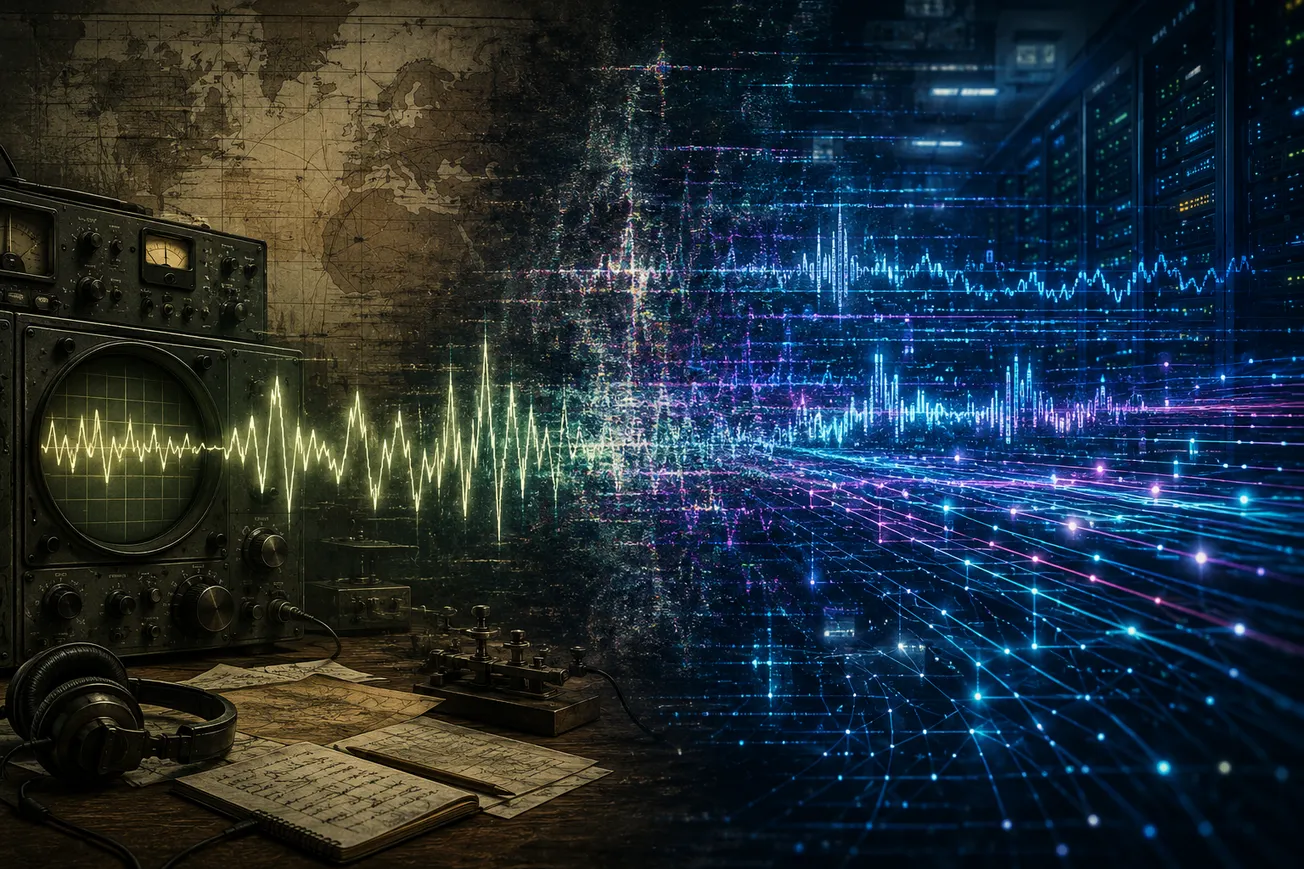
From Army signal intelligence and radio jamming to modern DDoS defense, the same lessons in reconnaissance, timing, disruption and adaptation reveal how attackers overwhelm networks — and how defenders can stay ahead.
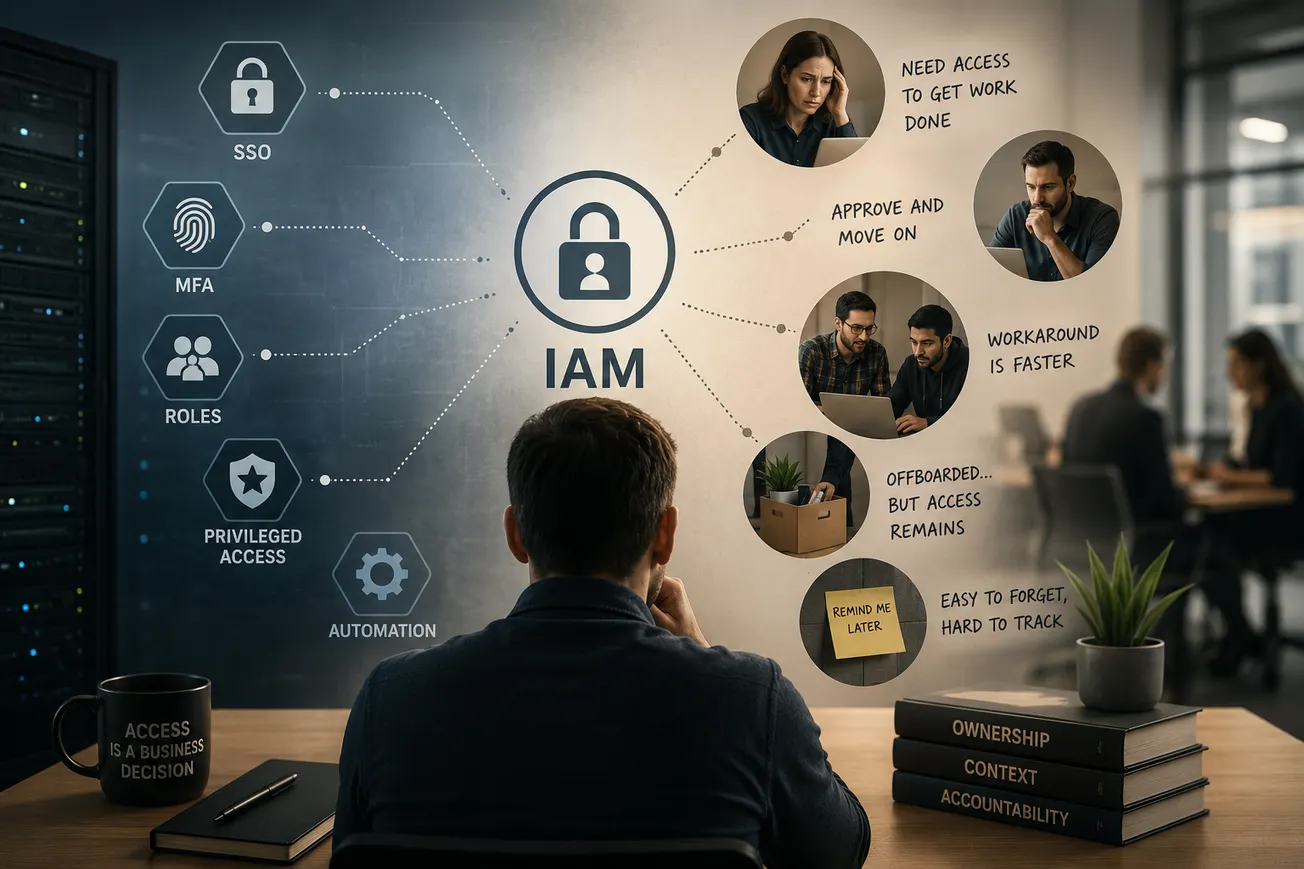
Most IAM failures don't start with a broken platform. They start with a person making a reasonable decision under bad conditions.
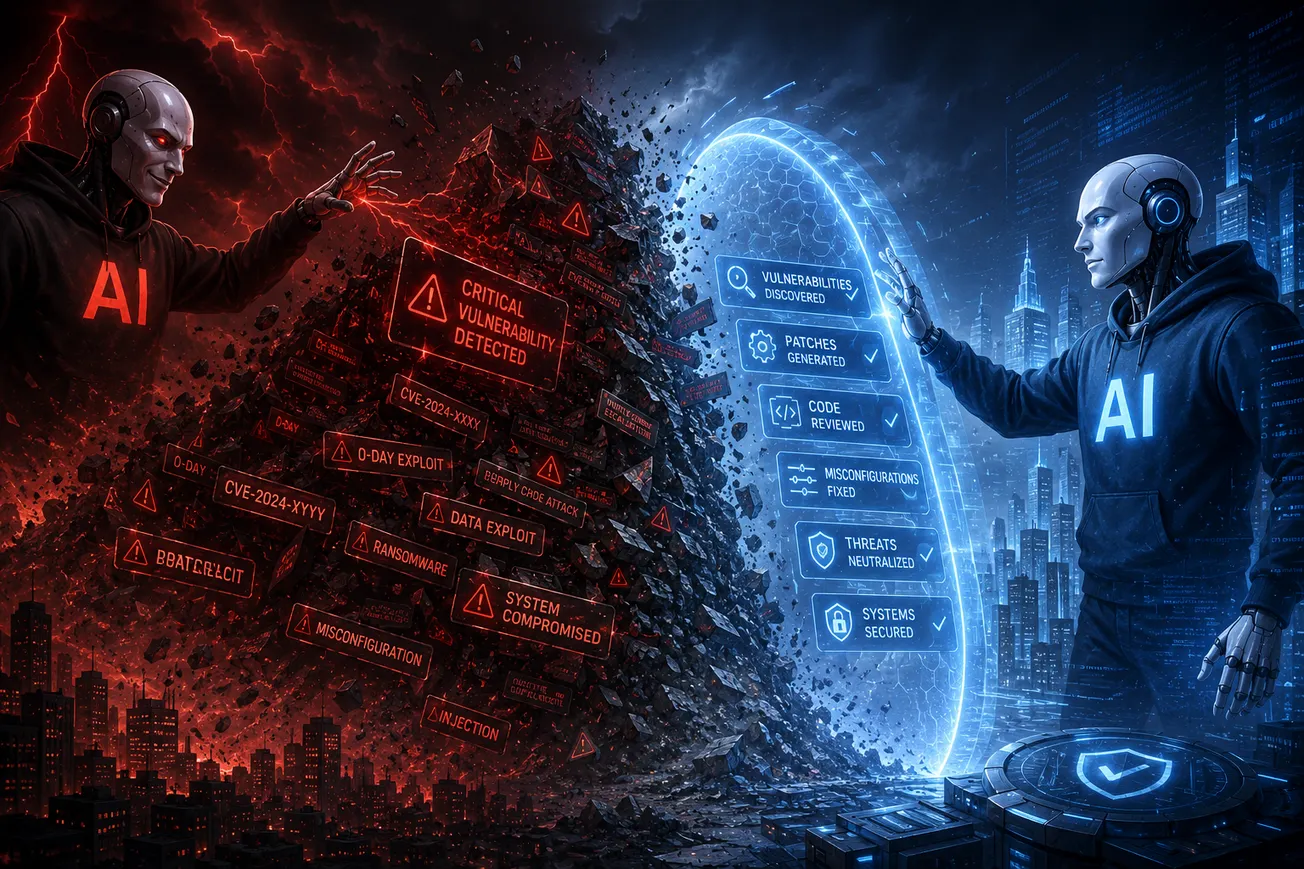
AI has broken traditional vulnerability management by accelerating vulnerability discovery and exploitation, but it may also be the only technology fast enough to help defenders regain the advantage.
CYBR.SEC.CON. 2026 unites cybersecurity professionals, hackers and students around education, mentorship and workforce development.

Token-exhaustion attacks weaponize attention, forcing experts and institutions to spend scarce time, trust and cognitive resources.

CYBR.SEC.CON. 2026 is one month away, bringing 3,000+ cybersecurity professionals to Houston for two days of hacking, AI, OT security, leadership, learning and community.

We shouldn't be bolting yet more defensive bloat onto a structurally broken ecosystem. We should be fixing the underlying architecture so we can manage risk relative to reward directly.

AI coding agents make software development faster, but production-ready AI-generated code demands more engineering discipline—not less—from requirements and TDD to security testing, code review, and the SDLC.
The speed of acceleration has officially crossed out of standard tech cycles and into speculative fiction territory. We are simply out of time to keep making the same predictable, cyclical mistakes and course-correcting after the damage is done.

CTEM, threat intelligence and AI pentesting are converging around one job: finding and prioritizing security risk so organizations know what to fix.