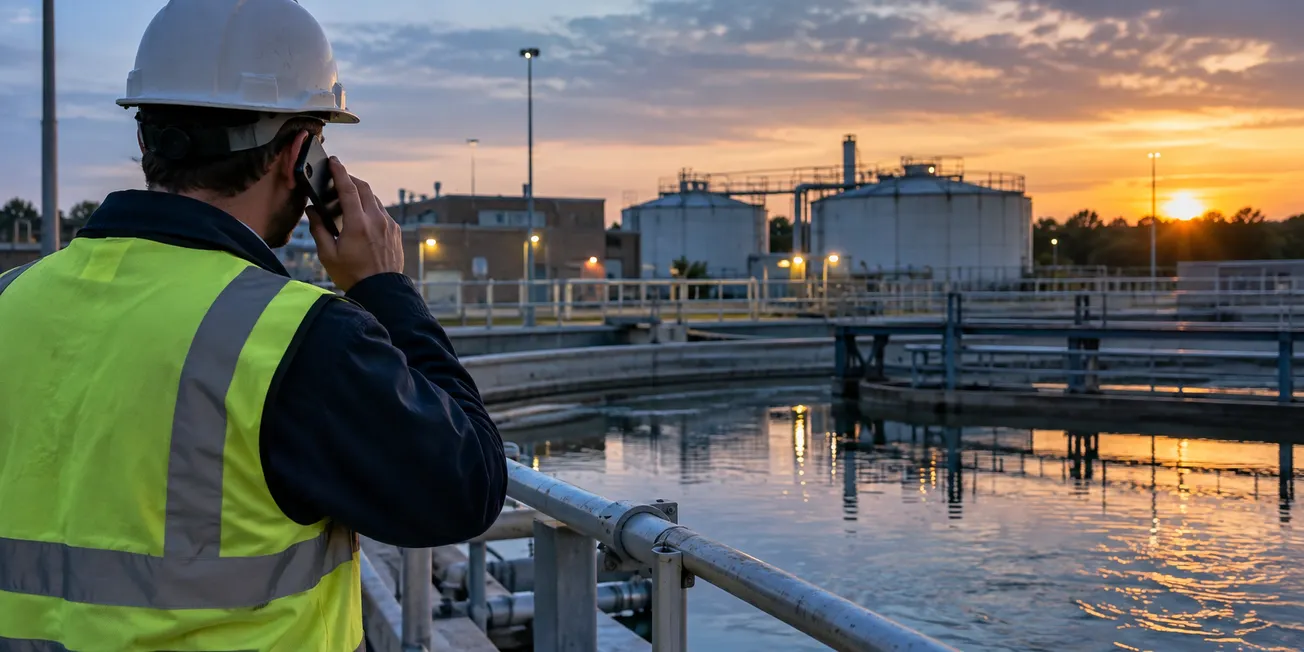
Water Utilities Are Running on Email Alerts and Phone Calls to Defend Critical Infrastructure
WaterISAC's partnership with Cyware is designed to change that: but automated intelligence alone won't protect utilities that lack the staff to act on it.
WaterISAC's partnership with Cyware is designed to change that: but automated intelligence alone won't protect utilities that lack the staff to act on it.


Dragos CEO Robert M. Lee has repeatedly warned that under-resourced water utilities cannot defend themselves against growing cyber threats alone. A new federal-state-industry initiative in Texas aims to start closing that gap.
Danielle (DJ) Jablanski argues that critical-infrastructure owners must stop waiting for perfect regulation or deterrence and instead start today to map interdependencies, engineer fault-tolerant redundancy, and reduce the severity of inevitable cyber-physical impacts.
Christopher Walcutt argues that AI can be used safely in OT environments if organizations first establish strong cybersecurity maturity, segmentation, visibility, and strict containment controls.
Cyber-informed engineering keeps OT systems safe by adding simple physical controls that prevent catastrophic failures even if digital systems are breached.
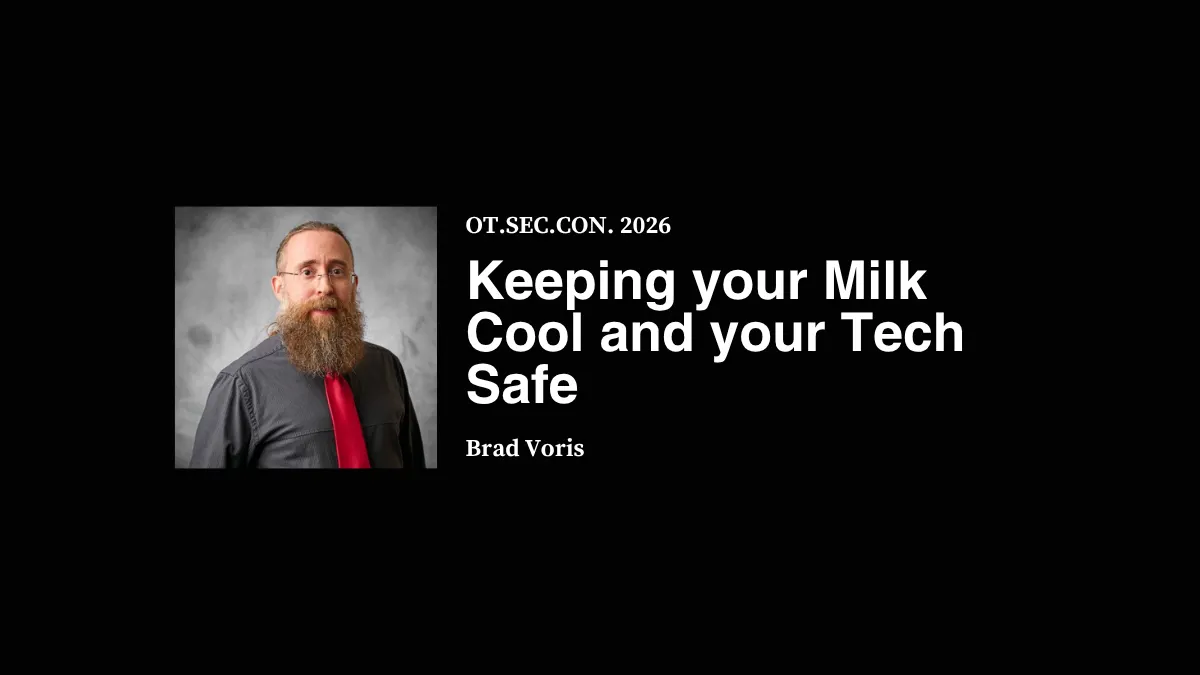
Security engineer and architect Brad Voris recounts designing zero-trust controls for legacy dairy-plant systems to protect millions of gallons of milk from tampering or contamination.