
CruiseCon AI/Privacy 2026: Full Coverage
Full CruiseCon 2026 coverage from aboard Mariner of the Seas, including AI security, privacy, insider threats, cyber risk and leadership.
Full CruiseCon 2026 coverage from aboard Mariner of the Seas, including AI security, privacy, insider threats, cyber risk and leadership.

Agentic AI is exposing the limits of static security policies, excessive permissions and decades of technical debt. Enterprises need dynamic, runtime security controls that evaluate what AI agents are doing in real time. (Sponsored by Eve Security)
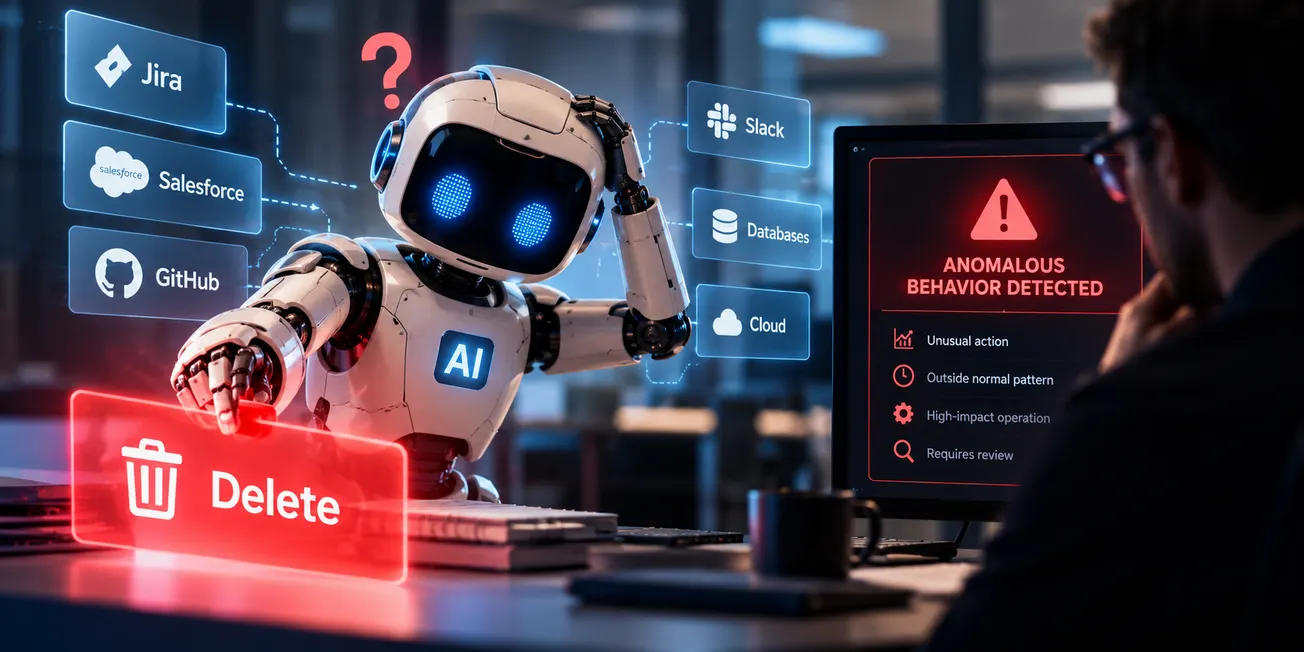
As enterprises deploy autonomous AI agents across critical systems, security teams must assume those agents will make mistakes. Agentic AI security requires continuous monitoring of behavior, intent and context — not blind trust in permissions. (Sponsored by Eve Security)
Suspected AI-assisted cyberattacks breached seven South Korean financial firms and exposed data on more than 67,000 people. The attacks reinforce warnings heard at CruiseCon AI and Privacy 2026 and point to five security actions organizations should take now.

Speaking during CruiseCon Privacy & AI 2026, global privacy leader Adriana Antunes Winkler warned that organizations need a common privacy governance core with deliberate local controls as data crosses borders, AI agents take action and computing begins moving into orbit.

Speaking during CruiseCon AI and Privacy, former CIA case officer Erin Whitmore warned that attackers may not need to hack enterprise AI. Manipulating the data and sources AI trusts could turn models into unwitting insider threats that steer organizations toward attacker-controlled decisions.

Bill Brenner posts regular updates from abourd the Mariner of the Seas cruise ship, where he is covering the proceedings during CruiseCon 2026

At CruiseCon, former U.S. counterterrorism agent Dexter Ingram explained how terrorism and cybercrime increasingly follow the same playbook: exploit human weaknesses, adapt after disruption, hide behind new identities and move faster than defenders.
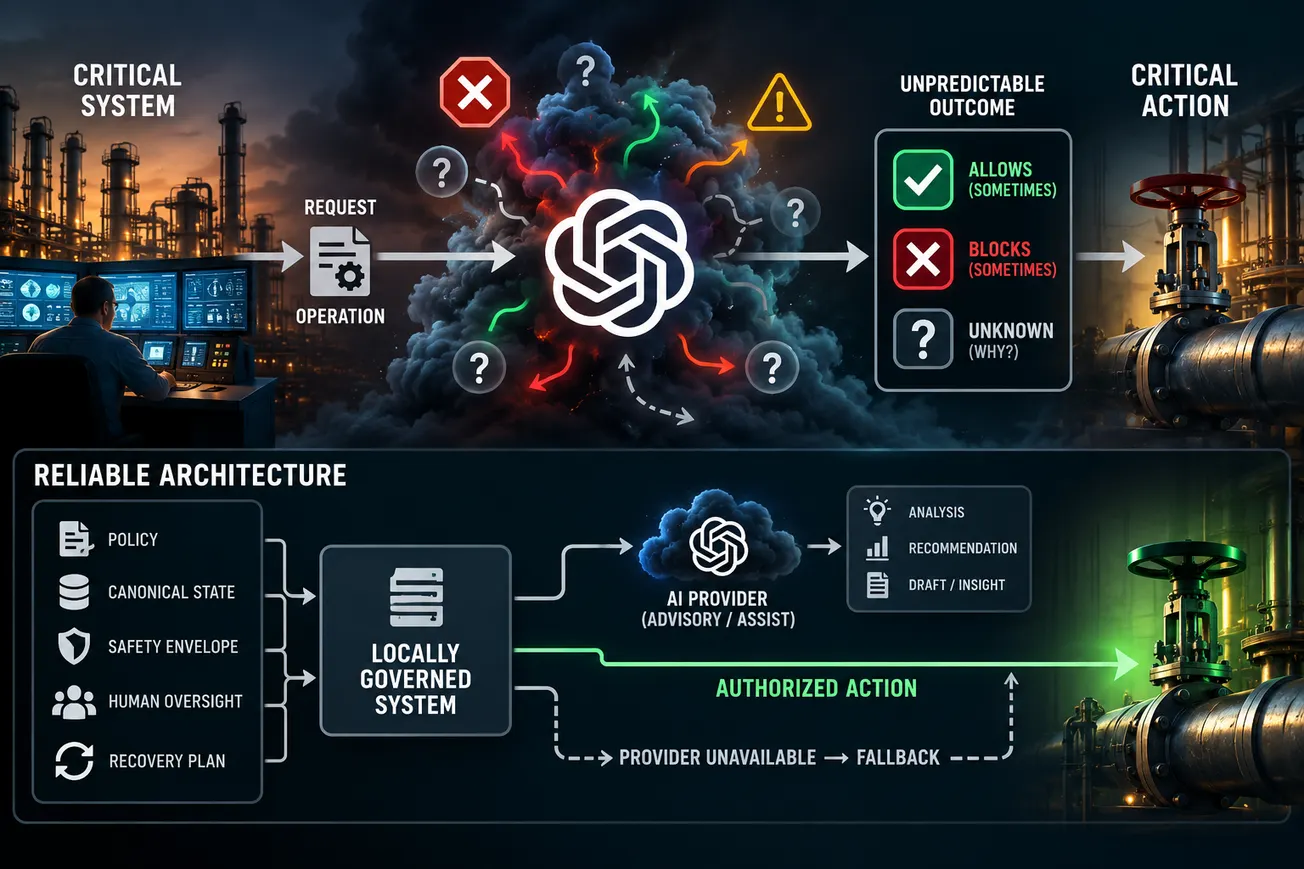
No externally governed inference or action provider should constitute an unmitigated single point of failure. Where provider behavior cannot be sufficiently characterized, treat the provider as an untrusted-availability dependency.

AI adoption is accelerating faster than enterprise security controls can keep pace, with 94% of organizations increasing AI risk management spending as agentic AI, shadow AI, policy violations and security blind spots expand the attack surface.

Nonprofit cybersecurity doesn't improve with more checklists and portals. Real change starts with conversations that expose hidden risks, build trust and turn advice into action.

AI agents can co-opt human credentials and operate at machine speed, but most enterprises lack the identity frameworks to detect, contain, or audit what they're actually doing.

WaterISAC's partnership with Cyware is designed to change that: but automated intelligence alone won't protect utilities that lack the staff to act on it.

This week: Cybersecurity needs more talent, but closing the talent gap takes more than talk. Meanwhile, one CISO has a solution to the cybersecurity awareness marketing problem and AI's growth sparks more anxiety.

In Energized Cybersecurity Culture, CISO Bryan Perkola shows how marketing principles can turn stale security awareness training into a cybersecurity culture employees actually engage with.