
Remembering Dr. Eric Cole, ShinyHunters Exposes Identity-to-SaaS Gap, and Why Community is Our Last Defense Against Deepfakes
Also: The CYBR.SEC.CON call for papers has been extended to June 14. We hope to see you there!
Also: The CYBR.SEC.CON call for papers has been extended to June 14. We hope to see you there!
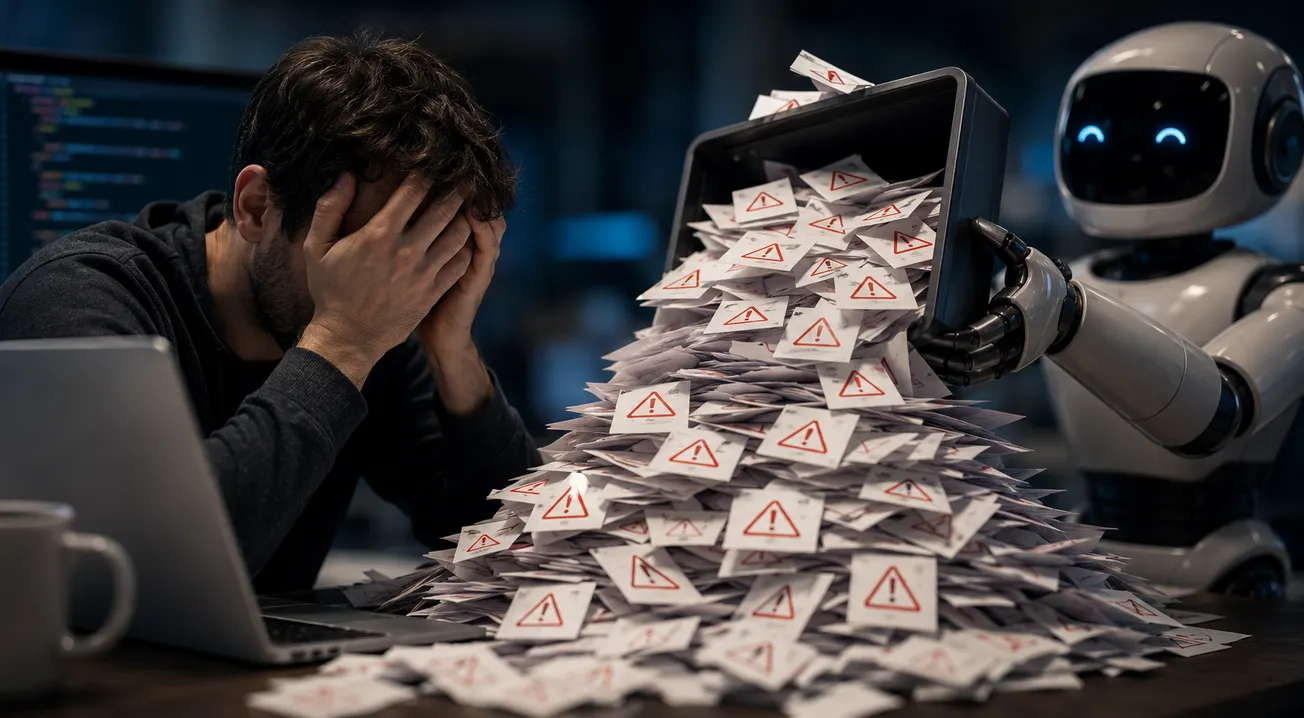
AI security scanners promise to reduce AppSec workload, but Contrast Labs' testing shows they systematically multiply it, turning a $315 API fee into an estimated $128,000 triage burden, before fixing a single vulnerability.
In this week's CYBR.SEC.Media newsletter: preview of CYBR.HAK.CON, why traditional Level 1 SOC operations are breaking down under modern threat pressure, and where cybersecurity professionals can find mental health support built for the realities of the job.
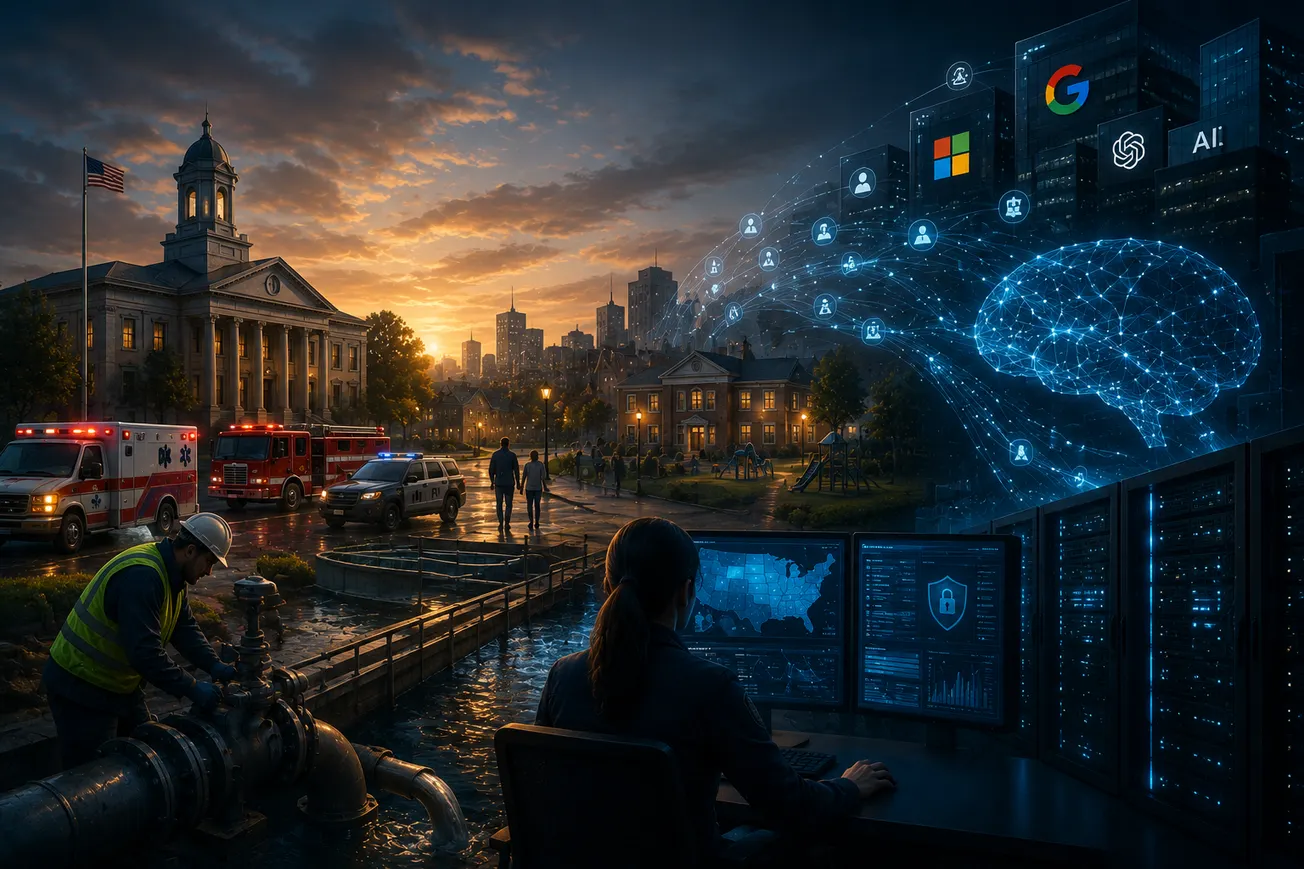
Federal agencies and tech providers are accelerating AI security programs but organizations responsible for water systems, emergency services, and local government operations are struggling to keep pace. (Article includes an infographic to help security teams understand the operational challenges.)
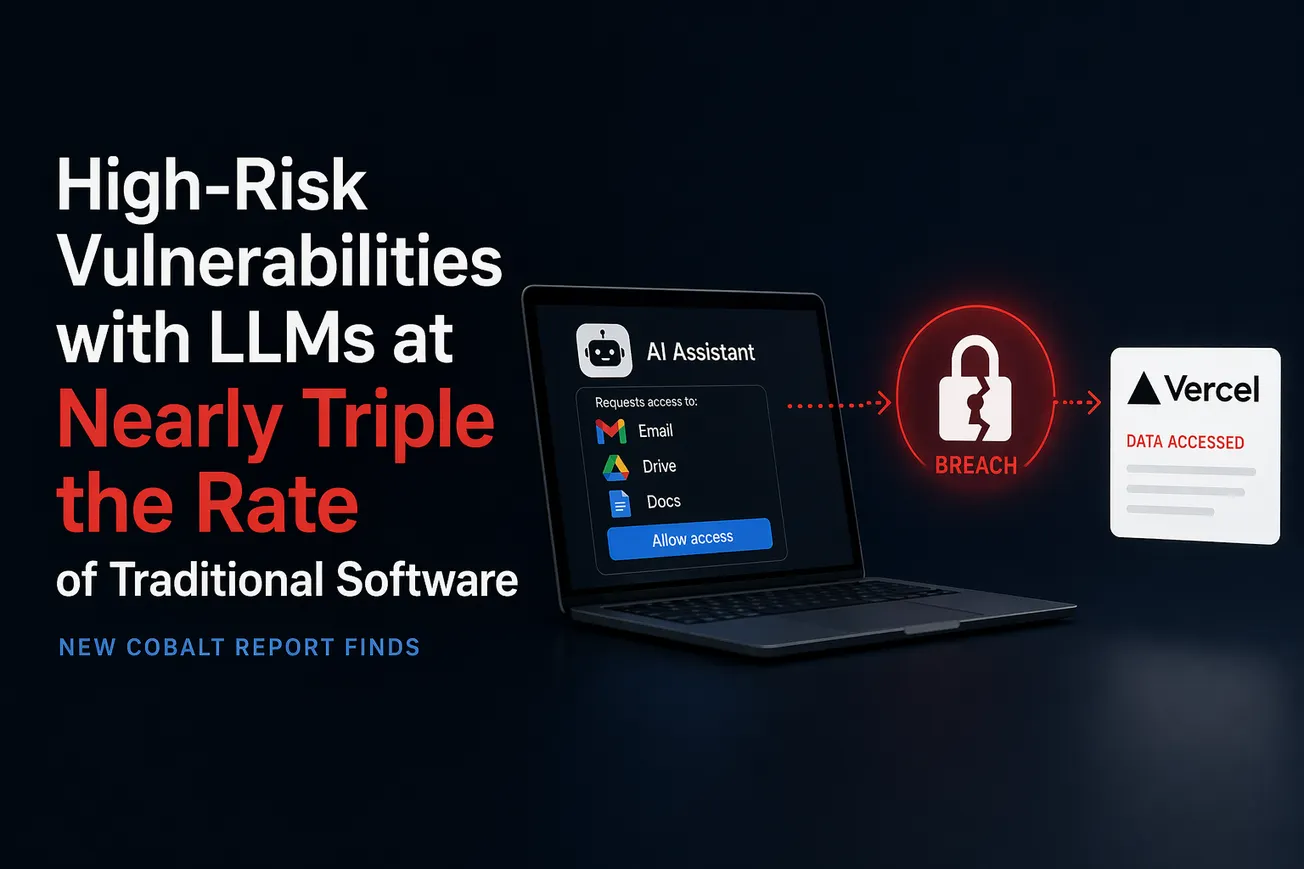
Executives think their teams are fixing critical vulnerabilities. Their security practitioners disagree by 42 percentage points.

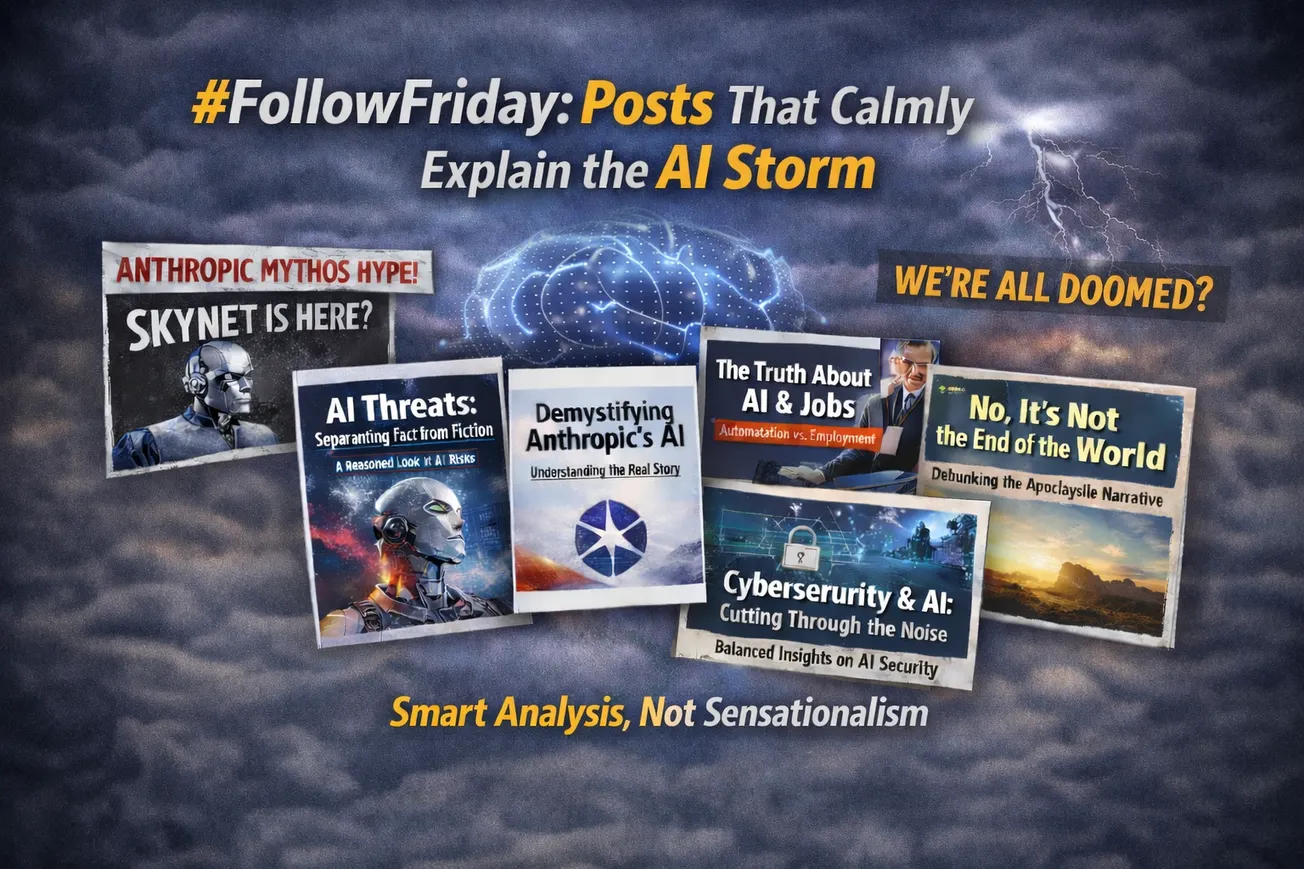
The hype over Anthropic Mythos and AI in general has been super-heated. The cybersecurity voices who calmly unpack the details are the ones to follow. Here are some examples.

A new Dbt Labs survey of 363 data practitioners finds 72% are sprinting into AI-assisted coding while fewer than one in four invest in the pipeline controls that keep those outputs secure — and the practitioners closest to the data are more worried about it than their bosses.

The AI-driven “vulnerability storm” isn’t just a technical problem—it’s a human breaking point, and the Mythos report’s authors are right to elevate burnout from a side issue to a frontline risk.

A coalition of cybersecurity heavyweights has issued an emergency playbook for surviving the AI-driven “vulnerability storm” — and it makes clear that speed, automation, and collective defense are now existential requirements.
As AI-driven threats collapse the time to exploit, this infographic distills a rapid-response playbook from leading cybersecurity experts on how defenders must adapt fast.

Agentic AI will increasingly cut out humans in many management and operational decisions. These systems are designed to plan, decide, and act — continuously — without a human in every loop. Here's what that means for OT security.
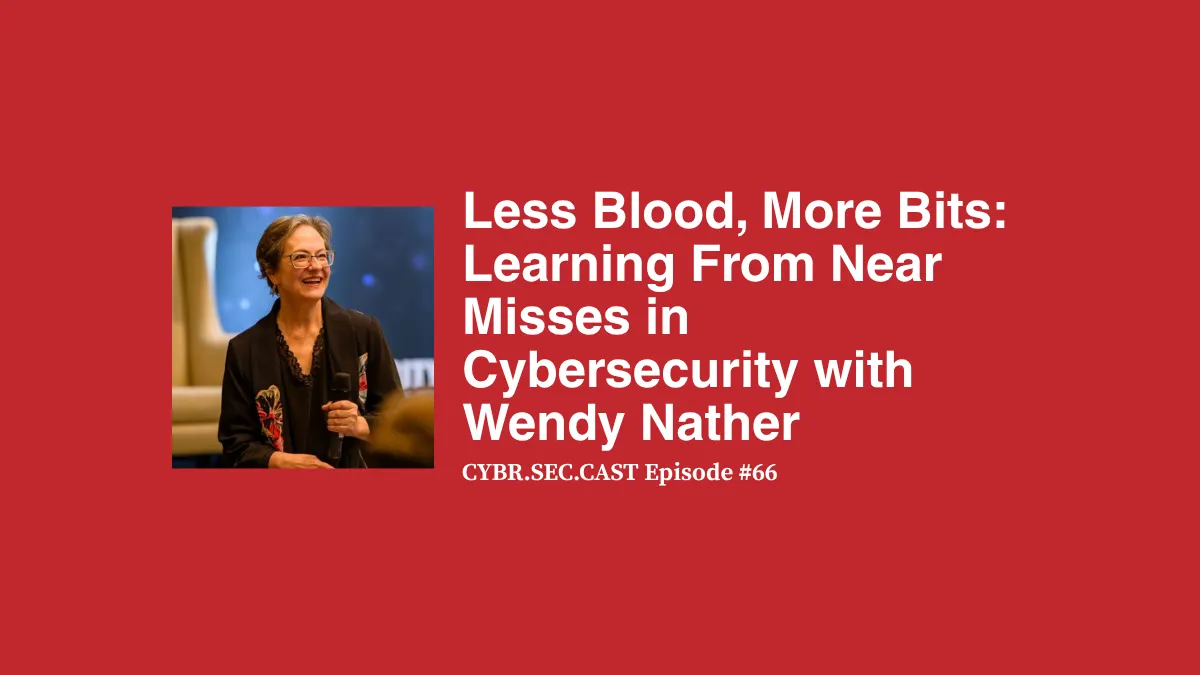
In CYBR.SEC.CAST Episode 66, Wendy Nather explains why cybersecurity’s biggest lessons aren’t coming from breaches, but from the near-misses no one talks about.
Industry veteran Theresa Lanowitz says the modern software supply chain has become too complex to see, too critical to ignore, and too exposed to secure the old way.
As AI accelerates development and expands the attack surface, organizations are waking up to a harsh reality: the software supply chain is now their most fragile and least understood security risk.

Five cybersecurity thinkers worth following as they explore how AI is transforming security operations, decision-making, and the future of work for defenders.