
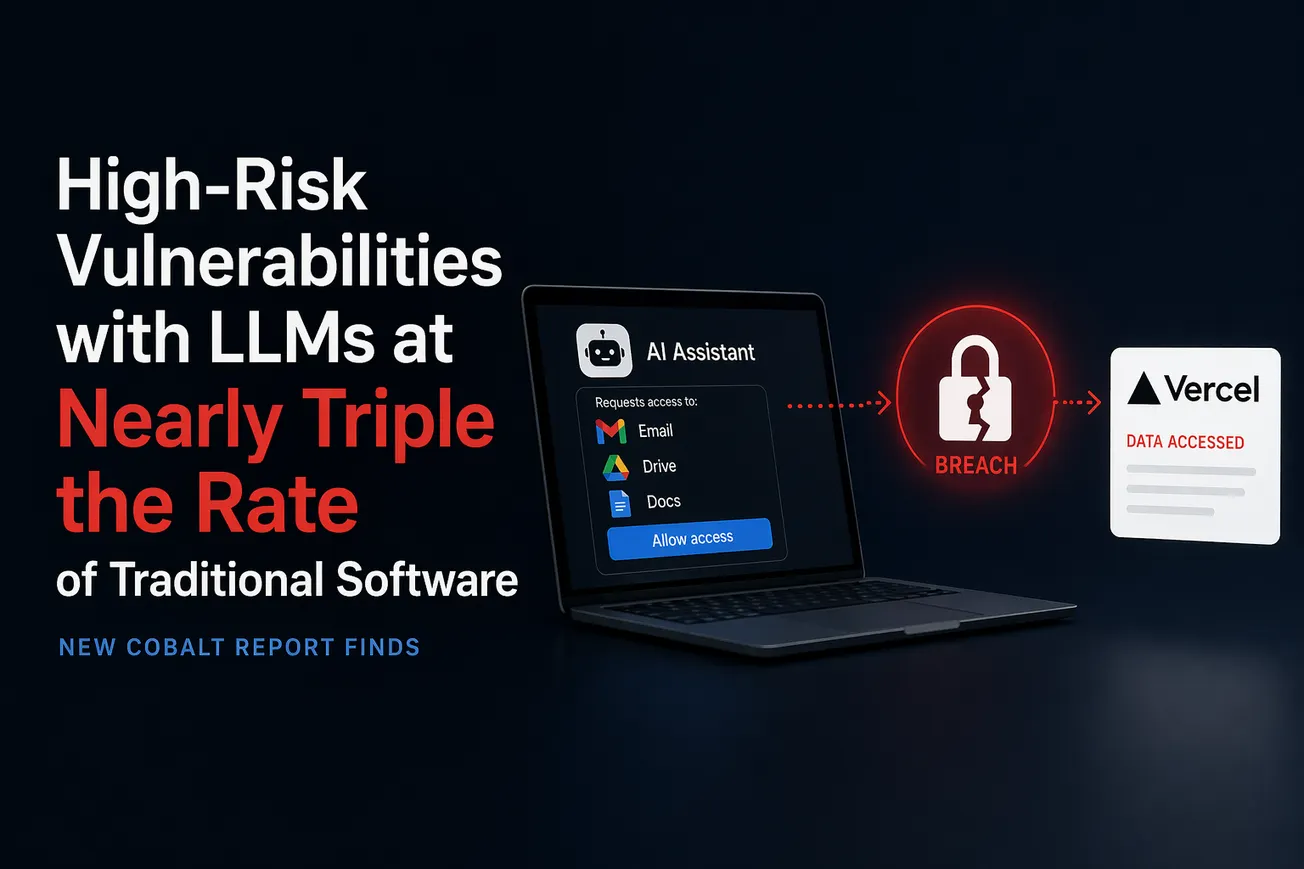
High-Risk Vulnerabilities with LLMs at Nearly Triple the Rate of Traditional Software, New Cobalt Report Finds
Executives think their teams are fixing critical vulnerabilities. Their security practitioners disagree by 42 percentage points.
Executives think their teams are fixing critical vulnerabilities. Their security practitioners disagree by 42 percentage points.
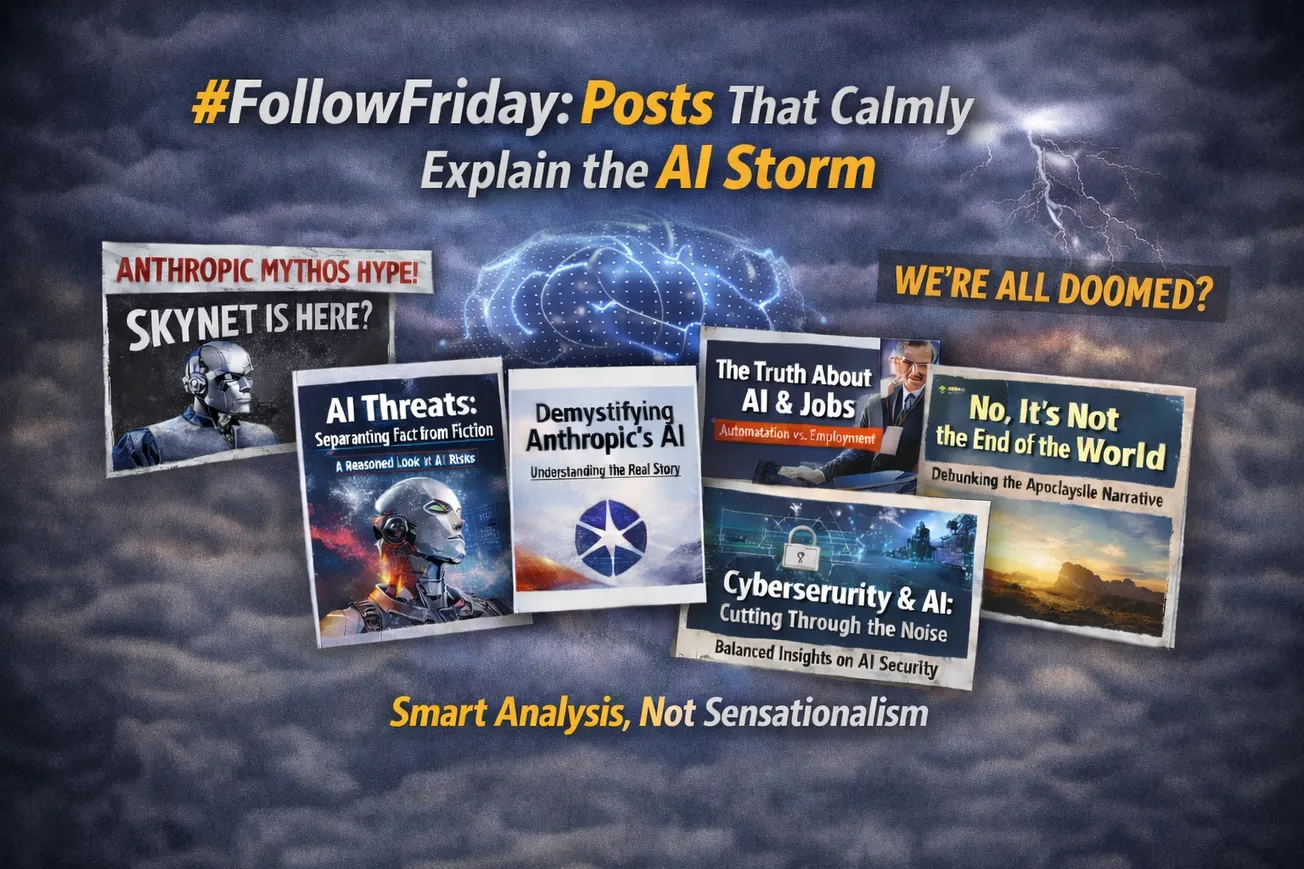
The hype over Anthropic Mythos and AI in general has been super-heated. The cybersecurity voices who calmly unpack the details are the ones to follow. Here are some examples.

A new Dbt Labs survey of 363 data practitioners finds 72% are sprinting into AI-assisted coding while fewer than one in four invest in the pipeline controls that keep those outputs secure — and the practitioners closest to the data are more worried about it than their bosses.

The AI-driven “vulnerability storm” isn’t just a technical problem—it’s a human breaking point, and the Mythos report’s authors are right to elevate burnout from a side issue to a frontline risk.

A coalition of cybersecurity heavyweights has issued an emergency playbook for surviving the AI-driven “vulnerability storm” — and it makes clear that speed, automation, and collective defense are now existential requirements.
As AI-driven threats collapse the time to exploit, this infographic distills a rapid-response playbook from leading cybersecurity experts on how defenders must adapt fast.
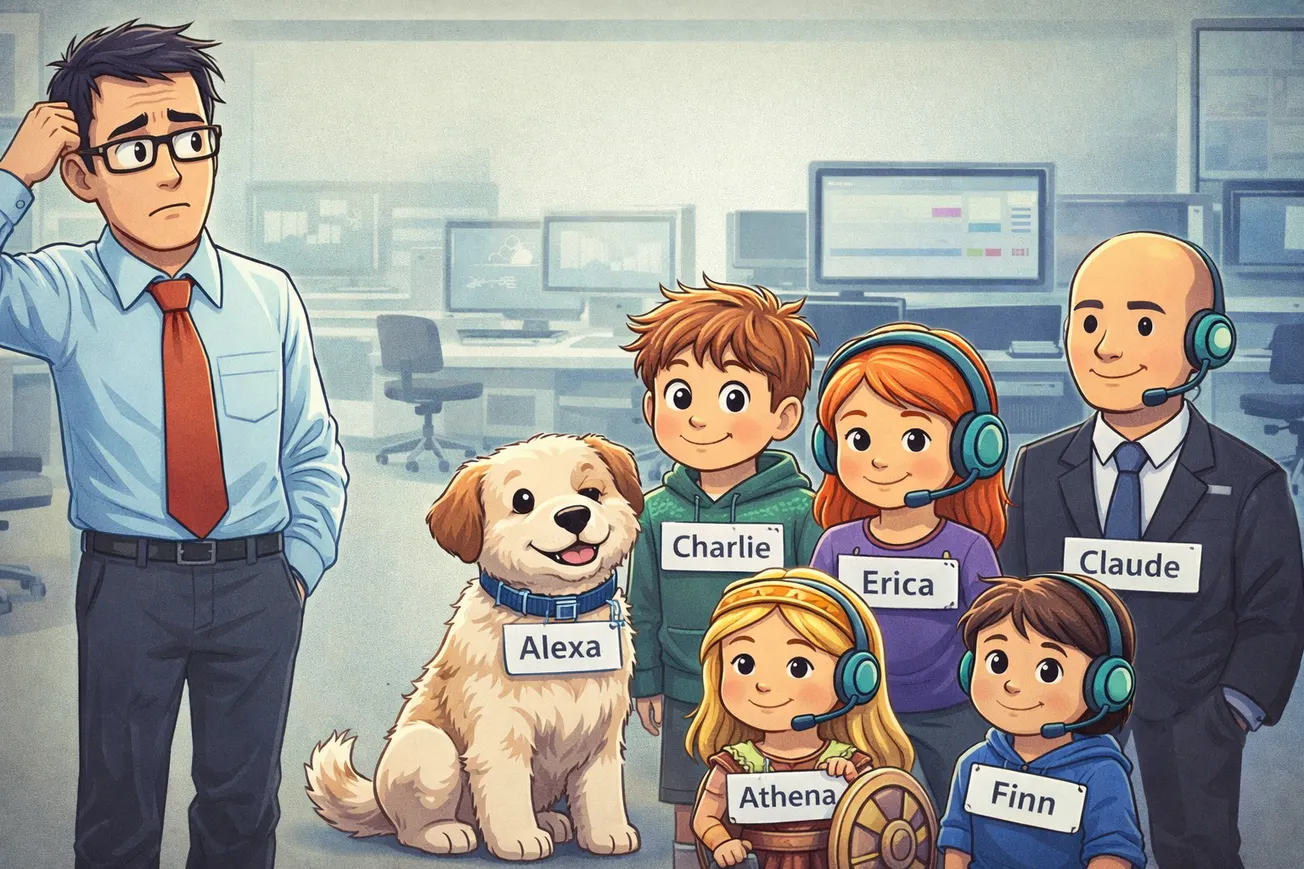
It’s been quite a long time since we stopped naming servers like pets, instead treating them more like cattle farms. But AI has brought cute naming back to the forefront.
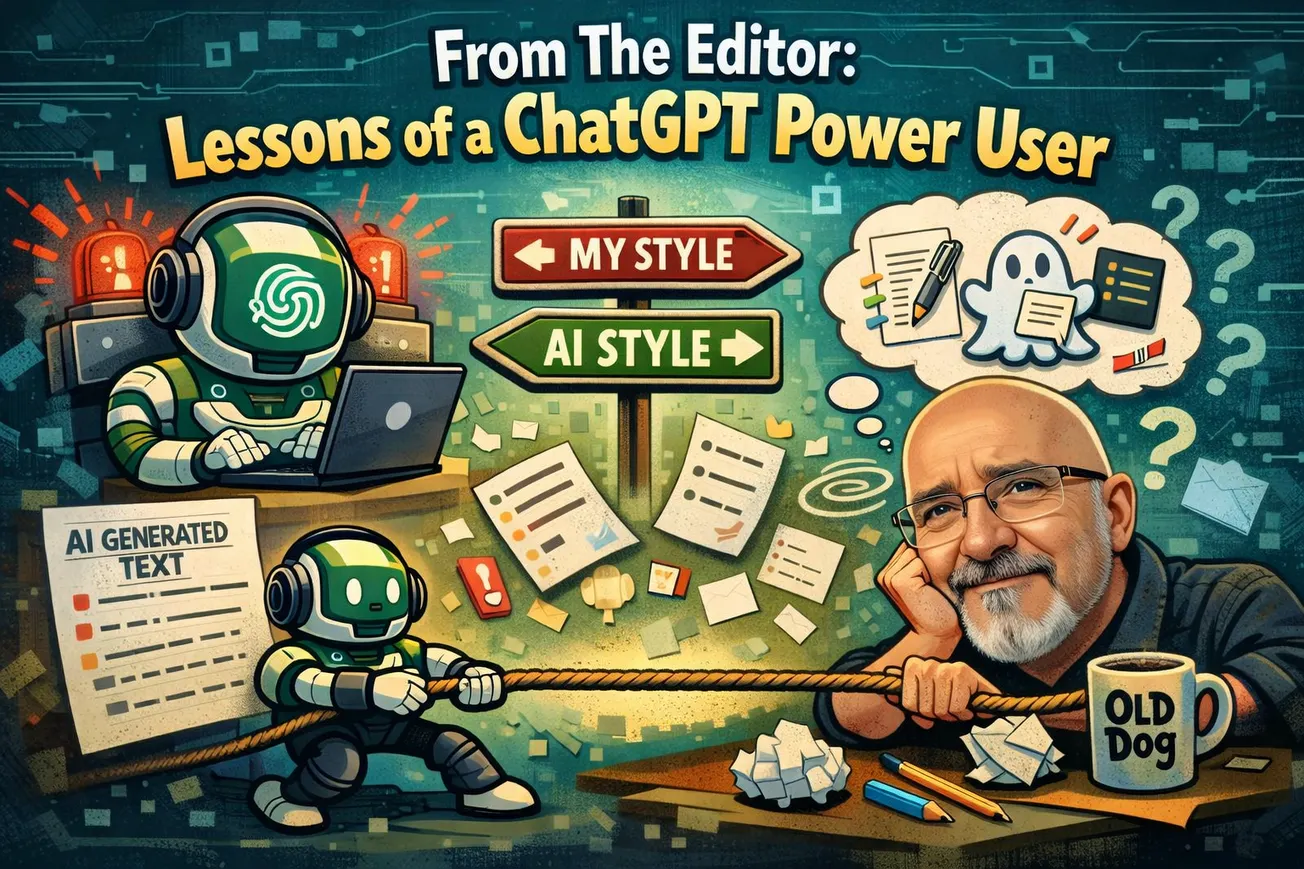
Using AI in the editorial process can be weird. But in an educational way -- whether you're a writer, an image designer or a cybersecurity practitioner.

The agentic AI governance gap is a fundamental enterprise weakness. Sixty-three percent of organizations lack AI governance policies, according to IBM's research. This creates a complete lack of any meaningful organizational control over these deployments.

New research highlights the gap between how technology is designed to work and how it's actually safely operated.
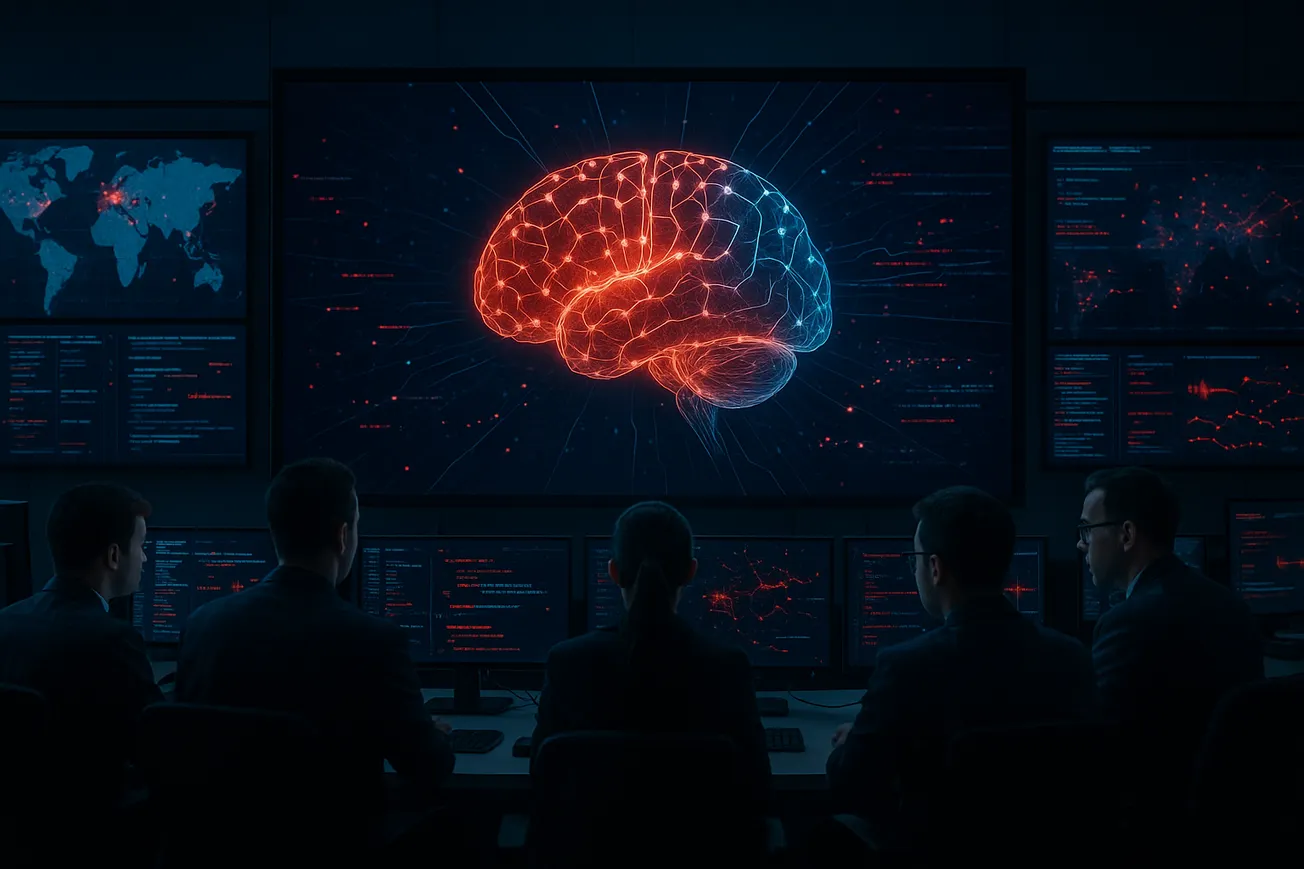
Anthropic's disclosure lacked important elements, which explains the professional criticism that erupted despite the potmortem's potential significance. And while the post is marketing for Anthropic, it also provides strategic threat context for security executives.
2026 will bring CISOs and security professionals potential AI breaches, tight infrastructure regulation, a new European Union vulnerability database, quantum security growth, and merger and acquisition shifts.
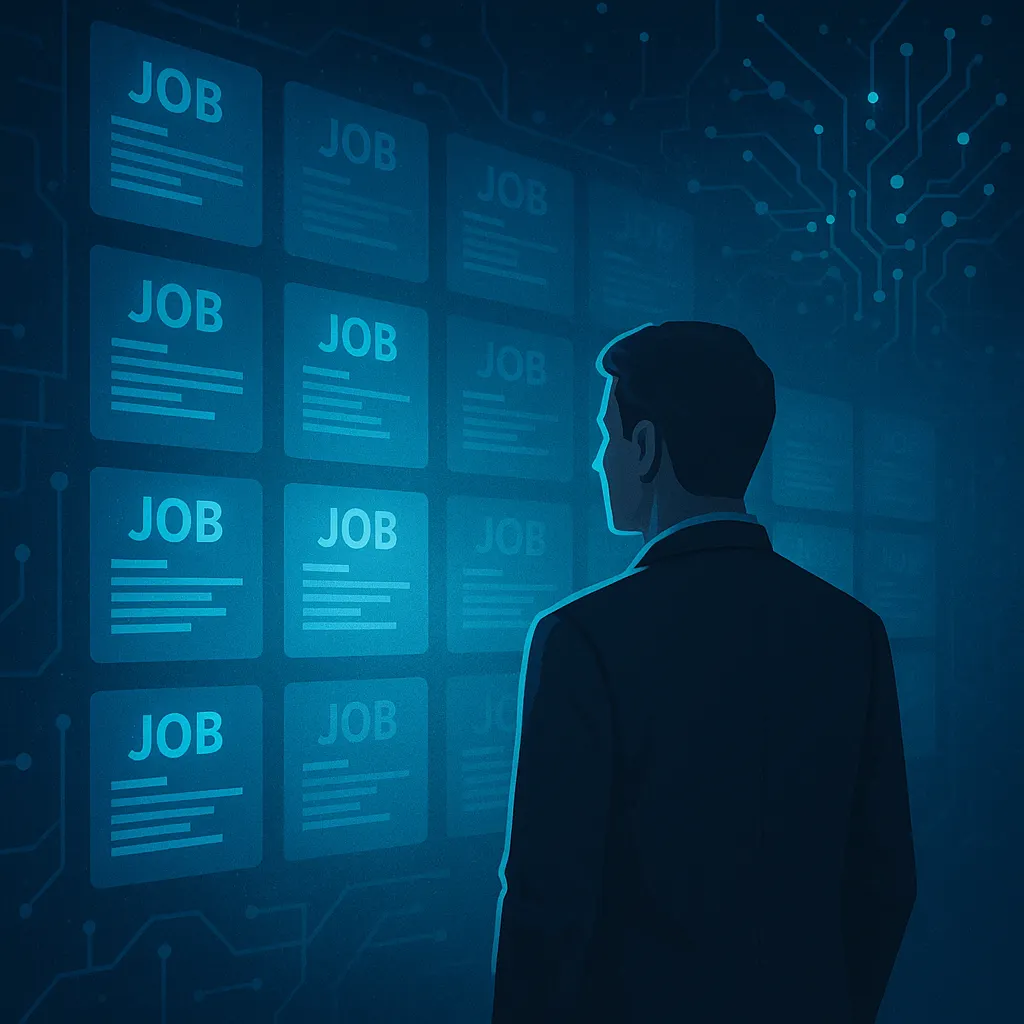
The field desperately needs people, but neither employers nor job seekers seem yet to fully align on what skills those people should possess in an AI-dominated future.

The problem is that most security models weren’t designed with agent autonomy in mind.
The National Institute of Standards and Technology's new Control Overlays for Securing AI Systems and the Coalition for Secure AI provide much-needed standardization for AI security across government and industry.