

The Dumbest Post-DEF CON Wi-Fi Stunt of the Year
Someone broadcast a fake Delta Wi-Fi network on a flight home from DEF CON, prompting an investigation, a flood of online commentary and one painfully obvious lesson.
Someone broadcast a fake Delta Wi-Fi network on a flight home from DEF CON, prompting an investigation, a flood of online commentary and one painfully obvious lesson.
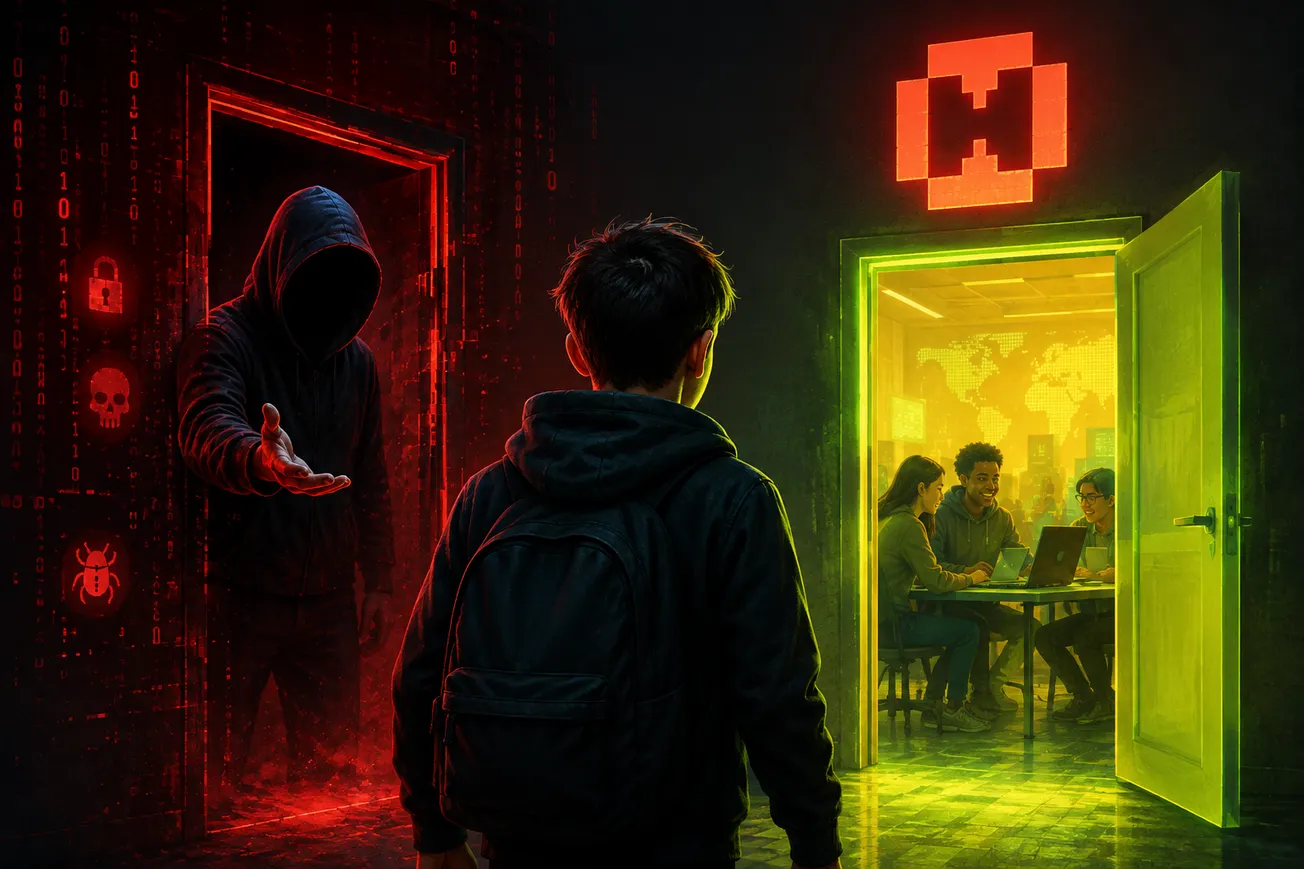
The Hacking Games wants to steer young hackers from cybercrime toward ethical hacking through mentorship and early intervention.

Jamie Arlen returns to cybersecurity writing with a simple mission: turn hard-earned experience and crankiness into better security choices.

CTEM, threat intelligence and AI pentesting are converging around one job: finding and prioritizing security risk so organizations know what to fix.

Cybersecurity values experience, but age bias in hiring may filter out veteran talent before recruiters ever see it.

Hacker Summer Camp does more than deliver security knowledge. It rebuilds context, connections, and the human judgment AI can't replace.

A 13.1 million-package analysis finds that open-source abandonment rates can vary by multiples, exposing a major software supply-chain measurement gap.

Black Hat, DEF CON, and BSidesLV wrapped up this week. As always, a few security nonprofits found their way into the room. But the sector that runs $1.4 to $1.5 trillion through the U.S. economy every year? Still mostly locked out.

Andy Ellis' analysis of all 450 Black Hat USA 2026 exhibitors found AI has become cybersecurity's dominant message, while governance tools now outnumber technologies focused on directly preventing attacks.

Self-adapting AI worms, a vetoed California bill, and a 1.4% replacement rate: how AI's founders split on security, regulation, and jobs at Ai4 2026.

All the news and analysis of the past week!

Security leaders speaking on this exact vishing threat at an Ai4 cybersecurity panel on Aug. 4 said the best defense against voice-based impersonation is identity verification.

New 1Password research found AI-generated vulnerability patches failed to fully fix complex software flaws 53.9% of the time, reinforcing the need for expert human review.

The CYBR.SEC.Media crew is in Las Vegas to bring you all the insights coming from this week's proceedings.
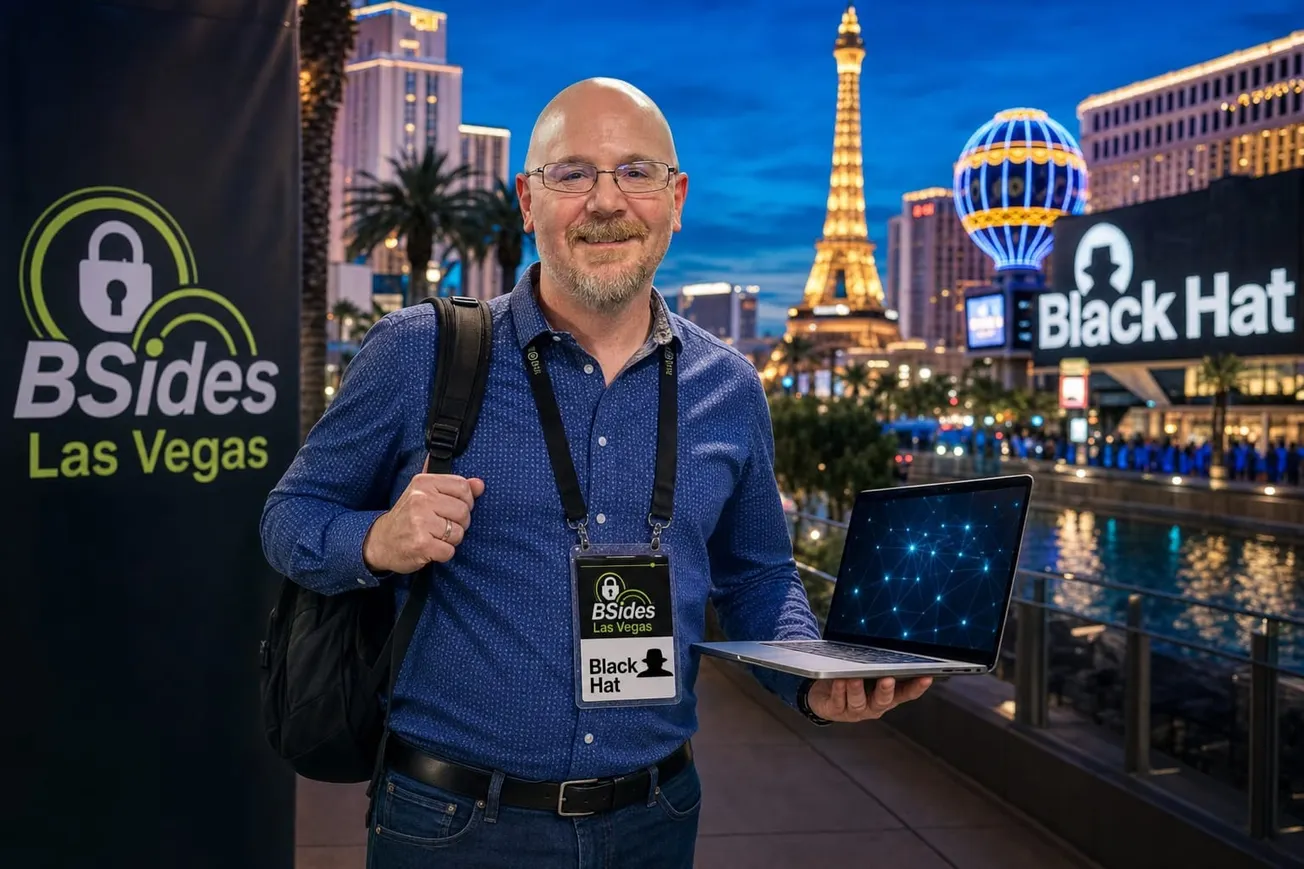
I'm out in vegas this week, attending BSides Las Vegas and Black Hat (no DEF CON for me this year). I'll be documenting who I talk to on this post.

On CYBR.SEC.CAST, Packet Protector hosts JJ Jabbusch and Drew Conry-Murray explain why stronger cybersecurity starts with treating infrastructure teams as security partners.