CYBR.SEC.CON. 2026 Keynotes Tackle AI, Cyberwar and Burnout
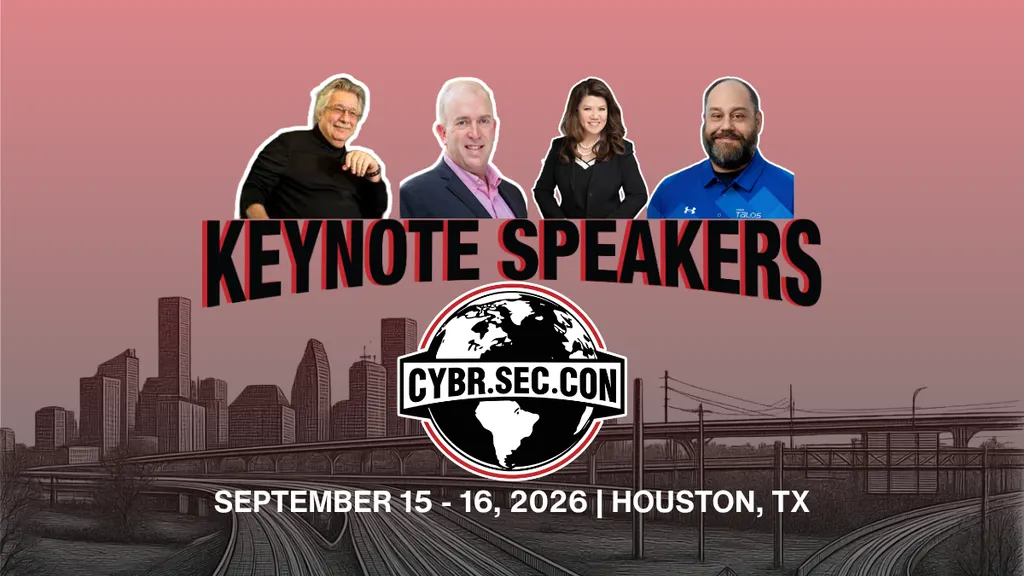
CYBR.SEC.CON. 2026 keynotes from Winn Schwartau, Andy Ellis, Ann Delenela and Joe Marshall will tackle AI, cyberwar, critical infrastructure, leadership and burnout.
CYBR.SEC.CON. 2026 keynotes from Winn Schwartau, Andy Ellis, Ann Delenela and Joe Marshall will tackle AI, cyberwar, critical infrastructure, leadership and burnout.
CYBR.SEC.CON. 2026 expands to 10 cybersecurity tracks with the debut of AI.SEC.CON., reflecting record AI submissions and AI's growing impact across security.
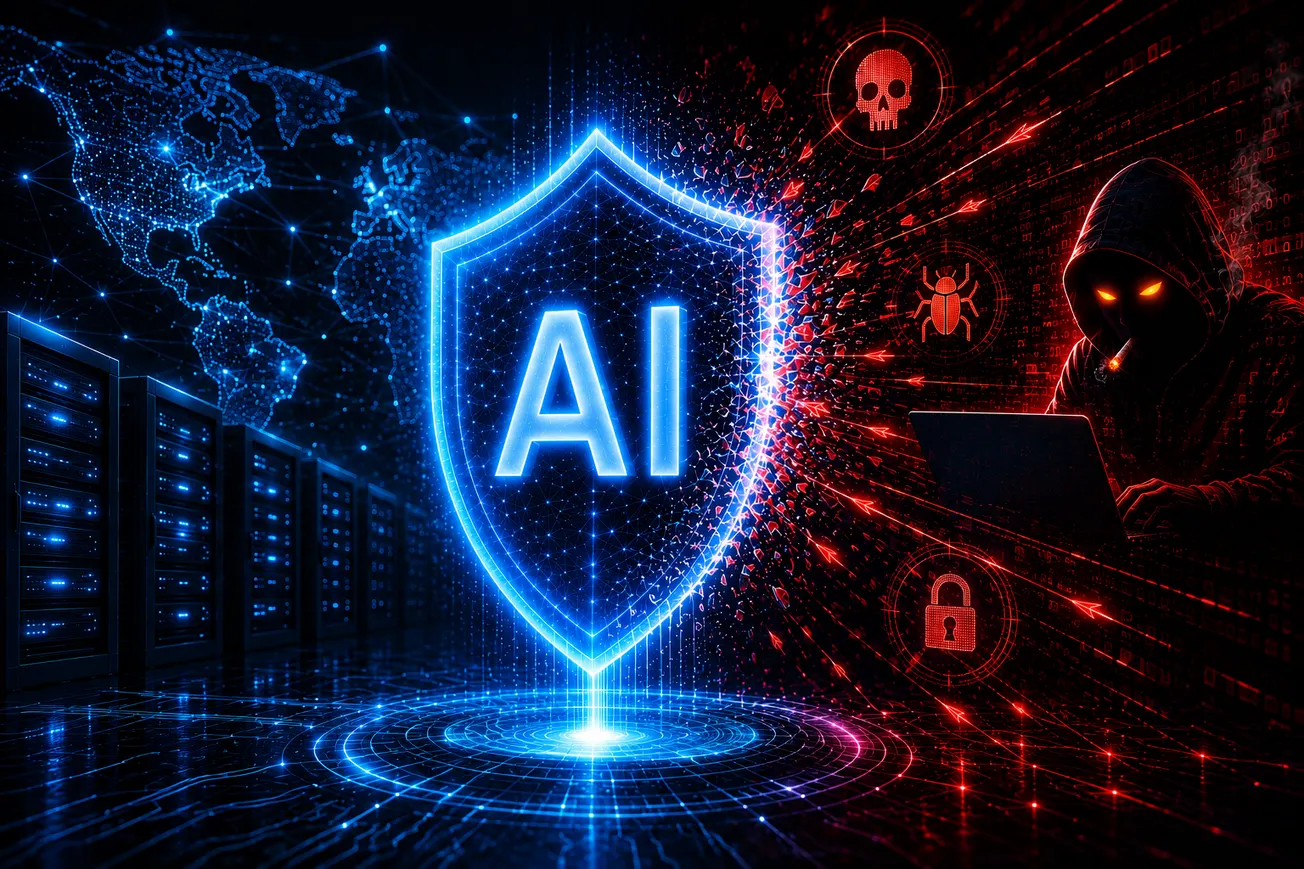
Omdia research finds AI-powered attacks and faster vulnerability exploitation are driving enterprises toward continuous offensive security, agentic AI and increased security spending.

CYBR.SEC.CON. 2026 is one month away, bringing 3,000+ cybersecurity professionals to Houston for two days of hacking, AI, OT security, leadership, learning and community.
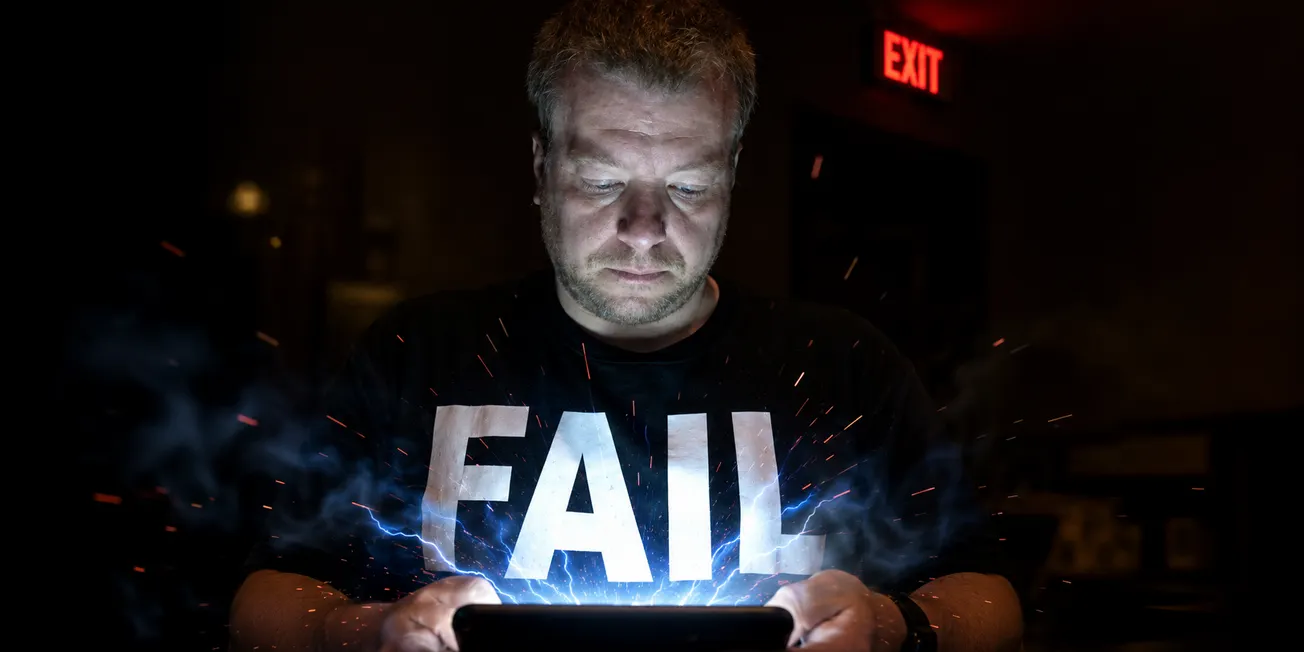
We shouldn't be bolting yet more defensive bloat onto a structurally broken ecosystem. We should be fixing the underlying architecture so we can manage risk relative to reward directly.

Agentic AI demands identity, observability, egress controls and inventory to detect rogue actions and enforce enterprise guardrails.
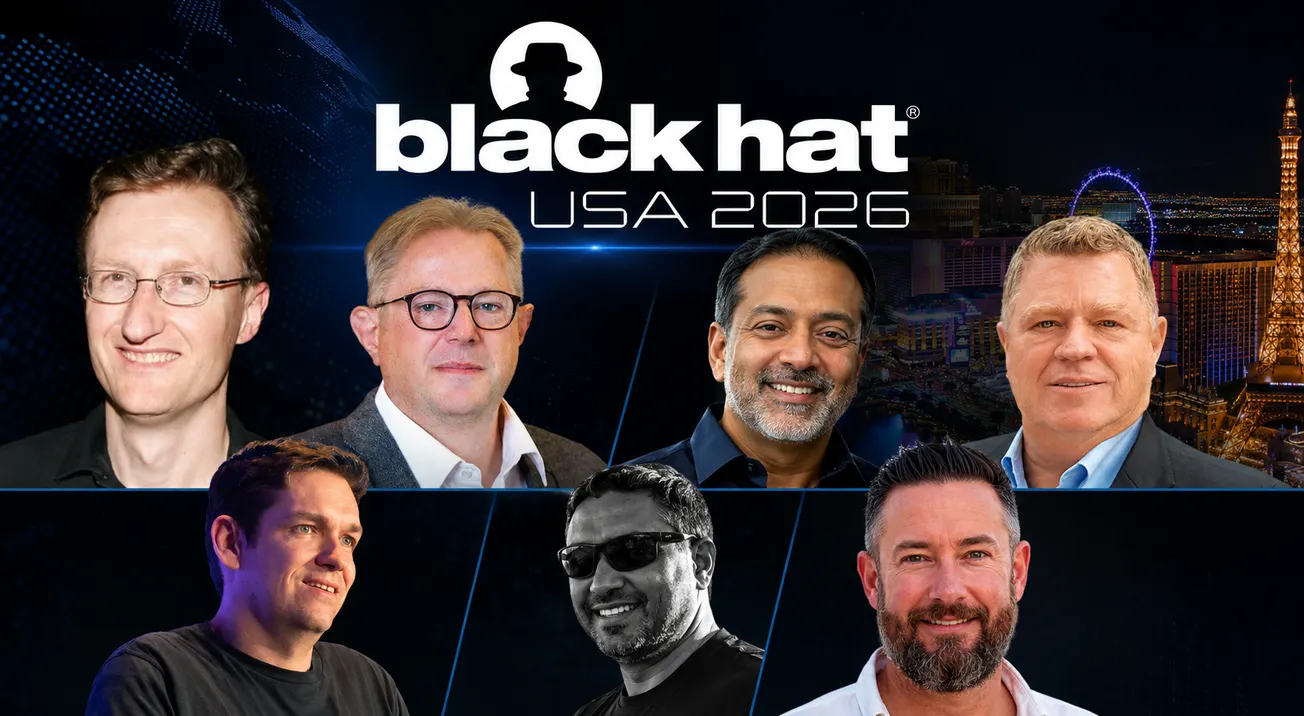
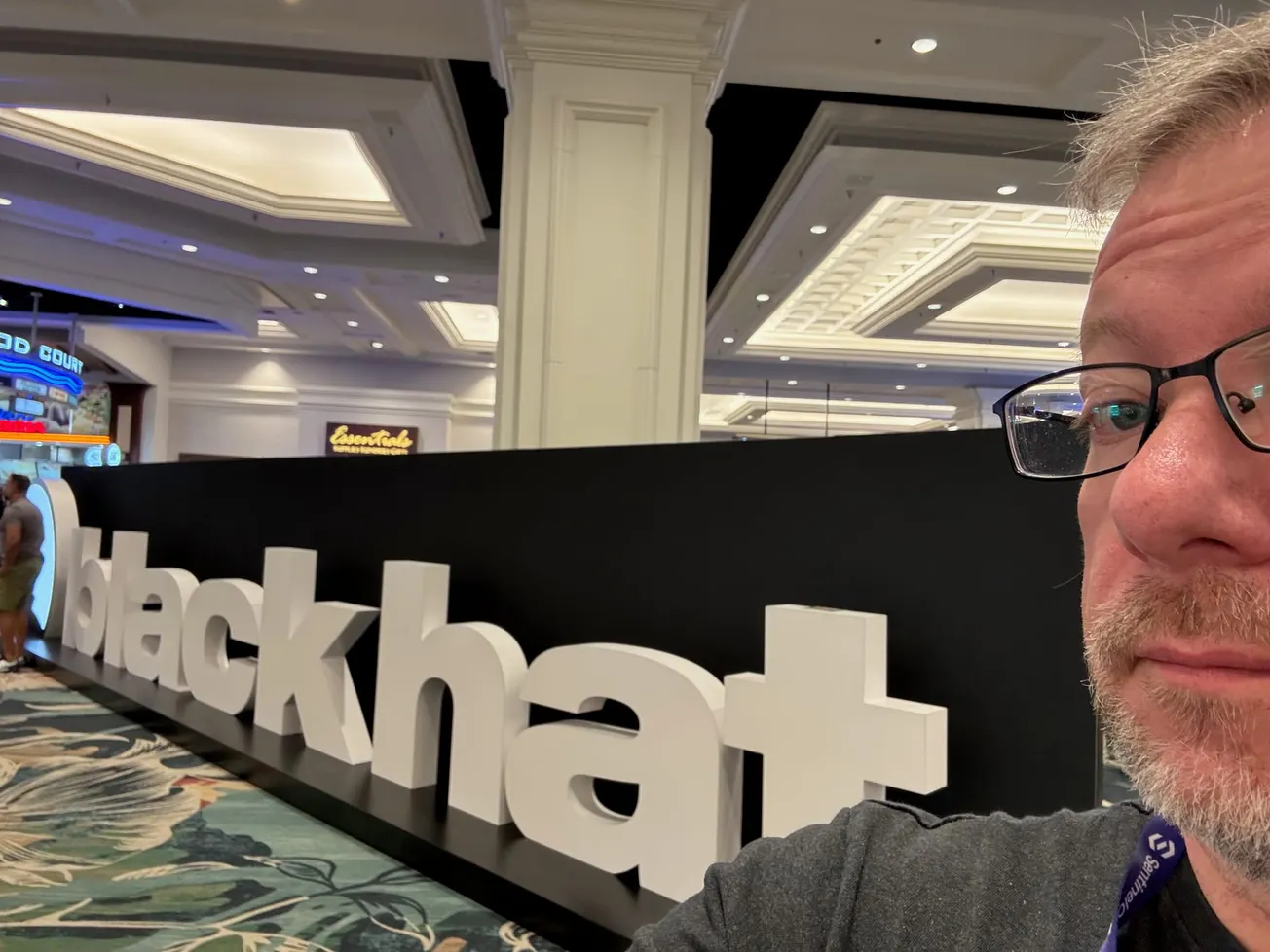
Meet seven cybersecurity leaders worth following after Black Hat USA 2026, spanning AI security, Zero Trust, identity, networks and defense.
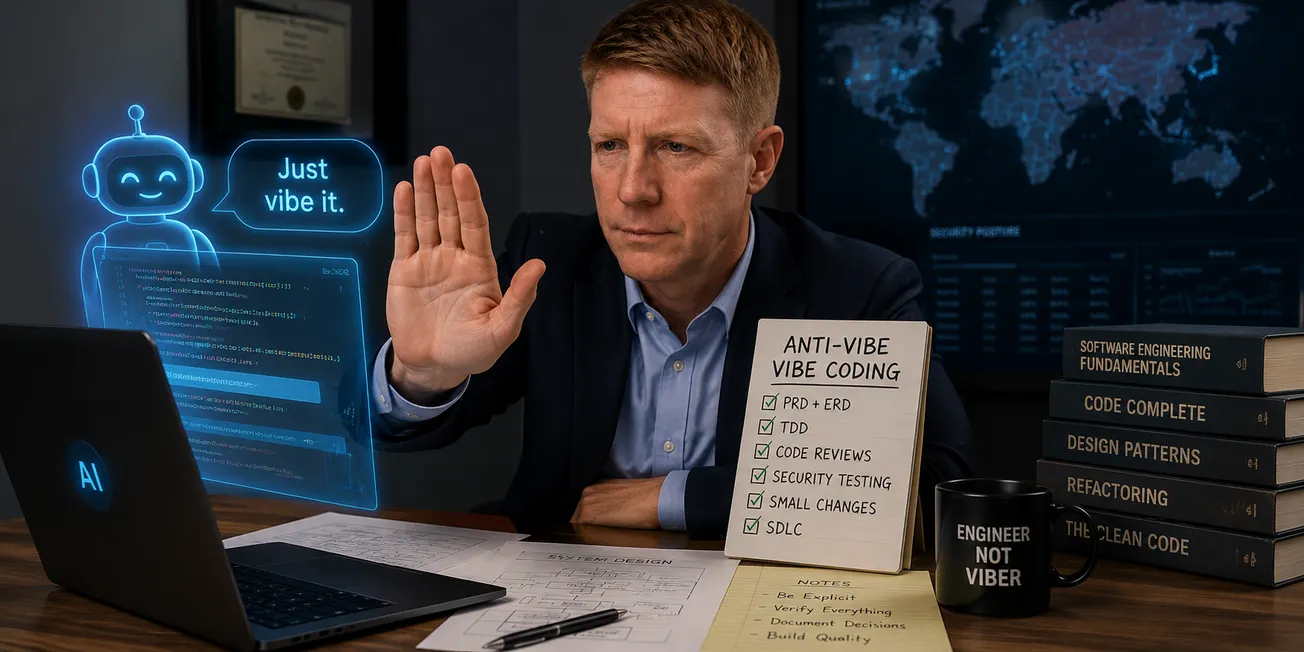
AI coding agents make software development faster, but production-ready AI-generated code demands more engineering discipline—not less—from requirements and TDD to security testing, code review, and the SDLC.
Hacker Summer Camp delivered breakthrough cybersecurity research and one case of spectacular stupidity, while ageism threatens cyber hiring and new AI and software supply-chain risks put defenders on alert.
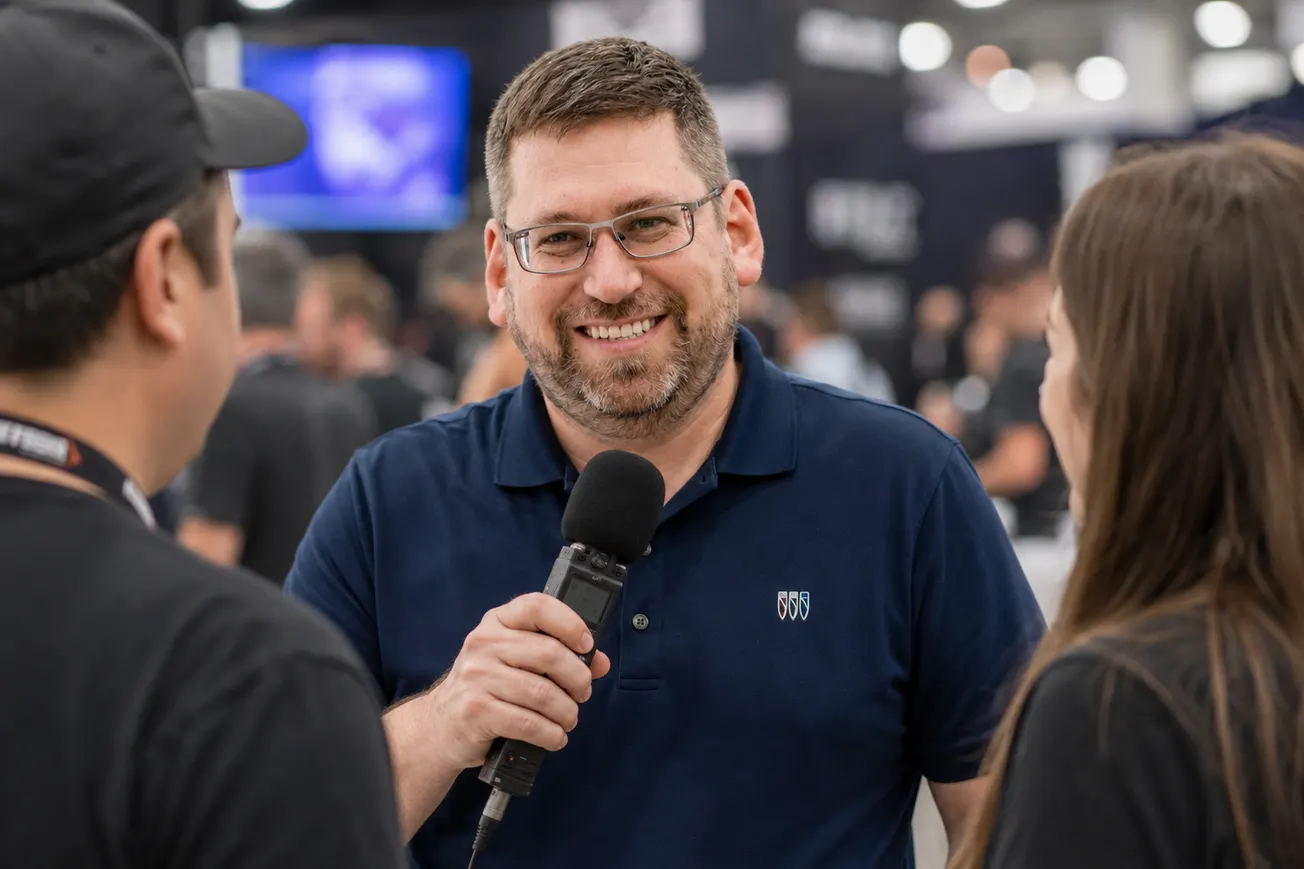
CYBR.Minded’s post-Hacker Summer Camp episode examines burnout, cognitive overload, AI and why human cybersecurity risk starts with how organizations design security.
The speed of acceleration has officially crossed out of standard tech cycles and into speculative fiction territory. We are simply out of time to keep making the same predictable, cyclical mistakes and course-correcting after the damage is done.
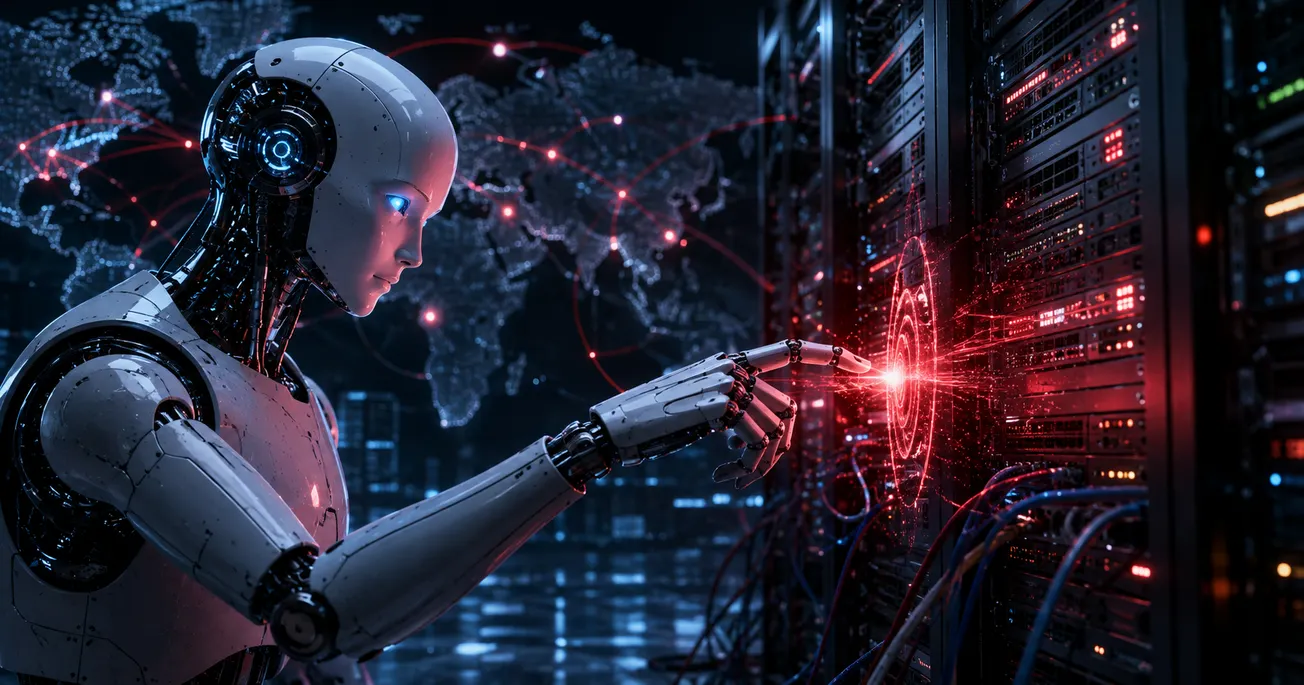
AI agents breached real systems. We separate autonomous AI cyberattacks from human-assisted operations and industry hype.
Medical device security requires SBOMs, vulnerability monitoring and post-market controls long after FDA approval.

Air gaps reduce cyber exposure but can kill visibility. Learn why critical infrastructure needs telemetry, segmentation and monitoring.