
enterprise security

Too Many Cybersecurity Tools: How To Declutter Through Platformization
For enterprises eager to consolidate their tools, success will take the form of "platformization" of enterprise security stacks.

AI-Generated Code Is Already Running Critical Infrastructure: Can AppSec Keep Up?
Traditional security tools were designed when code changes were measured in hundreds of lines per sprint and development cycles lasted weeks. Today, AI accelerates code production to thousands of lines daily with fundamentally different patterns than human-written code.

AI-Powered Espionage Disclosure: Industry Questions Value of Anthropic's Postmortem
Anthropic's disclosure lacked important elements, which explains the professional criticism that erupted despite the potmortem's potential significance. And while the post is marketing for Anthropic, it also provides strategic threat context for security executives.

When Good People Struggle: The Human Side of Security Misalignment
Security challenges aren’t usually about tools—they’re about people, alignment, and the unseen friction that builds when roles, workflows, and reality drift apart.

Forrester's 2026 Cybersecurity Predictions
2026 will bring CISOs and security professionals potential AI breaches, tight infrastructure regulation, a new European Union vulnerability database, quantum security growth, and merger and acquisition shifts.
Less to Protect, More to Gain: Rethinking Compliance Through Scope Reduction
Doing less can deliver more. Scope reduction reduces risk, simplifies compliance, and makes regulated opportunities attainable for any organization willing to focus on what really matters.

Modern Security Posture Management: Solving the Hardest Problems with Cloud and APIs
Security Posture Management (SPM) is transforming how organizations secure data, infrastructure, and applications. Learn how cloud and APIs have evolved from security risks into modern SPM enablers.

HOU.SEC.CON.: Cyberwarfare Likely a Decisive Element in Potential Taiwan Conflict
In a potential hot conflict over Taiwan sovereignty, cyber operations would be at the forefront, and aimed at slowing the U.S. military response, targeting military logistics systems, cloud-based sustainment platforms, naval communications, and intelligence, surveillance, and reconnaissance systems.

Cloud Security Alliance’s SSCF Framework Hopes to Set a SaaS Security Baseline
The SaaS Security Capability Framework, released by the CSA's SaaS Working Group provides an industry-standard set of baselines, customer-facing security controls for SaaS platforms.
The Salesloft Drift Breach Expose Critical Flaws in OAuth Implementations
For enterprise security teams already struggling with SaaS sprawl and third-party risk management, the Drift breach is a reminder that OAuth tokens—designed to enhance security by eliminating password sharing—are high-value targets.

Analysis: How to Bulletproof a Security Program Against Vendor Consolidation
Most, eventually all, CISOs will be forced to endure the loss of a cherished vendor and promising roadmap due to an acquisition.
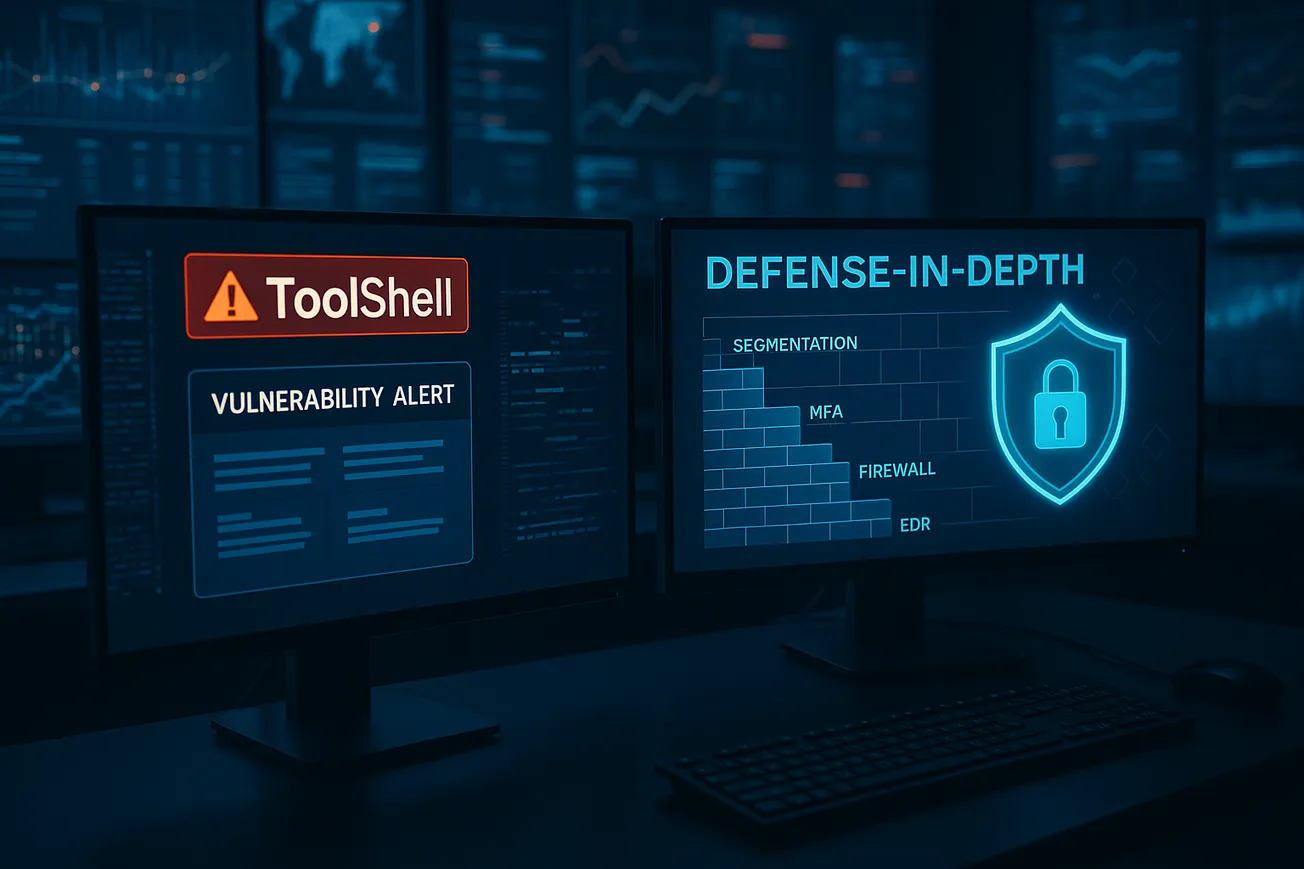
Bolster Defense-in-Depth Strategies as Collaboration Platforms Face Escalating Threats
It’s their necessity for such accessibility that makes secure configuration especially challenging—and when a zero-day vulnerability emerges, the damage can be swift.