
2025: The Year the World Learned Cybersecurity is Increasingly Unmanageable
We picked the top three news events of 2025. It wasn't easy: and neither will be 2026.
We picked the top three news events of 2025. It wasn't easy: and neither will be 2026.

Here are the predictions we believe will have significant impacts on security professionals in the year ahead: the bad and the good.

This isn't marginal spending on a future-state concern—it's an immediate, substantial commitment that many CISOs now see as a priority.



Traditional security tools were designed when code changes were measured in hundreds of lines per sprint and development cycles lasted weeks. Today, AI accelerates code production to thousands of lines daily with fundamentally different patterns than human-written code.

The agentic AI governance gap is a fundamental enterprise weakness. Sixty-three percent of organizations lack AI governance policies, according to IBM's research. This creates a complete lack of any meaningful organizational control over these deployments.

New research highlights the gap between how technology is designed to work and how it's actually safely operated.

Security challenges aren’t usually about tools—they’re about people, alignment, and the unseen friction that builds when roles, workflows, and reality drift apart.
AI-driven attacks are real, and they’re occurring. But to paraphrase cyberpunk writing pioneer William Gibson, “The future is already here – it's just not evenly distributed."
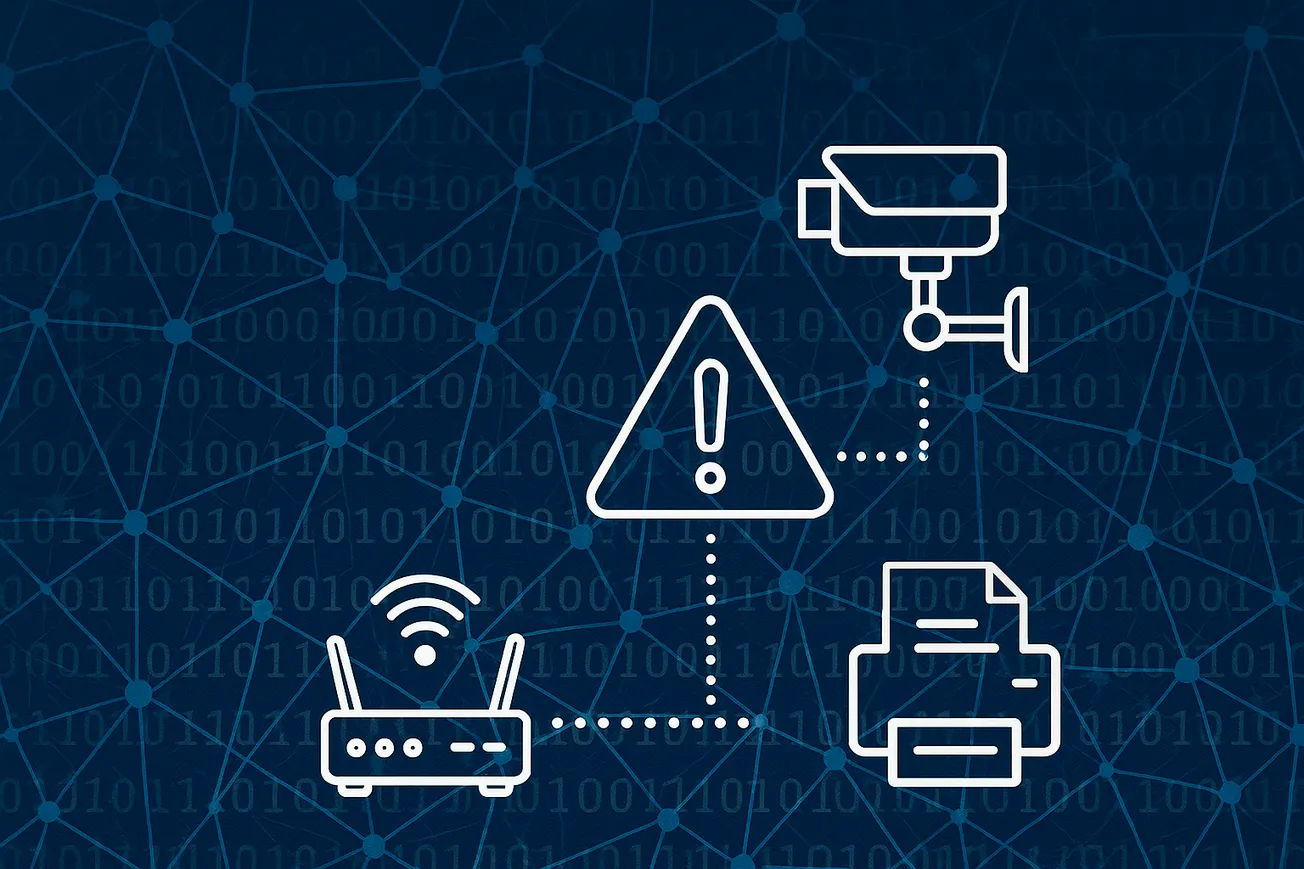
Connected devices are changing how we work—but they’re also opening invisible gateways for attackers. In this article, Phillip Wylie breaks down how IoT vulnerabilities are being exploited and what organizations can do to close these unseen entry points.

2026 will bring CISOs and security professionals potential AI breaches, tight infrastructure regulation, a new European Union vulnerability database, quantum security growth, and merger and acquisition shifts.