
Latest


AI and Nonprofits: The Monster Under the Bed Uses the Same Old Doors
AI is changing the threat landscape. For nonprofits and other under-resourced organizations, panic is a bigger risk than the technology.
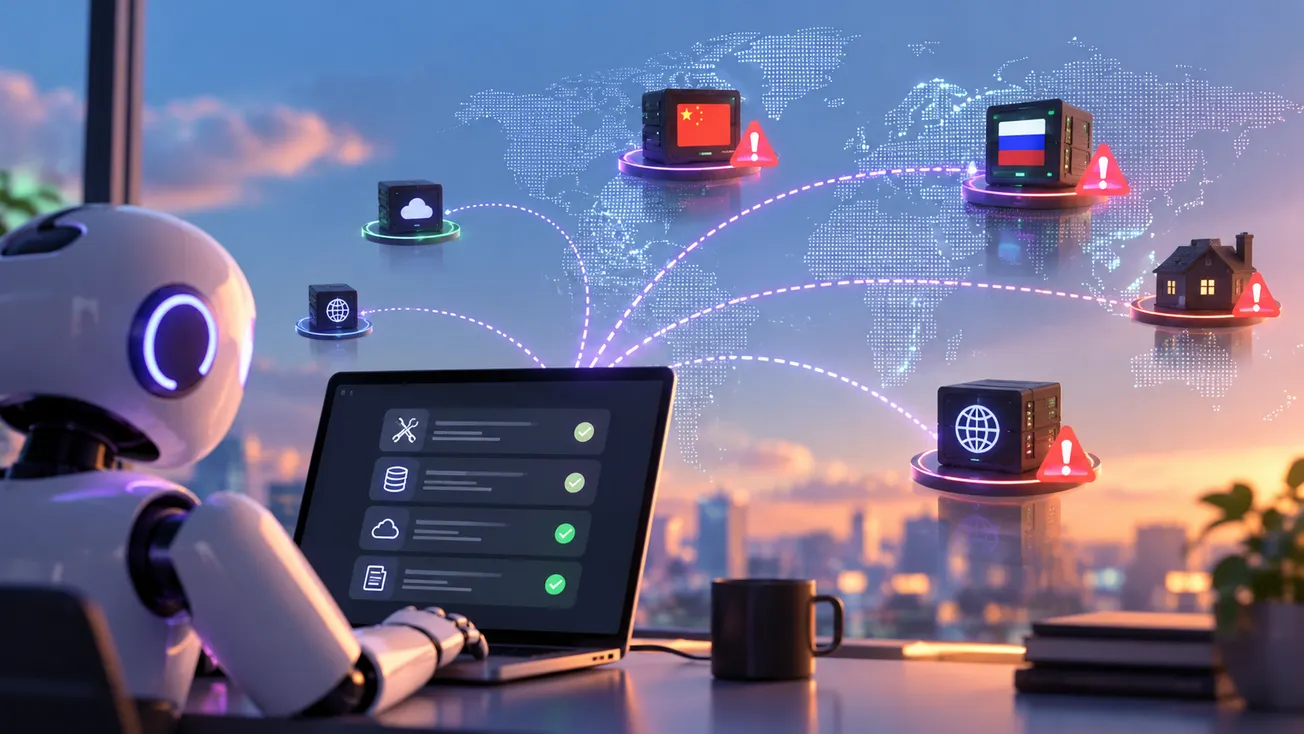
MCP Server Security: 15,465 Servers Expose AI Risk
Research into 15,465 MCP servers exposes risks from foreign infrastructure, abandoned domains, standing permissions and weak AI governance.

AI Agents Have Changed the Rules of the Game. Detection and Response Haven't Caught Up Yet
As autonomous agents write code and manage infrastructure with scant oversight, the security frameworks built for predictable systems can’t keep pace.

ISACA Greater Houston Fall Conference, Hosted by SheLeadsTech, is Not Just for Women
Women lead the conversation, but everyone is welcome. The SheLeadsTech-hosted ISACA Houston Fall conference tackles cybersecurity, AI, GRC and careers.
Airport Chaos, TikTok's Counterfeit Empire, Ransomware vs. Manufacturing and the Next Generation Arrives
Cut communications lines expose an old critical infrastructure vulnerability, TikTok's counterfeit networks reveal a massive detection blind spot, and ransomware keeps hammering manufacturers. Plus, cybersecurity's next generation steps up and we wrap our CYBR.SEC.CON 2026 coverage.

Cybersecurity’s Human Problem: Why Morale, Trust and Executive Function Matter
In the latest CYBR.Minded episode, coach and mentor Shoshana Gourdin explains why cybersecurity leaders must address morale, executive function and workplace conditions to reduce human risk.


Airport Chaos Exposes Confocal Infrastructural Vulnerabilities
A severed FAA communications line grounded flights across the Northeast, exposing the dangers of confocal infrastructural vulnerabilities. Why physical redundancy matters and how a single point of failure can cripple critical infrastructure.


These Booths Are Made For Walking
More OT, less governance: reflections on the CYBR.SEC.CON. 2026 show floor