

Latest

CYBR.SEC.CON 2026 Recap: AI, Hacking and the Power of Cybersecurity Community
CYBR.HAK.CAST hosts Michael Farnum and Phillip Wylie recap CYBR.SEC.CON 2026, exploring AI hacking, practitioner training, BSides Houston and more.



TikTok's Luxury Counterfeit Networks Expose a Massive Detection Blind Spot
Vetric's 2026 report exposes 150 TikTok counterfeit networks targeting nine luxury brands, revealing how organized sellers evade detection.

Manufacturing Cybersecurity Spending Is Up. So Is Ransomware
Manufacturers are investing in cybersecurity, yet ransomware attacks keep rising. New research exposes persistent vulnerabilities and stolen credentials.

Observations from CYBR.SEC.CON. 2026
Winn Schwartau shares his observations from the Innovation Station at CYBR.SEC.CON 2026, where emerging technologies, fresh ideas and the people driving cybersecurity innovation took center stage.
Inside the Shadow Economy: How Intelligence, Attackers, and AI are reshaping Cyber Risk
Amir Lakhani, Global Director of Threat Intelligence and AI Research with FortiGuard Labs, offers examples of how cybersecurity teams in industries such as financial services, critical infrastructure, and operational technology are using AI to keep up.
GOING ROGUE: When AI Agents Become the Threat
What happens when an AI agent stops behaving like a tool and starts acting like an adversary?

Security Debt: How Legacy Systems Increase Cyber Risk
Legacy systems create security debt through outdated controls, poor visibility and insecure dependencies. Learn how to reduce risk without replacing everything.
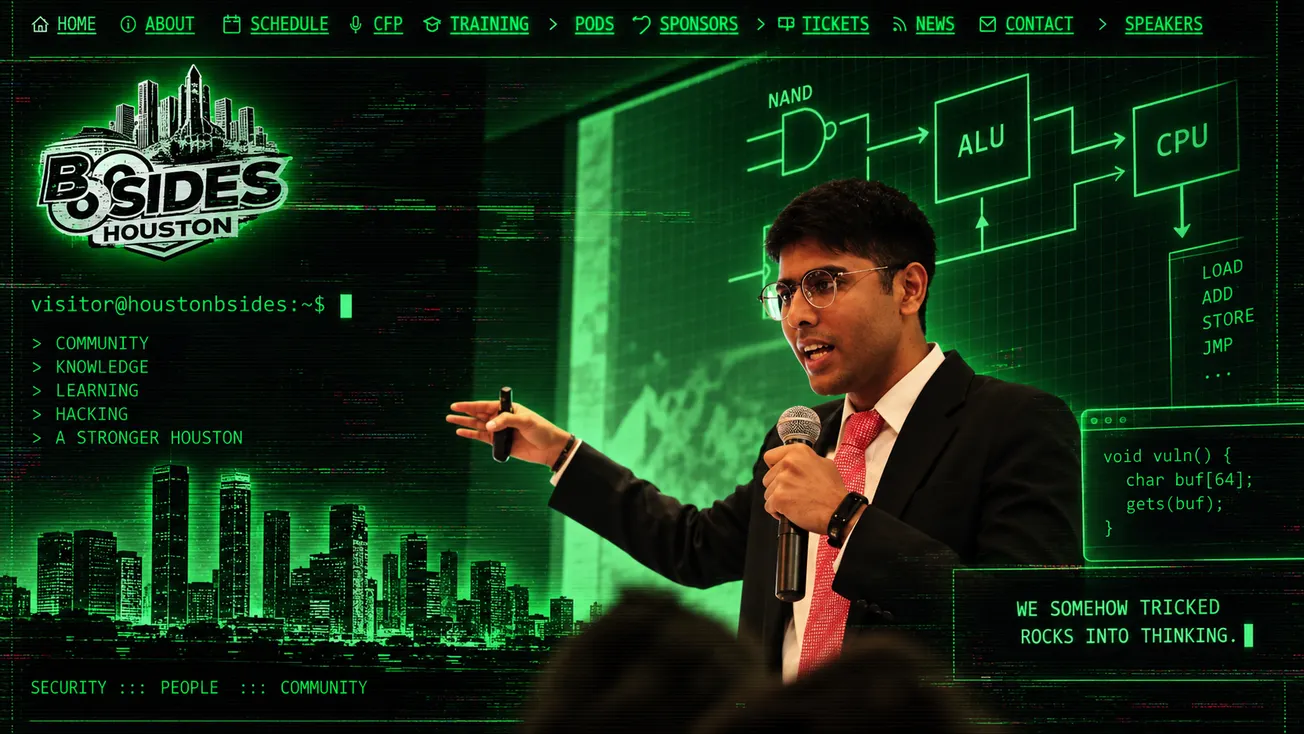
BSides Houston Takeaway: The Next Generation Has Got This
BSides Houston offered a powerful reminder that the next generation has the brains, passion and enthusiasm to tackle cybersecurity's biggest challenges.