
This Thanksgiving – and every day for that matter – I'm grateful for the family and friends who ensure I'm never alone in this journey, through the triumphs, the setbacks and everything in between.
But this year, I want to devote some space to the things I'm particularly grateful for in the cybersecurity community.
It's easy to get consumed by the relentless news cycle, the threats, the industry upheaval and the uncertainty about what comes next. But there are a lot of good people doing genuinely good things in this industry, and they deserve some recognition.
Below are five examples.
1. Friends who come along for the ride
One of the great joys of this chapter of my career has been the opportunity to bring longtime friends along for the ride and make some new ones in the process.
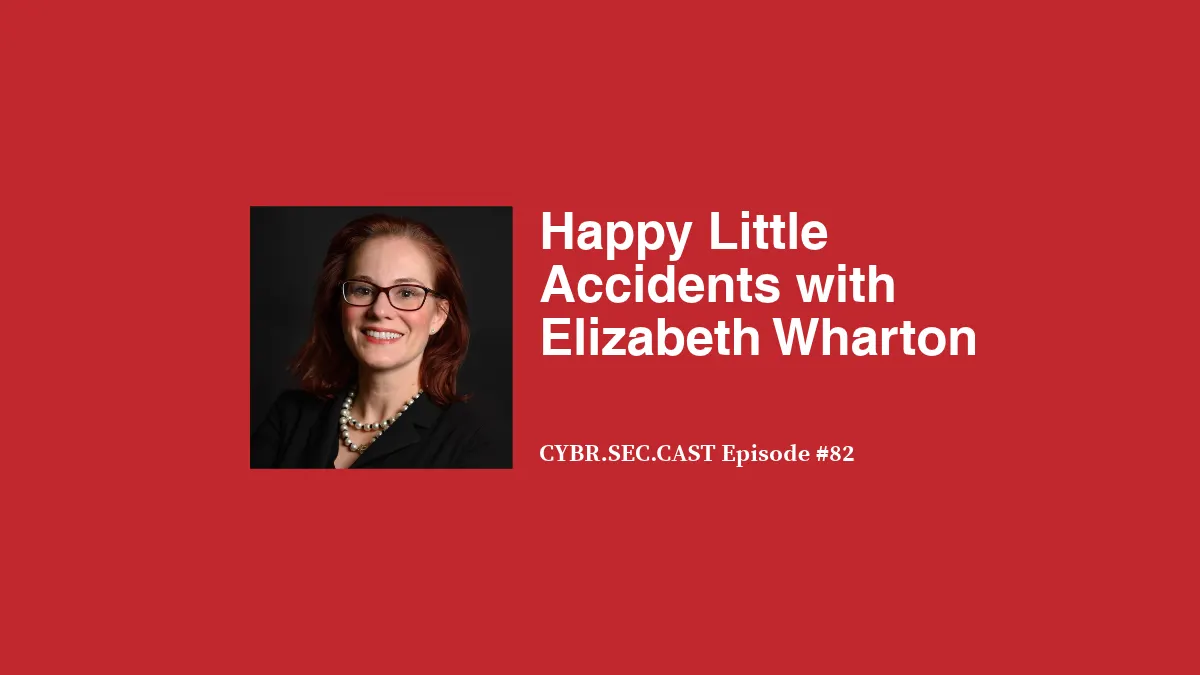
CYBR.SEC.CON. 2026 was a shining example of that. I'm grateful to friends like Jen Jabbusch, Elizabeth Wharton, Deidre Diamond, Dustin Sachs, Kelley Misata and so many others who gave us their time, energy, expertise and enthusiasm to make the event a huge success.
I've always believed that the best cybersecurity conferences are as much about the relationships as they are about the technology. The conversations between sessions, the reunions with old friends and the introductions that lead to new friendships are every bit as valuable as what happens onstage. This year reinforced that belief.
2. Friends who help us do cool stuff
I'm grateful to the guests who helped us take our podcast game to new heights this year, including Wendy Nather, Chris Wysopal, Jayson Street, Phil Wylie and many others helped us create the kinds of conversations I love most: candid, educational, occasionally irreverent and grounded in real-world experience.
3. The people who helped make mental health a cybersecurity conversation
Of all the things I'm grateful for this year, the increased attention being given to mental health in the cybersecurity industry tops the list.
I'm particularly grateful to Dr. Dustin Sachs for what he's accomplished with CYBR.Minded. We recently wrapped up our first season, having explored everything from burnout and neurodiversity to workplace culture, trust and psychological safety.
One of the most gratifying things Dustin shared during our season one retrospective was how younger practitioners approached him at CYBR.SEC.CON. to express their appreciation for those conversations.
That tells me we're doing something that matters.
I'm also grateful to those who have been fighting this fight for years:
- Amanda Berlin, whose work with Mental Health Hackers has helped change cybersecurity conference culture and given countless practitioners a place to find understanding and support. Her story is worth revisiting.
- Winn Schwartau, whose work on cognitive security and the mental DDoS we inflict upon ourselves is especially relevant in this age of AI acceleration.
- Deidre Diamond, who continues to challenge the industry to confront the workforce conditions that contribute to burnout rather than treating it as an individual failing.
- Kayla Williams, who articulated something every CISO needs to understand: Cybersecurity burnout is a risk signal, and pizza parties won't fix it.
These are among the people who have helped move mental health from the margins of the cybersecurity discussion toward the center, where it belongs.
4. The people who are willing to share their own struggles
It's one thing to advocate for better mental health. It's another to put yourself out there and tell people what you're personally going through.
I'm grateful to Sam Van Ryder for doing exactly that this fall on CYBR.Signal. In a particularly candid episode about burnout, Sam described how the warning signs had crept into his daily life: mounting responsibilities, diminishing energy, forgotten commitments and a growing inability to disconnect.
I've spent years writing about mental health, and one thing I've learned is that every time someone shares an experience like this, there's someone else out there recognizing their own experience in those words.
That matters in a profession populated by people who are accustomed to solving everyone else's problems and are often reluctant to ask for help with their own.
To everyone who has stood on a conference stage, appeared on a podcast or written a blog post about their struggles this year: Thank you. You'll probably never know the full extent of the good you've done.
5. The people turning the conversation into action — a special shout-out to Joe Marshall
If I could pick one presentation from CYBR.SEC.CON. 2026 that I wish every cybersecurity professional and executive would watch, it would be Joe Marshall's keynote.
In You Can't Patch Cybersecurity Burnout, Joe described the personal toll of his work combating VPNFilter and introduced his Human Incident Response Framework.
His premise is something the cybersecurity industry should have embraced years ago: We have elaborate incident response playbooks for our technology. Why don't we have them for our people?
Joe goes beyond the conventional burnout discussion, distinguishing between burnout, secondary traumatic stress, vicarious trauma and moral injury. More importantly, he's given the industry a freely available framework for recognizing and responding to these problems.
A final Thanksgiving thought
There are plenty of things about the cybersecurity industry that frustrate me. The FUD. The hype. The unrealistic expectations placed on defenders. The glorification of working around the clock.
But there are far more things about this community that keep me coming back.
Chief among them are the people who look out for each other, who make time for a friend, who share their experiences so others don't have to suffer in silence, and who devote their considerable talents to making this profession a healthier place to work.
As AI accelerates the pace of everything we do, protecting the mental health of the people doing the work is going to become even more important.
I'm grateful that so many of my friends are helping lead the charge.
And if I haven't mentioned you by name, please know that this is by no means an exhaustive list. There are many more people whose friendship, kindness and contributions have made this year a better one.
Happy Thanksgiving, friends. I'm grateful to be on this ride with you.