
Art vs. Architecture in Cybersecurity and AI
As AI reshapes cybersecurity, success depends on balancing creative thinking with strong architecture, governance, and design.
As AI reshapes cybersecurity, success depends on balancing creative thinking with strong architecture, governance, and design.

Here are the predictions we believe will have significant impacts on security professionals in the year ahead: the bad and the good.
Doing less can deliver more. Scope reduction reduces risk, simplifies compliance, and makes regulated opportunities attainable for any organization willing to focus on what really matters.

Security Posture Management (SPM) is transforming how organizations secure data, infrastructure, and applications. Learn how cloud and APIs have evolved from security risks into modern SPM enablers.

The SaaS Security Capability Framework, released by the CSA's SaaS Working Group provides an industry-standard set of baselines, customer-facing security controls for SaaS platforms.
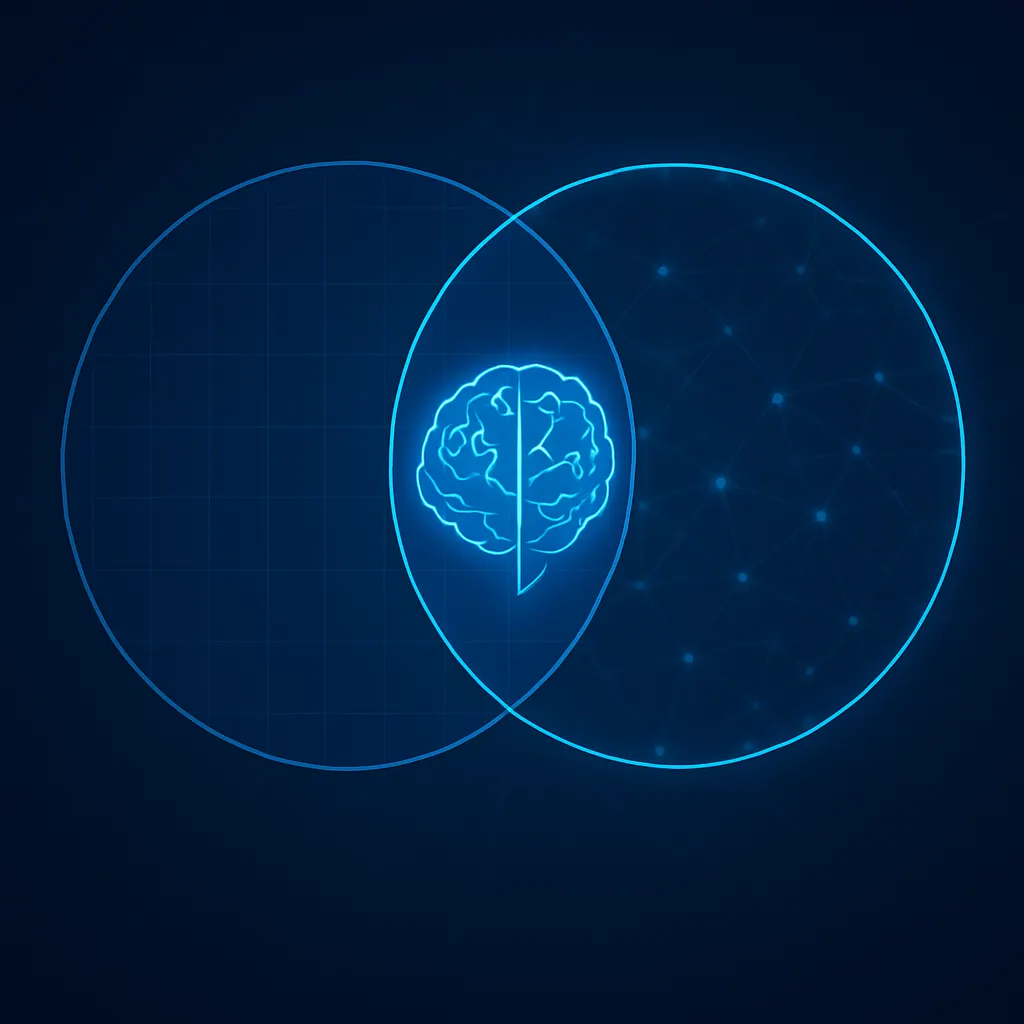
The National Institute of Standards and Technology's new Control Overlays for Securing AI Systems and the Coalition for Secure AI provide much-needed standardization for AI security across government and industry.
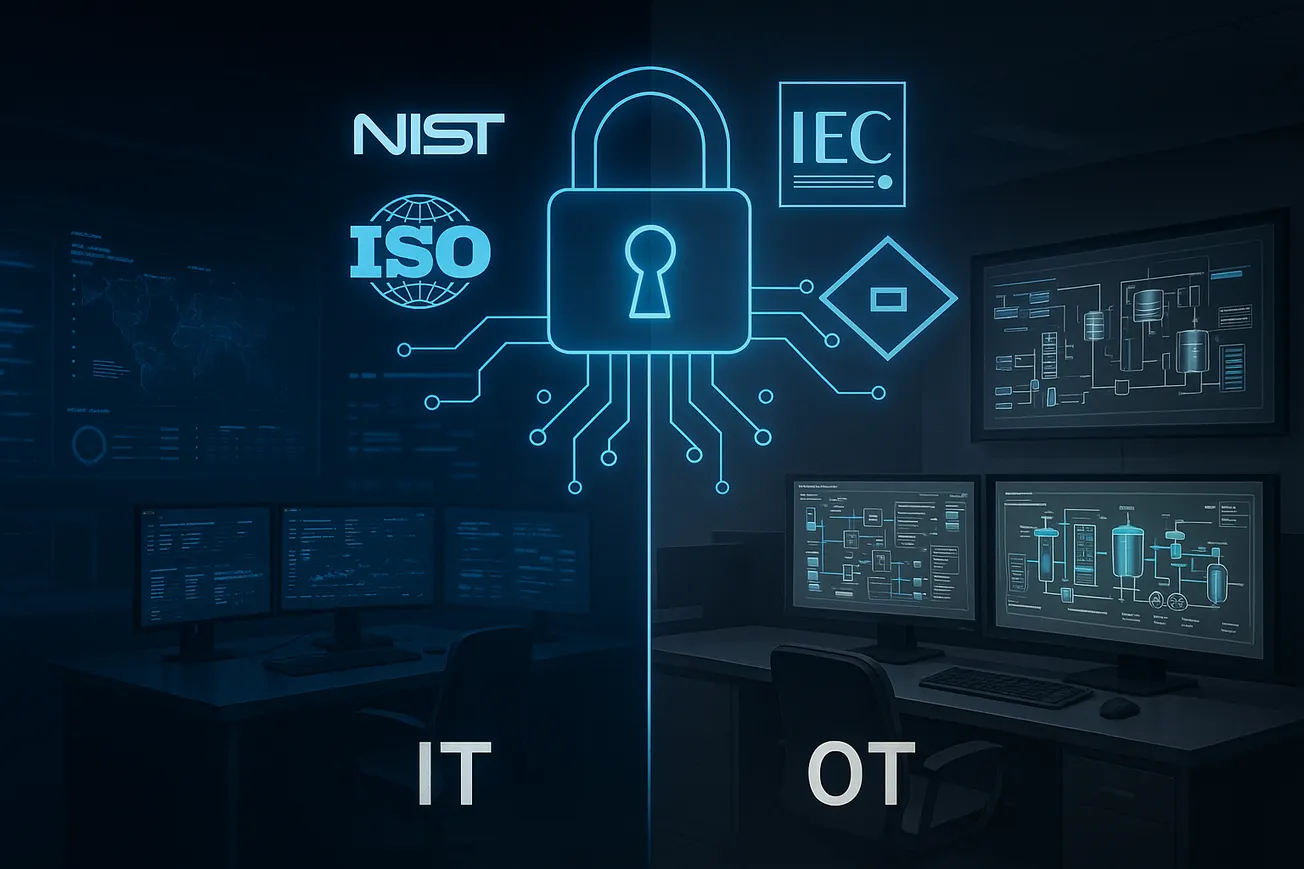
Cybersecurity programs are most effective when they serve more than a compliance function. In public utilities and other critical infrastructure environments, the program must support operational reliability, safety, and public trust.