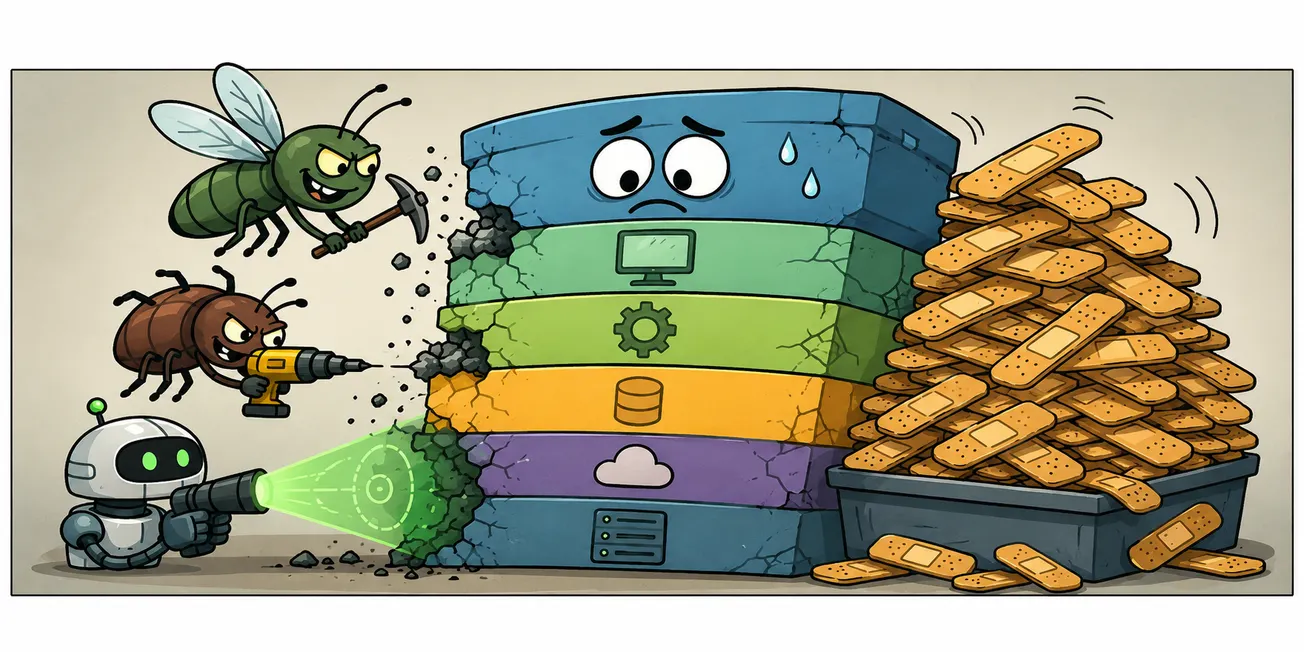
Infographic: 7 Moves to Survive the AI Vulnerability Storm
As AI-driven threats collapse the time to exploit, this infographic distills a rapid-response playbook from leading cybersecurity experts on how defenders must adapt fast.
Agentic AI will increasingly cut out humans in many management and operational decisions. These systems are designed to plan, decide, and act — continuously — without a human in every loop. Here's what that means for OT security.
In CYBR.SEC.CAST Episode 66, Wendy Nather explains why cybersecurity’s biggest lessons aren’t coming from breaches, but from the near-misses no one talks about.
Five cybersecurity thinkers worth following as they explore how AI is transforming security operations, decision-making, and the future of work for defenders.
They dig into emerging use cases like AI “companions,” virtual girlfriends/boyfriends, grief bots, and even “virtual immortality” where a chatbot continues posting and interacting on social media after someone’s death.
John Dickson, CEO of ByteWhisper Security, says today’s AI boom is both inevitable and dangerously familiar. Drawing on decades in application security, he argues that enterprises are repeating early AppSec mistakes, and offers a better path forward.
Part of our mission is to be a safe house where cyber travelers can find truth and reason.
The world moved swiftly to adopt enterprise AI. Here come the regulations. In this story, we cover what security and risk teams need to know to weather the new regulatory waters.
Traditional security tools were designed when code changes were measured in hundreds of lines per sprint and development cycles lasted weeks. Today, AI accelerates code production to thousands of lines daily with fundamentally different patterns than human-written code.
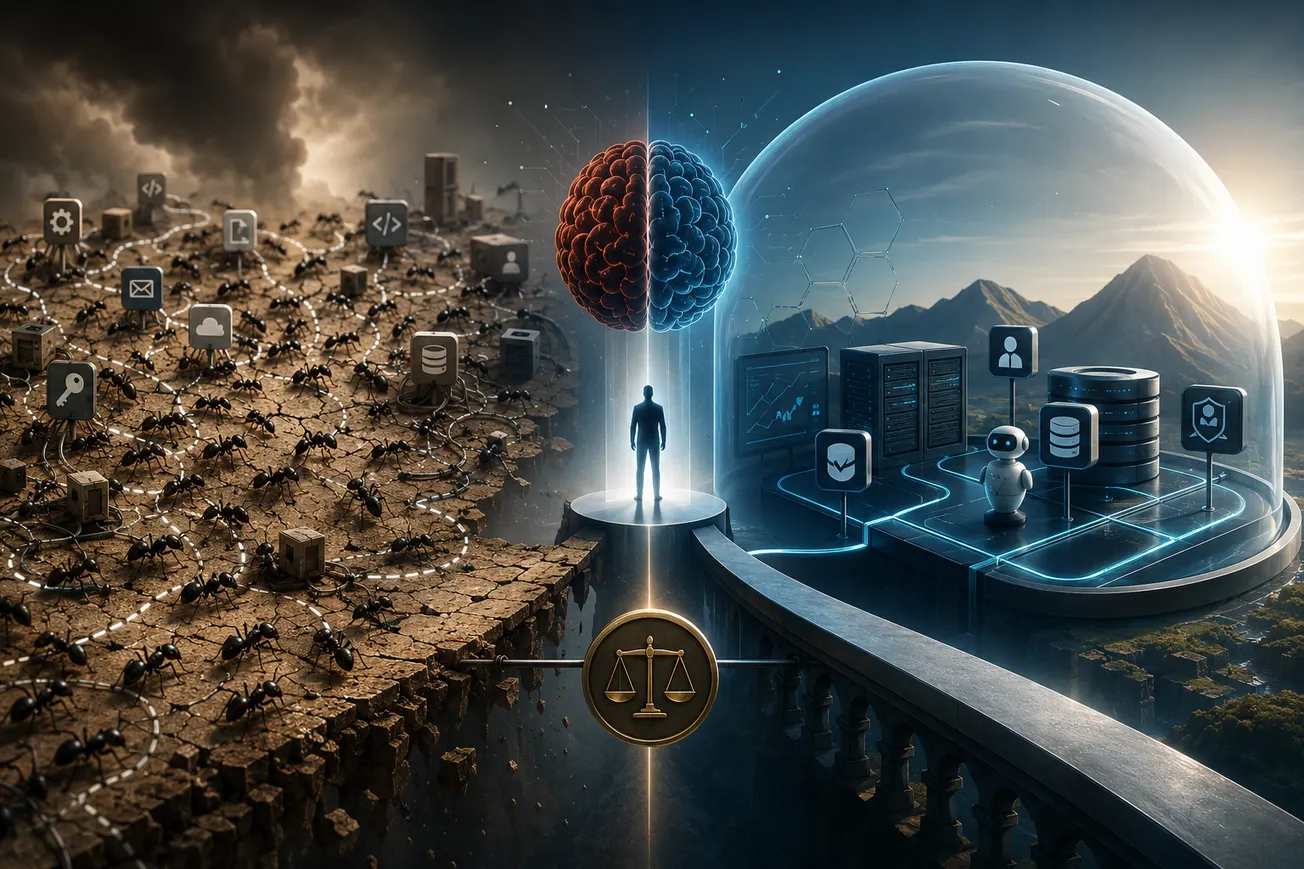
The agentic AI governance gap is a fundamental enterprise weakness. Sixty-three percent of organizations lack AI governance policies, according to IBM's research. This creates a complete lack of any meaningful organizational control over these deployments.
New research highlights the gap between how technology is designed to work and how it's actually safely operated.
Anthropic's disclosure lacked important elements, which explains the professional criticism that erupted despite the potmortem's potential significance. And while the post is marketing for Anthropic, it also provides strategic threat context for security executives.