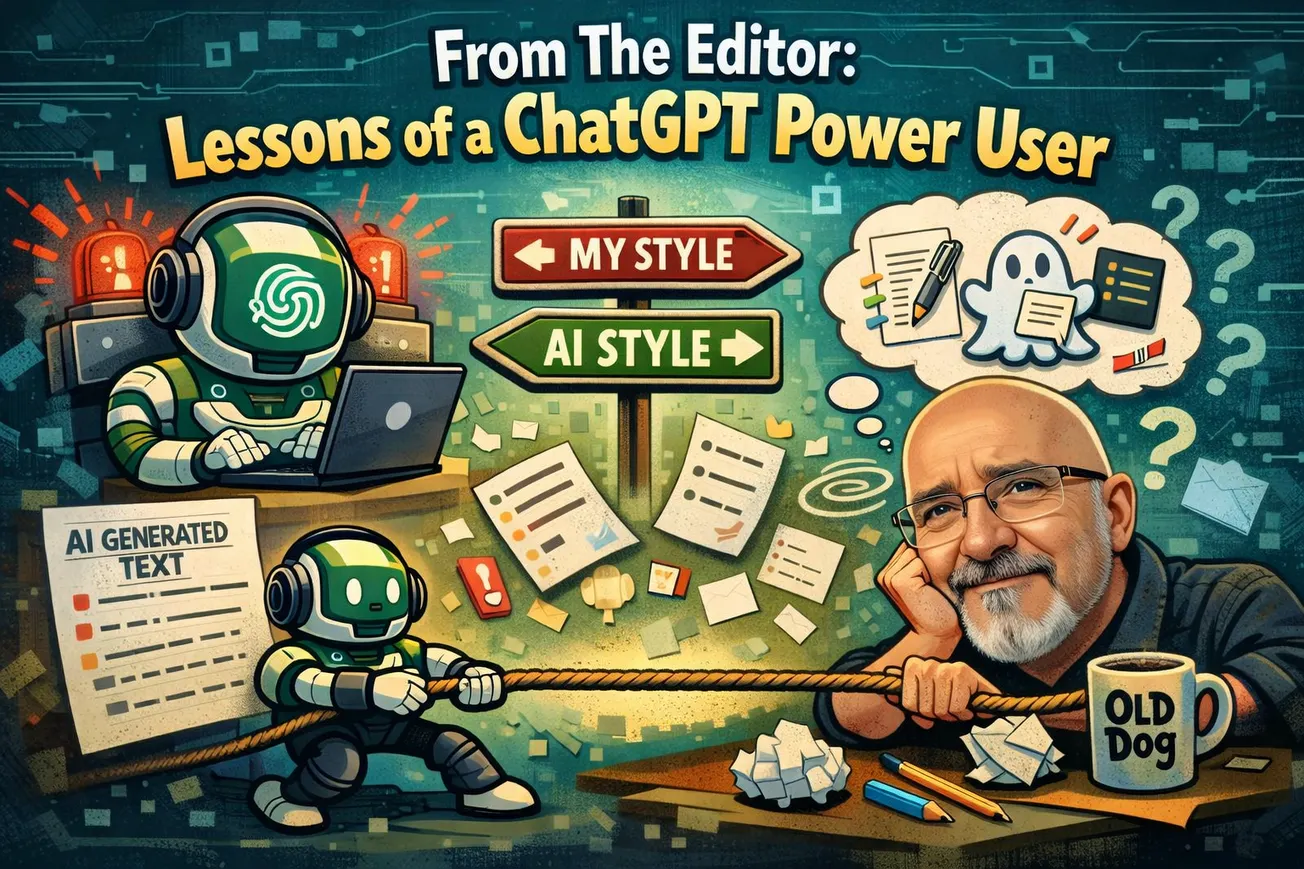
Note: ChatGPT did not write this. But it did help me create the image above.
Publicly documenting my experiences since incorporating ChatGPT and other AI tools into the writing process keeps me honest about what's working and what's not. The last thing I want, after all, is to contribute to the sloppocalypse.
Lately, the journey has gotten weird. Sometimes it seems like ChatGPT is stealing my style to the extent where my trademarks (lots of bullets and dashes, for example) look like AI-overuse warning sirens now. But then there are moments where I wonder if I'm using it so much that I'm letting it influence me and not the other way around.
 Bill Brenner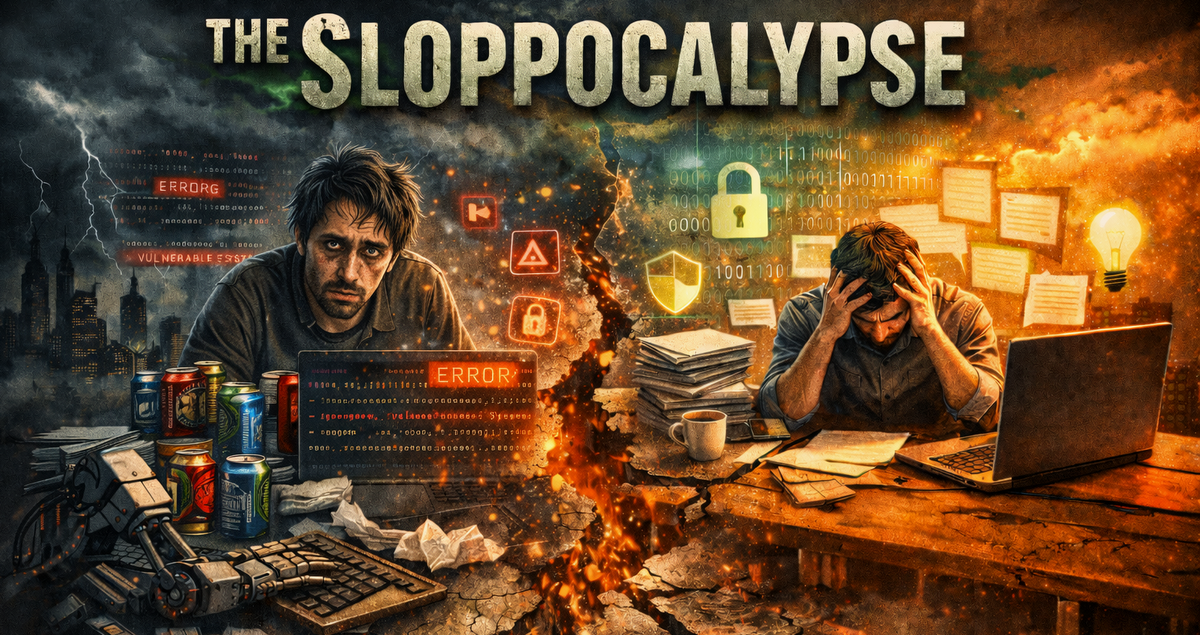
This is especially unnerving when working on side projects that involve ghost writing, when what works well in my larger editorial process doesn't work so well when trying to capture someone else's voice.
That's something I need to work on, but there's a big upside to all this: It's forcing me outside the comfort zone. This old dog, with three decades of editorial experience – 22 of those in cybersecurity – is having to learn new tricks. It's a reminder that no matter how senior we are in our craft, we must never let ego and pig-headedness keep us from constantly learning and improving.
Humbling, for sure. But also energizing.
 George V. Hulme
It's painful to use fewer dashes, bullets and sentences that start with things like "this isn't about ..., it's about ..." I always thought these things gave my writing more strength and power. And it's easy to think that it's just AI adapting to my style. But when you start to see these elements in a lot of other AI-generated content across the Internet, you start thinking that maybe you are the one being influenced.
I've seen this conundrum play out beyond the writing realm, as the cybersecurity community grapples with how much to lean on AI to build security systems. What one cybersecurity coder, content marketer, threat hunter or app-builder sees as a breakthrough can in reality be a backslide. To varying degrees, most of us are addicted to the path of least resistance, especially amid rising pressure to scale up and produce more. I certainly am.
That's where the lesson is.
Whatever we're using AI for, we must be cognizant – a little paranoid, even – about moments where we are trading human skill for the softer, easier path to scaling up.
In doing so, we may find that despite our imperfect brains, we are capable of upping our game and doing something better – whether it's designing more secure software or just writing a sentence.