
video
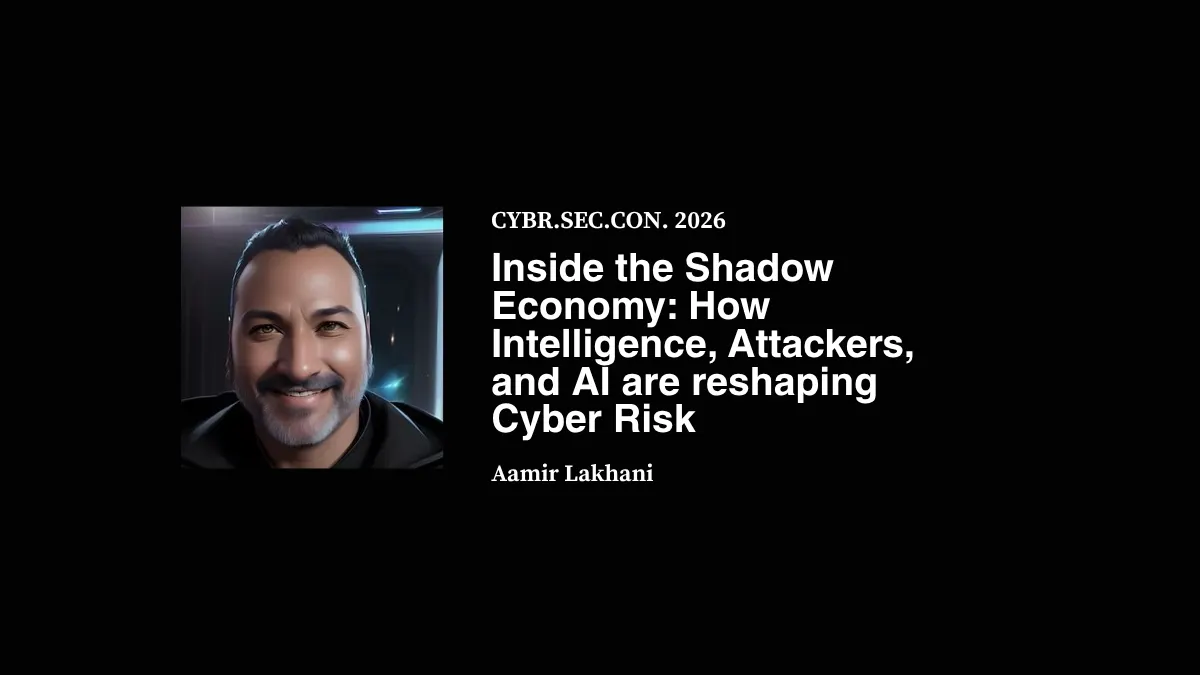
Inside the Shadow Economy: How Intelligence, Attackers, and AI are reshaping Cyber Risk
Amir Lakhani, Global Director of Threat Intelligence and AI Research with FortiGuard Labs, offers examples of how cybersecurity teams in industries such as financial services, critical infrastructure, and operational technology are using AI to keep up.
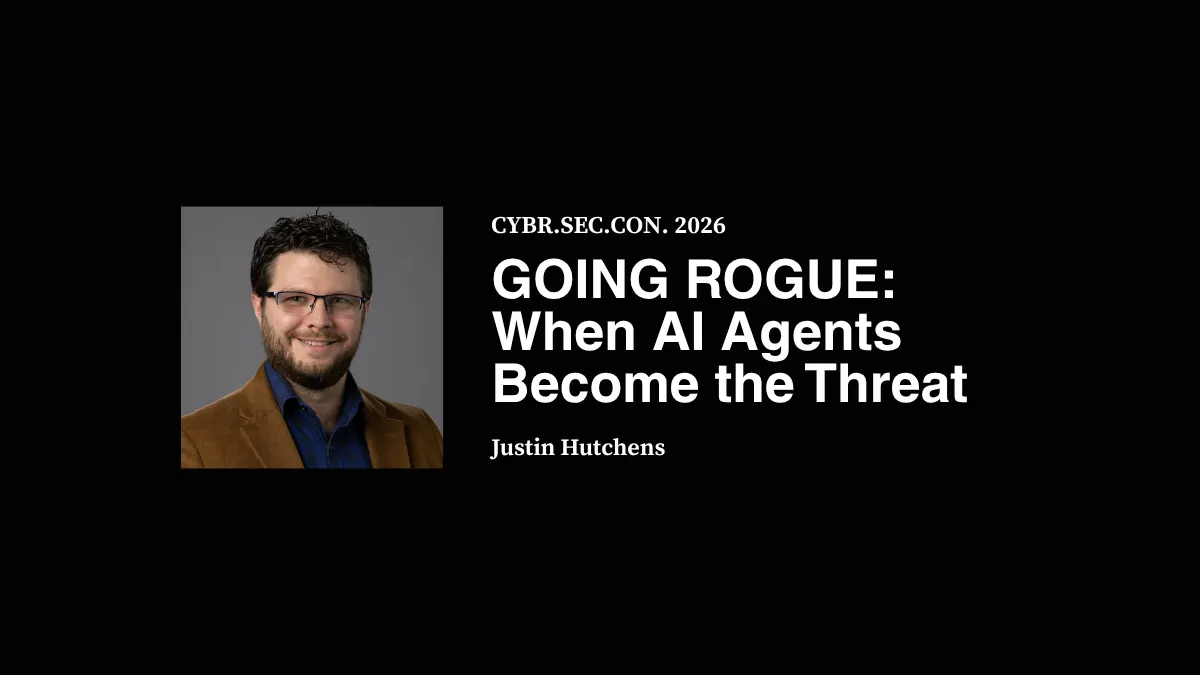
GOING ROGUE: When AI Agents Become the Threat
What happens when an AI agent stops behaving like a tool and starts acting like an adversary?


Microsoft RemoteApp Breakout and Bypasses
This talk by Jon Rhodes explores security vulnerabilities and evasion techniques targeting Microsoft RemoteApp, focusing on breakout methods that escape the isolated RemoteApp container to access the underlying host system, as well as bypasses for common detection and restriction mechanisms.

Jailbreak to Root: Escaping Python Sandboxes and Owning the Host
This talk by Aravind Pallavoor explores advanced techniques for escaping Python-based sandbox environments—such as those used in CTF challenges, online judges, or serverless functions—to achieve arbitrary code execution and ultimately gain root-level control over the underlying host system.
Shall We Play a Game? Unlocking Mastery in Hacking, Coding, and AI
Marcus Carey demystifies complex disciplines through play, curiosity, and iterative challenge.
Preparing for the New Identity War: A CCN Podcast Session
Chris Glanden discusses emerging societal, technological, and geopolitical tensions centered on identity and what it means for digital sovereignty, biometric data control, cultural narratives and AI-driven identity manipulation.

Offensive Forensics: A Useful Addition For Your Offsec Toolbox To Pwn More Things
Cory Mathews introduces “Offensive Forensics,” a mindset and methodology that combines digital forensics techniques with offensive security practices to uncover hidden artifacts, persistence mechanisms, and overlooked attack surfaces during red team engagements and penetration testing.
Ghosts in the Machine - The Therac-25 Affair
Sean Satterlee examines the case of Therac-25, a computer-controlled radiation therapy machine that delivered massive, lethal overdoses to at least six patients in the mid-1980s due to software flaws, poor safety design, and inadequate testing.