
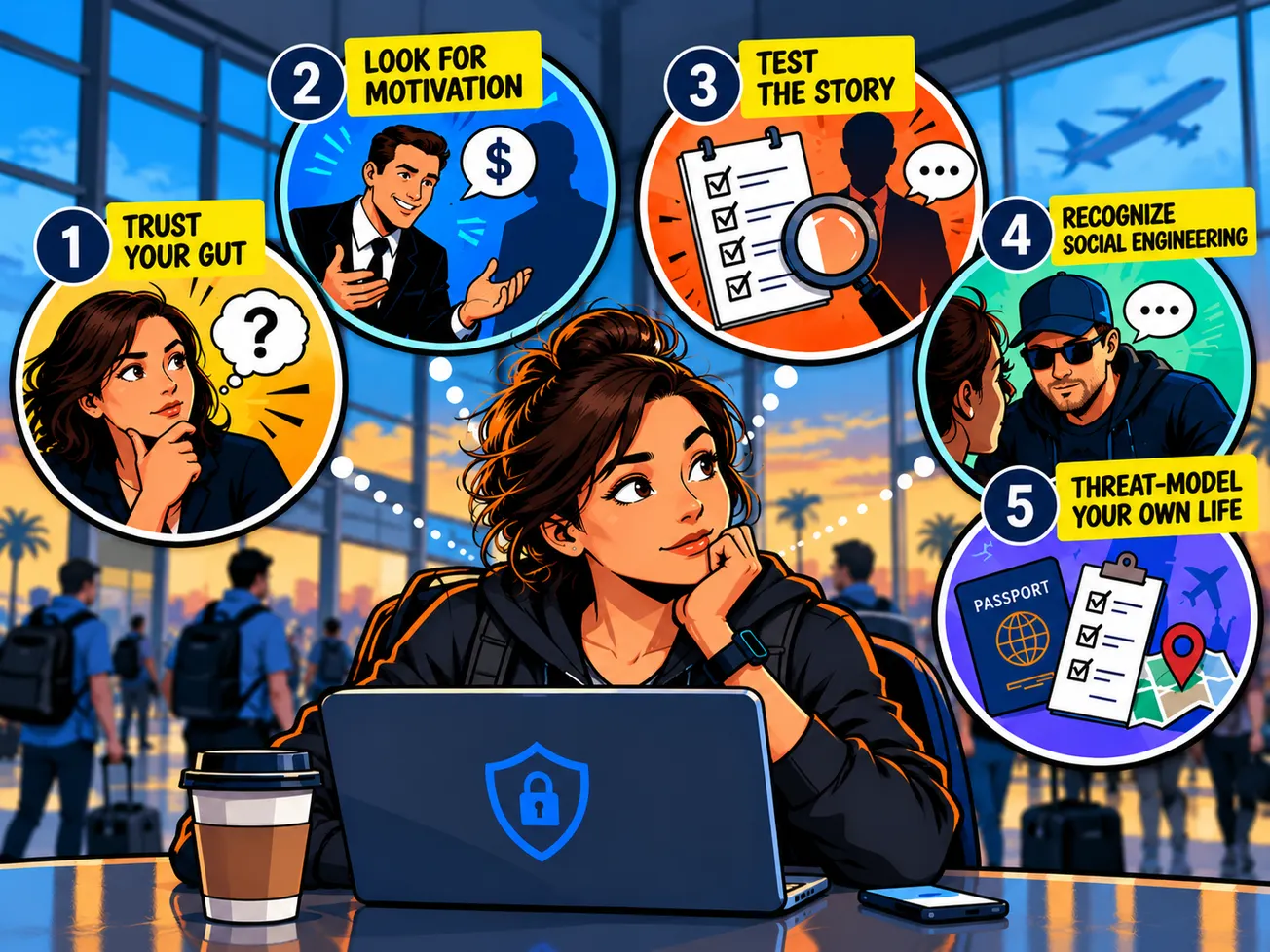
5 Intelligence-Gathering Skills You Can Use in Everyday Life
Former CIA, FBI, NSA and counterterrorism professionals at CruiseCon explain how intelligence tradecraft can make cyber defenders safer and more effective on and off the job.
Former CIA, FBI, NSA and counterterrorism professionals at CruiseCon explain how intelligence tradecraft can make cyber defenders safer and more effective on and off the job.

AI-powered ransomware attacks don't need sophisticated new techniques to create more risk. ThreatLocker CTO Michael Jenkins says automation lets cybercriminals target more businesses with less work, putting smaller organizations increasingly in the crosshairs.
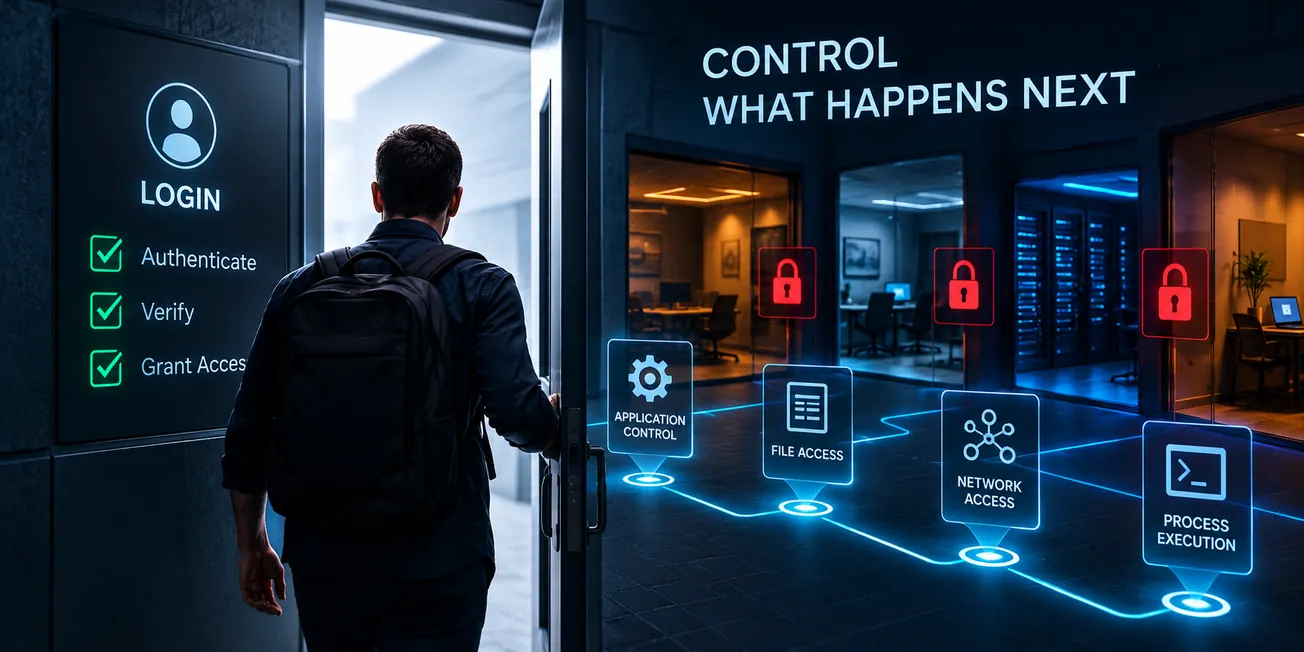
Zero Trust security requires more than authentication and network access controls. ThreatLocker CTO Michael Jenkins explains why organizations must restrict what users, applications and processes can do after access is granted.
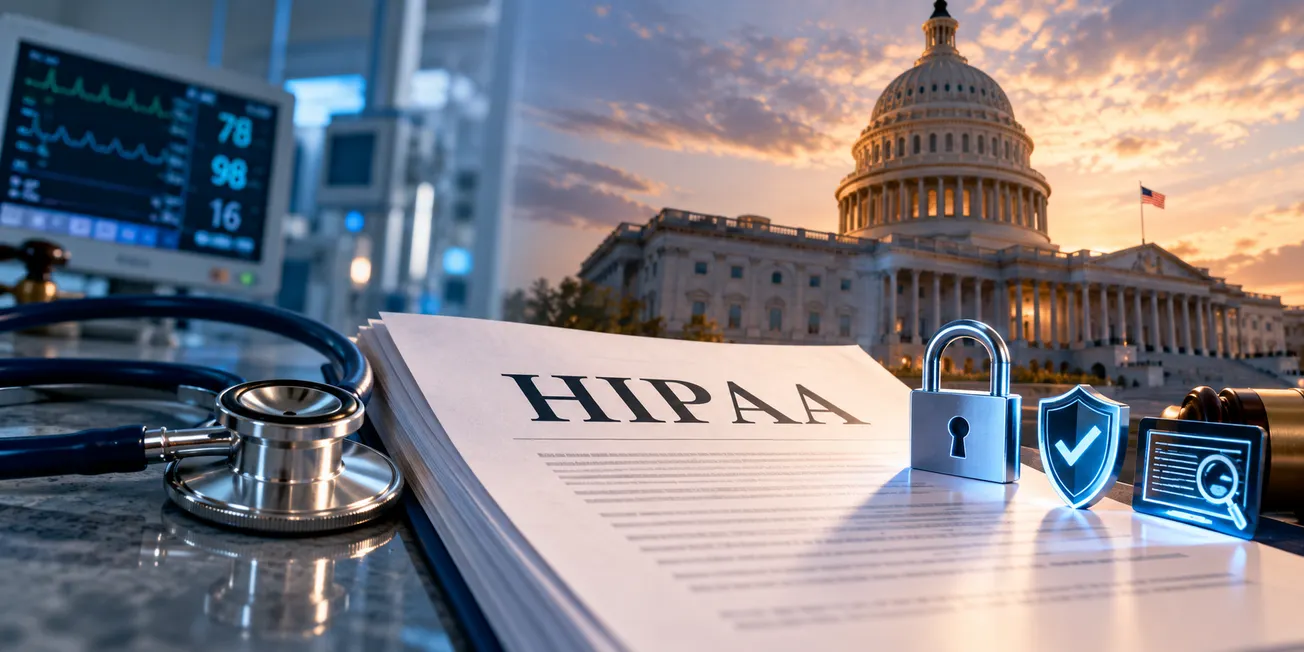
The Health Care Cybersecurity and Resiliency Act would mandate MFA, encryption, and penetration testing — with a 36-month clock and no guaranteed funding for rural providers.
Full CruiseCon 2026 coverage from aboard Mariner of the Seas, including AI security, privacy, insider threats, cyber risk and leadership.
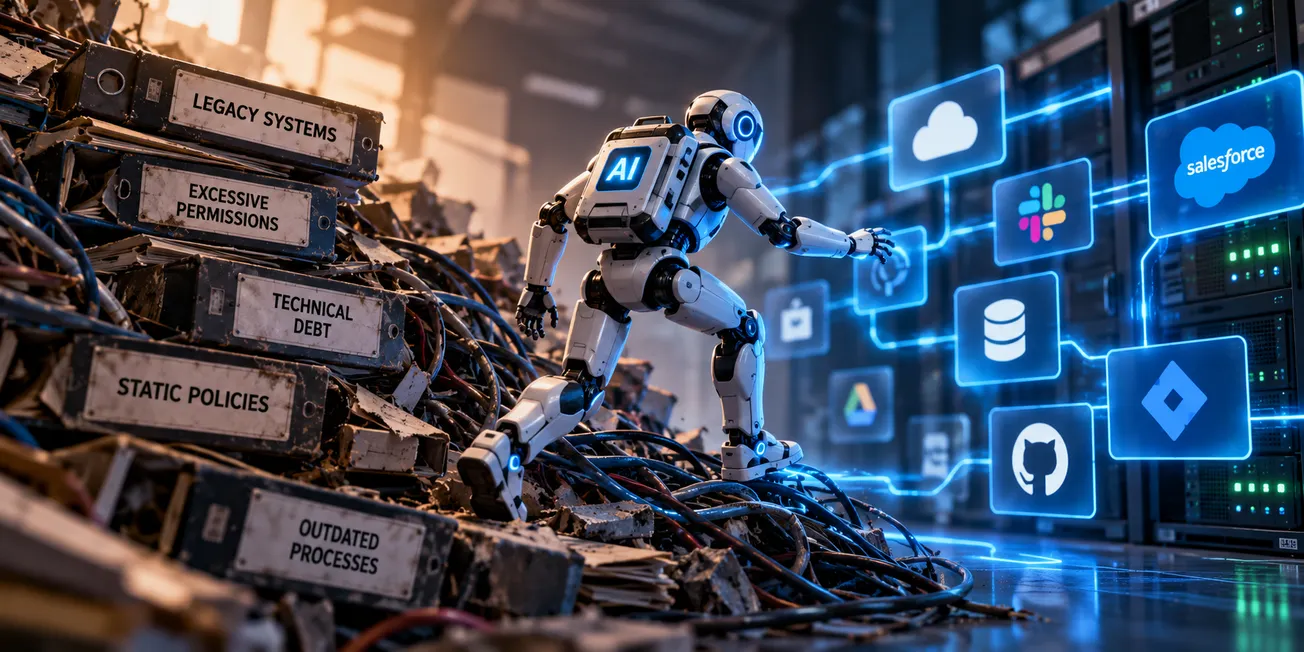
Agentic AI is exposing the limits of static security policies, excessive permissions and decades of technical debt. Enterprises need dynamic, runtime security controls that evaluate what AI agents are doing in real time. (Sponsored by Eve Security)
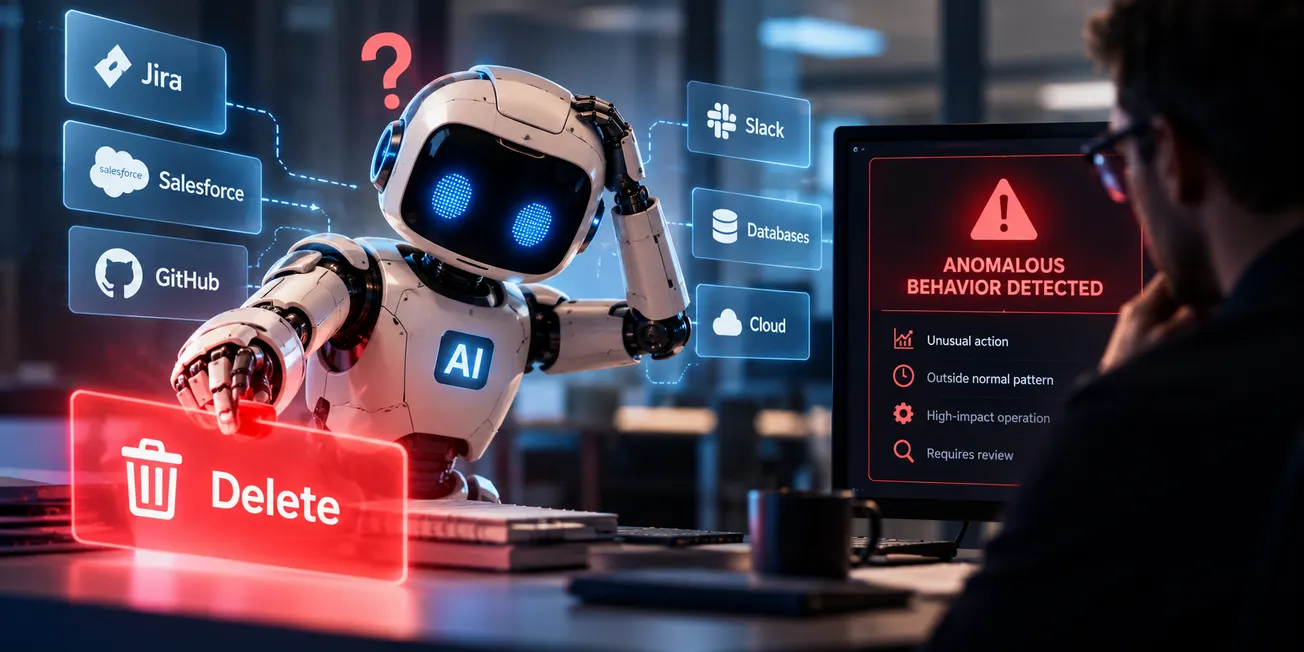
As enterprises deploy autonomous AI agents across critical systems, security teams must assume those agents will make mistakes. Agentic AI security requires continuous monitoring of behavior, intent and context — not blind trust in permissions. (Sponsored by Eve Security)
Suspected AI-assisted cyberattacks breached seven South Korean financial firms and exposed data on more than 67,000 people. The attacks reinforce warnings heard at CruiseCon AI and Privacy 2026 and point to five security actions organizations should take now.

Speaking during CruiseCon Privacy & AI 2026, global privacy leader Adriana Antunes Winkler warned that organizations need a common privacy governance core with deliberate local controls as data crosses borders, AI agents take action and computing begins moving into orbit.

Speaking during CruiseCon AI and Privacy, former CIA case officer Erin Whitmore warned that attackers may not need to hack enterprise AI. Manipulating the data and sources AI trusts could turn models into unwitting insider threats that steer organizations toward attacker-controlled decisions.

At CruiseCon, former U.S. counterterrorism agent Dexter Ingram explained how terrorism and cybercrime increasingly follow the same playbook: exploit human weaknesses, adapt after disruption, hide behind new identities and move faster than defenders.

AI adoption is accelerating faster than enterprise security controls can keep pace, with 94% of organizations increasing AI risk management spending as agentic AI, shadow AI, policy violations and security blind spots expand the attack surface.

AI agents can co-opt human credentials and operate at machine speed, but most enterprises lack the identity frameworks to detect, contain, or audit what they're actually doing.

WaterISAC's partnership with Cyware is designed to change that: but automated intelligence alone won't protect utilities that lack the staff to act on it.

In Energized Cybersecurity Culture, CISO Bryan Perkola shows how marketing principles can turn stale security awareness training into a cybersecurity culture employees actually engage with.

CYBR.SEC.Careers is building a cybersecurity workforce development pipeline for students and veterans through career exposure, scholarships, certifications, mentorship and connections to the security community.