Cybersecurity storytelling is evolving, and Chris Glanden wants to push it far beyond traditional interviews and technical discussions.
In a recent CYBR.HAK.CAST episode, Glanden discussed two new projects aimed at changing how cybersecurity stories are told: an anonymous interview platform called GhostLine and a narrative podcast series exploring the consequences of AI failures.
Full Episode:
 Bill Brenner
Both projects stem from the same challenge: how to safely tell stories that might otherwise remain hidden.
GhostLine began as a solution to a problem Glanden encountered while hosting his podcast.
Some potential guests were willing to speak about sensitive topics—but only if their identities remained completely anonymous.
Existing tools didn’t offer a simple solution.
“You can blur faces and change voices in post-production,” Glanden explained, “but the host still knows who the person is, and the recording process becomes complicated.”
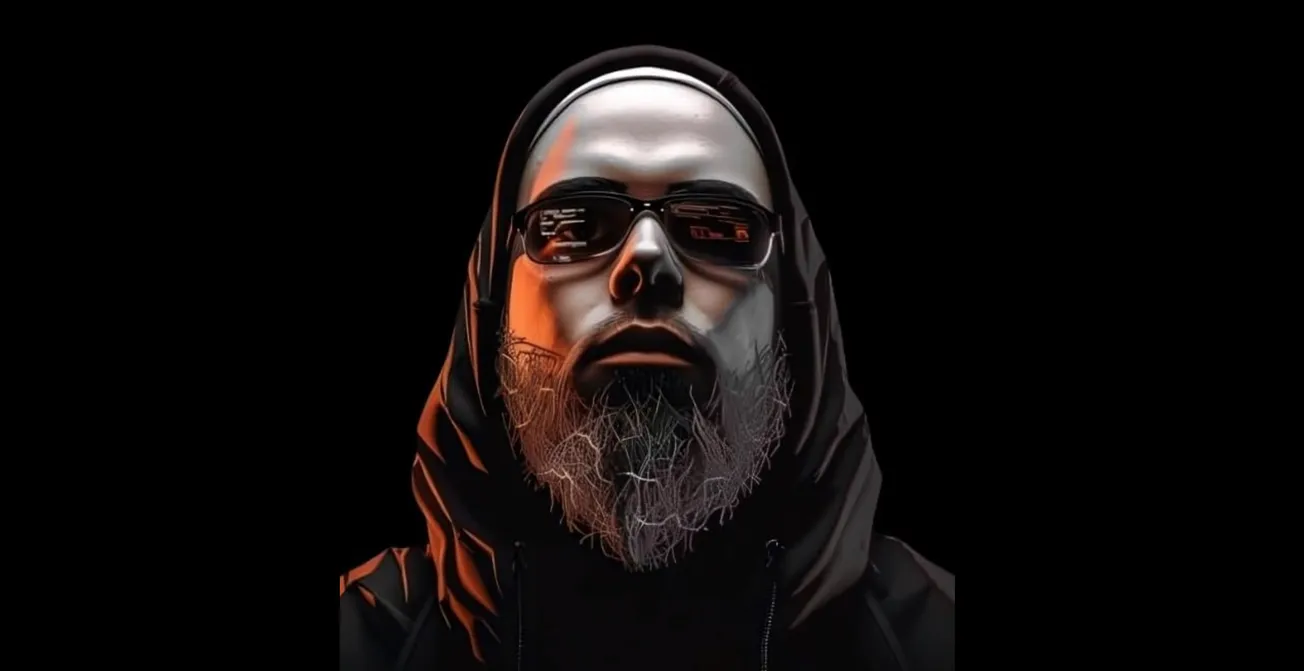
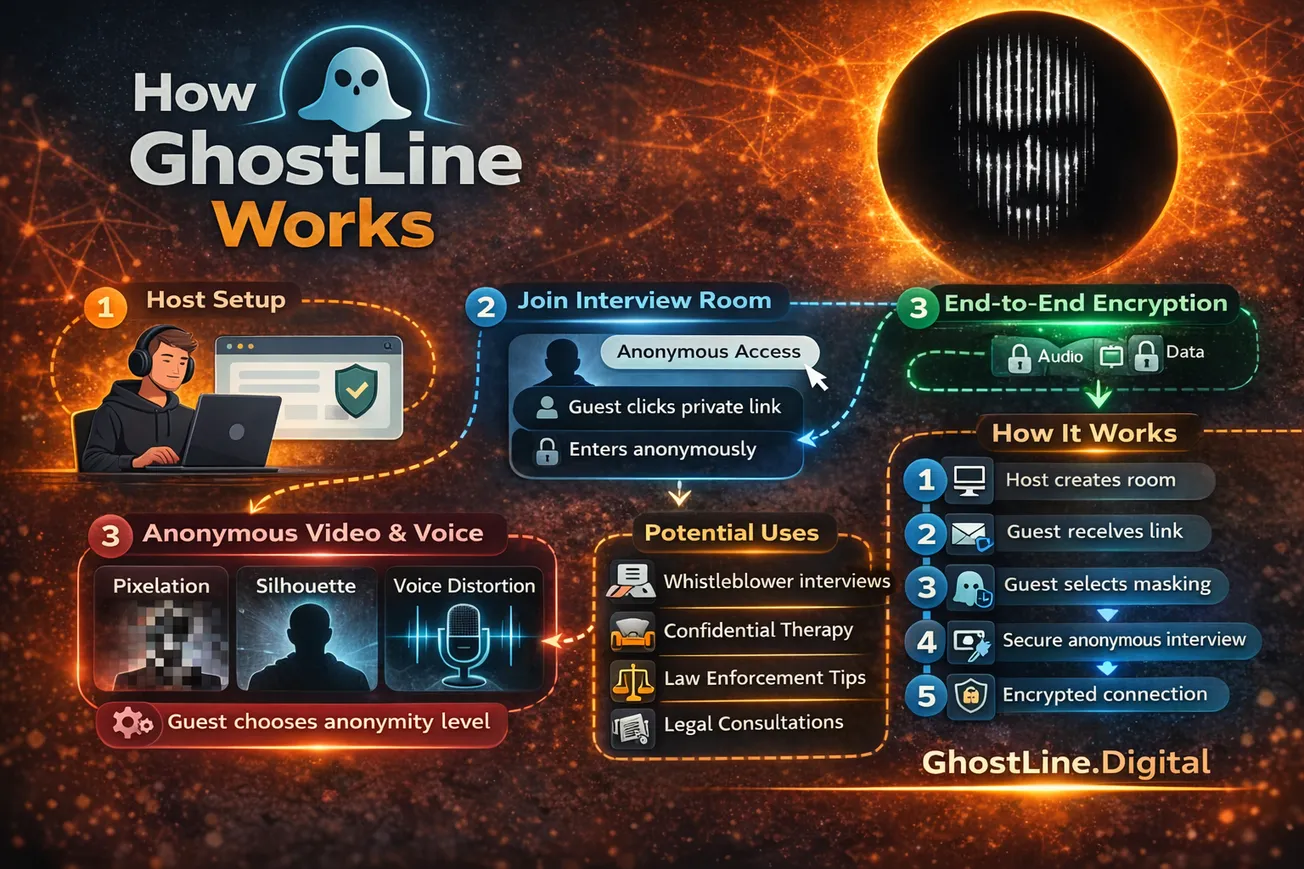
Instead, Glanden built a platform that anonymizes both voice and video in real time.
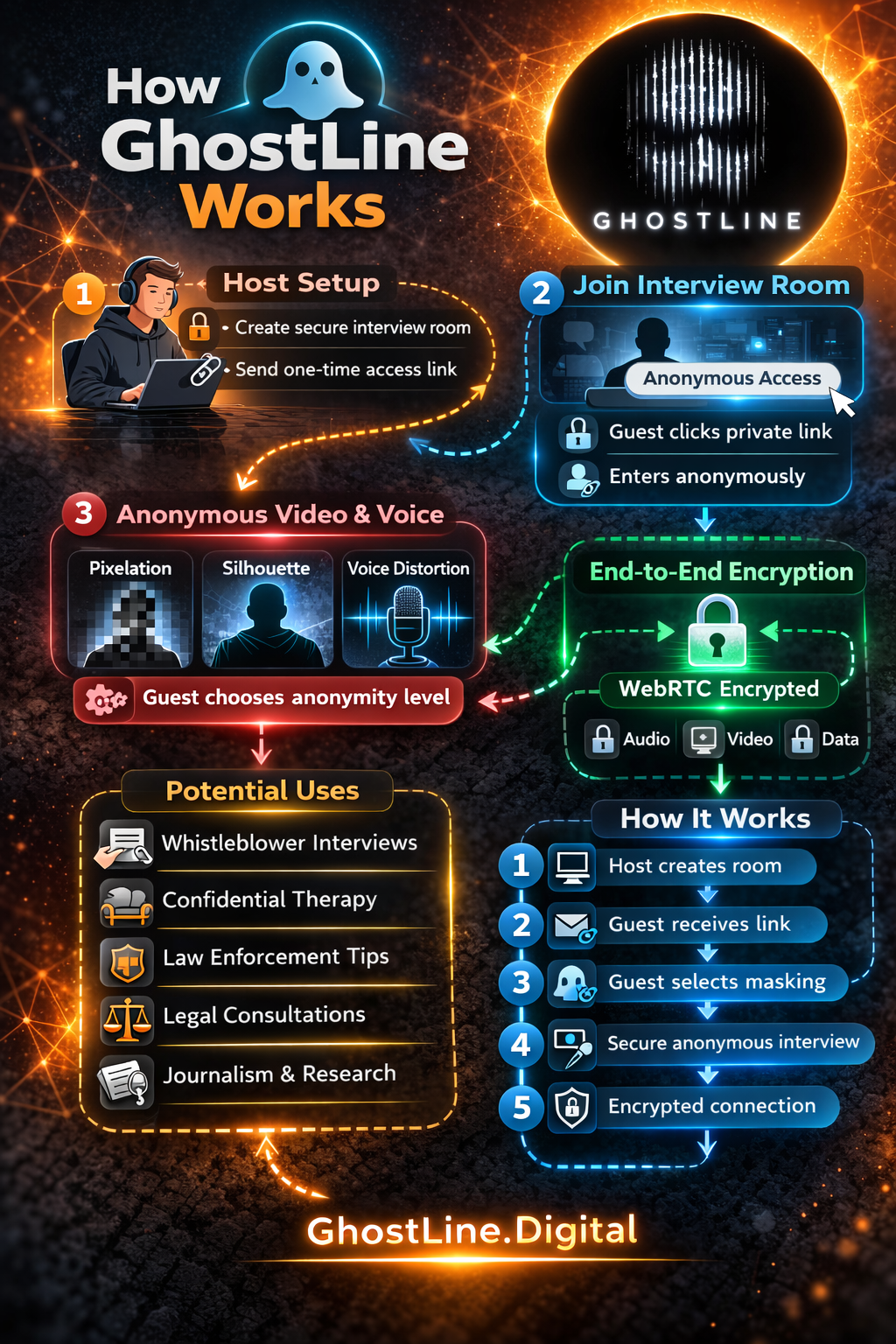
The browser-based tool allows a host to create a private interview room and send a one-time access code to a guest. Before joining, the guest can select from multiple anonymity settings—including pixelation, silhouette masking, and voice distortion.
All communication is encrypted through WebRTC, ensuring that only anonymized audio and video are transmitted.
The idea, Glanden said, is to create a platform that journalists, podcasters, and researchers can use to interview sources without compromising their identities.
Potential use cases extend far beyond podcasting.
GhostLine could enable anonymous whistleblower interviews, confidential therapy sessions, secure law enforcement tip lines, or legal consultations where privacy is critical.
For now, the platform is free to use while Glanden gathers feedback from early adopters and explores possible enterprise versions.
“I just want to get people using it,” he said.
GhostLine is only one piece of Glanden’s storytelling ambitions.
His newest creative project is “Fallout,” a narrative podcast that dramatizes real-world incidents where artificial intelligence systems malfunction, cause harm, or produce unexpected outcomes.
The show draws from sources like the AI Incident Database and technology reporting outlets that document AI failures.
Each episode begins with a real documented event. Glanden then fictionalizes names and locations while building a dramatic narrative around the incident.
Unlike traditional news coverage, the podcast focuses on the human impact of technological failures.
“We read these stories and understand them at a surface level,” Glanden said. “But we rarely see the human consequences behind them.”
Episodes feature immersive storytelling techniques including sound effects, music, and voice acting.
Listeners can also access the original news stories in the episode notes, allowing them to compare the narrative version with the documented event.
For Glanden, the project reflects a broader goal: making cybersecurity and emerging technology issues accessible to audiences beyond the technical community.
“We’re living through a moment where AI is changing everything,” he said. “But the real stories are about how it affects people.”